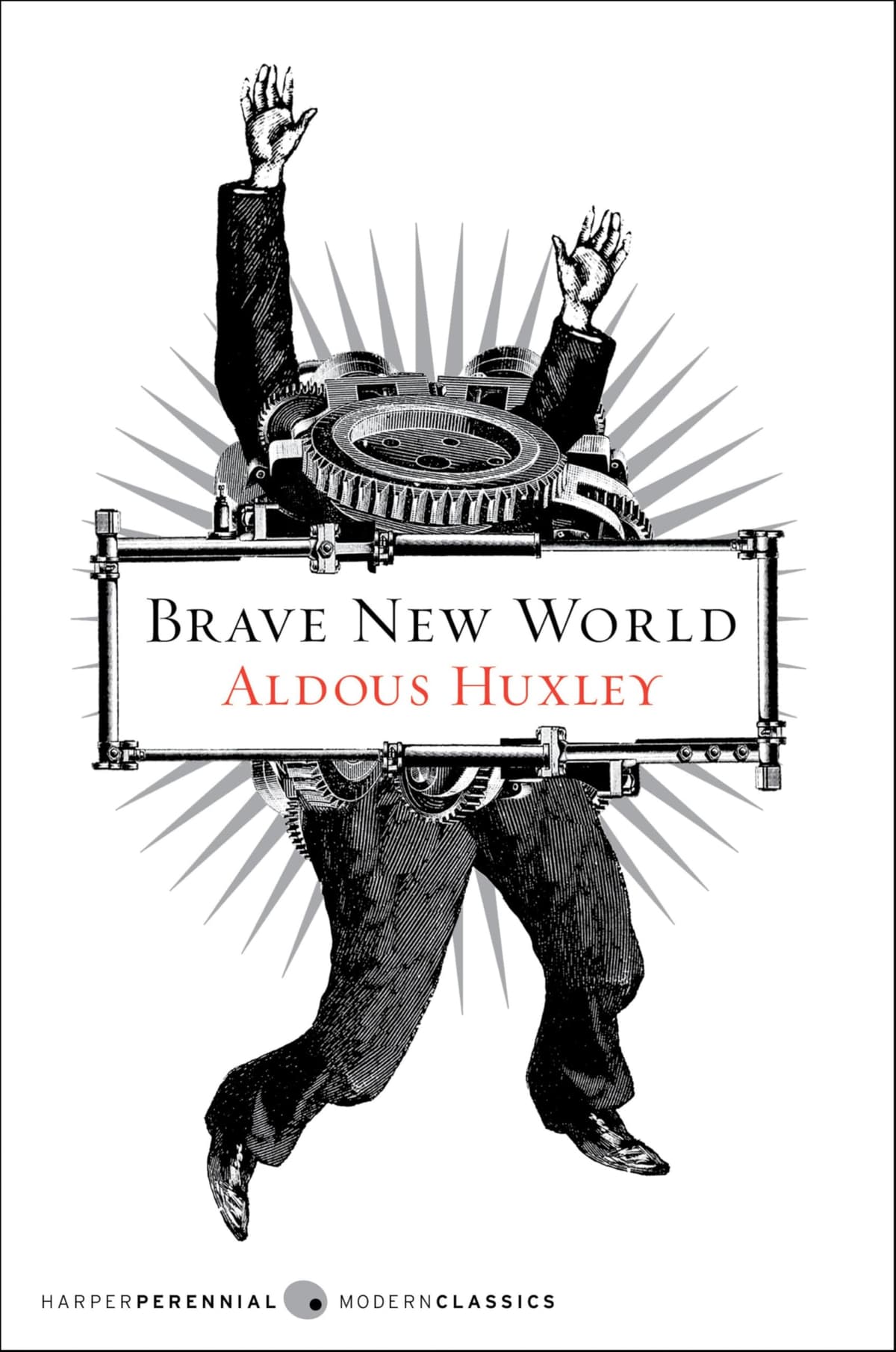
Brave New World
“But I don't want comfort. I want God, I want poetry, I want real danger, I want freedom, I want goodness. I want sin.”
Brave New World Summary
In the year of our Ford 632, humanity has been perfected. Babies are decanted from bottles in government hatcheries, genetically engineered into a rigid caste system from Alpha-Plus intellectuals to Epsilon-Minus morons. Everyone is happy—conditioned from birth to love their servitude, pacified by the miracle drug soma, and distracted by an endless carousel of casual sex, synthetic entertainment, and consumer pleasures. History has been abolished. Art is forbidden. And in this sterile paradise, a young man named Bernard Marx begins to feel that something is terribly wrong.
When Bernard brings a 'Savage' named John from a New Mexico reservation into the gleaming World State, the collision between two civilizations exposes the monstrous bargain at the heart of utopia: humanity has purchased happiness at the price of everything that makes life worth living—passion, pain, beauty, and truth. Huxley's nightmare is not the boot on the face; it is the smile on the face of someone who has forgotten what freedom means.
Why Read Brave New World?
Orwell feared we would be destroyed by what we hate. Huxley feared we would be destroyed by what we love. Of the two great twentieth-century dystopias, Brave New World has proved the more prophetic. We live in an age of engineered contentment—algorithmically curated feeds, on-demand entertainment, pharmaceutical mood management—and Huxley saw it all coming in 1932. His genius was to realize that tyranny does not need terror; it only needs to make the cage comfortable enough.
But Brave New World is more than a warning. It is a profound meditation on what it means to be human. John the Savage's demand for the right to be unhappy—to suffer, to age, to die—is one of the most powerful arguments for authentic existence ever put on paper. In a world that increasingly offers us the choice between comfort and meaning, Huxley's question burns hotter than ever: would you trade your freedom for happiness?
About Aldous Huxley
Aldous Huxley (1894–1963) was a British novelist, essayist, and intellectual who moved between the worlds of literature, science, and philosophy with the ease of a polymath. Born into one of England's most distinguished intellectual families—his grandfather was Thomas Henry Huxley, Darwin's great champion—he was nearly blinded by illness as a teenager and turned to writing with a ferocious intelligence.
Brave New World, published when Huxley was thirty-seven, made him one of the most important voices of the twentieth century. He later emigrated to California, where he explored mysticism, psychedelics, and perception, producing The Doors of Perception and Island. He died on November 22, 1963—the same day as C.S. Lewis and President Kennedy—largely unnoticed, but his vision of a pleasured dystopia has only grown more relevant.
Reading Guide
Ranked #49 among the greatest books of all time, Brave New World by Aldous Huxley has earned its place in the literary canon. Originally written in English and published in 1932, this accessible read from United Kingdom continues to resonate with readers today.
This book belongs to our Speculative Futures and Society & Satire collections, where you can discover more books that share its spirit and themes.
If you enjoy accessible reads like this one, you might also like The Great Gatsby, The Catcher in the Rye, or Pride and Prejudice.
From the Speculative Futures Collection
If you enjoyed Brave New World, discover more masterpieces that share its spirit.
 #6View Book
Nineteen Eighty-Four
George Orwell
Moderate•8-10 hours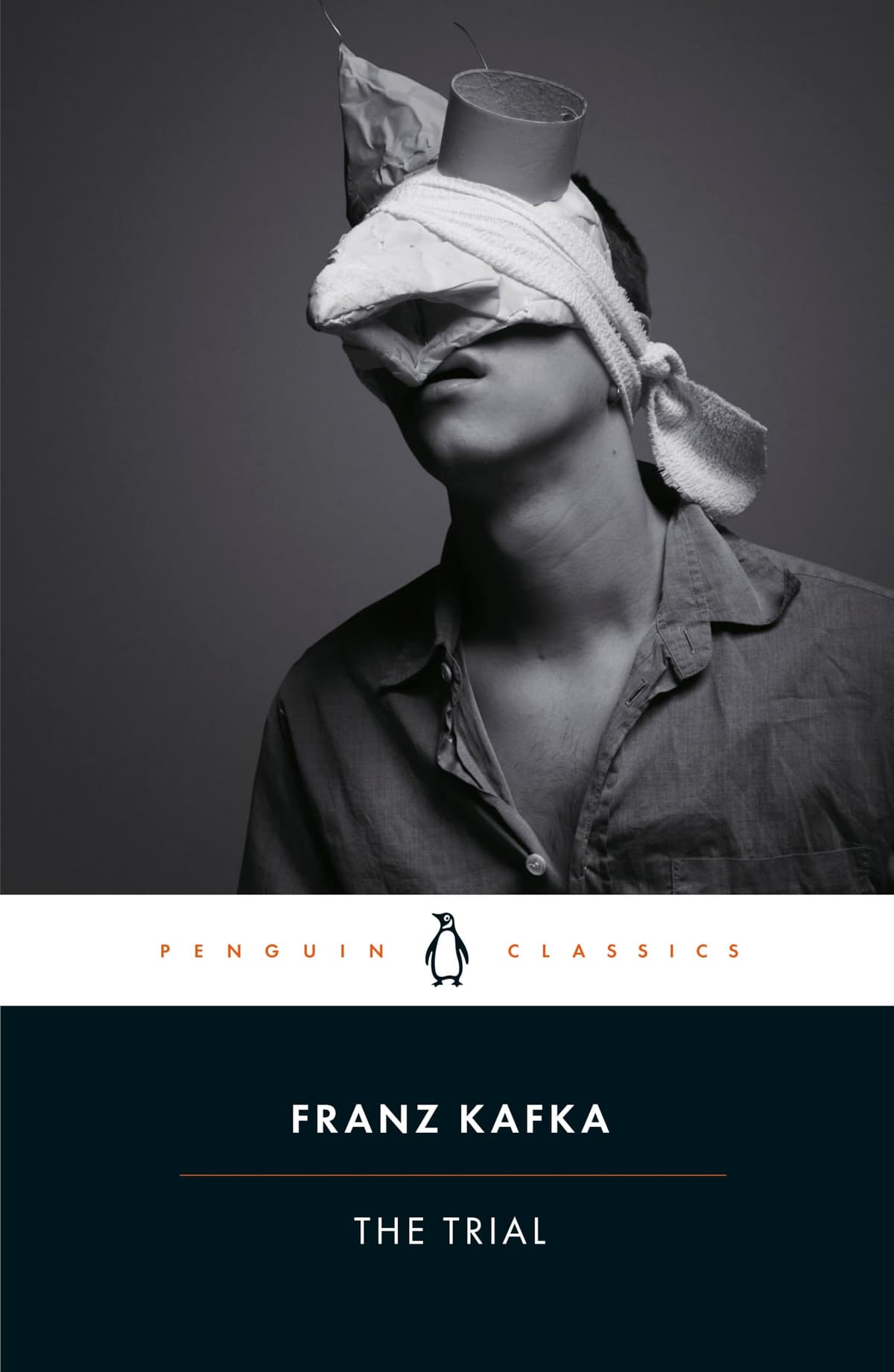 #20View Book
The Trial
Franz Kafka
Moderate•8-10 hours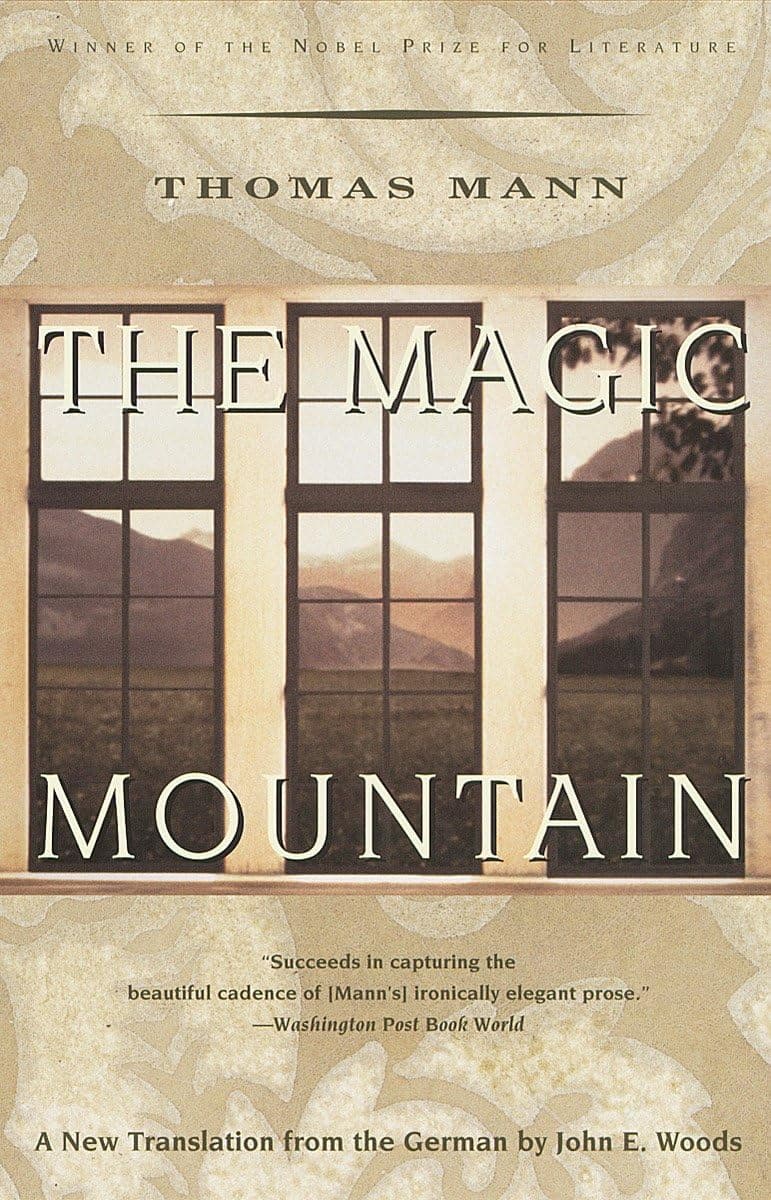 #27View Book
The Magic Mountain
Thomas Mann
High•30-35 hours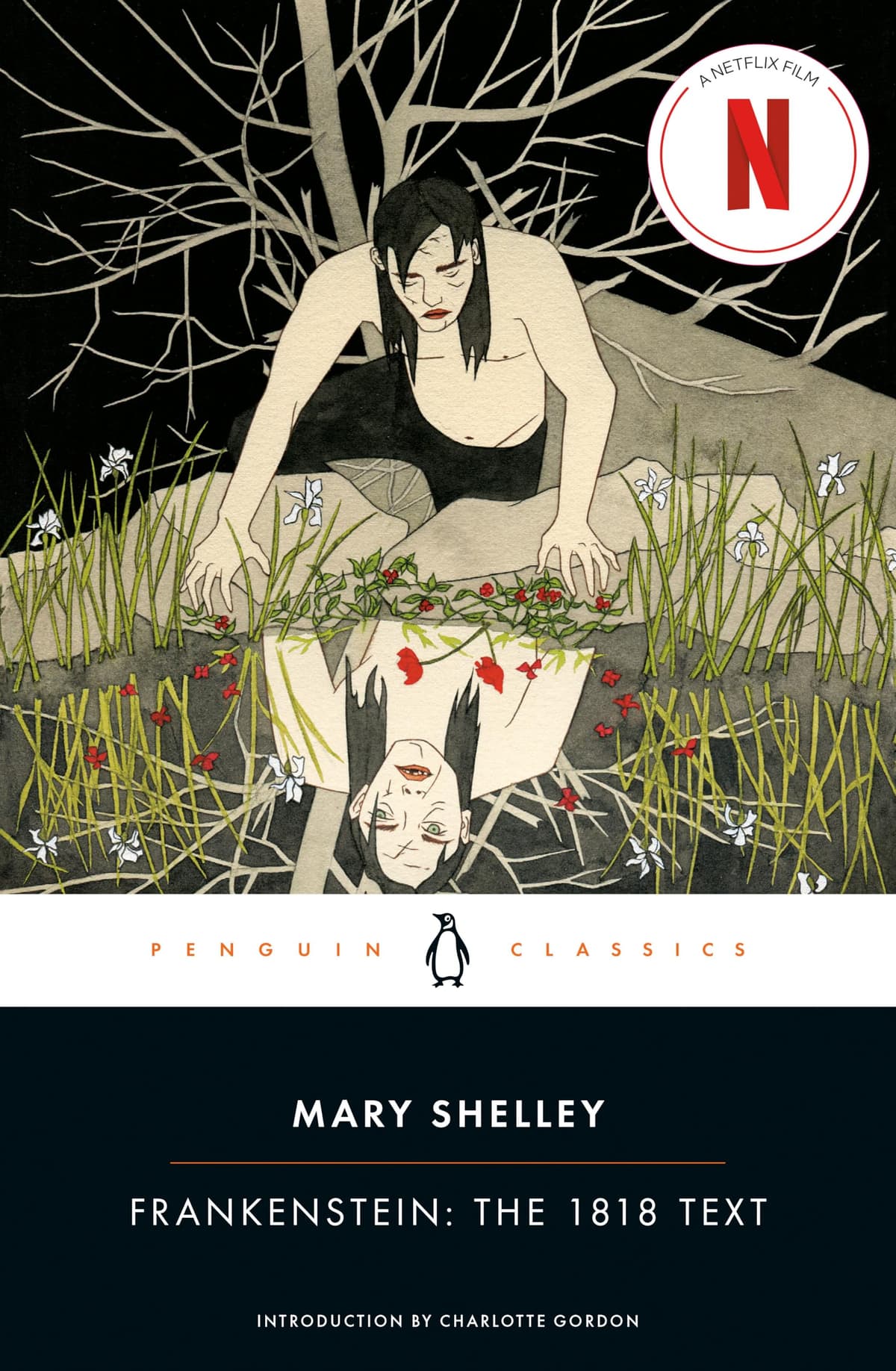 #41View Book
Frankenstein
Mary Shelley
Accessible•6-8 hours
Browse more collections