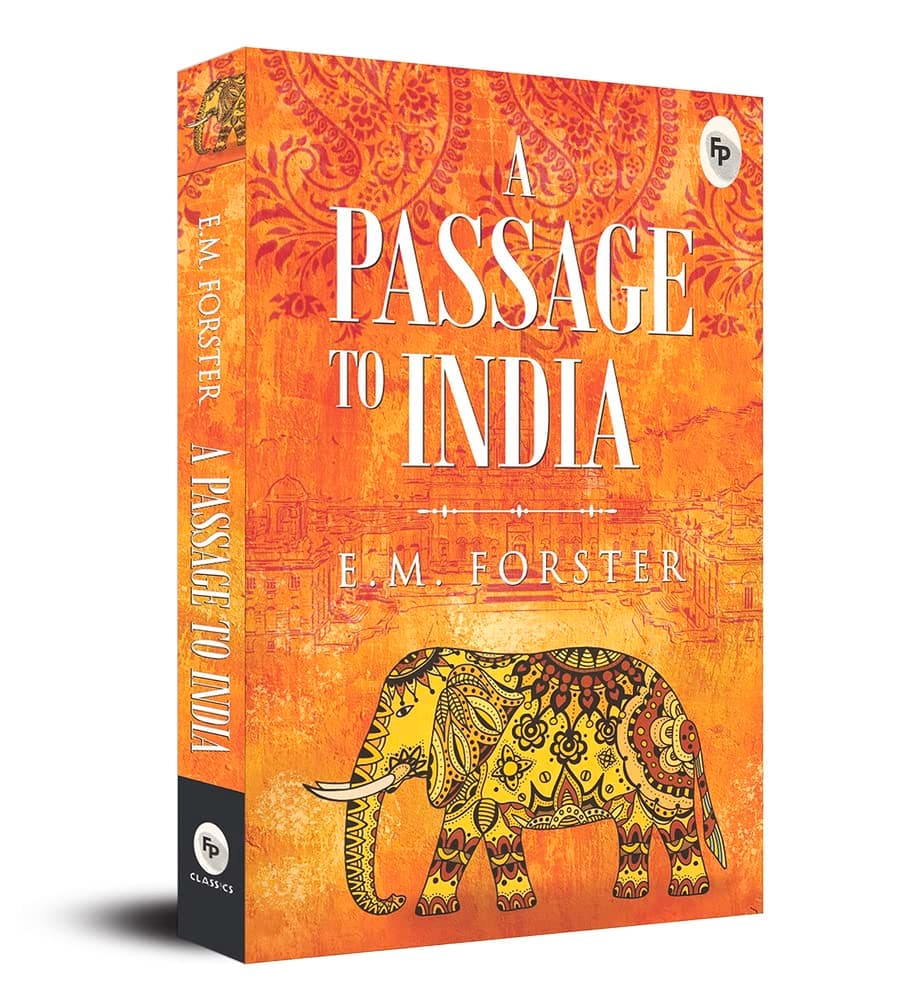
A Passage to India
“No, not yet, and the sky said, No, not there.”
A Passage to India Summary
In the sweltering heat of Chandrapore, a fictional Indian city under British colonial rule, two Englishwomen arrive with open minds and the naive hope of seeing "the real India." The elderly Mrs. Moore and the young, curious Adela Quested are taken under the wing of Dr. Aziz, a passionate Muslim physician eager to bridge the gulf between ruler and ruled. When Aziz arranges an excursion to the mysterious Marabar Caves, something happens in those ancient, echoing chambers that will shatter every relationship in the novel and put an innocent man on trial.
Forster's masterpiece is a novel about the impossibility of connection across the chasm of empire. The Marabar Caves, with their unsettling echo that reduces all sound to the same hollow "boum," become a metaphor for the void at the heart of colonial relations—where good intentions collapse under the weight of power, prejudice, and mutual incomprehension. It is a book haunted by the question it poses in its final lines: can friendship between colonizer and colonized ever truly exist?
Why Read A Passage to India?
A Passage to India is the most searching novel ever written about the British Empire—not because it rails against colonialism, but because it reveals, with heartbreaking precision, how even the best human impulses are poisoned by the structures of domination. Forster does not give us villains; he gives us well-meaning people trapped in a system that makes genuine connection impossible. The tragedy is not cruelty but the failure of goodwill.
The novel's power lies in what it leaves unresolved. We never learn with certainty what happened in the Marabar Caves, and that ambiguity is the point. Forster understood that the deepest truths resist tidy answers—that between cultures, between individuals, between the human mind and the indifferent universe, there are echoes that cannot be decoded. It is a novel that asks you to sit with uncertainty, and in doing so, it teaches a kind of humility that political discourse rarely achieves.
About E. M. Forster
E. M. Forster (1879–1970) was one of the most important English novelists of the twentieth century, a quiet, unassuming man whose work bristled with moral intelligence. His major novels—A Room with a View, Howards End, and A Passage to India—all circle the same theme: the difficulty, and the necessity, of building bridges between people separated by class, culture, and convention.
A Passage to India, published in 1924, was his last novel; he lived another forty-six years but never wrote another. His famous dictum, "Only connect," became the motto of liberal humanism. Forster was also a champion of civil liberties and, late in life, a quietly courageous advocate for homosexual rights at a time when such advocacy carried real risk. He was offered a knighthood and declined.
Reading Guide
Ranked #76 among the greatest books of all time, A Passage to India by E. M. Forster has earned its place in the literary canon. Originally written in English and published in 1924, this moderate read from United Kingdom continues to resonate with readers today.
This book belongs to our Society & Satire collection, where you can discover more books that share its spirit and themes.
If you enjoy moderate reads like this one, you might also like One Hundred Years of Solitude, Nineteen Eighty-Four, or Wuthering Heights.
From the Society & Satire Collection
If you enjoyed A Passage to India, discover more masterpieces that share its spirit.
 #9View Book
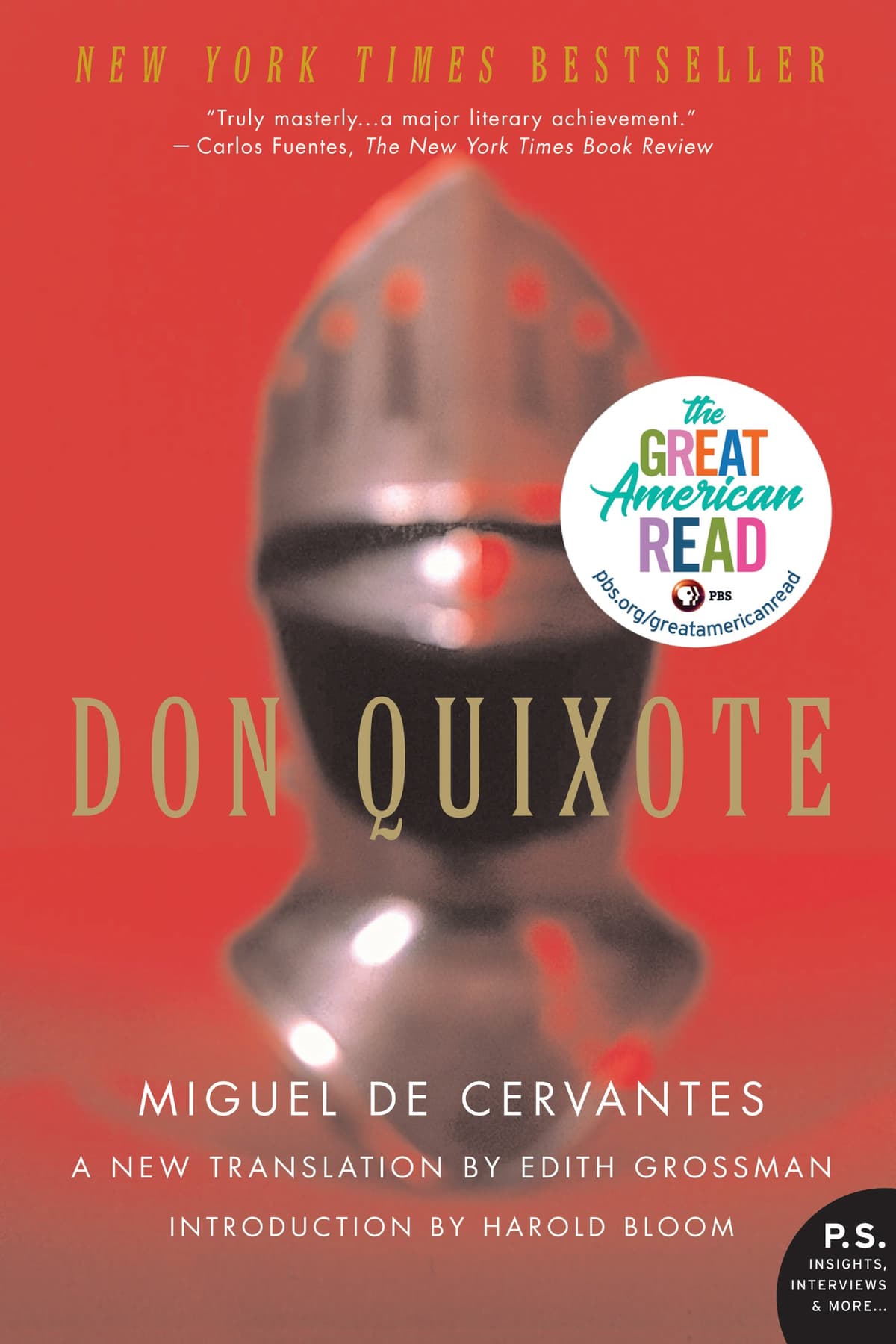
Don Quixote
Miguel de Cervantes
High•35-40 hours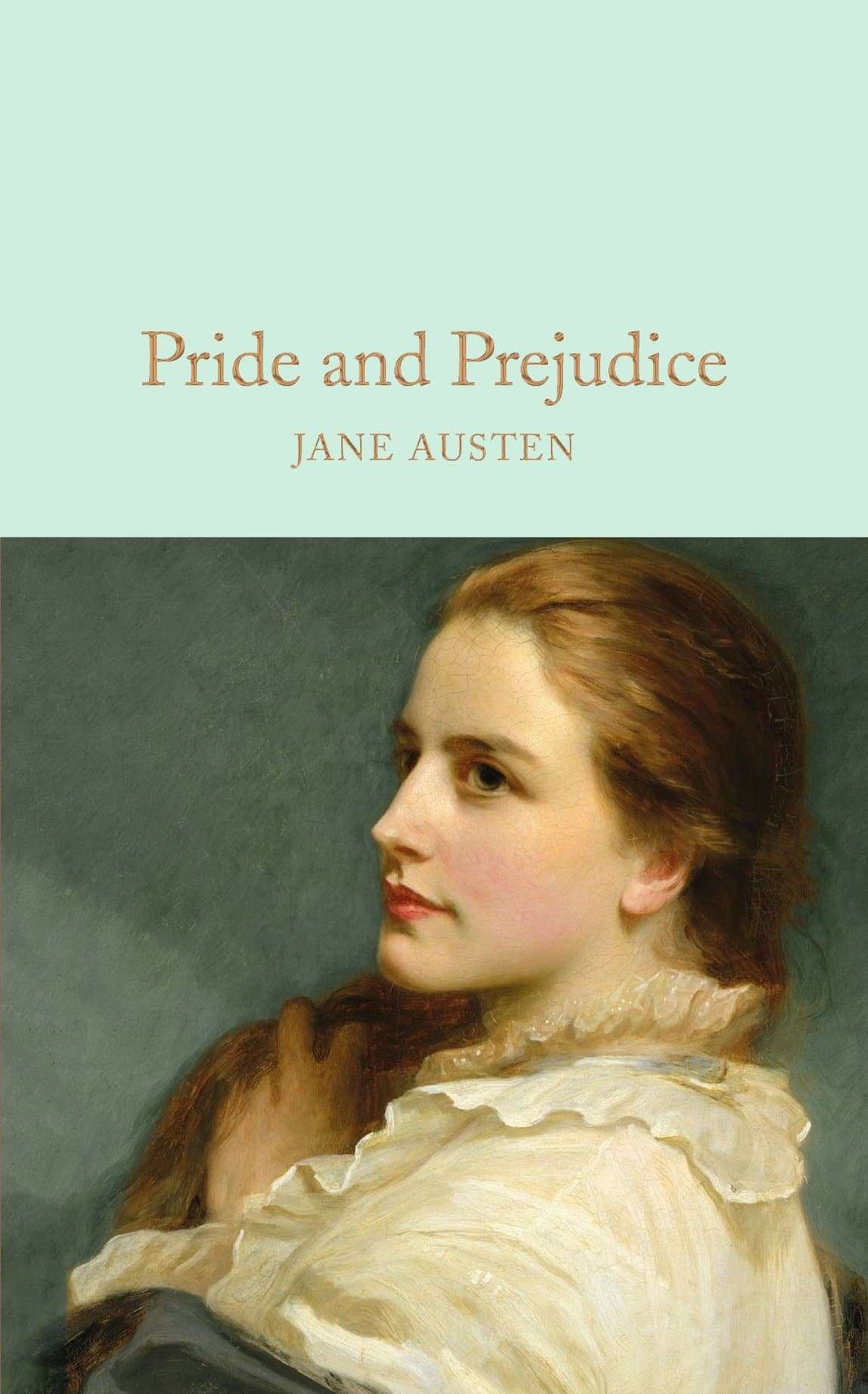 #12View Book
Pride and Prejudice
Jane Austen
Accessible•10-12 hours #22View Book
Madame Bovary
Gustave Flaubert
Moderate•12-15 hours #30View Book
Middlemarch
George Eliot
High•30-35 hours
Browse more collections