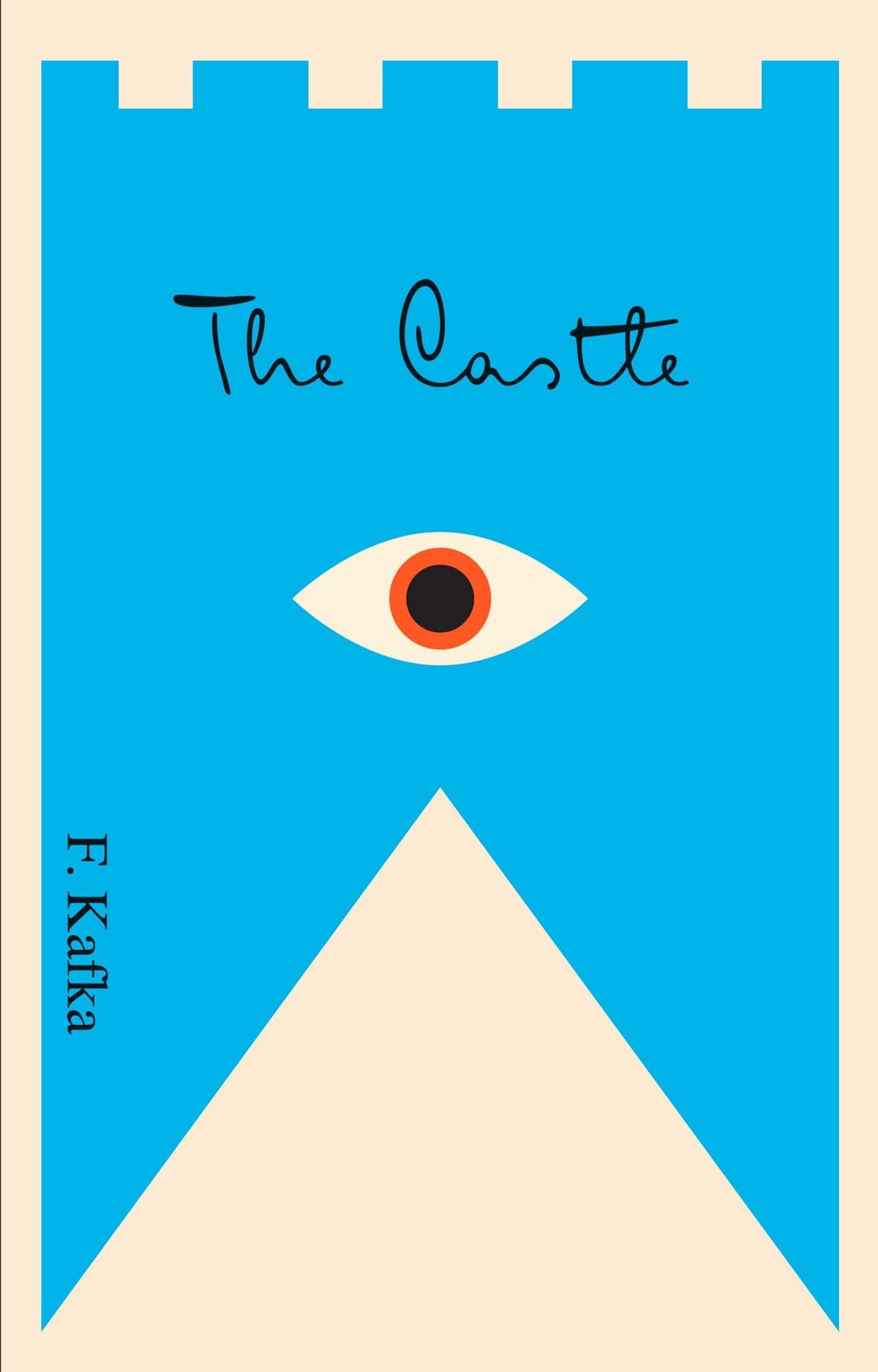
The Castle
“It's impossible to defend oneself where there is no goodwill.”
The Castle Summary
A man known only as K. arrives in a snow-covered village, claiming he has been summoned to work as a land surveyor for the mysterious Castle that looms above. But no one in the village can confirm his appointment. The Castle's bureaucracy is a labyrinth of unanswered letters, contradictory officials, and endless intermediaries, and K.'s every attempt to reach the authorities who might validate his existence is met with evasion, delay, and maddening indifference.
Kafka's unfinished novel is a nightmare rendered in the flattest possible prose. K. talks to villagers who revere the Castle, seduces women connected to officials, and pursues telephone calls that lead nowhere. The Castle is always visible, always unreachable. Whether it represents God, government, meaning, or the impossibility of belonging, Kafka never tells us—because the point is the search itself, the futile, exhausting, essential human need to be recognized by an authority that may not even know you exist.
Why Read The Castle?
If The Trial asks what happens when you are accused without knowing the charge, The Castle asks something equally terrifying: what happens when you cannot prove you have a right to exist? K.'s struggle to gain acknowledgment from an impenetrable bureaucracy is Kafka's most sustained exploration of the modern condition—the feeling that the systems governing our lives are vast, opaque, and fundamentally indifferent to our existence.
The novel's unfinished state only deepens its power. There is no resolution, no arrival, no moment when K. finally enters the Castle—because Kafka understood that the point is the perpetual state of seeking. To read The Castle is to recognize the absurdity of every form you have filled out, every call center you have navigated, every institution that has asked you to prove who you are. It is the most prophetic novel of the twentieth century.
About Franz Kafka
Franz Kafka (1883–1924) was born into a German-speaking Jewish family in Prague, then part of the Austro-Hungarian Empire. He studied law, worked for an insurance company, and wrote obsessively at night, producing some of the most haunting fiction of the twentieth century while battling insomnia, self-doubt, and tuberculosis.
Kafka published little during his lifetime and asked his friend Max Brod to burn his manuscripts after his death. Brod refused, and the posthumous publication of The Trial, The Castle, and Amerika revealed a body of work that would become foundational to modern literature. Kafka's vision of the individual crushed by inscrutable bureaucratic forces has become the defining metaphor of the modern condition.
Reading Guide
Ranked #75 among the greatest books of all time, The Castle by Franz Kafka has earned its place in the literary canon. Originally written in German and published in 1926, this challenging read from Czech Republic continues to resonate with readers today.
This book belongs to our Modern Mind and Philosophy & Faith collections, where you can discover more books that share its spirit and themes.
If you enjoy challenging reads like this one, you might also like Ulysses, Moby-Dick, or Lolita.
From the Modern Mind Collection
If you enjoyed The Castle, discover more masterpieces that share its spirit.
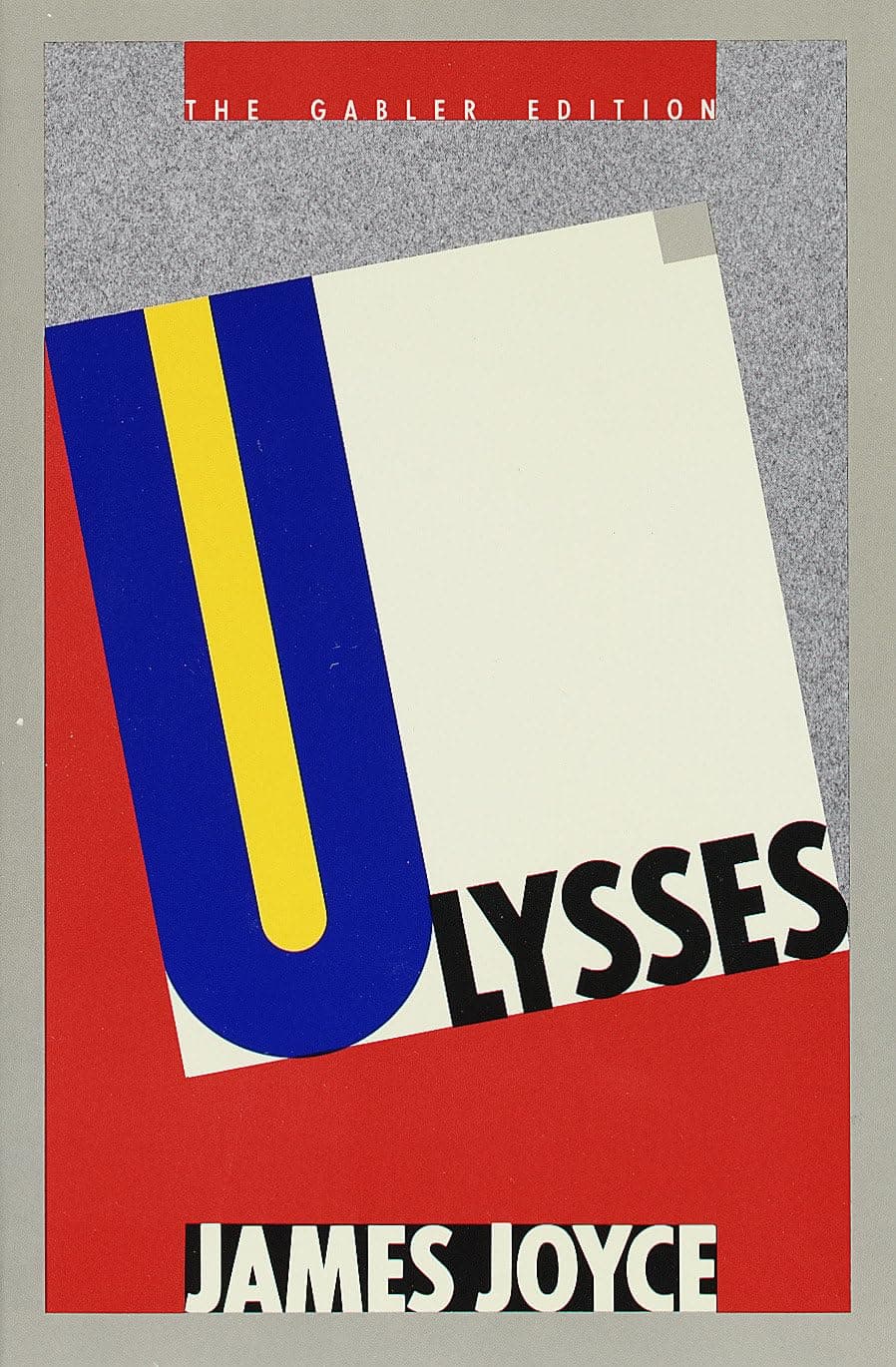 #1View Book
Ulysses
James Joyce
Challenging•35-40 hours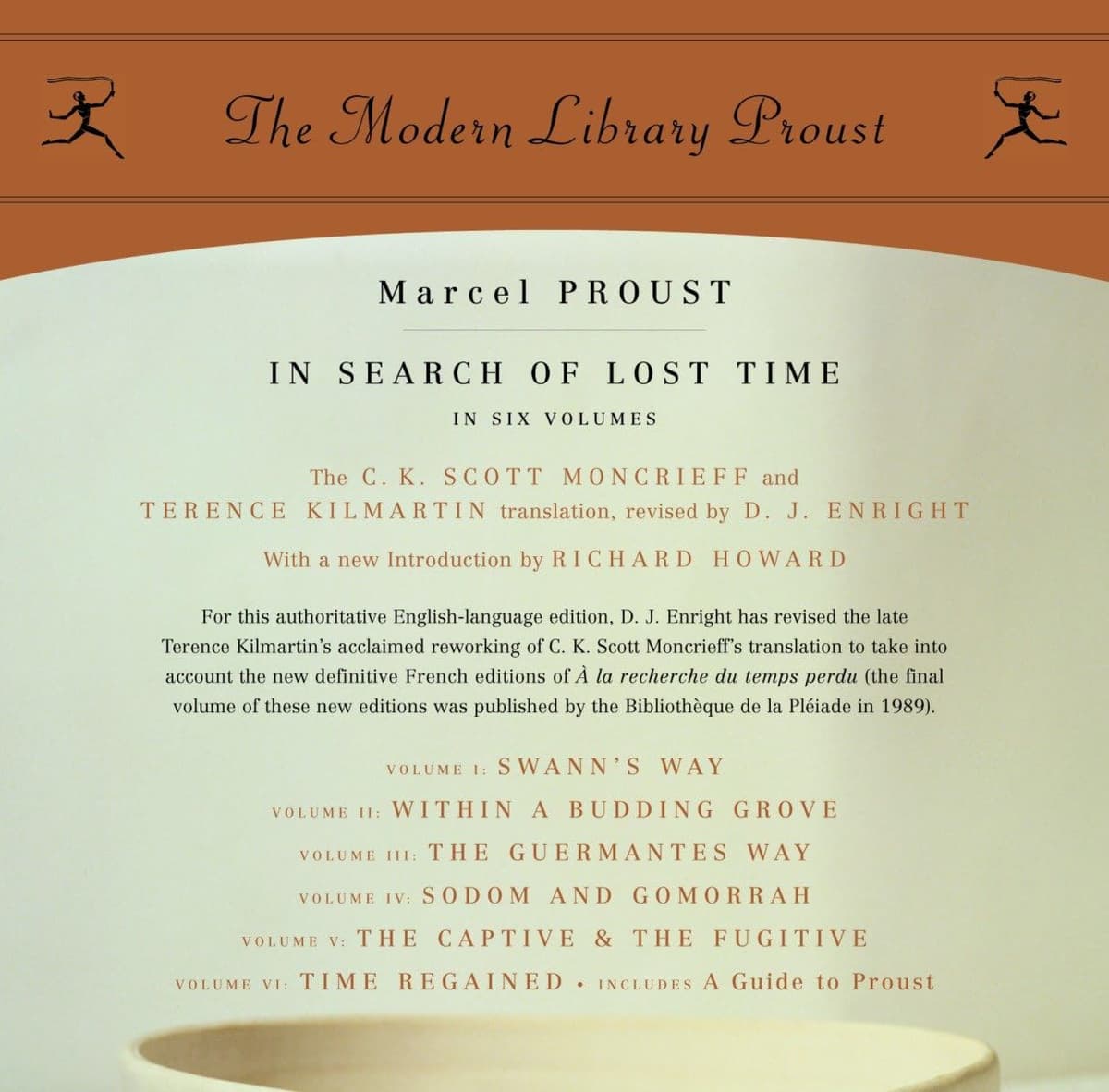 #2View Book
In Search of Lost Time
Marcel Proust
High•100+ hours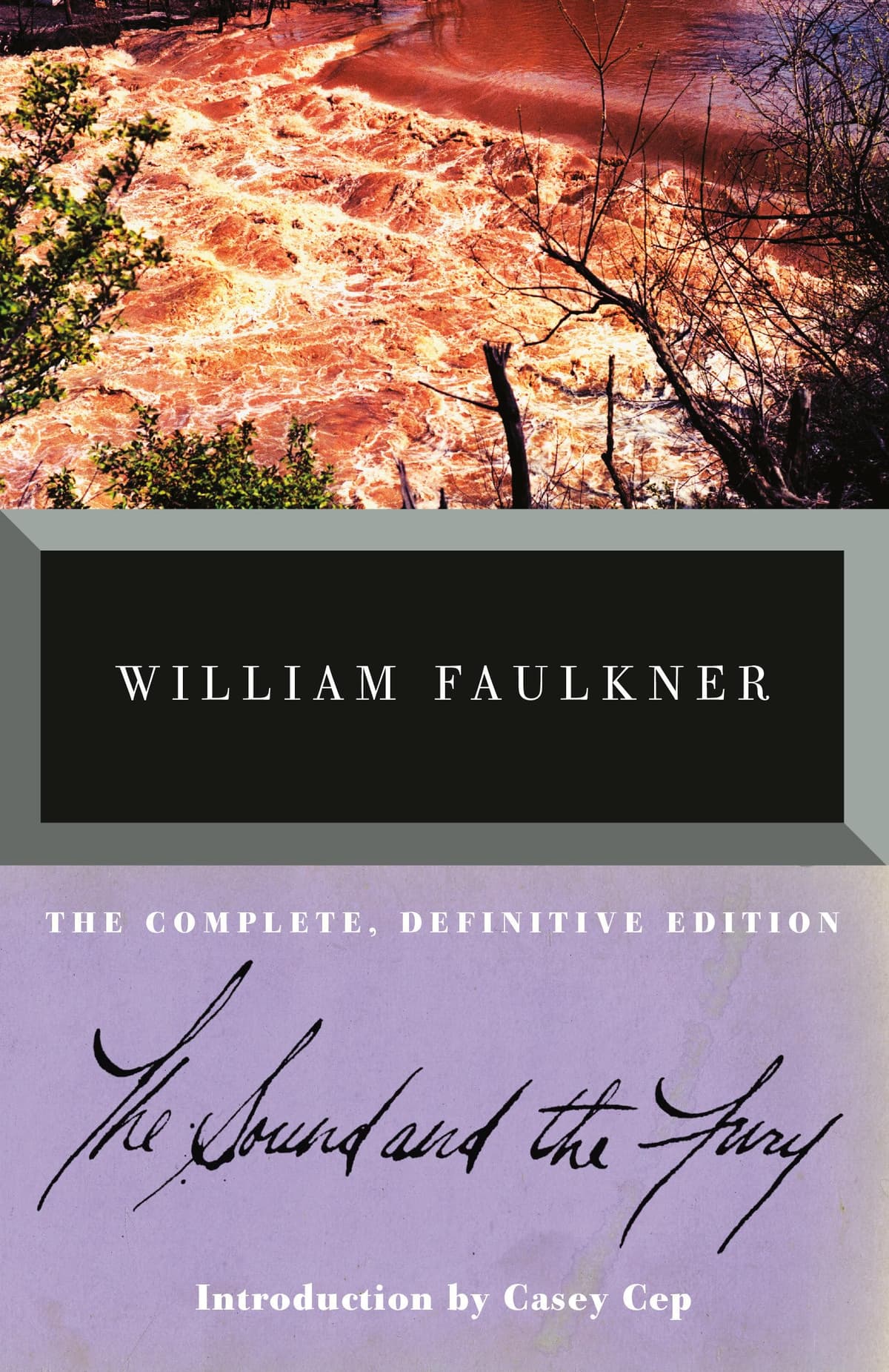 #8View Book
The Sound and the Fury
William Faulkner
Very High•12-15 hours #13View Book
Lolita
Vladimir Nabokov
Challenging•12-15 hours
Browse more collections