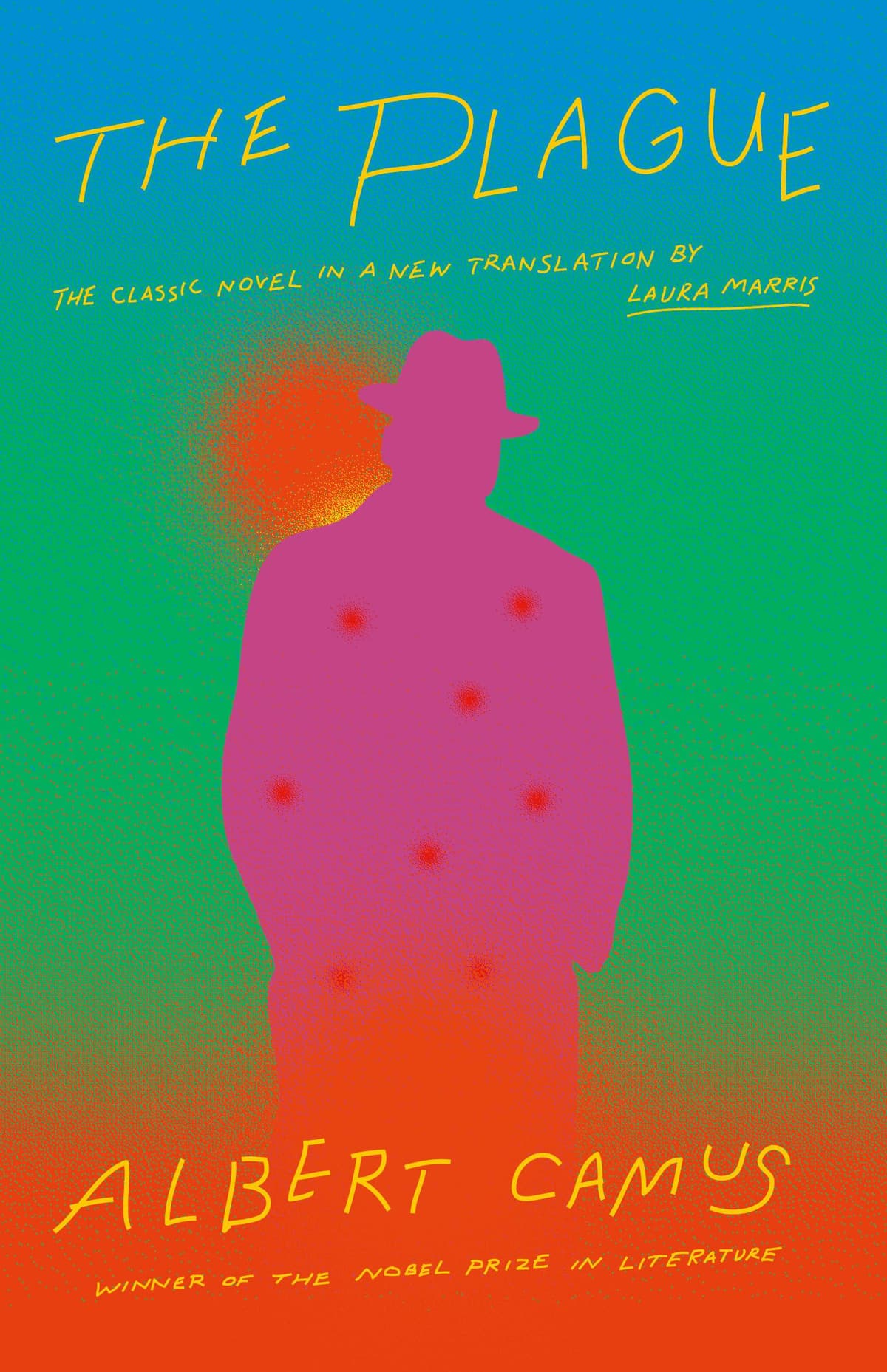
The Plague
“What's true of all the evils in the world is true of plague as well. It helps men to rise above themselves.”
The Plague Summary
The Algerian port city of Oran wakes one morning to find rats dying in the streets. Within days, people begin to fall ill with swollen lymph nodes and raging fevers. The gates of the city are sealed, and Oran becomes a prison. Dr. Bernard Rieux, a quiet, exhausted physician, organizes the fight against the epidemic—not because he believes he can win, but because it is the only decent thing to do. Around him, a cast of ordinary men respond to catastrophe in ways that reveal the full range of human nature: the journalist who wants to escape, the civil servant who finds purpose in meticulous record-keeping, the priest who sees divine punishment, and the mysterious Tarrou, who seeks to become a saint without God.
Camus's allegory operates on multiple levels at once. On the surface, it is a gripping chronicle of a city under siege by disease. Beneath that, it is a parable about the Nazi occupation of France—and beneath that, a meditation on the absurd condition of human existence, where suffering has no meaning and the only heroism is solidarity in the face of an indifferent universe.
Why Read The Plague?
The Plague is the most relevant novel of the twentieth century—and it keeps becoming more relevant. Camus wrote it as an allegory for the Nazi occupation, but its portrait of a city locked down by disease has taken on an almost prophetic resonance. Every detail—the denial, the panic, the profiteering, the exhaustion of frontline workers—reads as though it were written yesterday.
But what makes the novel endure is not its topicality but its moral clarity. Camus offers no false hope. The plague will return, he tells us; evil is never permanently defeated. The only answer is the one Dr. Rieux embodies: quiet, stubborn, unglamorous decency. You fight the plague not because you will win, but because fighting is what it means to be human. In a world that offers no guarantees, The Plague argues that compassion is the only rebellion that matters.
About Albert Camus
Albert Camus (1913–1960) was born in French Algeria to a poor, illiterate mother and a father killed in World War I. He rose from poverty to become one of the most important voices of the twentieth century—novelist, essayist, playwright, and moral philosopher. His works—The Stranger, The Plague, The Myth of Sisyphus, The Rebel—form a sustained meditation on how to live with meaning in an absurd world.
Camus won the Nobel Prize in Literature in 1957, the second-youngest recipient at the time, and was killed in a car accident three years later at forty-six. He is often paired with Sartre, but Camus rejected the existentialist label, insisting on a philosophy of revolt, solidarity, and the stubborn defense of human dignity against all odds.
Reading Guide
Ranked #77 among the greatest books of all time, The Plague by Albert Camus has earned its place in the literary canon. Originally written in French and published in 1947, this moderate read from France continues to resonate with readers today.
This book belongs to our Philosophy & Faith collection, where you can discover more books that share its spirit and themes.
If you enjoy moderate reads like this one, you might also like One Hundred Years of Solitude, Nineteen Eighty-Four, or Wuthering Heights.
From the Philosophy & Faith Collection
If you enjoyed The Plague, discover more masterpieces that share its spirit.
 #11View Book
Crime and Punishment
Fyodor Dostoevsky
High•20-25 hours #18View Book
The Bible
Various
Variable•60-80 hours #19View Book
The Brothers Karamazov
Fyodor Dostoevsky
Very High•35-40 hours #21View Book
The Stranger
Albert Camus
Moderate•3-4 hours
Browse more collections