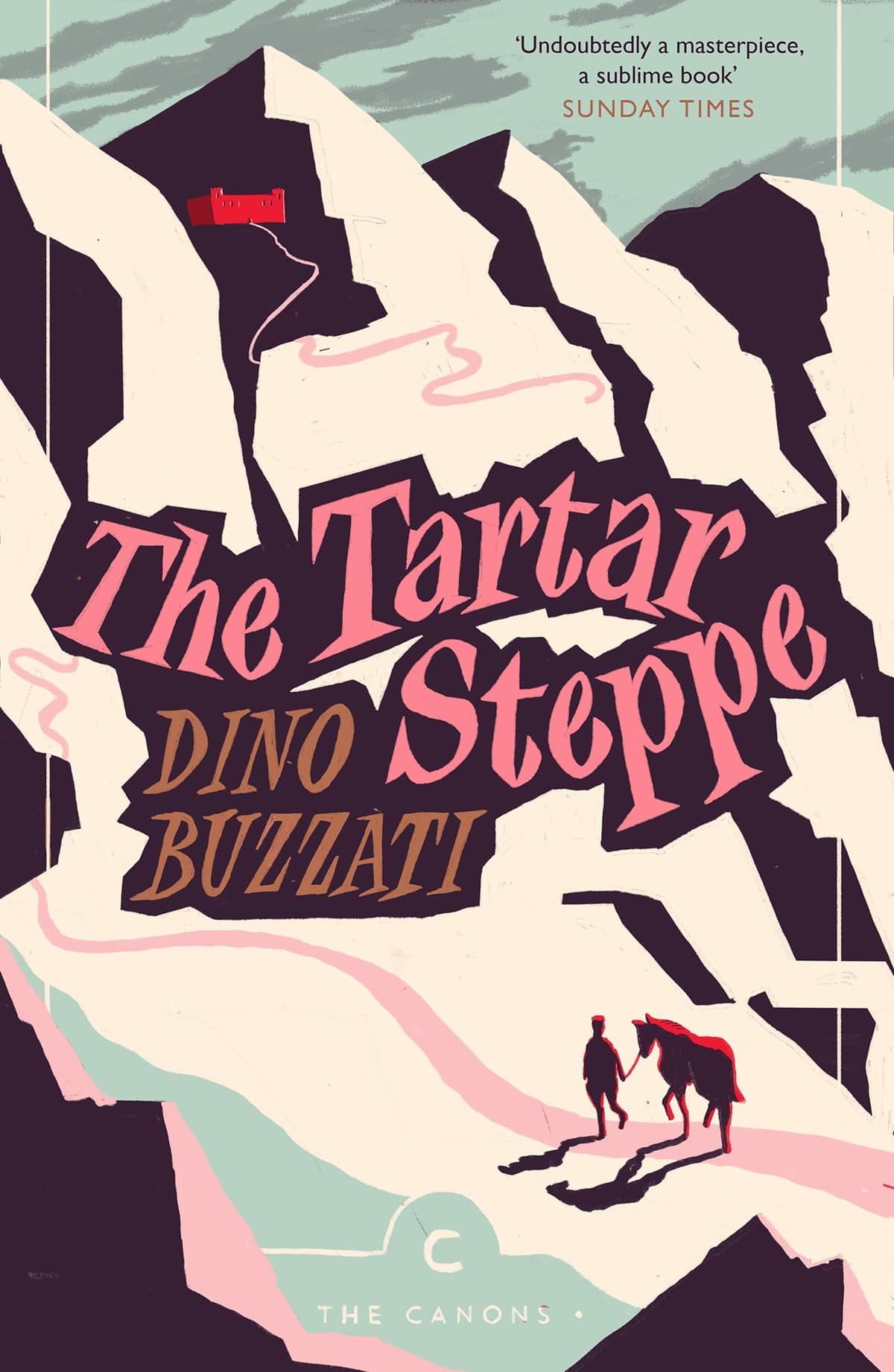
The Tartar Steppe
“No one ever seems to reckon with time; they all think they've still got such a lot of it left.”
The Tartar Steppe Summary
Giovanni Drogo, a young officer fresh from military academy, receives his first posting to Fort Bastiani, a remote outpost perched on the edge of a vast, empty desert known as the Tartar Steppe. Initially dismayed by the desolate assignment and eager to transfer, Drogo gradually falls under the hypnotic spell of the fortress and its rituals. He joins the garrison's collective vigil, watching the northern horizon for an enemy attack that the soldiers believe is always imminent but never arrives. Days blur into months, months into years, and decades slip away as Drogo postpones his return to civilization, always convincing himself that the great battle justifying his sacrifice lies just ahead. The other officers age alongside him, some departing, some dying, all consumed by the same paralysis of waiting. When signs of a genuine military advance finally appear on the steppe after a lifetime of anticipation, Drogo is old, gravely ill, and relieved of his command before the engagement begins.
Dino Buzzati's masterpiece is one of literature's most devastating parables about the passage of time and the human tendency to defer living in favor of an imagined future glory. The Tartar Steppe explores how routine, duty, and vague hope can become invisible prisons, trapping individuals in lives of quiet forfeit. Buzzati draws on Kafka's sense of bureaucratic absurdity and existentialist philosophy to dramatize how meaning evaporates when existence is reduced to perpetual anticipation. The desert itself functions as a vast metaphor for the emptiness that swallows unlived lives. Yet the novel's final pages offer a startling reversal: facing death alone in a roadside inn, Drogo summons the courage he never needed on the battlefield, confronting mortality with a dignity that redeems his wasted years. Published in 1940 as Europe hurtled toward catastrophe, the novel resonates as both a personal and political allegory about the dangers of passive waiting.
Why Read The Tartar Steppe?
Few novels capture the terror of wasted time as precisely as The Tartar Steppe. Buzzati's prose is deceptively simple, almost dreamlike in its clarity, yet it builds an atmosphere of dread that rivals anything in Kafka or Camus. The story of Giovanni Drogo's lifelong vigil at a remote fortress reads like a parable distilled to its purest essence: what happens when you spend your entire existence waiting for a moment that never comes? Every reader who has ever postponed genuine living for some anticipated future reward will find this book uncomfortably recognizable.
Reading this novel sharpens your awareness of how subtly time erodes possibility. Buzzati forces you to confront the seductive comfort of routine, the way duty and expectation can masquerade as purpose while life quietly drains away. The Tartar Steppe is brief enough to read in a single sitting, yet its emotional impact lingers for years. It belongs to that rare category of fiction that changes how you perceive your own daily existence, making you more alert to the moments you might otherwise let slip past unnoticed. Drogo's final scene, where he at last faces something real, delivers a catharsis that is both heartbreaking and strangely triumphant.
About Dino Buzzati
Dino Buzzati (1906-1972) was born in San Pellegrino di Belluno in northern Italy, near the Dolomite mountains whose stark landscapes would haunt his fiction. He joined the staff of the Milanese newspaper Corriere della Sera in 1928 and remained there for the rest of his life, working as a journalist, war correspondent, and editor while simultaneously producing novels, short stories, plays, opera librettos, and paintings. The Tartar Steppe, published in 1940, drew on his own experience of monotonous military service and established his international reputation.
Often called the Italian Kafka, Buzzati possessed a gift for transforming ordinary situations into allegories of existential unease. His short story collections, particularly Sixty Stories, are considered among the finest in the Italian language, blending the quotidian with the fantastic in ways that anticipate magical realism. He was also an accomplished visual artist whose paintings were exhibited in major galleries. Though he was repeatedly nominated for the Nobel Prize and won Italy's prestigious Strega Prize in 1958, Buzzati remained modest about his literary standing, preferring to identify primarily as a journalist. His influence extends across European literature, cinema, and graphic storytelling, and The Tartar Steppe endures as one of the twentieth century's most penetrating meditations on time and human purpose.
Reading Guide
Ranked #266 among the greatest books of all time, The Tartar Steppe by Dino Buzzati has earned its place in the literary canon. Originally written in Italian and published in 1940, this moderate read from Italy continues to resonate with readers today.
This book belongs to our Gothic & Dark and Philosophy & Faith collections, where you can discover more books that share its spirit and themes.
If you enjoy moderate reads like this one, you might also like One Hundred Years of Solitude, Nineteen Eighty-Four, or Wuthering Heights.
From the Gothic & Dark Collection
If you enjoyed The Tartar Steppe, discover more masterpieces that share its spirit.
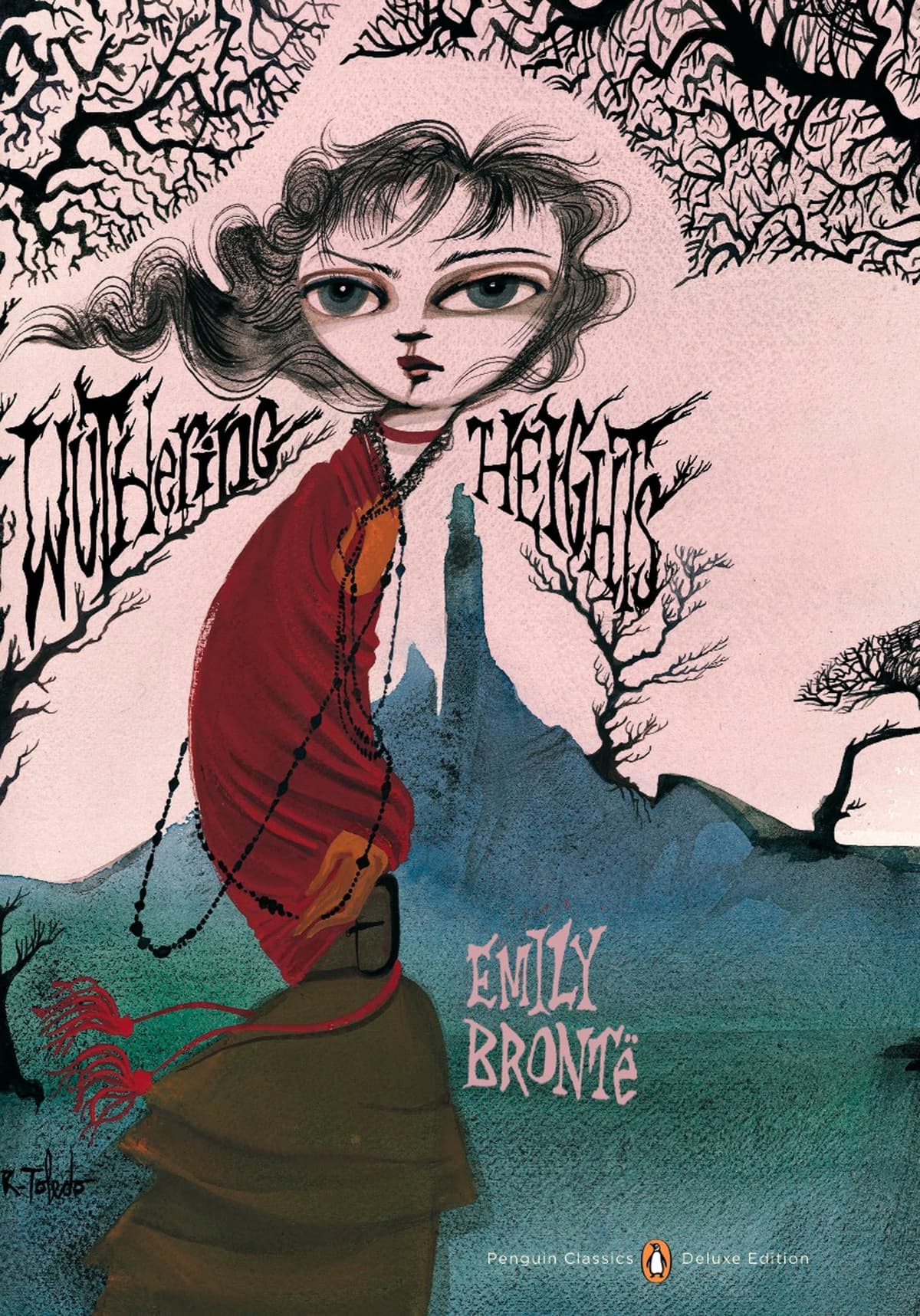 #15View Book
Wuthering Heights
Emily Brontë
Moderate•10-12 hours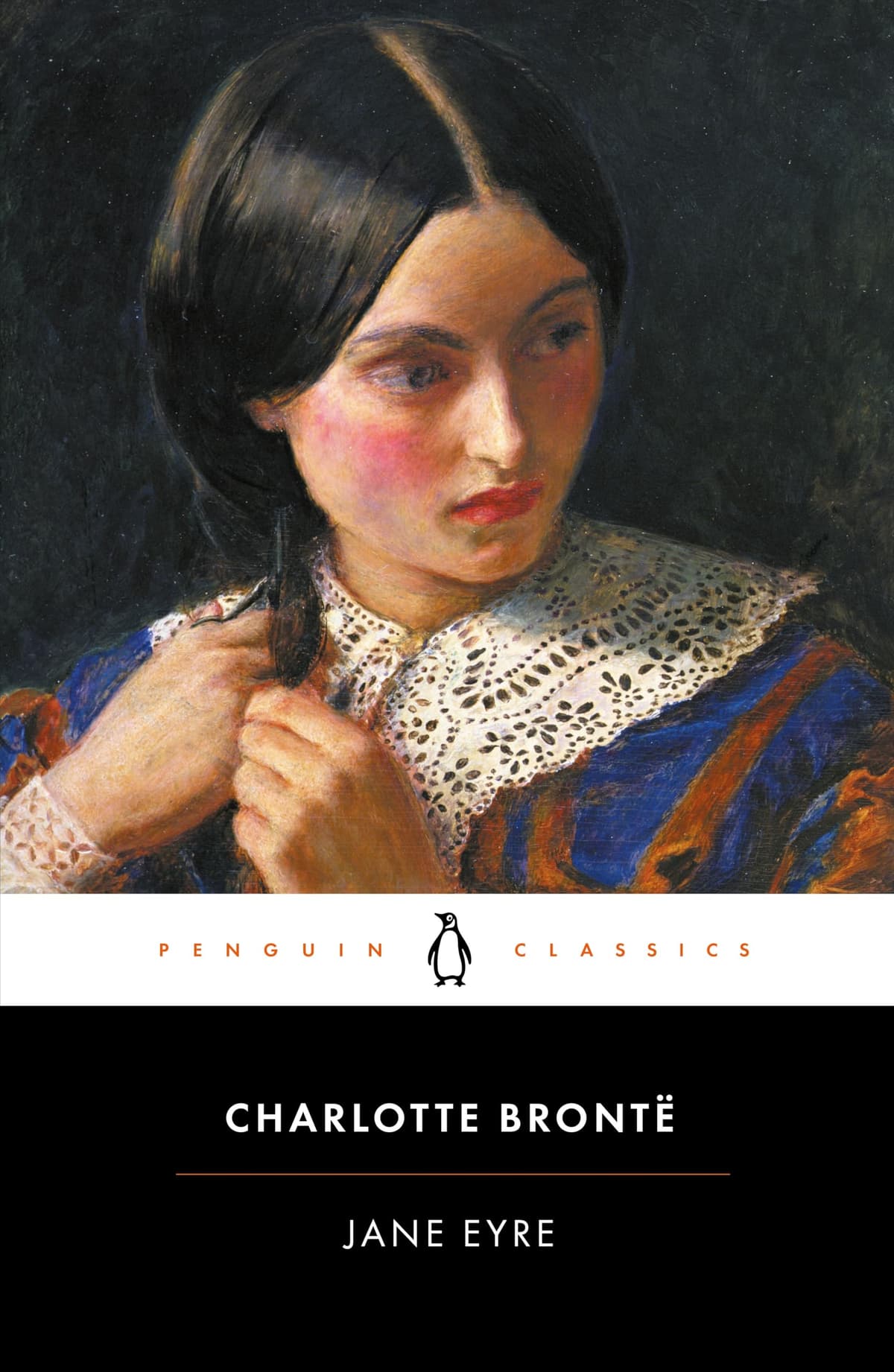 #29View Book
Jane Eyre
Charlotte Brontë
Accessible•15-20 hours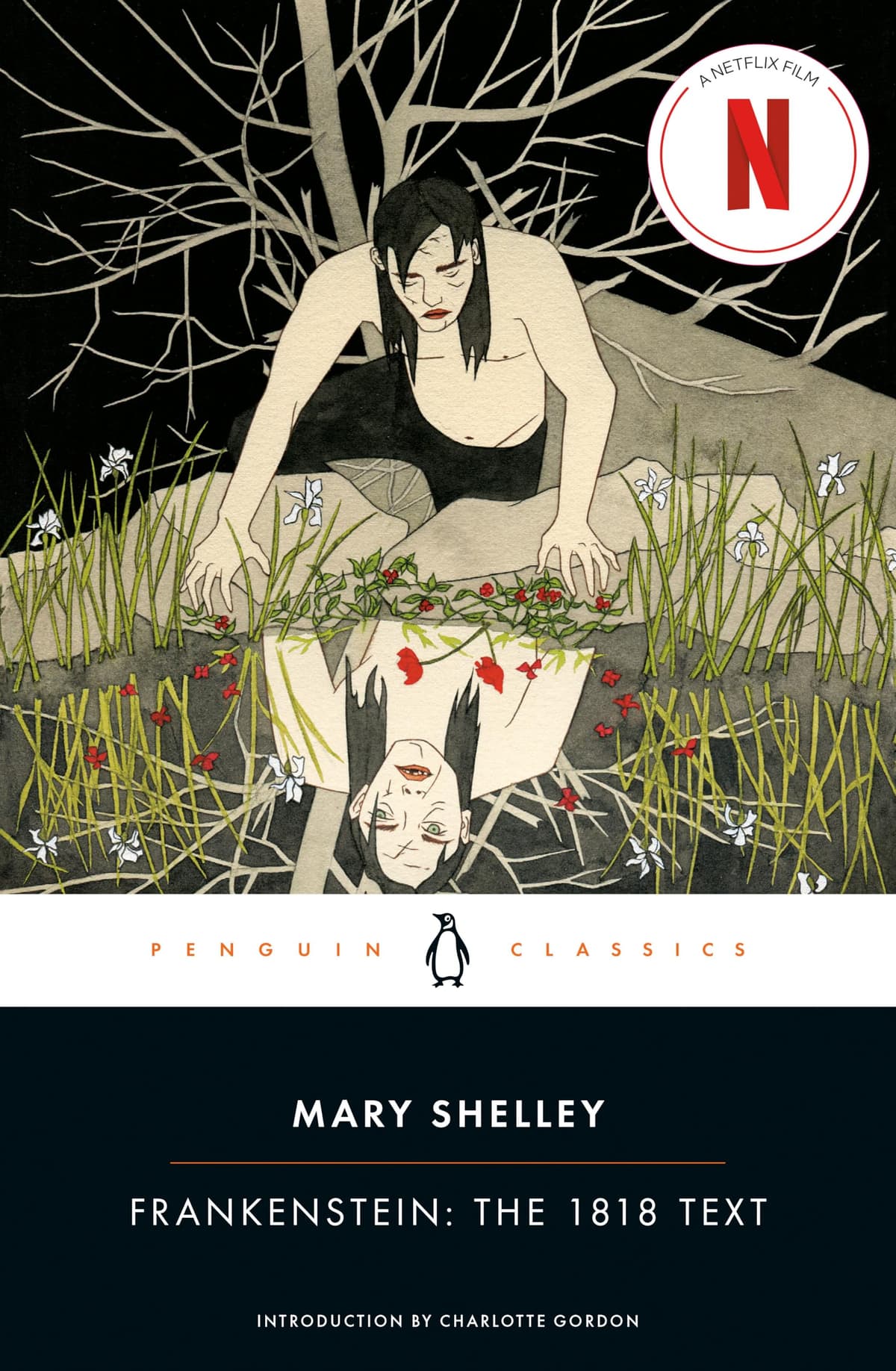 #41View Book
Frankenstein
Mary Shelley
Accessible•6-8 hours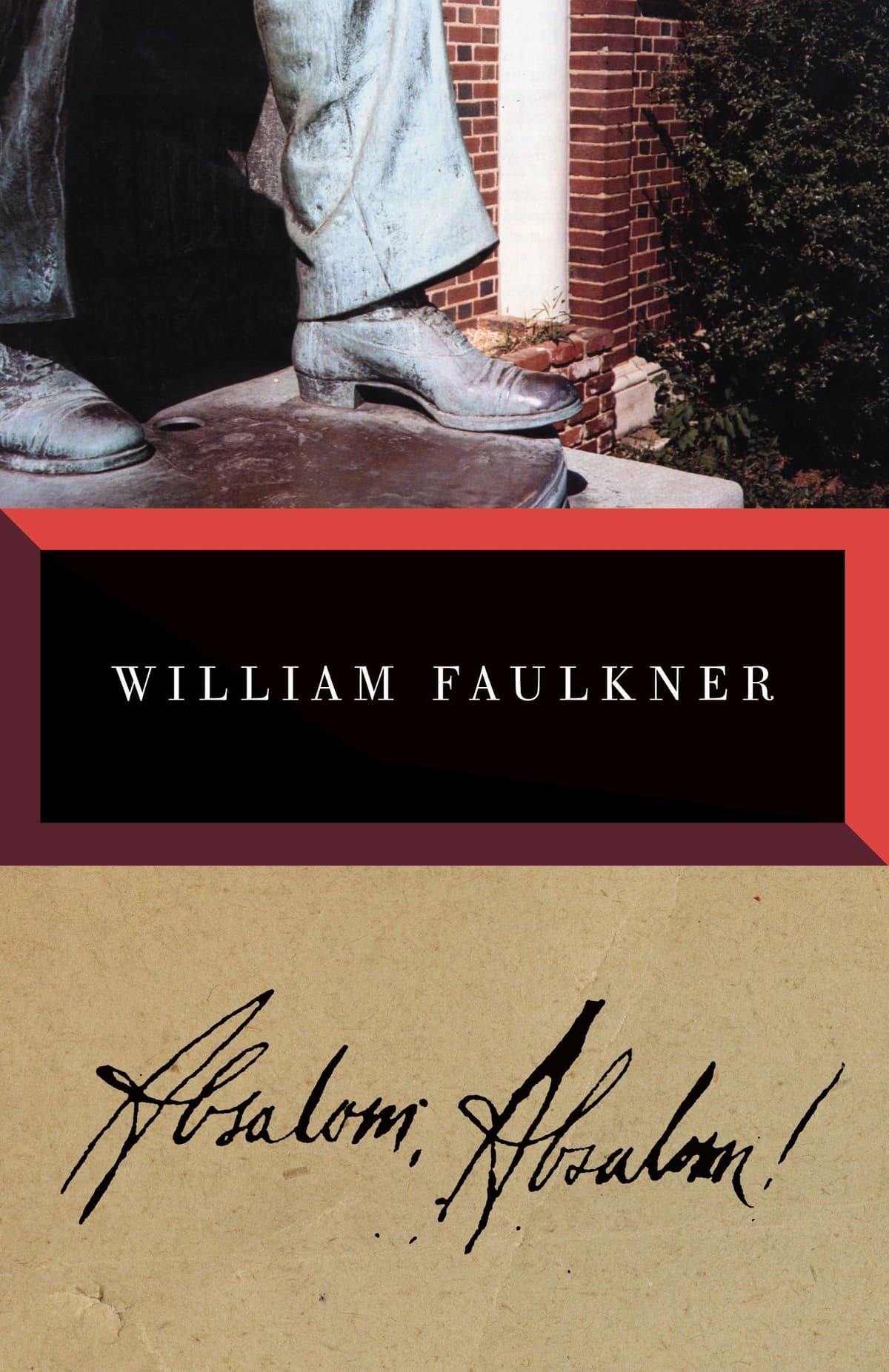 #44View Book
Absalom, Absalom!
William Faulkner
Very High•12-15 hours
Browse more collections