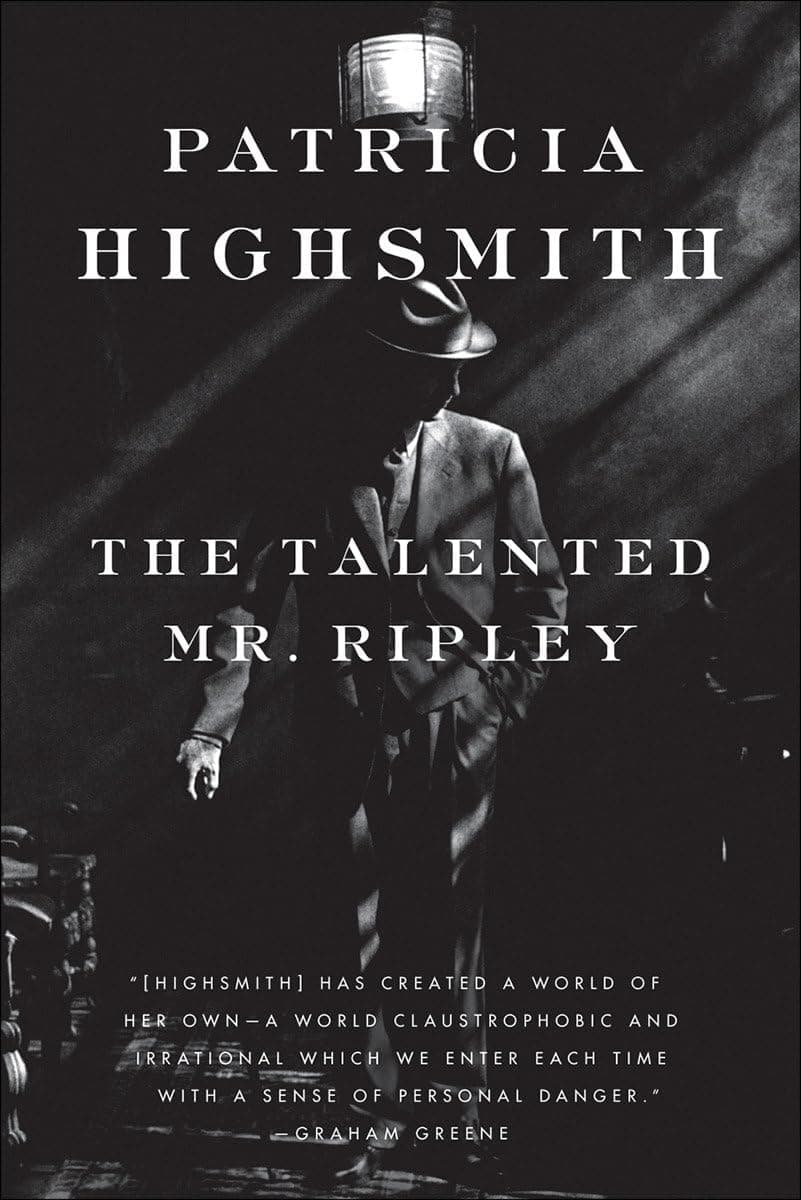
The Talented Mr. Ripley
“He had the feeling that Dickie's perception of the world around him was shallow, that he was a young man with shallow perceptions.”
The Talented Mr. Ripley Summary
Tom Ripley is a young man with no money, no prospects, and a genius for reinvention. When the wealthy Herbert Greenleaf asks him to travel to Italy and persuade his wayward son Dickie to come home, Ripley seizes the opportunity with a hunger that borders on the feral. In the sun-drenched villages of the Italian coast, he insinuates himself into Dickie's charmed life—the sailboats, the lazy lunches, the effortless glamour of expatriate wealth—and discovers that he wants not just to be near Dickie but to become him. When Dickie grows bored and tries to shake him off, Ripley commits a murder that is less an act of rage than of acquisition, and then calmly assumes his victim's identity, forging signatures, intercepting mail, and living off Dickie's trust fund.
Patricia Highsmith's masterpiece is a psychological thriller that dispenses with the comforts of moral judgment. There is no detective closing in, no guilt eating Ripley alive—only the cold, exhilarating logic of a sociopath navigating the world with terrifying competence. Highsmith forces you into Ripley's perspective so completely that you find yourself rooting for him, hoping he gets away with it, and the discomfort of that complicity is the novel's most brilliant stroke. It is a devastating exploration of class envy, identity, and the hollowness at the core of the American self-made myth.
Why Read The Talented Mr. Ripley?
No other thriller has ever made you complicit in its crimes the way this one does. Highsmith performs a magic trick with point of view—she locks you inside the mind of a murderer so skillfully that you begin to adopt his logic, fear his exposure, and celebrate his escapes. The discomfort you feel when you catch yourself hoping Tom Ripley succeeds is the whole point. This is a novel that reveals something unsettling about the reader, not just the character.
Beyond its psychological brilliance, the book is a razor-sharp examination of class, desire, and the performative nature of identity. Ripley does not merely want Dickie Greenleaf's money—he wants his ease, his confidence, his right to exist without apology. In a world obsessed with self-invention and curated personas, Highsmith's novel feels more prophetic now than it did in 1955. It will change the way you think about charm, about ambition, and about the masks we all wear to navigate the world.
About Patricia Highsmith
Patricia Highsmith (1921–1995) was an American novelist and short story writer who became one of the twentieth century's most distinctive voices in psychological fiction. Born in Fort Worth, Texas, and raised in New York, she studied English composition at Barnard College and supported herself by writing comic book scripts before publishing her first novel, Strangers on a Train, in 1950—it was adapted into a film by Alfred Hitchcock the following year. She also wrote The Price of Salt (later republished as Carol), a groundbreaking novel of lesbian romance published under a pseudonym.
Highsmith spent much of her adult life in Europe—France, England, and finally Switzerland—cultivating a reputation for misanthropy and reclusiveness that rivaled her fictional creations. She wrote five Ripley novels in total, each one deepening the portrait of her amoral, irresistible antihero. Her work, long more celebrated in Europe than in America, is now recognized as essential literature—dark, subversive, and psychologically penetrating in ways that permanently expanded the boundaries of the thriller genre.
Reading Guide
Ranked #158 among the greatest books of all time, The Talented Mr. Ripley by Patricia Highsmith has earned its place in the literary canon. Originally written in English and published in 1955, this accessible read from United States continues to resonate with readers today.
This book belongs to our Gothic & Dark and Society & Satire collections, where you can discover more books that share its spirit and themes.
If you enjoy accessible reads like this one, you might also like The Great Gatsby, The Catcher in the Rye, or Pride and Prejudice.
From the Gothic & Dark Collection
If you enjoyed The Talented Mr. Ripley, discover more masterpieces that share its spirit.
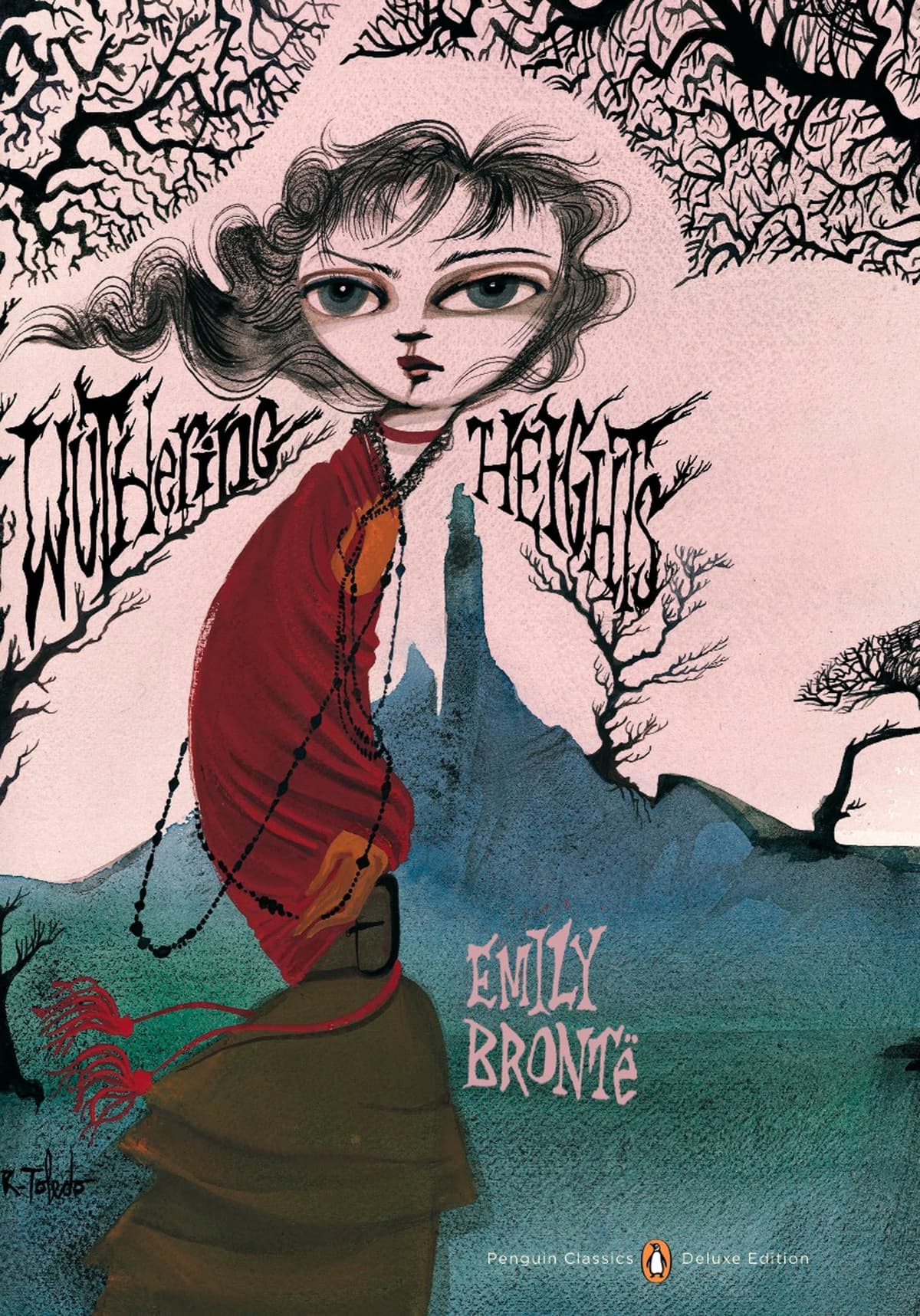 #15View Book
Wuthering Heights
Emily Brontë
Moderate•10-12 hours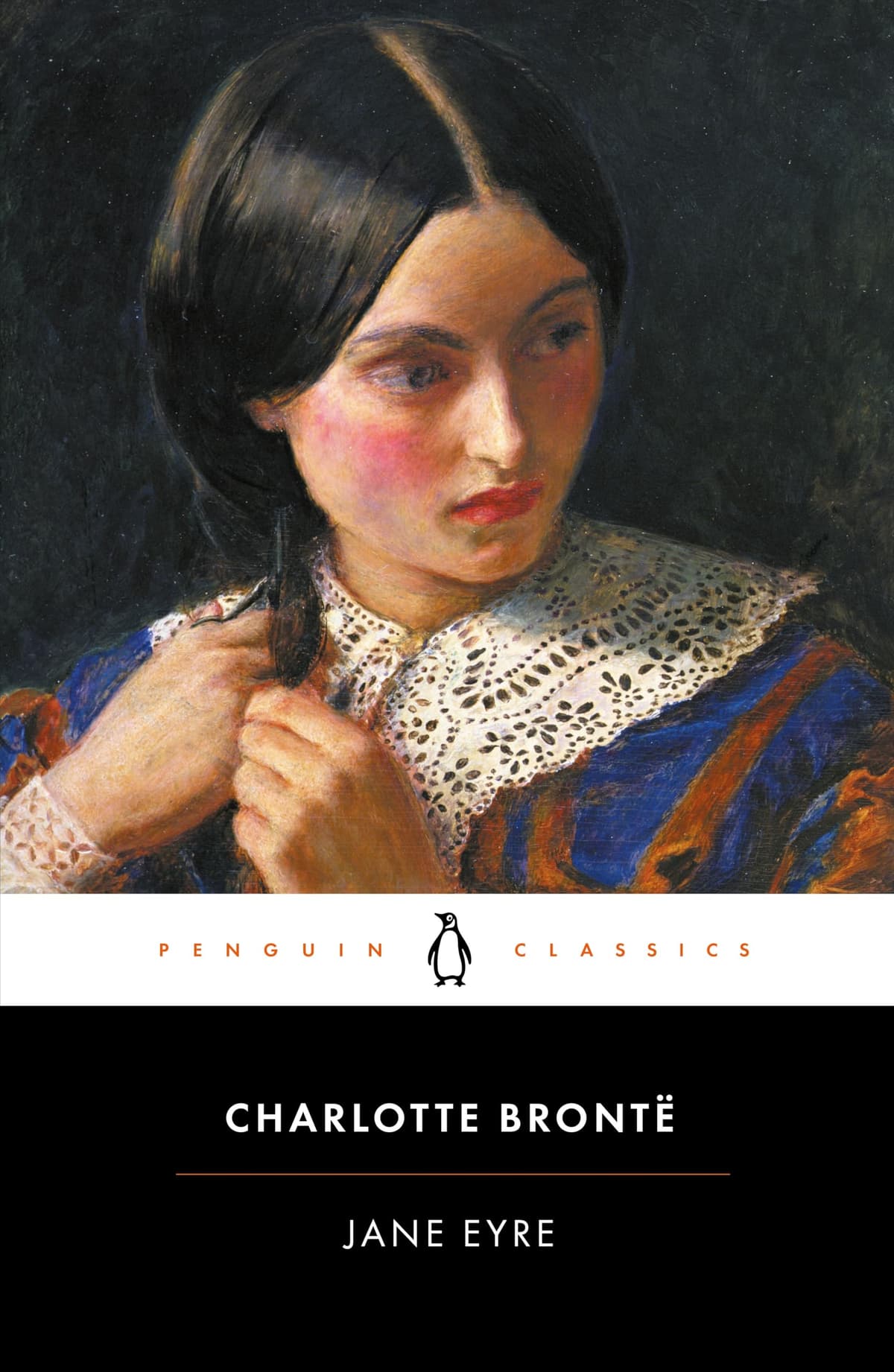 #29View Book
Jane Eyre
Charlotte Brontë
Accessible•15-20 hours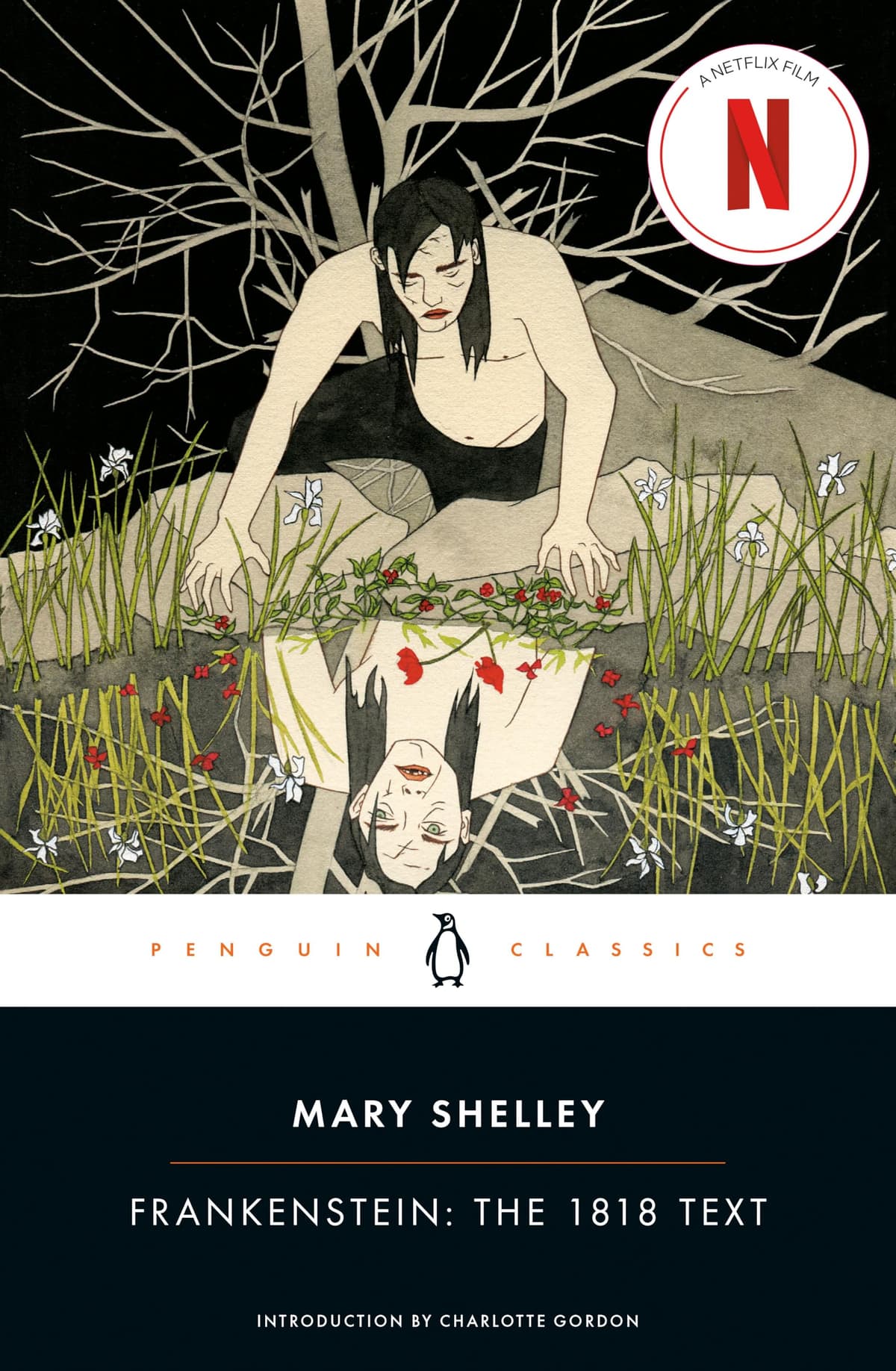 #41View Book
Frankenstein
Mary Shelley
Accessible•6-8 hours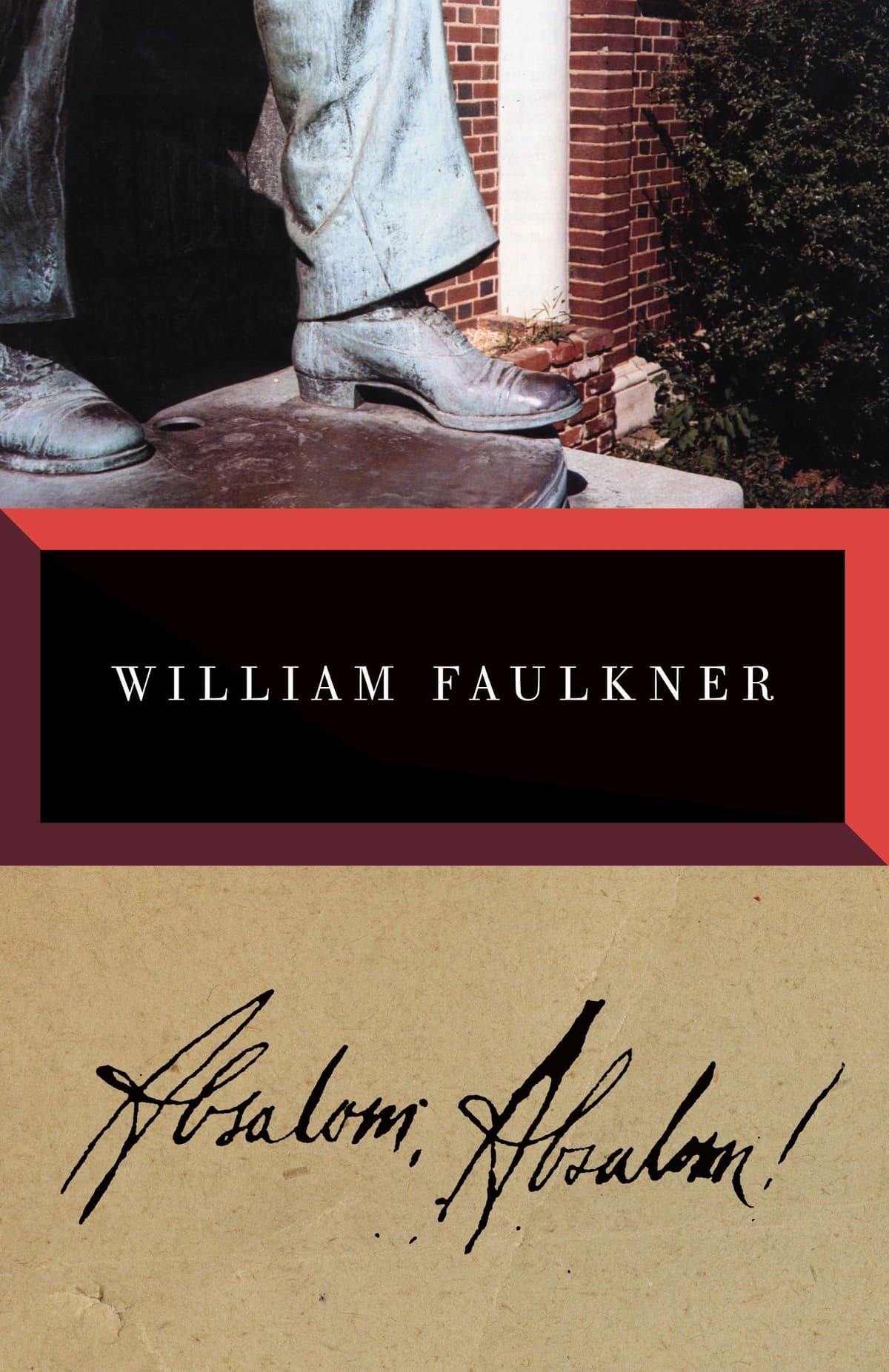 #44View Book
Absalom, Absalom!
William Faulkner
Very High•12-15 hours
Browse more collections