The Private Memoirs and Confessions of a Justified Sinner
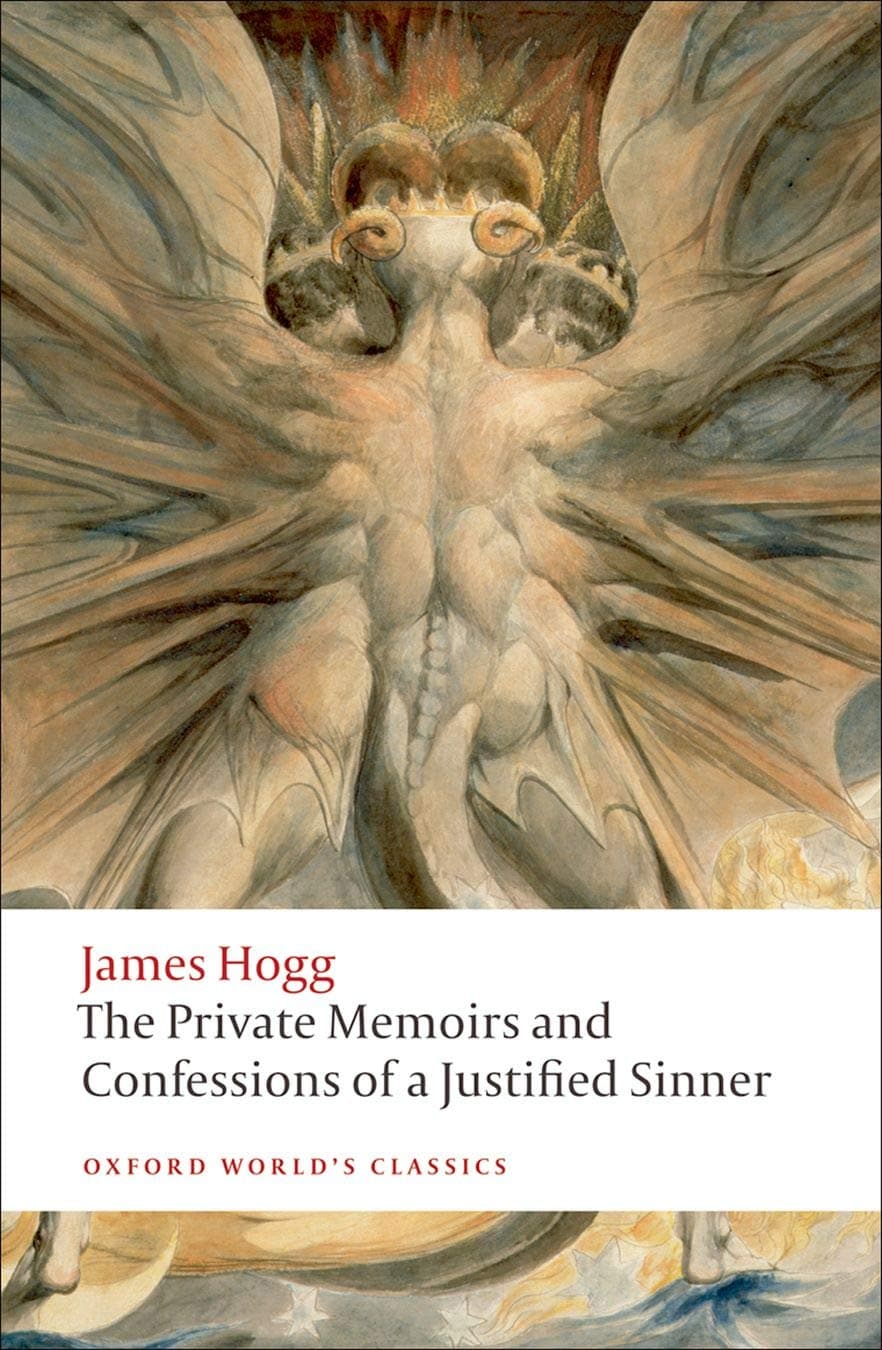
“My life has been a life of trouble and turmoil; of change and vicissitude; of anger and exultation; of sorrow and of vengeance.”
The Private Memoirs and Confessions of a Justified Sinner Summary
In early eighteenth-century Scotland, the novel presents two contradictory accounts of the life and crimes of Robert Wringhim, a young man raised in the strict Calvinist doctrine of predestined election. The first narrative, written by an unnamed editor, describes the public events: Robert's estrangement from his libertine brother George Colwan, the mysterious murder of George, and Robert's subsequent descent into depravity and eventual disappearance. The second narrative is Robert's own memoir, which reveals a far more disturbing reality. Convinced by his fanatical adoptive father and the local minister that he is one of God's elect, incapable of sin regardless of his actions, Robert encounters a charismatic stranger named Gil-Martin who can assume the appearance of any person. Gil-Martin systematically encourages Robert to commit increasingly terrible acts, including fratricide, all in the name of divine righteousness. As Robert's crimes multiply, he experiences terrifying blackouts and discovers evidence of deeds he cannot remember committing, until he can no longer distinguish between his own identity and that of his diabolical companion.
Hogg's extraordinary novel is one of the great masterpieces of Gothic and psychological fiction, a work that anticipates Dostoevsky, Stevenson, and Freud in its exploration of the divided self. The dual narrative structure is brilliantly deployed: the editor's rational account and Robert's fanatical memoir contradict each other at every turn, and the reader is left to determine whether Gil-Martin is the devil incarnate, a projection of Robert's fractured psyche, or something even more unsettling. The novel is simultaneously a savage satire of religious extremism, a chilling psychological study of self-deception, and a genuinely frightening supernatural tale. Its treatment of how absolute moral certainty can justify absolute moral horror gives it a relevance that extends far beyond its historical setting, making it one of the most modern-feeling novels of the early nineteenth century.
Why Read The Private Memoirs and Confessions of a Justified Sinner?
Published anonymously in 1824 and largely ignored for over a century, Hogg's novel is one of literature's great rediscoveries, a work so far ahead of its time that it had to wait for readers capable of appreciating its dark brilliance. The dual narrative structure, in which an editor's rational account and the sinner's own memoir tell irreconcilable versions of the same events, creates a vertiginous uncertainty that anticipates the unreliable narrators of modern fiction. Gil-Martin, the shape-shifting tempter who may be the devil or may be a projection of Robert's diseased mind, is one of the most terrifying figures in all of Gothic literature.
You will find in these pages a novel that speaks with unsettling directness to any age in which religious or ideological certainty is used to justify violence. Hogg's portrait of a man who believes himself incapable of sin, and who therefore becomes capable of any atrocity, is both a devastating critique of antinomian theology and a profound psychological study of how fanaticism destroys the self from within. The novel is also darkly, savagely funny, particularly in its depiction of Scottish religious culture and the grotesque logic of predestination. Reading it, you encounter a work that compresses the insights of Dostoevsky, Stevenson, and Kafka into barely two hundred pages of concentrated brilliance.
About James Hogg
James Hogg (1770-1835) was born in Ettrick, in the Scottish Borders, and received almost no formal education, working as a shepherd from childhood. He taught himself to read and write, and his early poetry, rooted in the oral traditions of the Borders, brought him to the attention of Sir Walter Scott, who became a literary patron and friend. Hogg moved to Edinburgh and established himself as a poet, novelist, and contributor to Blackwood's Magazine, earning the nickname "the Ettrick Shepherd." Despite his growing reputation, he struggled financially throughout his life and was often patronized by the Edinburgh literary establishment.
The Private Memoirs and Confessions of a Justified Sinner, published anonymously in 1824, received little attention during Hogg's lifetime and was largely forgotten after his death. Its rediscovery in the twentieth century, championed by Andre Gide and later scholars, transformed Hogg's reputation. The novel is now recognized as a masterpiece of Gothic fiction and one of the most important Scottish novels ever written, a work whose psychological complexity and narrative sophistication place it alongside the greatest achievements of the Romantic era. Hogg's unique perspective as a self-educated outsider to the literary establishment gave him a satirical edge and an independence of vision that distinguishes his work from that of his more celebrated contemporaries.
Reading Guide
Ranked #264 among the greatest books of all time, The Private Memoirs and Confessions of a Justified Sinner by James Hogg has earned its place in the literary canon. Originally written in English and published in 1824, this moderate read from Scotland continues to resonate with readers today.
This book belongs to our Gothic & Dark and Philosophy & Faith collections, where you can discover more books that share its spirit and themes.
If you enjoy moderate reads like this one, you might also like One Hundred Years of Solitude, Nineteen Eighty-Four, or Wuthering Heights.
From the Gothic & Dark Collection
If you enjoyed The Private Memoirs and Confessions of a Justified Sinner, discover more masterpieces that share its spirit.
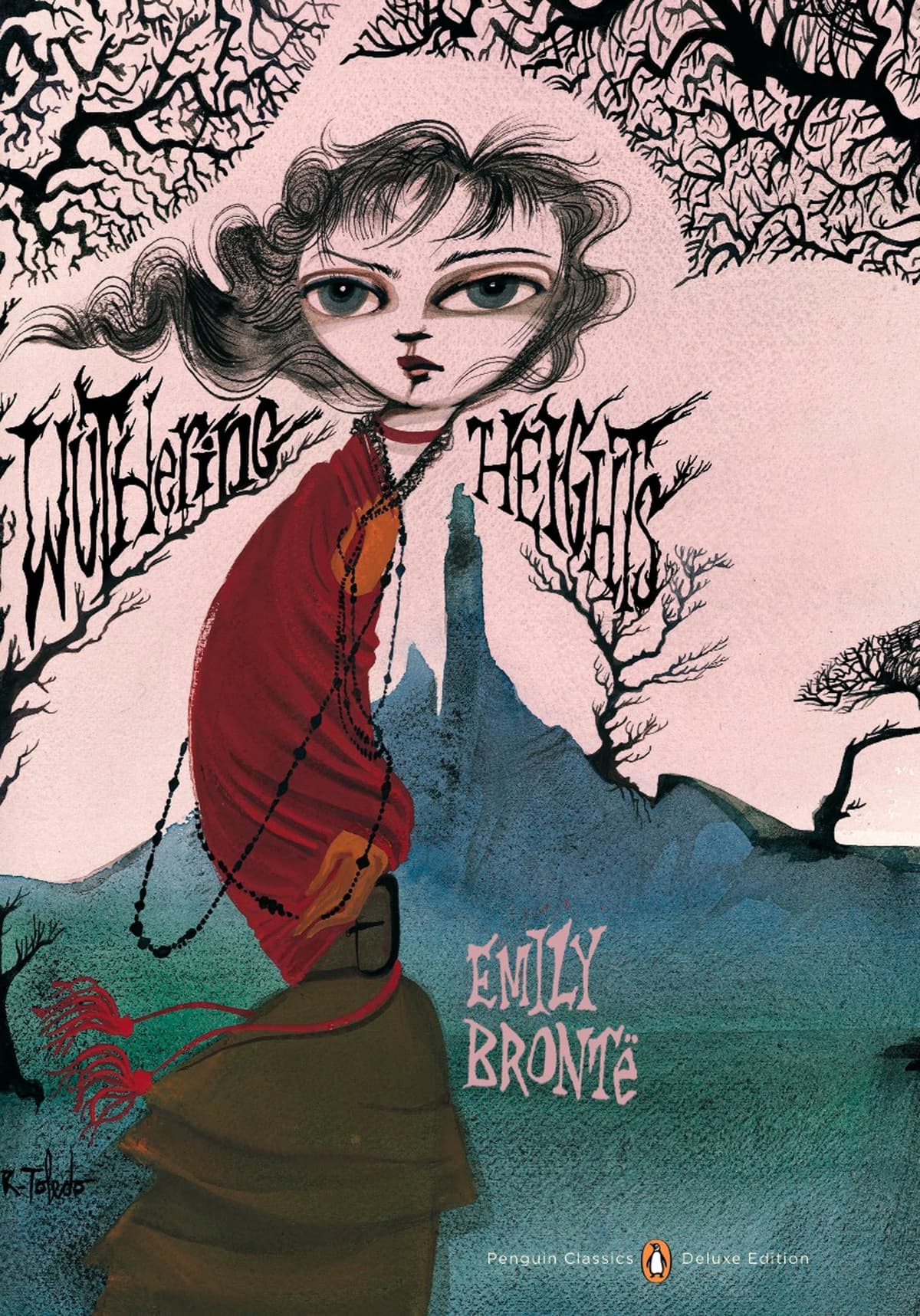 #15View Book
Wuthering Heights
Emily Brontë
Moderate•10-12 hours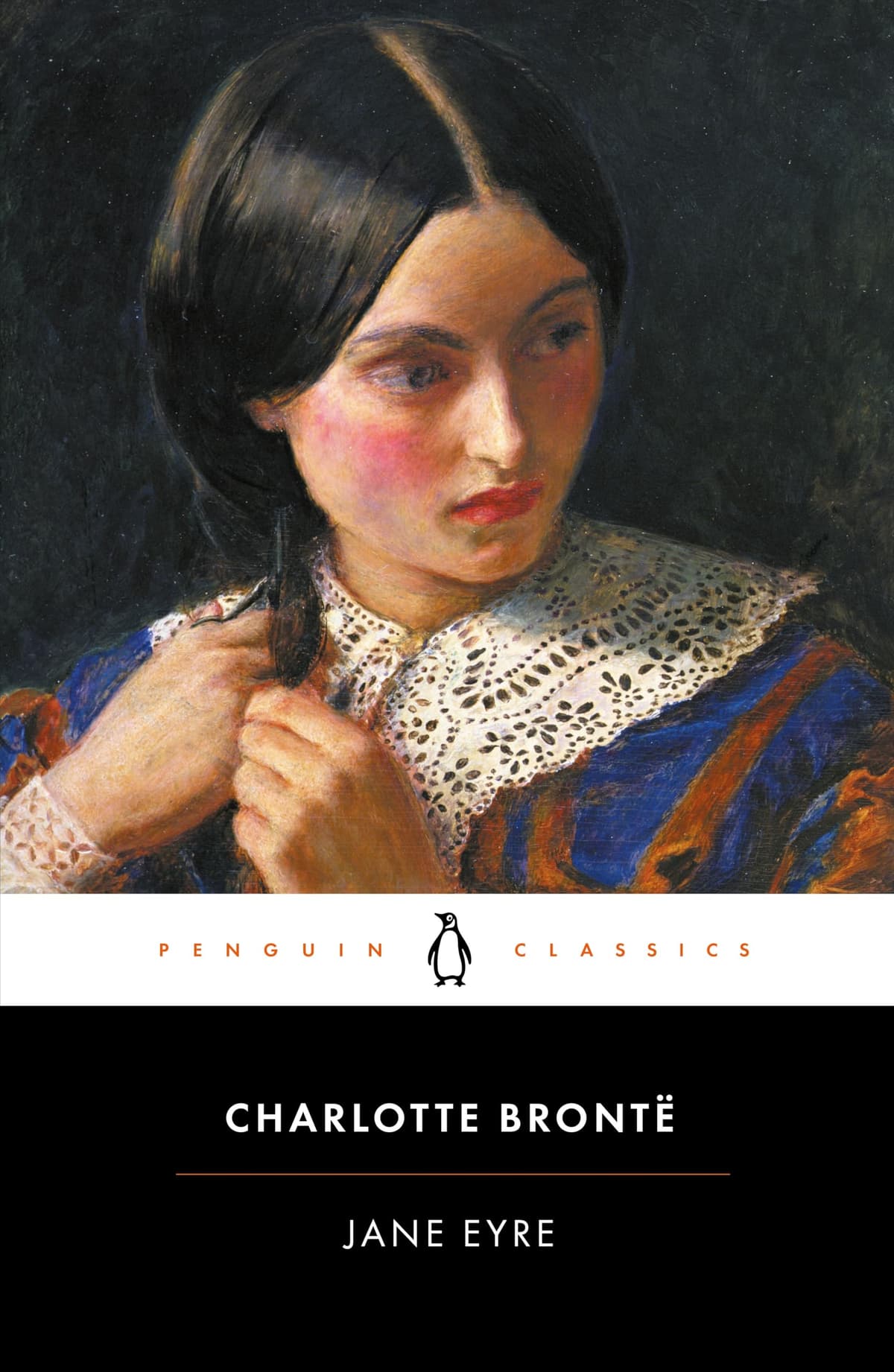 #29View Book
Jane Eyre
Charlotte Brontë
Accessible•15-20 hours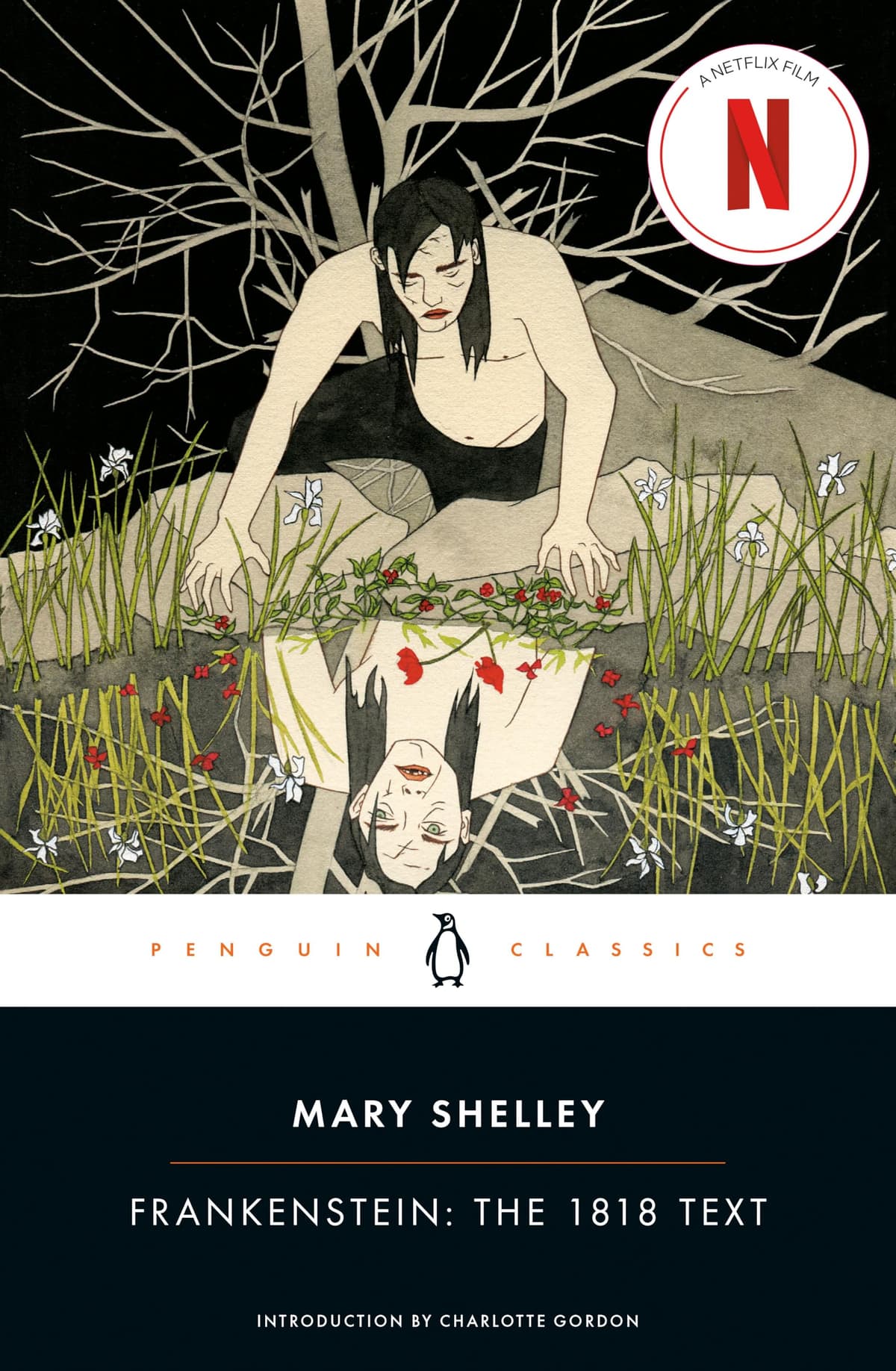 #41View Book
Frankenstein
Mary Shelley
Accessible•6-8 hours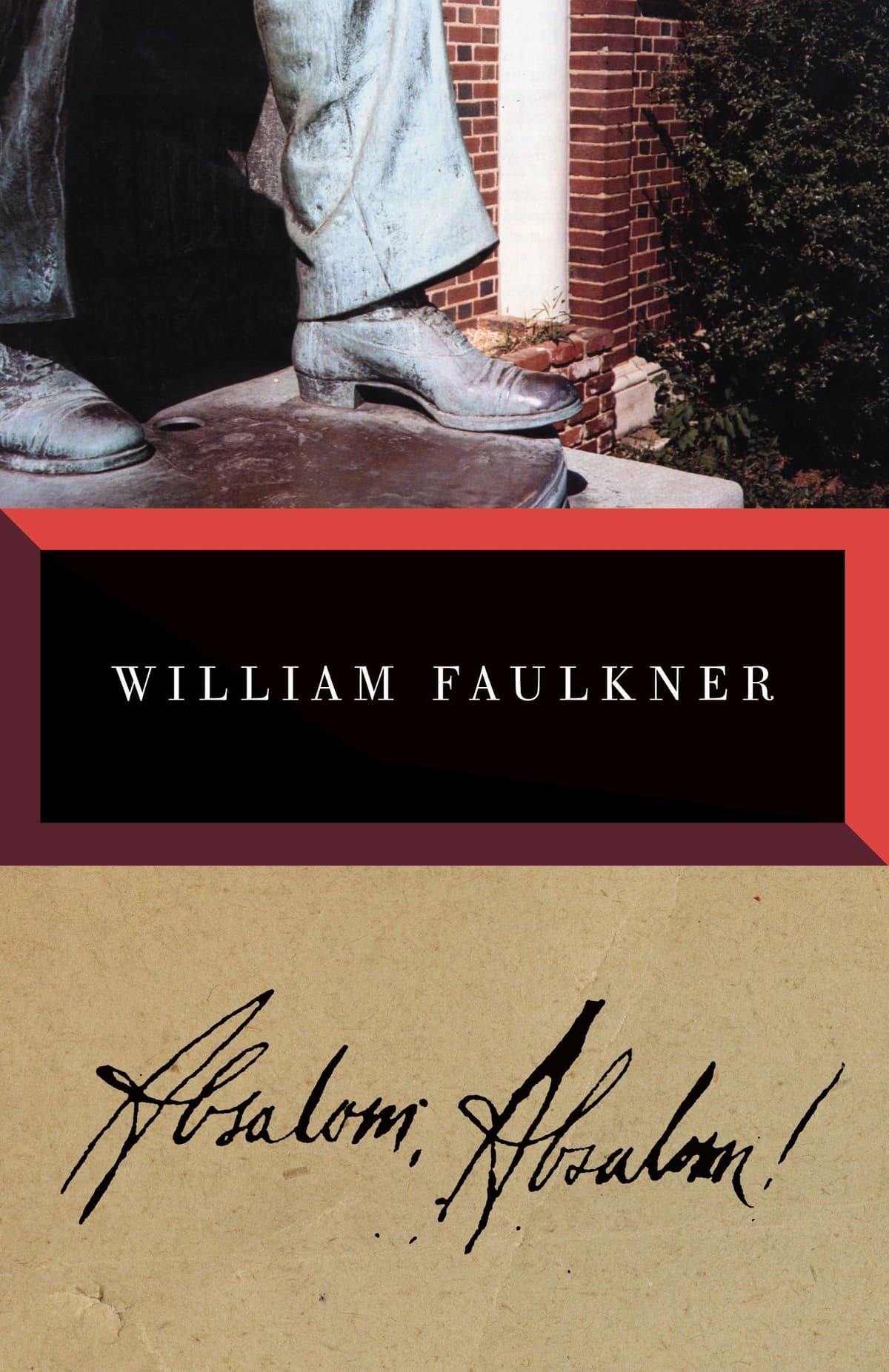 #44View Book
Absalom, Absalom!
William Faulkner
Very High•12-15 hours
Browse more collections