Gravity's Rainbow

“If they can get you asking the wrong questions, they don't have to worry about answers.”
Gravity's Rainbow Summary
In the final months of World War II, American Army Lieutenant Tyrone Slothrop discovers that the map of his sexual conquests across London corresponds exactly to the locations of subsequent V-2 rocket strikes. This impossible correlation draws the attention of a shadowy network of military intelligence operatives, behaviorist psychologists, and corporate interests who believe Slothrop may hold the key to understanding, or controlling, the rockets. As Slothrop is sent into the post-war Zone of occupied Germany to track down the mysterious Rocket 00000, the narrative fractures into hundreds of interconnected storylines spanning continents and decades. We encounter Pointsman, a Pavlovian scientist obsessed with stimulus and response; Enzian, the leader of a displaced Herero tribe seeking to assemble their own rocket; Roger Mexico, a statistician in love with a psychic named Jessica; and dozens more characters caught in webs of conspiracy, desire, and entropy. Slothrop himself gradually disintegrates, scattering across the Zone until he becomes more rumor than person.
Pynchon's colossal novel is the supreme literary expression of postmodern paranoia, a book in which every connection might be meaningful and every pattern might be coincidence. The V-2 rocket serves as the novel's master symbol: a parabolic arc linking wartime destruction to peacetime technology, Calvinist predestination to behavioral conditioning, death to desire. The prose moves between registers with dizzying fluency, encompassing bawdy musical numbers, hallucinatory drug sequences, dense technical passages about rocketry and organic chemistry, tender love scenes, and slapstick comedy. Gravity's Rainbow argues that the modern world is governed by vast, inhuman systems, military-industrial complexes, multinational corporations, and bureaucratic apparatuses, that reduce human beings to interchangeable components. Its vision is bleak but never despairing, shot through with moments of grace, absurdity, and anarchic joy that insist on the irreducibility of human experience.
Why Read Gravity's Rainbow?
Gravity's Rainbow is one of those rare novels that permanently alters the landscape of literature. Published in 1973, it remains the most ambitious and uncompromising work of postmodern American fiction, a book that takes the entirety of the twentieth century's technological nightmares as its subject and fashions from them a work of terrifying beauty. Pynchon's prose is endlessly inventive, shifting from lyrical meditation to scatological farce to genuine pathos within a single page, and his command of technical, historical, and scientific material is staggering.
You should be prepared: this is not an easy read. The novel's hundreds of characters, labyrinthine plot threads, and refusal to provide conventional resolution demand active engagement and a tolerance for uncertainty. But the rewards are proportional to the difficulty. Reading Gravity's Rainbow, you experience a vision of the modern world so comprehensive and so disturbingly plausible that it changes the way you understand power, technology, and the invisible systems that shape your life. You will also encounter some of the funniest, most moving, and most beautifully written passages in all of American fiction, moments of human connection that shine all the brighter against the darkness Pynchon so relentlessly illuminates.
About Thomas Pynchon
Thomas Pynchon (born 1937) grew up in Glen Cove, Long Island, New York, and studied engineering physics at Cornell University, where he was reportedly influenced by Vladimir Nabokov's literature lectures. He served in the United States Navy before publishing his first novel, V., in 1963, which won the William Faulkner Foundation Award. His second novel, The Crying of Lot 49, appeared in 1966. Gravity's Rainbow, published in 1973, was unanimously recommended for the Pulitzer Prize by the fiction jury, but the advisory board overruled them, and no fiction prize was awarded that year.
Pynchon is one of the most reclusive major authors in American literary history, having avoided public appearances and photographs for decades. His subsequent novels include Mason & Dixon, Against the Day, and Inherent Vice, the last of which was adapted into a film by Paul Thomas Anderson. He received the National Book Award for Gravity's Rainbow in 1974 and was awarded a MacArthur Fellowship in 1988. His influence on contemporary fiction is vast, extending through writers as diverse as Don DeLillo, David Foster Wallace, and Zadie Smith. Gravity's Rainbow is widely regarded as one of the most important American novels of the twentieth century and a defining work of postmodernist literature.
Reading Guide
Ranked #263 among the greatest books of all time, Gravity's Rainbow by Thomas Pynchon has earned its place in the literary canon. Originally written in English and published in 1973, this very high read from United States continues to resonate with readers today.
This book belongs to our Modern Mind and American Spirit collections, where you can discover more books that share its spirit and themes.
If you enjoy very high reads like this one, you might also like The Sound and the Fury, War and Peace, or The Brothers Karamazov.
From the Modern Mind Collection
If you enjoyed Gravity's Rainbow, discover more masterpieces that share its spirit.
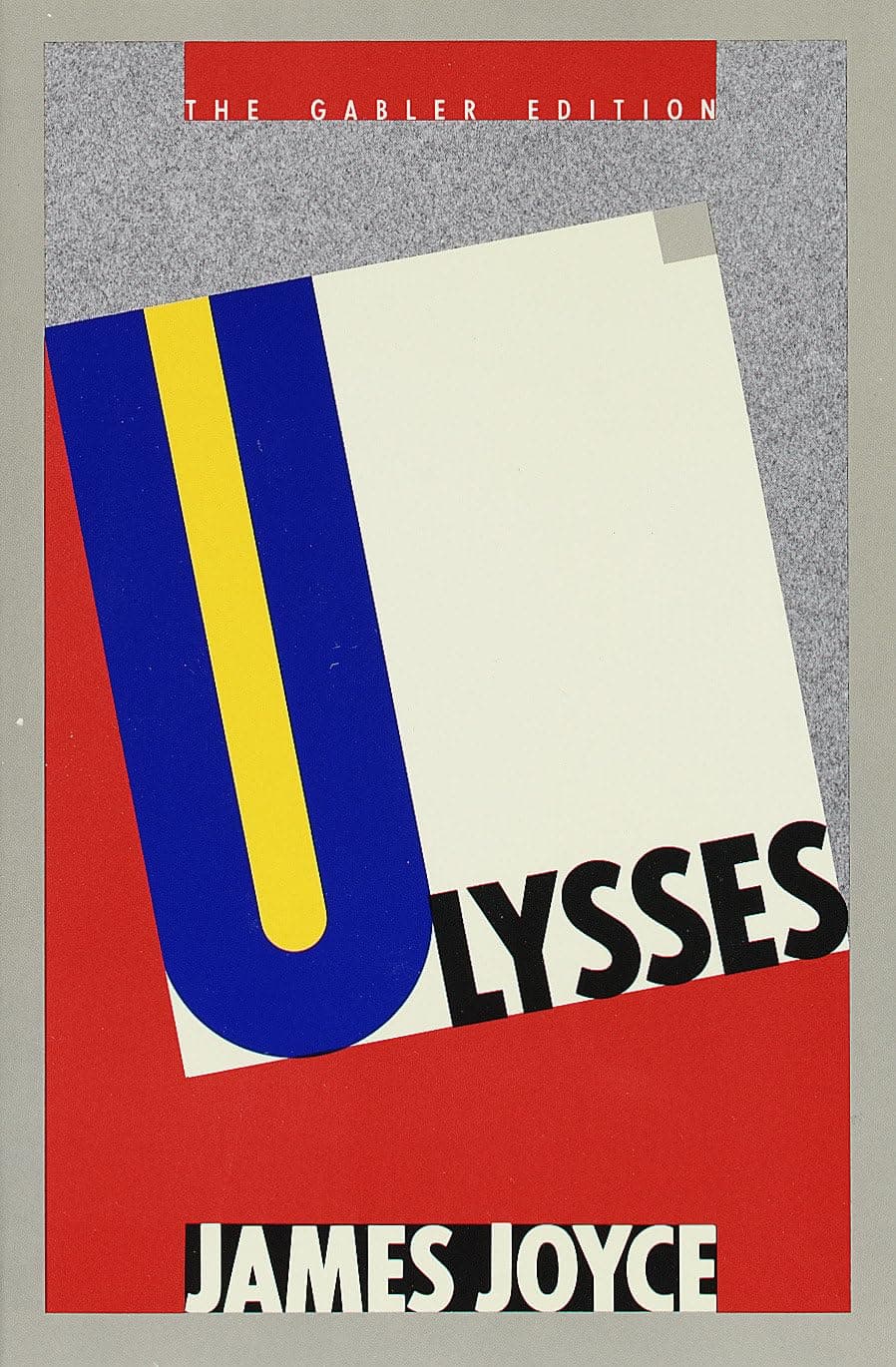 #1View Book
Ulysses
James Joyce
Challenging•35-40 hours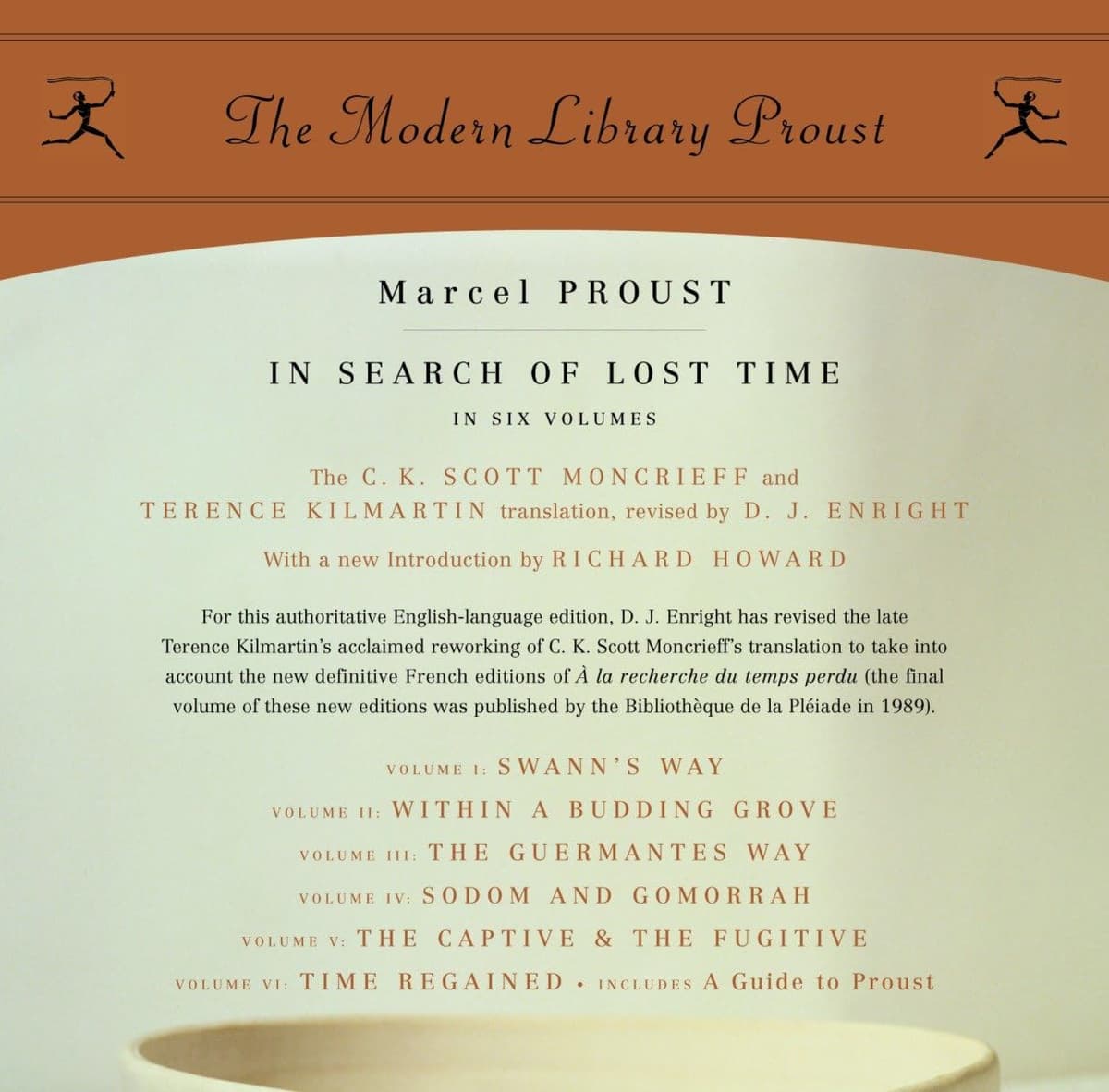 #2View Book
In Search of Lost Time
Marcel Proust
High•100+ hours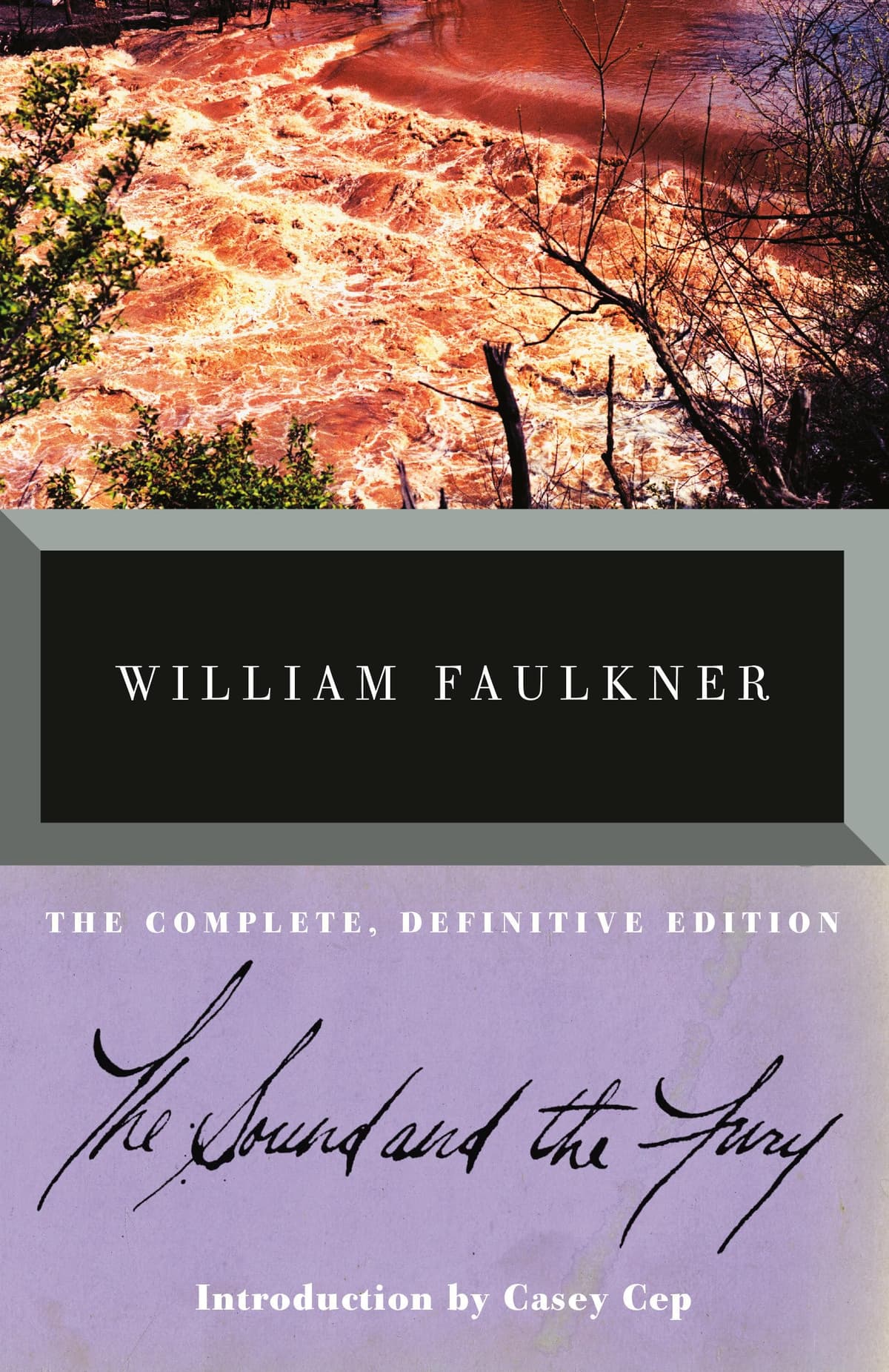 #8View Book
The Sound and the Fury
William Faulkner
Very High•12-15 hours #13View Book
Lolita
Vladimir Nabokov
Challenging•12-15 hours
Browse more collections