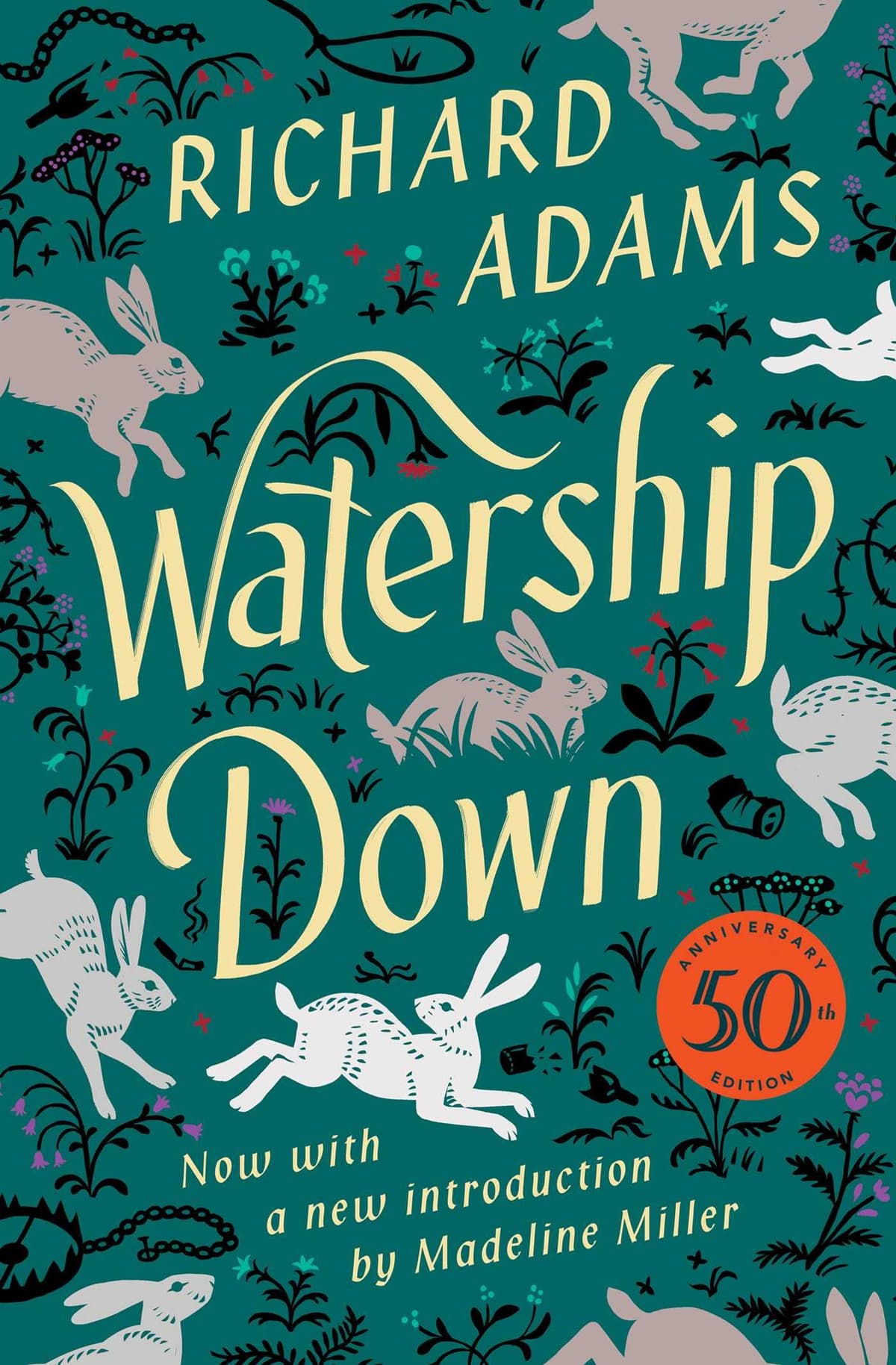
A House for Mr. Biswas
“How terrible it would have been, at this time, to be without it: to have died among the Tulsis, amid the squalor of that overcrowded, barrack-like house.”
A House for Mr. Biswas Summary
Mohun Biswas is born with an extra finger and under inauspicious signs in rural Trinidad, beginning a life defined by displacement and frustrated ambition. Trapped by poverty and the rigid hierarchies of the island's Hindu community, he drifts through a series of humiliating dependencies, eventually marrying Shama Tulsi and being absorbed into the sprawling, domineering Tulsi household, presided over by the formidable Mrs. Tulsi and her sons-in-law. Mr. Biswas chafes against his position as a barely tolerated appendage to this clan, trying his hand at sign-painting, shopkeeping, and eventually journalism for the Trinidad Sentinel, all while nursing his consuming dream of owning a house of his own. Each attempt to build or acquire a house ends in failure or farce: one burns down, another is destroyed by a storm, another proves uninhabitable. His relationship with Shama oscillates between tenderness and bitter resentment, and his children become both his greatest hope and a source of anxiety about whether he can provide for them.
Naipaul's masterpiece is at once a richly comic portrait of colonial Trinidadian society and a deeply moving chronicle of one man's lifelong struggle for autonomy and dignity. The house that Mr. Biswas finally obtains, mortgaged and flawed though it is, becomes a powerful symbol of selfhood in a world that conspires to deny it. Naipaul renders the textures of Trinidadian life, the Hindu rituals, the Creole speech patterns, the layered colonial hierarchies, with anthropological precision and novelistic warmth. The novel's scope is Dickensian in its ambition, spanning an entire life and a vast cast of characters, while its emotional core is intensely personal, drawing on Naipaul's own father's struggles as a journalist in Trinidad. A House for Mr. Biswas is one of the great novels about the universal human desire for a place to call one's own.
Why Read A House for Mr. Biswas?
A House for Mr. Biswas transforms an apparently small story, one man's desire to own a house, into something epic and universal. Naipaul writes with a precision that captures the textures of mid-century Trinidad in extraordinary detail: the hierarchies within an extended Hindu family, the petty cruelties and unexpected kindnesses of communal living, the absurd collision of colonial institutions with local realities. Mr. Biswas himself is one of literature's great comic-pathetic heroes, a man whose ambitions perpetually outstrip his circumstances but whose refusal to surrender his sense of self is genuinely heroic.
You will find in these pages a novel that speaks directly to anyone who has ever felt trapped by family obligations, limited by economic circumstances, or driven by a dream that others find laughable. Naipaul's portrait of the Tulsi household is one of the most fully realized depictions of an extended family in all of fiction, comic and claustrophobic in equal measure. Reading it, you gain both a vivid understanding of the colonial Caribbean and a profound meditation on what it means to claim a space of your own in a world that would prefer you remain dependent. The novel's final pages, which reveal the fate of Mr. Biswas's hard-won house, achieve a pathos that ranks with the greatest endings in literature.
About V. S. Naipaul
Vidiadhar Surajprasad Naipaul (1932-2018) was born in Chaguanas, Trinidad, to a family of Indian descent. His father, Seepersad Naipaul, was a journalist and aspiring writer whose frustrated literary ambitions deeply influenced his son and provided the direct inspiration for A House for Mr. Biswas. Naipaul won a scholarship to University College, Oxford, in 1950 and settled permanently in England, though the Caribbean and the developing world remained central subjects of his fiction and nonfiction throughout his career. He published over thirty books, including the novels The Mystic Masseur, A Bend in the River, and The Enigma of Arrival.
Naipaul was awarded the Nobel Prize in Literature in 2001 for works that compelled the reader to see the presence of suppressed histories. He also received the Booker Prize for In a Free State in 1971 and was knighted in 1990. His work is celebrated for its unsparing honesty and crystalline prose, though his personal views on postcolonial societies generated persistent controversy. A House for Mr. Biswas, published in 1961, is widely regarded as his finest achievement and one of the most important novels of the twentieth century, a work that gave literary voice to the colonial experience with unprecedented depth and complexity.
Reading Guide
Ranked #262 among the greatest books of all time, A House for Mr. Biswas by V. S. Naipaul has earned its place in the literary canon. Originally written in English and published in 1961, this moderate read from Trinidad and Tobago continues to resonate with readers today.
This book belongs to our Society & Satire collection, where you can discover more books that share its spirit and themes.
If you enjoy moderate reads like this one, you might also like One Hundred Years of Solitude, Nineteen Eighty-Four, or Wuthering Heights.
From the Society & Satire Collection
If you enjoyed A House for Mr. Biswas, discover more masterpieces that share its spirit.
 #9View Book
Don Quixote
Miguel de Cervantes
High•35-40 hours #12View Book
Pride and Prejudice
Jane Austen
Accessible•10-12 hours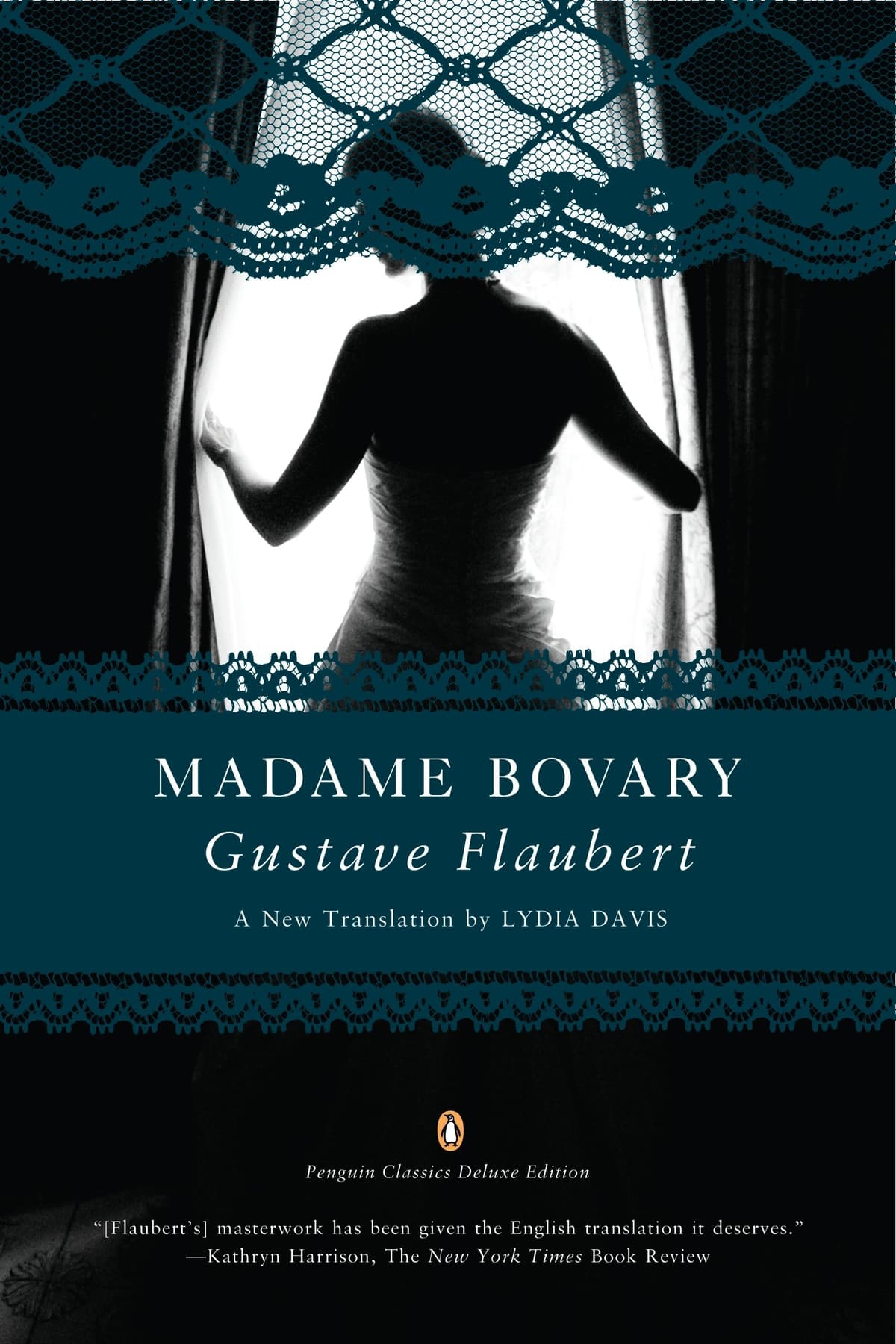 #22View Book
Madame Bovary
Gustave Flaubert
Moderate•12-15 hours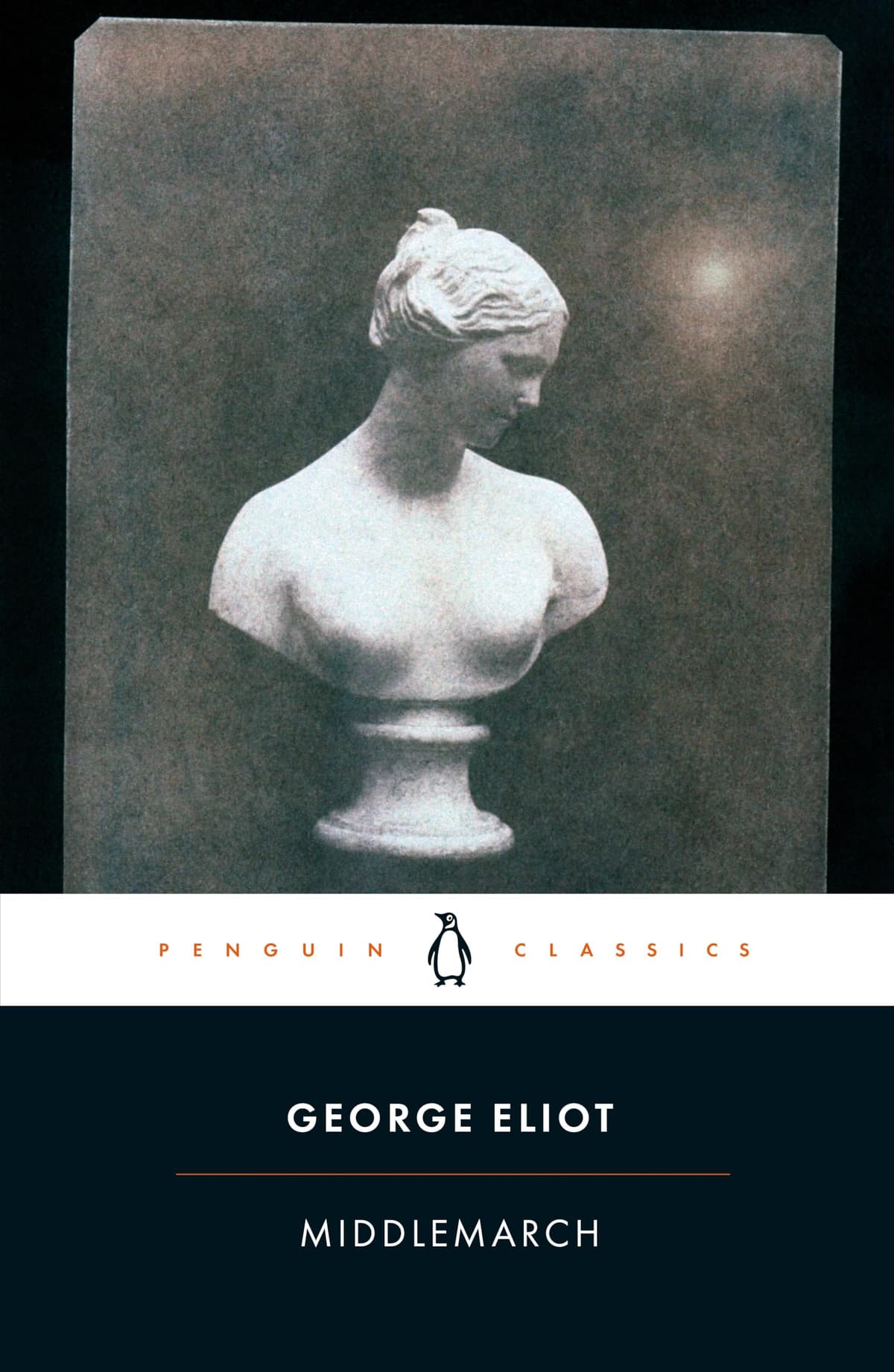 #30View Book
Middlemarch
George Eliot
High•30-35 hours
Browse more collections