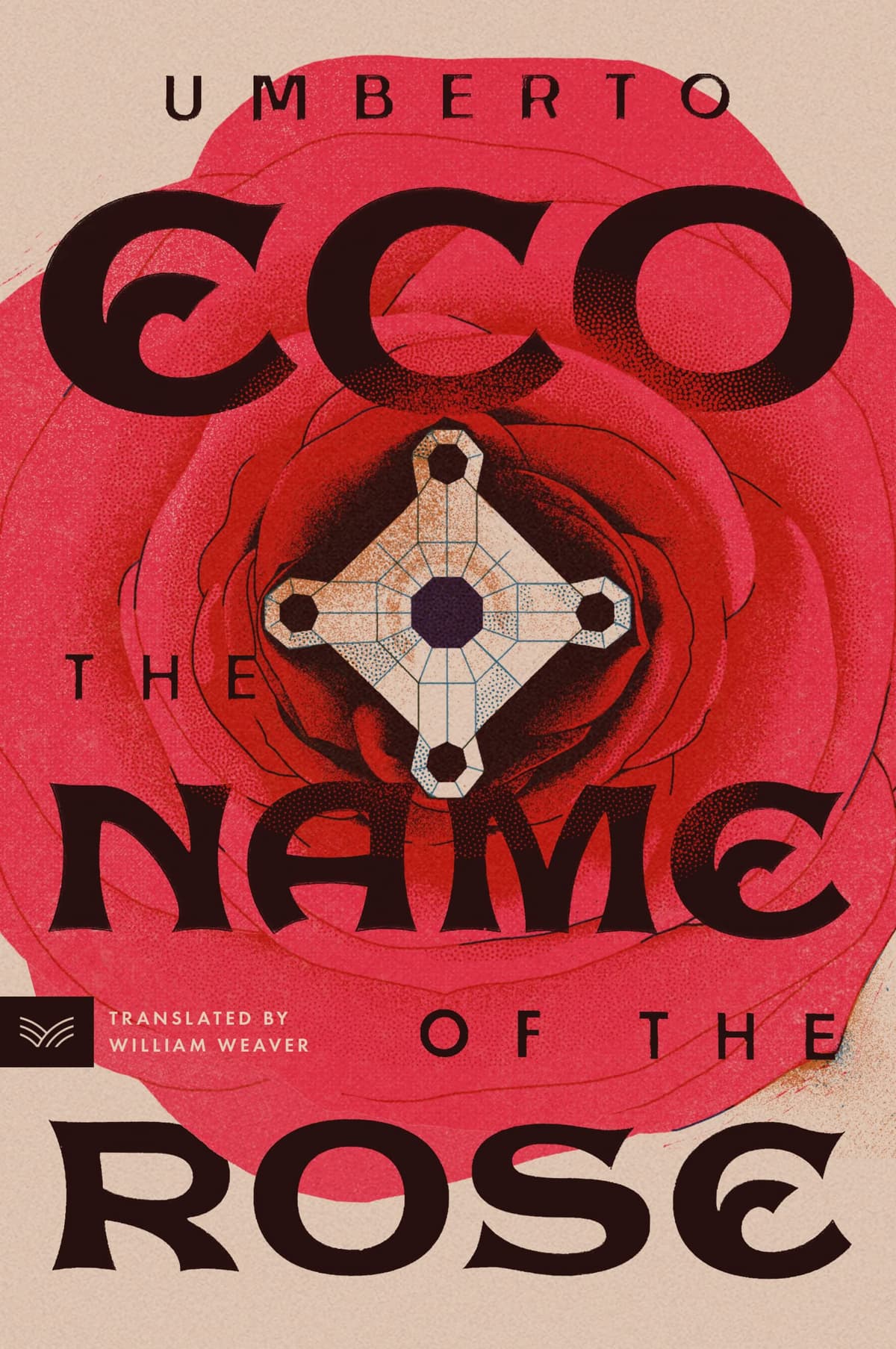
The Name of the Rose
“Books are not made to be believed, but to be subjected to inquiry.”
The Name of the Rose Summary
In November 1327, the Franciscan friar William of Baskerville and his young apprentice Adso of Melk arrive at a wealthy Benedictine abbey in northern Italy. They have come for a theological debate, but what they find is a series of bizarre murders. Monks are dying in ways that seem to follow the pattern of the Book of Revelation, and the abbey's labyrinthine library—the greatest in Christendom—holds a secret that someone is willing to kill to protect.
Umberto Eco's debut novel is a murder mystery wrapped in a philosophical treatise wrapped in a love letter to books. The labyrinth is both literal and metaphorical: every corridor leads to another question about the nature of truth, laughter, heresy, and the terrifying power of knowledge. William, modeled on Sherlock Holmes and William of Ockham in equal measure, applies reason to a world governed by superstition, and what he uncovers is more disturbing than any supernatural explanation.
Why Read The Name of the Rose?
The Name of the Rose is that rarest of things: an intellectually demanding novel that is also a compulsive page-turner. Eco, a professor of semiotics, packed his debut with medieval theology, Aristotelian philosophy, and debates about the poverty of Christ—and somehow made it all thrilling. The mystery at the heart of the labyrinthine library is genuinely gripping, and the solution is both unexpected and philosophically devastating.
But the novel's deepest subject is the relationship between knowledge and power. The monks who guard the library believe that certain books are too dangerous to be read, that laughter is the enemy of faith, that truth must be controlled. William of Baskerville believes the opposite—that fear of knowledge is the true heresy. In an age of information warfare and censorship, Eco's novel feels more urgent than ever. It is a thriller for people who love ideas.
About Umberto Eco
Umberto Eco (1932–2016) was an Italian semiotician, philosopher, and cultural critic who became one of the most celebrated novelists of the twentieth century. A professor at the University of Bologna for decades, he wrote influential academic works on semiotics, aesthetics, and medieval philosophy before turning to fiction at the age of forty-eight.
The Name of the Rose became a global phenomenon, selling over fifty million copies and proving that readers hungered for intellectually ambitious fiction. Eco went on to write six more novels, including Foucault's Pendulum and The Prague Cemetery, each a dazzling blend of erudition and narrative suspense. He remained, until his death, one of Europe's foremost public intellectuals.
Reading Guide
Ranked #119 among the greatest books of all time, The Name of the Rose by Umberto Eco has earned its place in the literary canon. Originally written in Italian and published in 1980, this challenging read from Italy continues to resonate with readers today.
This book belongs to our Gothic & Dark and Philosophy & Faith collections, where you can discover more books that share its spirit and themes.
If you enjoy challenging reads like this one, you might also like Ulysses, Moby-Dick, or Lolita.
From the Gothic & Dark Collection
If you enjoyed The Name of the Rose, discover more masterpieces that share its spirit.
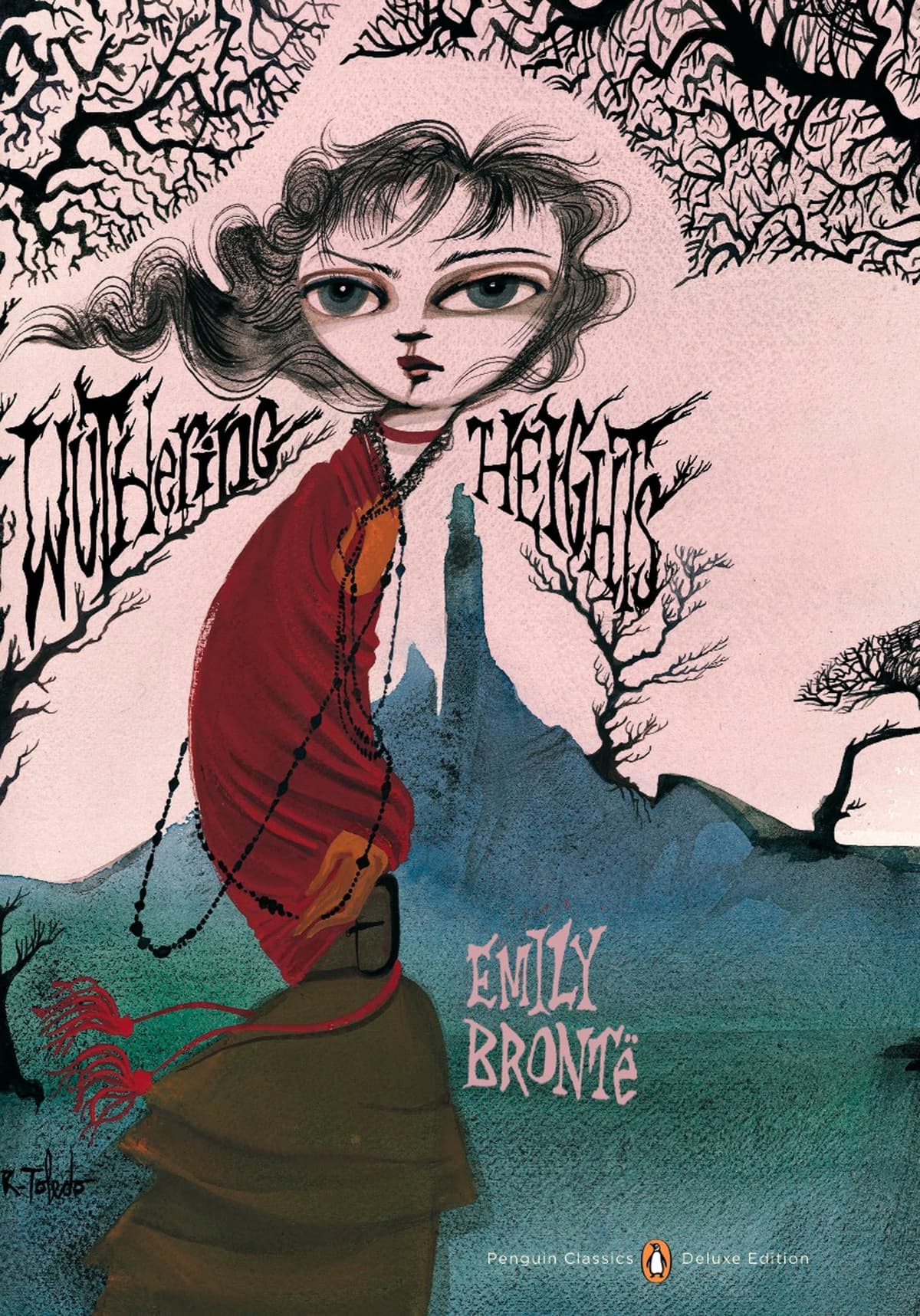 #15View Book
Wuthering Heights
Emily Brontë
Moderate•10-12 hours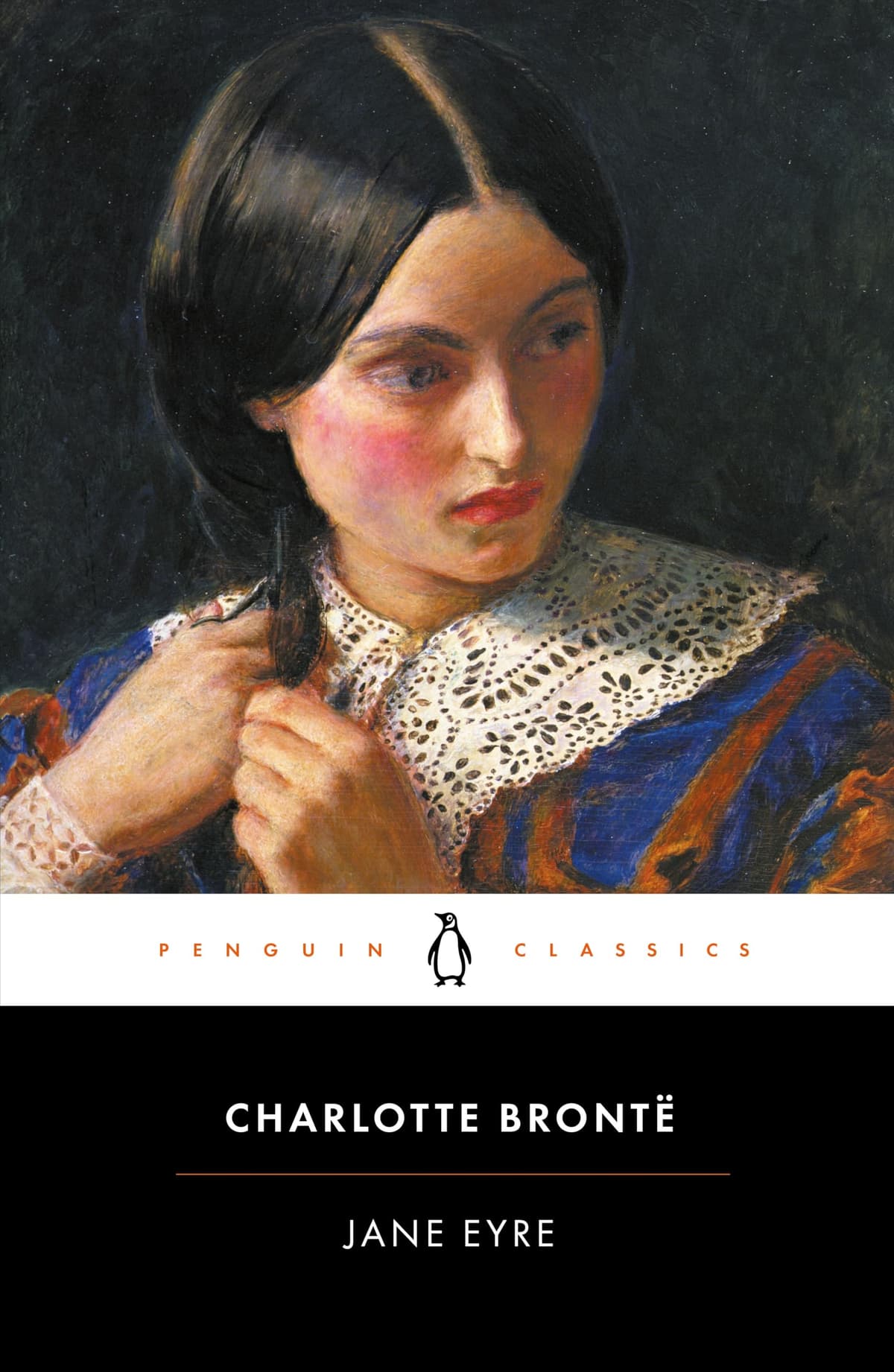 #29View Book
Jane Eyre
Charlotte Brontë
Accessible•15-20 hours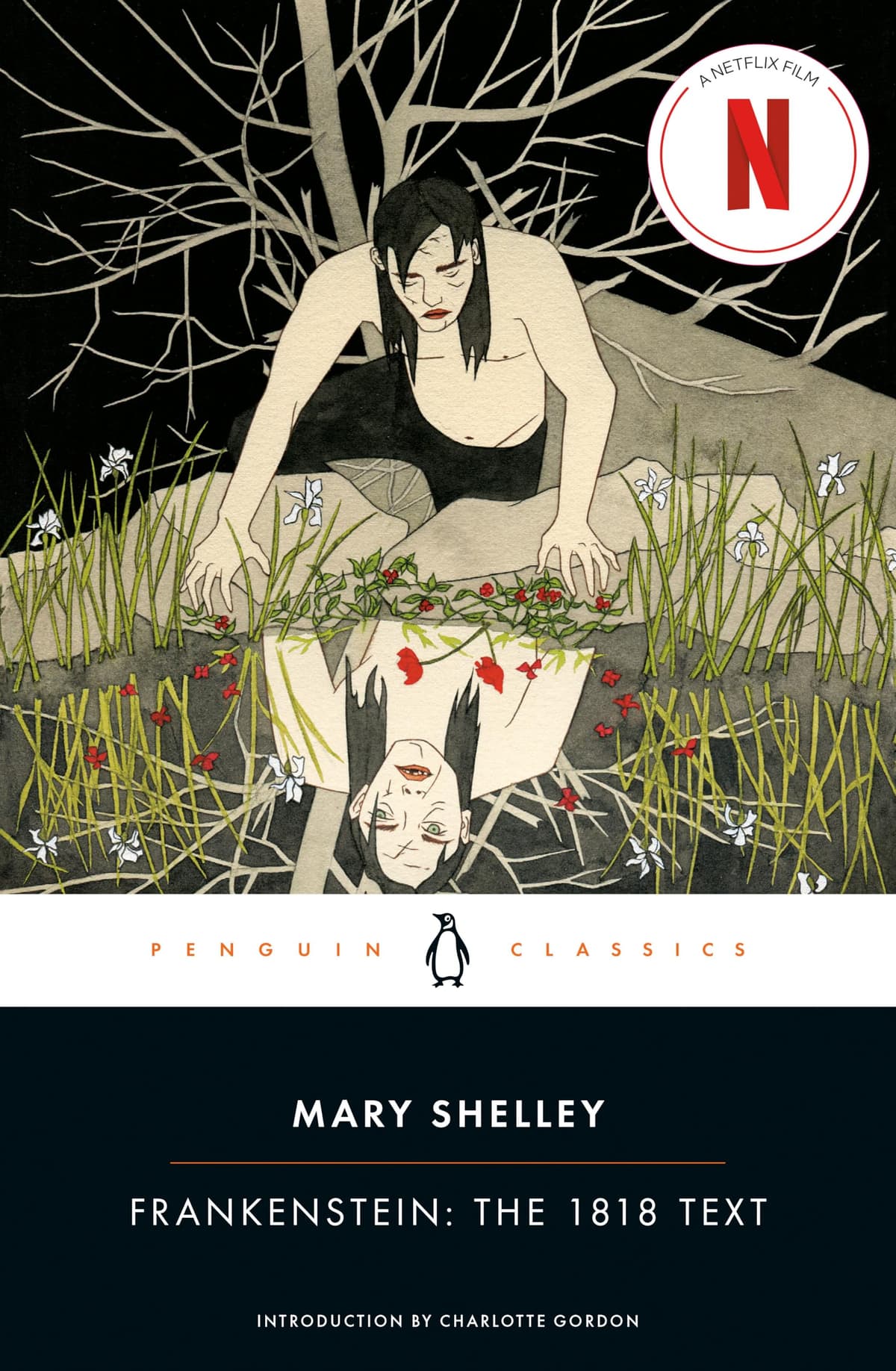 #41View Book
Frankenstein
Mary Shelley
Accessible•6-8 hours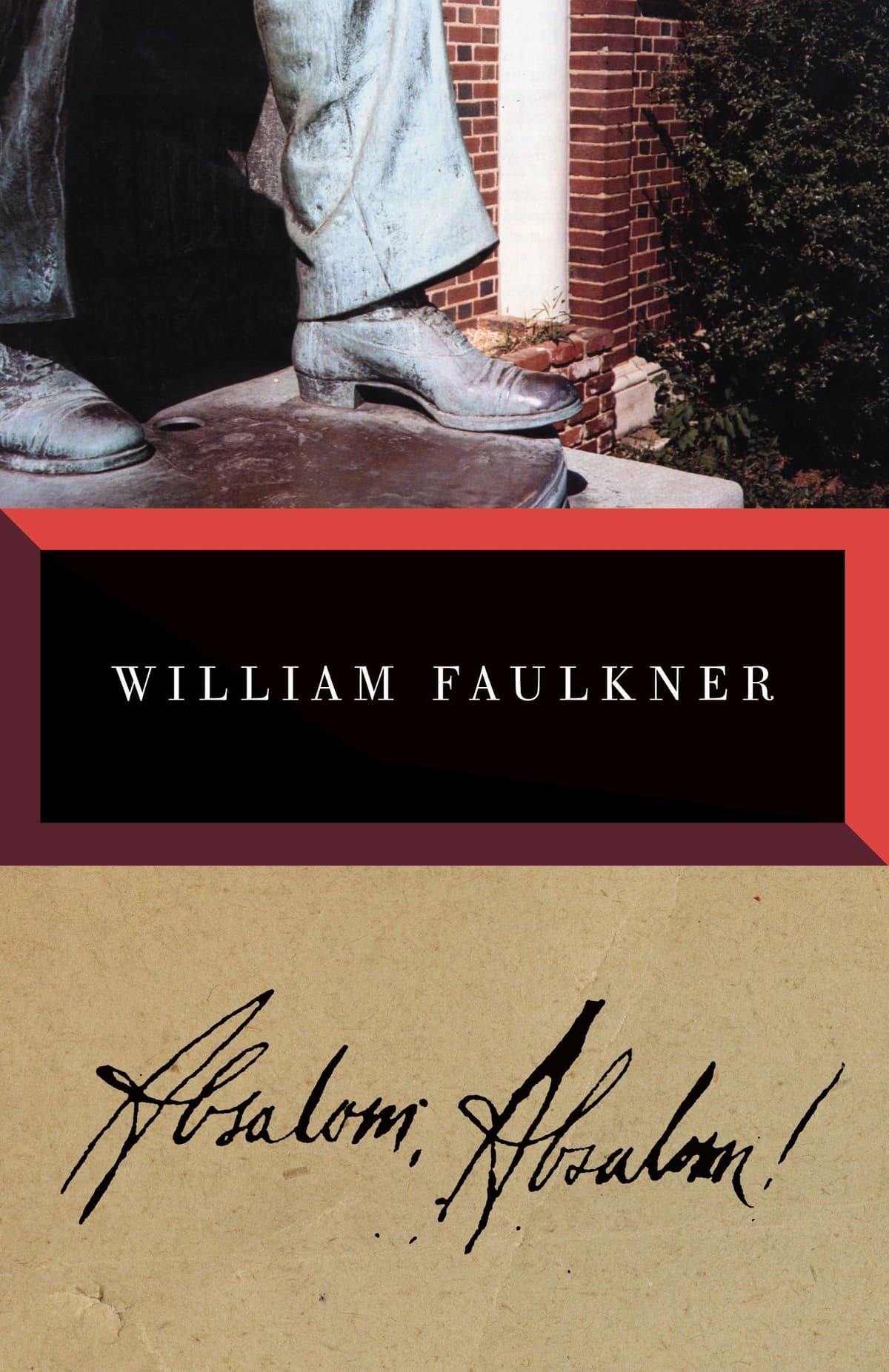 #44View Book
Absalom, Absalom!
William Faulkner
Very High•12-15 hours
Browse more collections