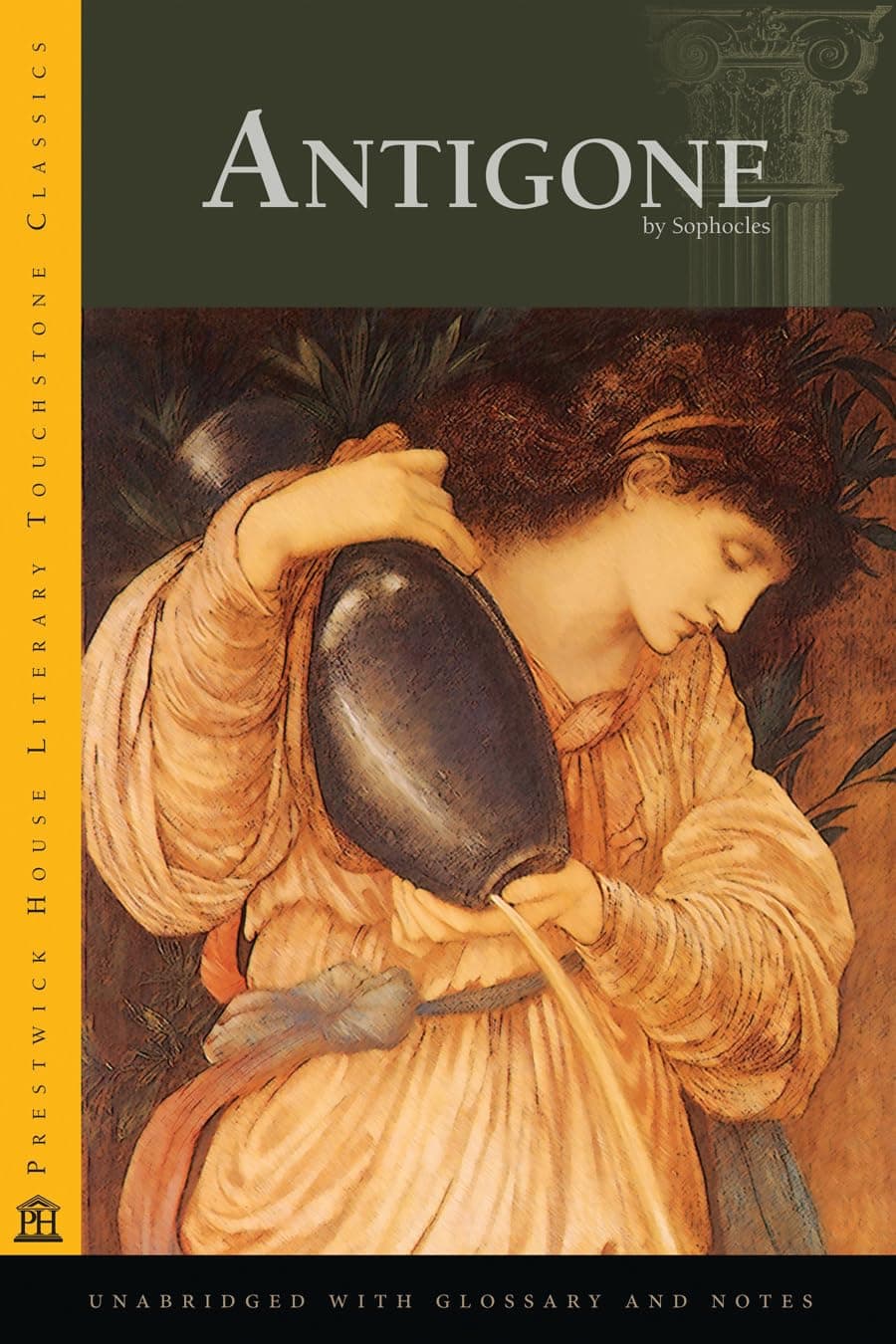
Antigone
“I was born to join in love, not hate—that is my nature.”
Antigone Summary
The civil war for Thebes is over. Eteocles, who defended the city, will receive a hero's burial. His brother Polyneices, who attacked it, will be left to rot unburied by decree of King Creon—a punishment worse than death in the eyes of the gods. Antigone, sister to both, defies the king's edict and scatters earth over her brother's corpse. When she is caught, Creon condemns her to be sealed alive in a tomb, and neither his son's pleas nor the prophet Tiresias's warnings can bend his will until it is too late.
Sophocles' masterpiece is built on an irreconcilable collision: divine law against human law, conscience against authority, the obligations of kinship against the demands of the state. There are no villains here—only two people who are absolutely certain they are right, and the catastrophe that certainty produces. In fewer than fifteen hundred lines, Sophocles created a drama that has spoken to every age that has known the cost of moral courage.
Why Read Antigone?
Twenty-five centuries after it was first performed in Athens, Antigone remains the definitive drama of individual conscience against state power. Every generation rediscovers it because every generation faces the same question: when the law is unjust, is it nobler to obey or to resist? Antigone's answer—that there are obligations higher than any king's decree—has inspired civil rights leaders, resistance fighters, and political prisoners from Thoreau to Mandela.
What makes the play transcend polemic is Sophocles' refusal to make it simple. Creon is not a tyrant for the sake of tyranny; he genuinely believes that order must be preserved at any cost. Antigone is not merely righteous; her defiance carries a fierce, almost suicidal absolutism. Both are destroyed by their certainty. It is a play that takes less than an hour to read and a lifetime to fully absorb.
About Sophocles
Sophocles (c. 496–406 BC) was the most celebrated dramatist of classical Athens, winning more prizes at the festival of Dionysus than any of his rivals. He wrote over 120 plays, of which only seven survive complete. Among them are Oedipus Rex, Antigone, and Electra—works that defined the art of tragedy and continue to dominate stages around the world.
Sophocles introduced the third actor to Greek drama, expanded the chorus, and perfected the art of dramatic irony. He lived during the golden age of Athens, serving as a general and a priest, and was admired by his contemporaries as much for his character as for his genius. Aristotle considered his Oedipus Rex the ideal tragedy, but it is Antigone that has proven the most politically enduring of his works.
Reading Guide
Ranked #120 among the greatest books of all time, Antigone by Sophocles has earned its place in the literary canon. Originally written in Ancient Greek and published in c. 441 BC, this moderate read from Greece continues to resonate with readers today.
This book belongs to our Philosophy & Faith collection, where you can discover more books that share its spirit and themes.
If you enjoy moderate reads like this one, you might also like One Hundred Years of Solitude, Nineteen Eighty-Four, or Wuthering Heights.
From the Philosophy & Faith Collection
If you enjoyed Antigone, discover more masterpieces that share its spirit.
 #11View Book
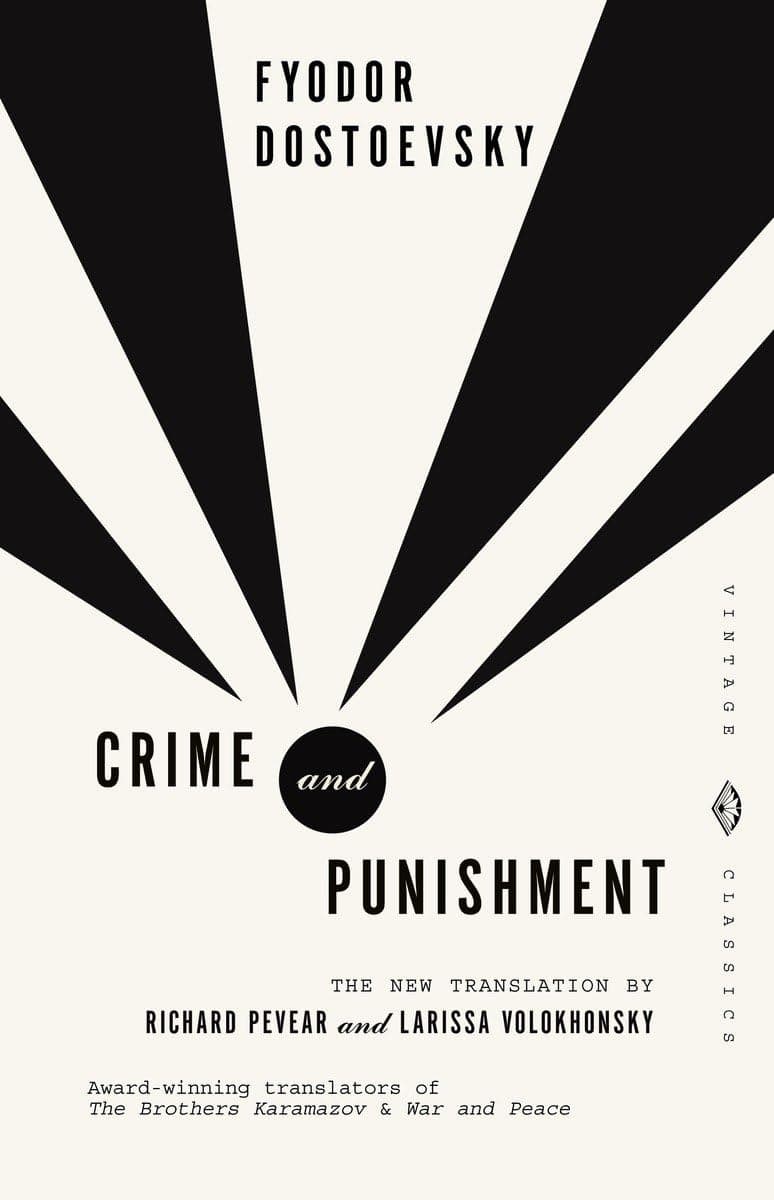
Crime and Punishment
Fyodor Dostoevsky
High•20-25 hours #18View Book
The Bible
Various
Variable•60-80 hours #19View Book
The Brothers Karamazov
Fyodor Dostoevsky
Very High•35-40 hours #21View Book
The Stranger
Albert Camus
Moderate•3-4 hours
Browse more collections