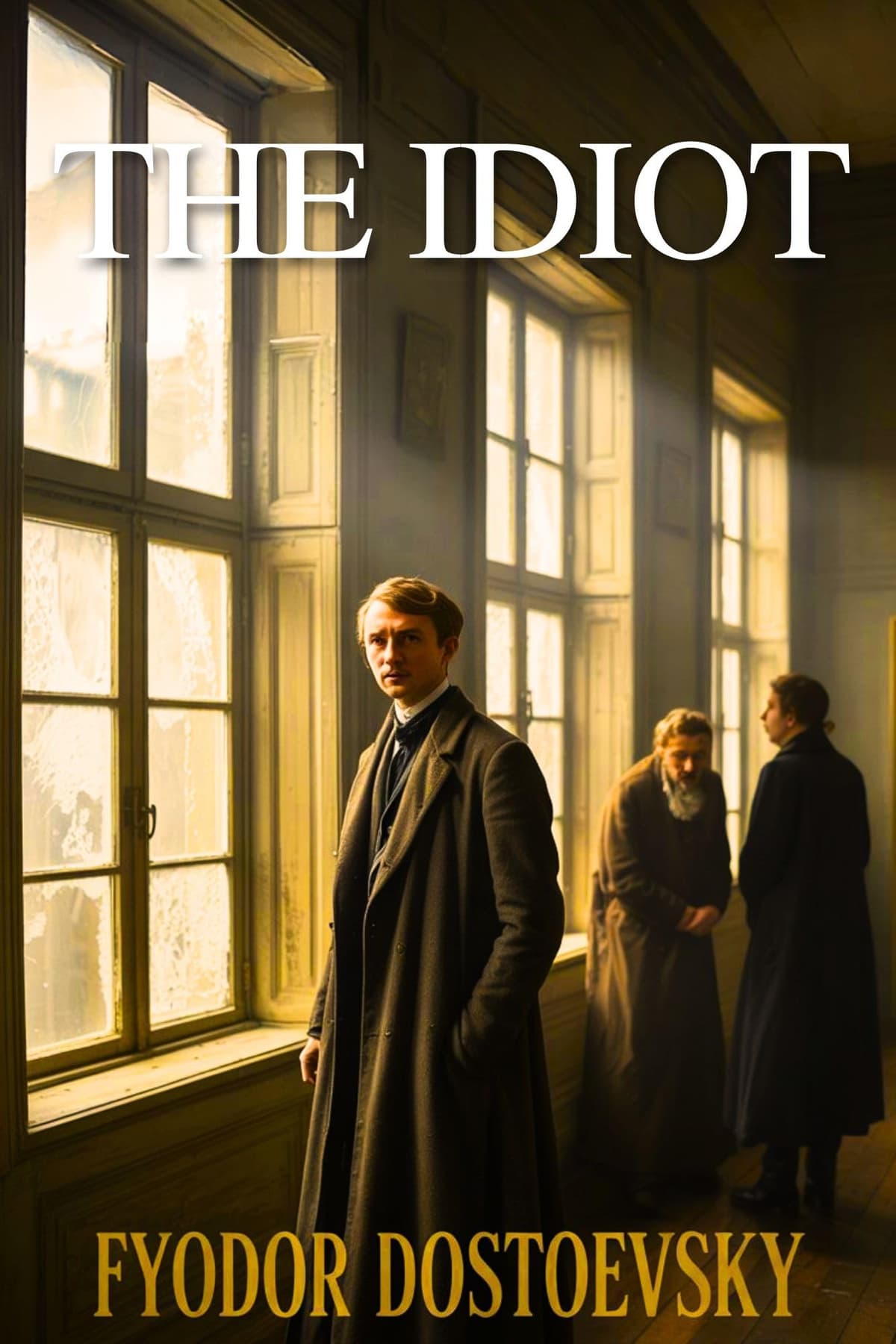
The Idiot
“Beauty will save the world.”
The Idiot Summary
Prince Lev Nikolayevich Myshkin returns to St. Petersburg from a Swiss sanatorium, where he has been treated for severe epilepsy. He is a man of extraordinary goodness, transparent honesty, and childlike compassion—qualities that Russian society greets not with gratitude but with suspicion, mockery, and ultimately destruction. Drawn into the orbit of the darkly passionate Nastasya Filippovna, a woman ruined by her guardian's abuse, and the jealous, volatile Rogozhin, who loves her with a murderous obsession, Myshkin attempts to save everyone and succeeds in saving no one.
Dostoevsky set out to portray a 'positively beautiful man'—a Christ-like figure loosed upon modern society—and discovered the terrifying answer to his own experiment: the world will devour such a man alive. The novel spirals from drawing-room comedy to operatic tragedy, building toward one of the most harrowing final scenes in all of Russian literature.
Why Read The Idiot?
Dostoevsky asked himself a question that haunts the entire history of civilization: what would happen if a truly good person walked into the modern world? The answer, in The Idiot, is catastrophe. Prince Myshkin is everything we claim to admire—gentle, honest, forgiving—and society destroys him for it. The novel is a devastating indictment of a world that worships goodness in theory and annihilates it in practice.
What elevates The Idiot above mere moral fable is its psychological ferocity. Every character burns with competing desires—love, pride, self-destruction, redemption—and Dostoevsky tracks their inner torment with a precision that anticipates psychoanalysis by decades. Nastasya Filippovna alone is one of the most complex female characters in nineteenth-century fiction. This is a novel that leaves you shaken, not because of what happens, but because of what it reveals about the cost of genuine compassion.
About Fyodor Dostoevsky
Fyodor Dostoevsky (1821–1881) is the great excavator of the human soul. A Russian novelist who survived a mock execution, four years in a Siberian prison camp, epilepsy, and crippling gambling debts, he transmuted his suffering into some of the most psychologically penetrating fiction ever written. His major novels—Crime and Punishment, The Idiot, Demons, and The Brothers Karamazov—form the bedrock of modern literature.
Dostoevsky's genius lay in his ability to inhabit every point of view simultaneously—murderer and saint, nihilist and believer—without flinching. He invented the polyphonic novel, in which no single voice holds authority, and his influence extends from Freud and Nietzsche to Kafka, Camus, and every writer who has dared to stare into the abyss of human consciousness.
Reading Guide
Ranked #56 among the greatest books of all time, The Idiot by Fyodor Dostoevsky has earned its place in the literary canon. Originally written in Russian and published in 1869, this challenging read from Russia continues to resonate with readers today.
This book belongs to our Russian Soul and Philosophy & Faith collections, where you can discover more books that share its spirit and themes.
If you enjoy challenging reads like this one, you might also like Ulysses, Moby-Dick, or Lolita.
From the Russian Soul Collection
If you enjoyed The Idiot, discover more masterpieces that share its spirit.
 #10View Book
Anna Karenina
Leo Tolstoy
High•30-35 hours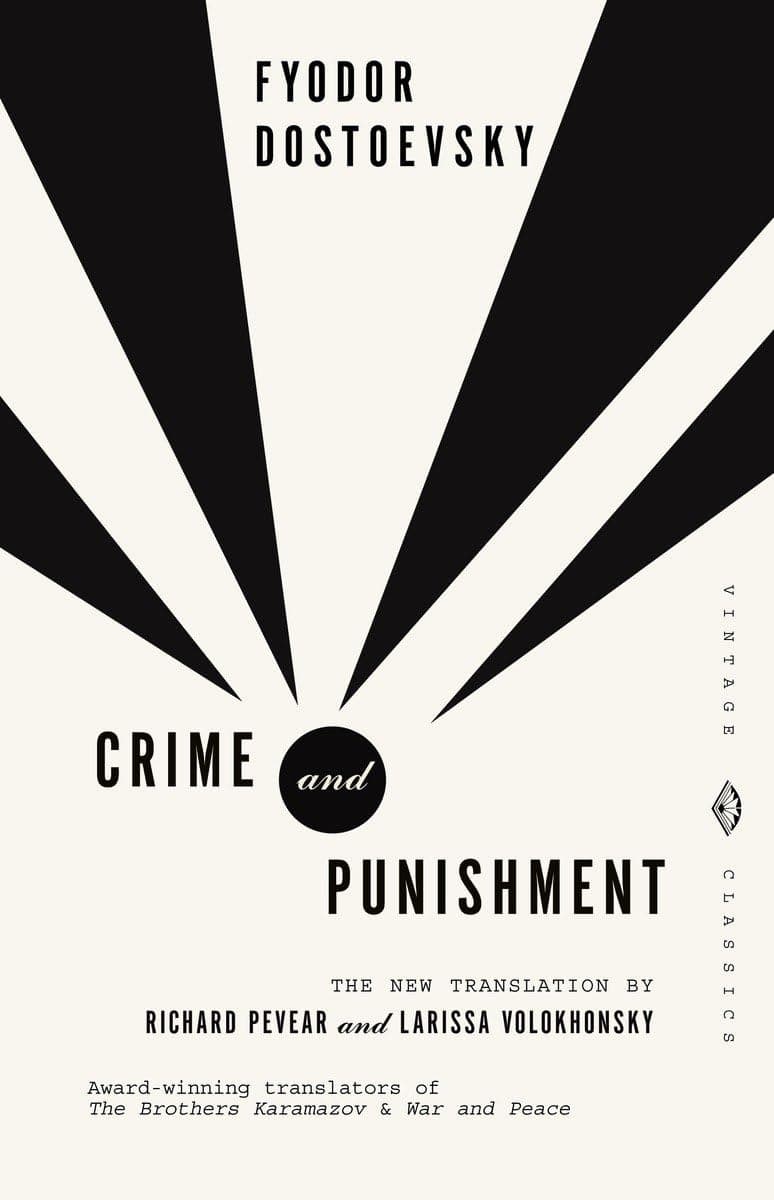 #11View Book
Crime and Punishment
Fyodor Dostoevsky
High•20-25 hours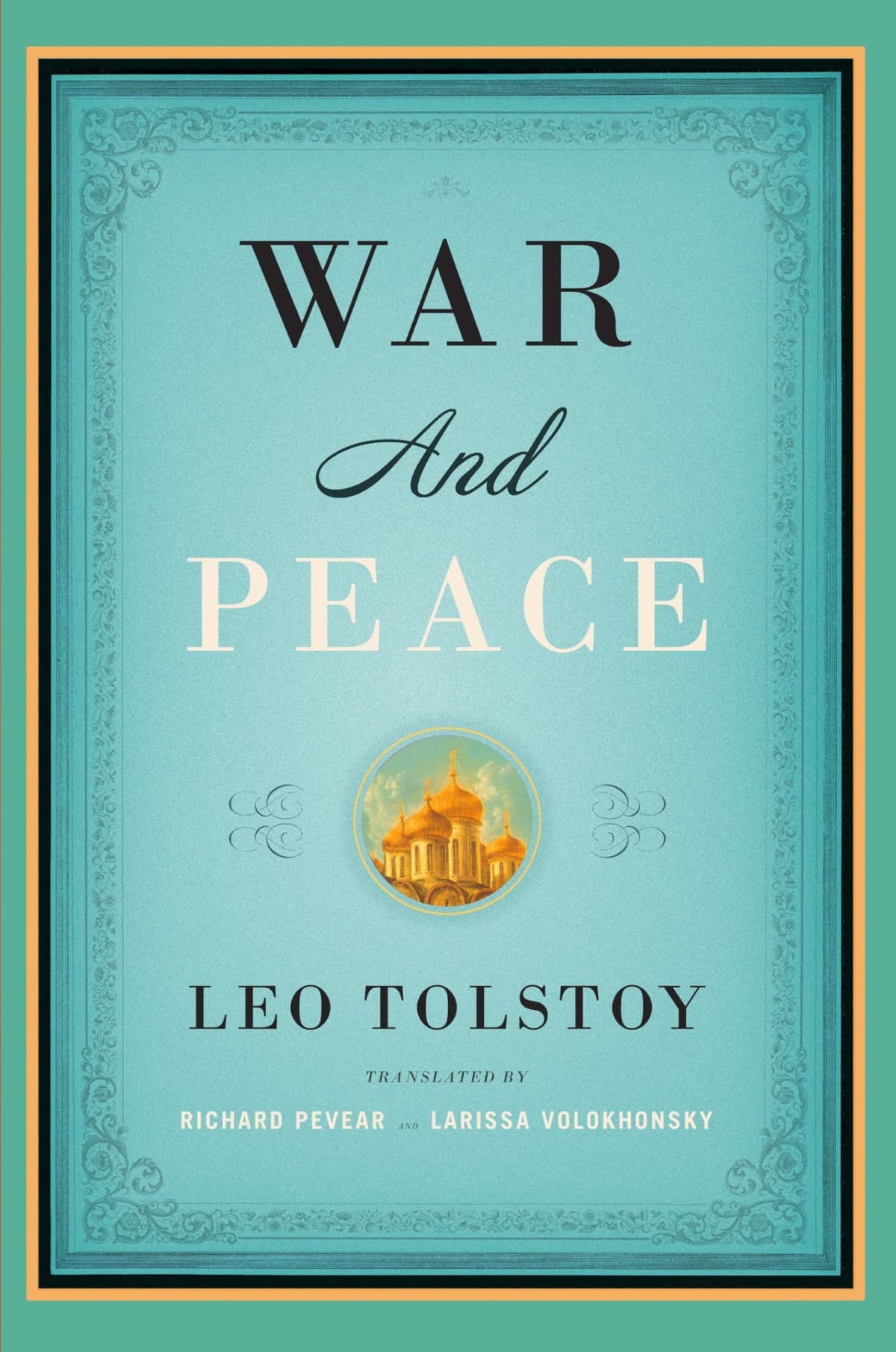 #14View Book
War and Peace
Leo Tolstoy
Very High•40-50 hours #19View Book
The Brothers Karamazov
Fyodor Dostoevsky
Very High•35-40 hours
Browse more collections