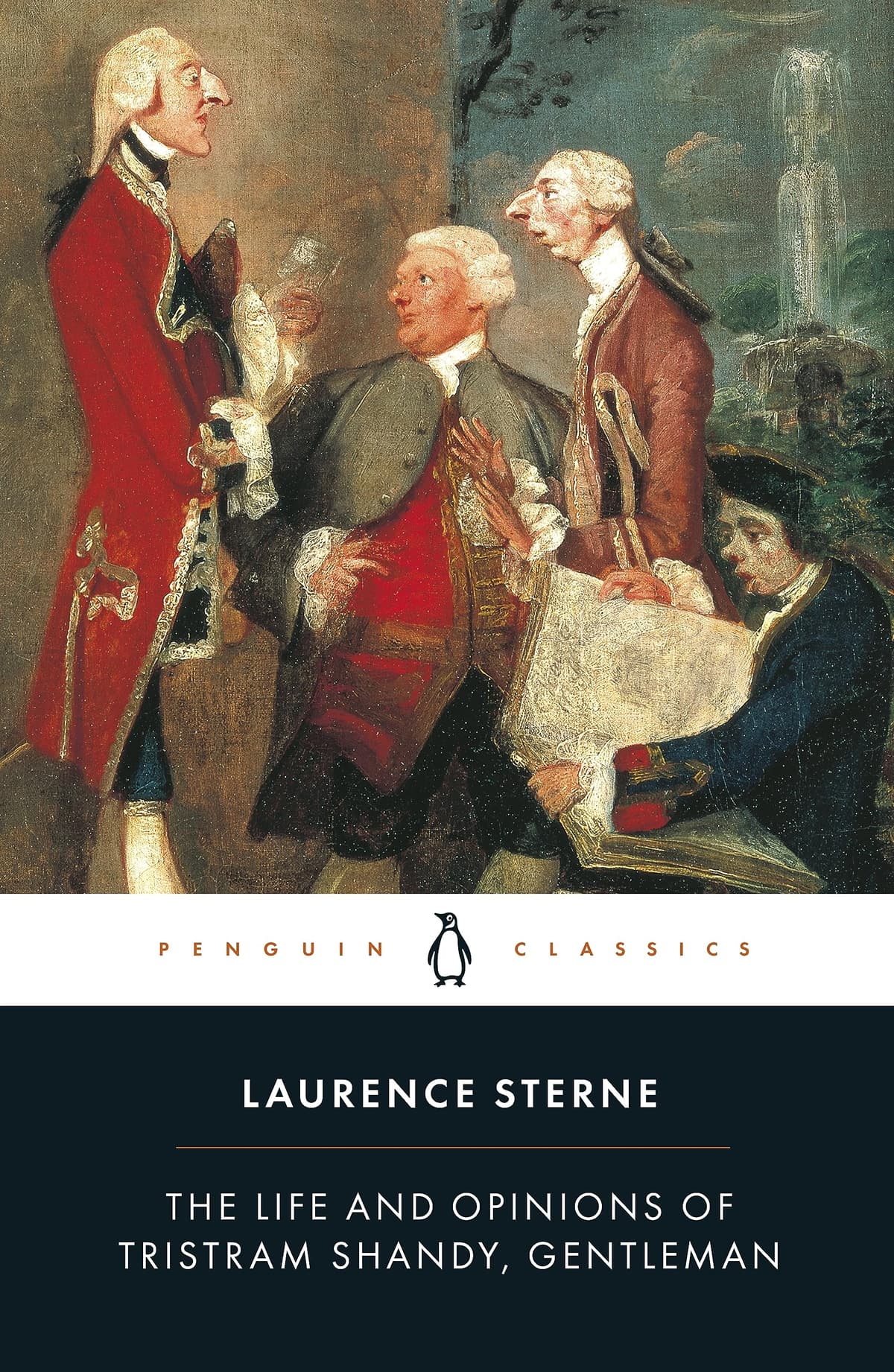
The Life and Opinions of Tristram Shandy, Gentleman
“Digressions, incontestably, are the sunshine; they are the life, the soul of reading.”
The Life and Opinions of Tristram Shandy, Gentleman Summary
Tristram Shandy sets out to write the story of his life and immediately discovers that life is impossible to narrate. Before he can get to his own birth—which does not occur until Volume III—he must explain his father's theories on noses, his Uncle Toby's obsession with military fortifications, the circumstances of his own conception (interrupted by his mother's question about winding the clock), and a hundred other digressions that multiply faster than he can contain them. The story spirals outward in every direction: a blank page appears where the reader is invited to draw their own picture, a black page mourns a character's death, and the narrative leaps backward and forward in time with gleeful abandon.
Sterne's novel is the great literary joke of the eighteenth century—a book that demolishes every convention of storytelling while simultaneously being one of the most entertaining stories ever told. Uncle Toby, gentle and bewildered, reenacting the Siege of Namur in his garden with toy fortifications, is one of the most lovable characters in English fiction. Beneath the chaos and comedy lies a profound meditation on time, memory, and the impossibility of ever fully knowing another human being.
Why Read The Life and Opinions of Tristram Shandy, Gentleman?
Tristram Shandy is the most modern novel of the eighteenth century—and arguably the most modern novel ever written. Published two hundred years before postmodernism had a name, it anticipates every trick in the avant-garde playbook: unreliable narration, metafictional commentary, typographic experimentation, and a structure that gleefully refuses to go anywhere in particular. Joyce, Beckett, and Pynchon all learned from Sterne, whether they admitted it or not.
But what makes Tristram Shandy a joy rather than an exercise is its enormous, generous heart. For all its formal daring, it is fundamentally a book about love—the love between a father and son, between brothers, between a writer and his reader. Uncle Toby's gentleness, Walter Shandy's exasperating intellectualism, and Tristram's own self-deprecating wit create a family portrait of such warmth that you forgive every digression. It is proof that the most radical experiment in fiction can also be the most human.
About Laurence Sterne
Laurence Sterne (1713–1768) was an Irish-born Anglican clergyman who spent most of his life in rural Yorkshire, where he was known as an eccentric wit and indifferent priest. He was nearly fifty and virtually unknown when the first two volumes of Tristram Shandy appeared in 1759 and made him the most famous writer in England overnight.
Sterne published nine volumes of Tristram Shandy between 1759 and 1767, as well as A Sentimental Journey Through France and Italy. He was celebrated and condemned in equal measure—Dr. Johnson predicted his work would not last, while Voltaire praised it—and he died of tuberculosis at fifty-four. His influence has only grown over the centuries: every writer who plays with form, breaks the fourth wall, or makes the reader a co-conspirator is walking in Sterne's footsteps.
Reading Guide
Ranked #55 among the greatest books of all time, The Life and Opinions of Tristram Shandy, Gentleman by Laurence Sterne has earned its place in the literary canon. Originally written in English and published in 1759, this challenging read from United Kingdom continues to resonate with readers today.
This book belongs to our Modern Mind and Society & Satire collections, where you can discover more books that share its spirit and themes.
If you enjoy challenging reads like this one, you might also like Ulysses, Moby-Dick, or Lolita.
From the Modern Mind Collection
If you enjoyed The Life and Opinions of Tristram Shandy, Gentleman, discover more masterpieces that share its spirit.
 #1View Book
Ulysses
James Joyce
Challenging•35-40 hours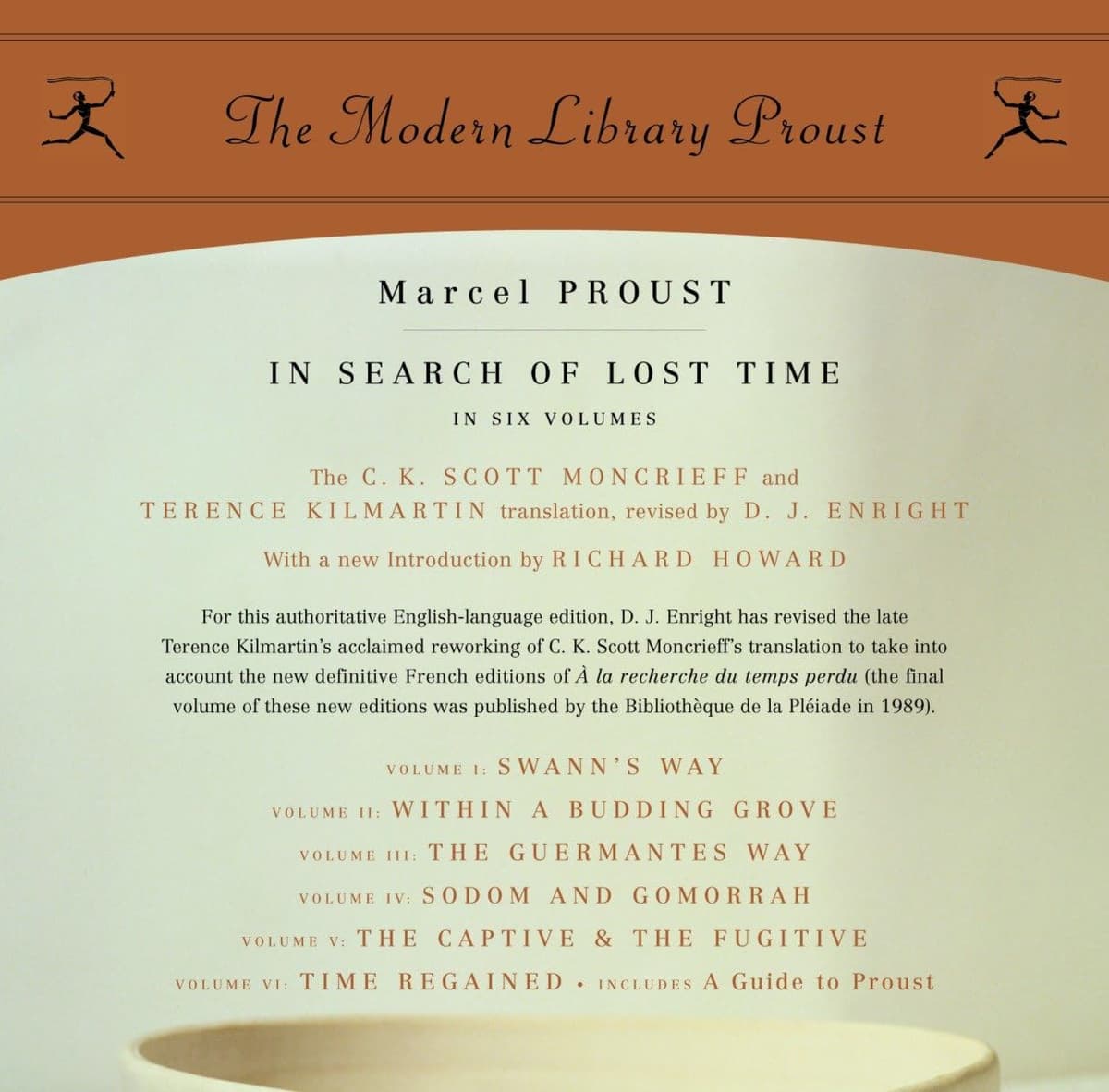 #2View Book
In Search of Lost Time
Marcel Proust
High•100+ hours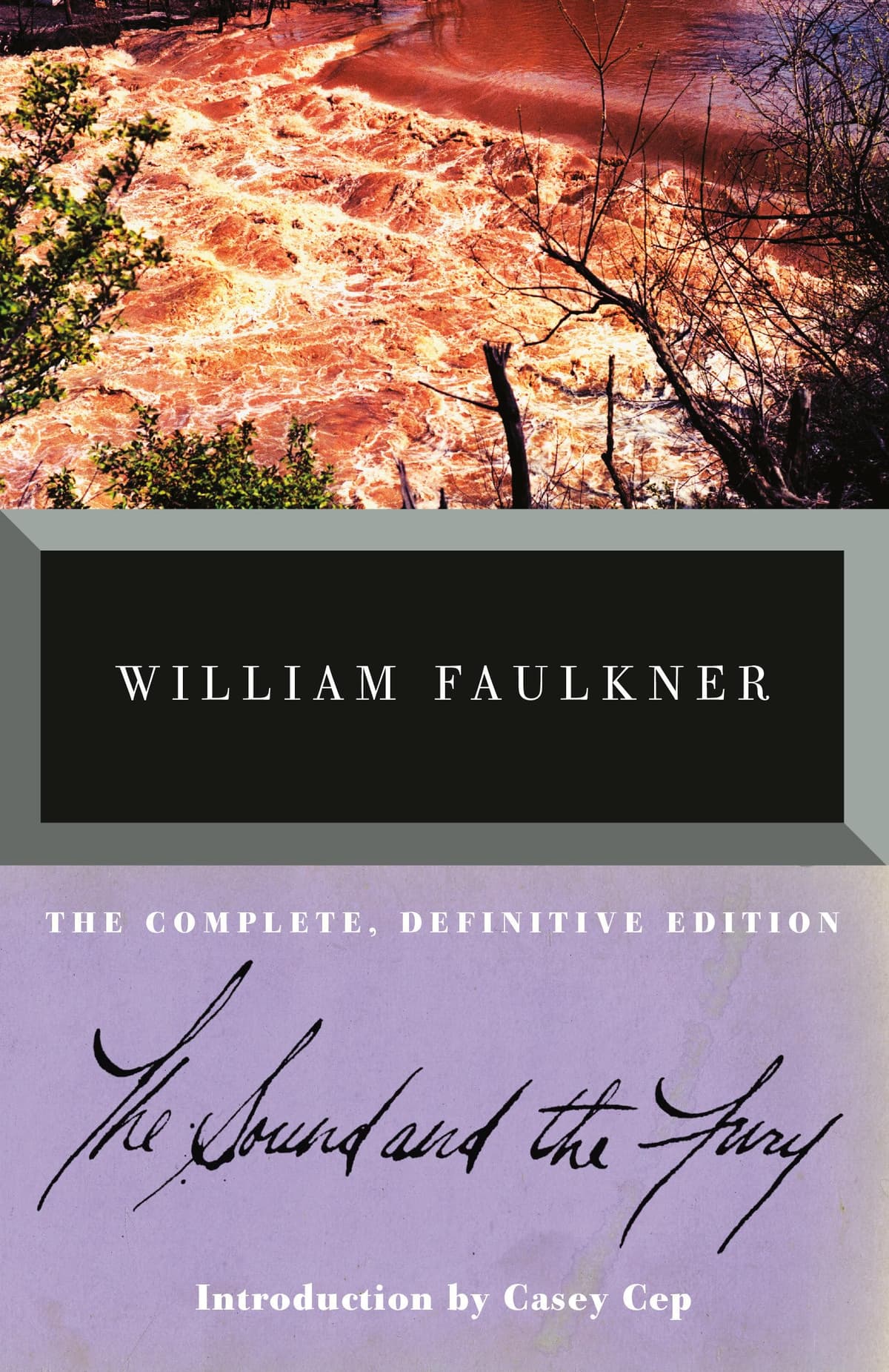 #8View Book
The Sound and the Fury
William Faulkner
Very High•12-15 hours #13View Book
Lolita
Vladimir Nabokov
Challenging•12-15 hours
Browse more collections