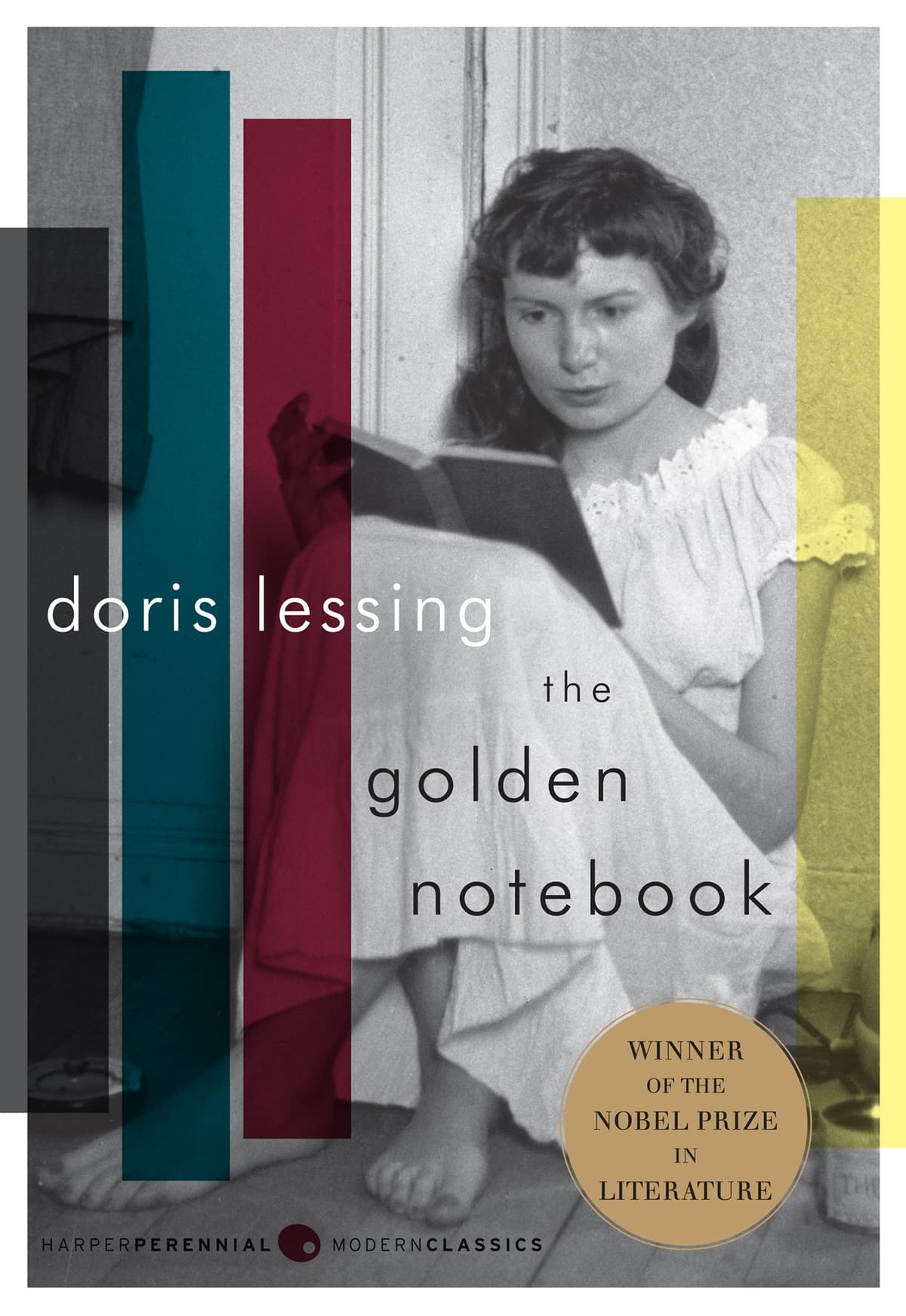
The Golden Notebook
“The point is, that the function of the novel seems to be changing; it has become an outpost of journalism; we read novels for information about areas of life we don't know.”
The Golden Notebook Summary
Anna Wulf is a writer who cannot write. Paralyzed by the fragmentation of her own life, she keeps four separate notebooks: a black one for her African past and the novel that made her famous, a red one for her political life in the Communist Party, a yellow one for a fictional alter ego named Ella, and a blue one that serves as a diary. Each notebook contains a different version of the truth, and none of them, alone, is sufficient. The novel's frame story, 'Free Women,' follows Anna and her friend Molly as they navigate love, work, motherhood, and madness in 1950s London.
Lessing's revolutionary structure mirrors the experience of a woman trying to hold her life together in a world that insists on dividing her into roles. The Golden Notebook is a novel about breakdown—personal, political, creative—and the terrifying, liberating possibility that only by shattering into pieces can one become whole. It is formally audacious, emotionally brutal, and decades ahead of its time.
Why Read The Golden Notebook?
The Golden Notebook is one of the most important novels of the twentieth century—a book that cracked open the conversation about women's inner lives with a frankness that was revolutionary in 1962 and remains startling today. Lessing wrote about female desire, rage, creative paralysis, and political disillusionment at a time when women's fiction was expected to stay safely within the domestic sphere. She refused.
But this is not merely a feminist landmark. It is a dazzling structural experiment—a novel that takes itself apart and puts itself back together, mirroring the fragmentation of modern consciousness. Anna's four notebooks are an attempt to compartmentalize a life that refuses to be compartmentalized, and the golden notebook of the title represents the impossible dream of integration. It is a book for anyone who has ever felt that the different parts of their life do not add up to a coherent whole.
About Doris Lessing
Doris Lessing (1919–2013) was born in Persia, raised in Southern Rhodesia, and arrived in London in 1949 with the manuscript of her first novel and a determination to write the truth about women's lives. Over the next six decades, she produced more than fifty books spanning realist fiction, science fiction, autobiography, and political commentary.
The Golden Notebook established her as one of the most fearless voices in contemporary literature. She was awarded the Nobel Prize in Literature in 2007, and upon hearing the news on her doorstep, famously responded: 'Oh Christ.' Her restless intelligence and refusal to be categorized—she moved from communism to Sufism, from social realism to space fiction—made her one of the most consistently surprising writers of her era.
Reading Guide
Ranked #61 among the greatest books of all time, The Golden Notebook by Doris Lessing has earned its place in the literary canon. Originally written in English and published in 1962, this challenging read from United Kingdom continues to resonate with readers today.
This book belongs to our Modern Mind and Society & Satire collections, where you can discover more books that share its spirit and themes.
If you enjoy challenging reads like this one, you might also like Ulysses, Moby-Dick, or Lolita.
From the Modern Mind Collection
If you enjoyed The Golden Notebook, discover more masterpieces that share its spirit.
 #1View Book
Ulysses
James Joyce
Challenging•35-40 hours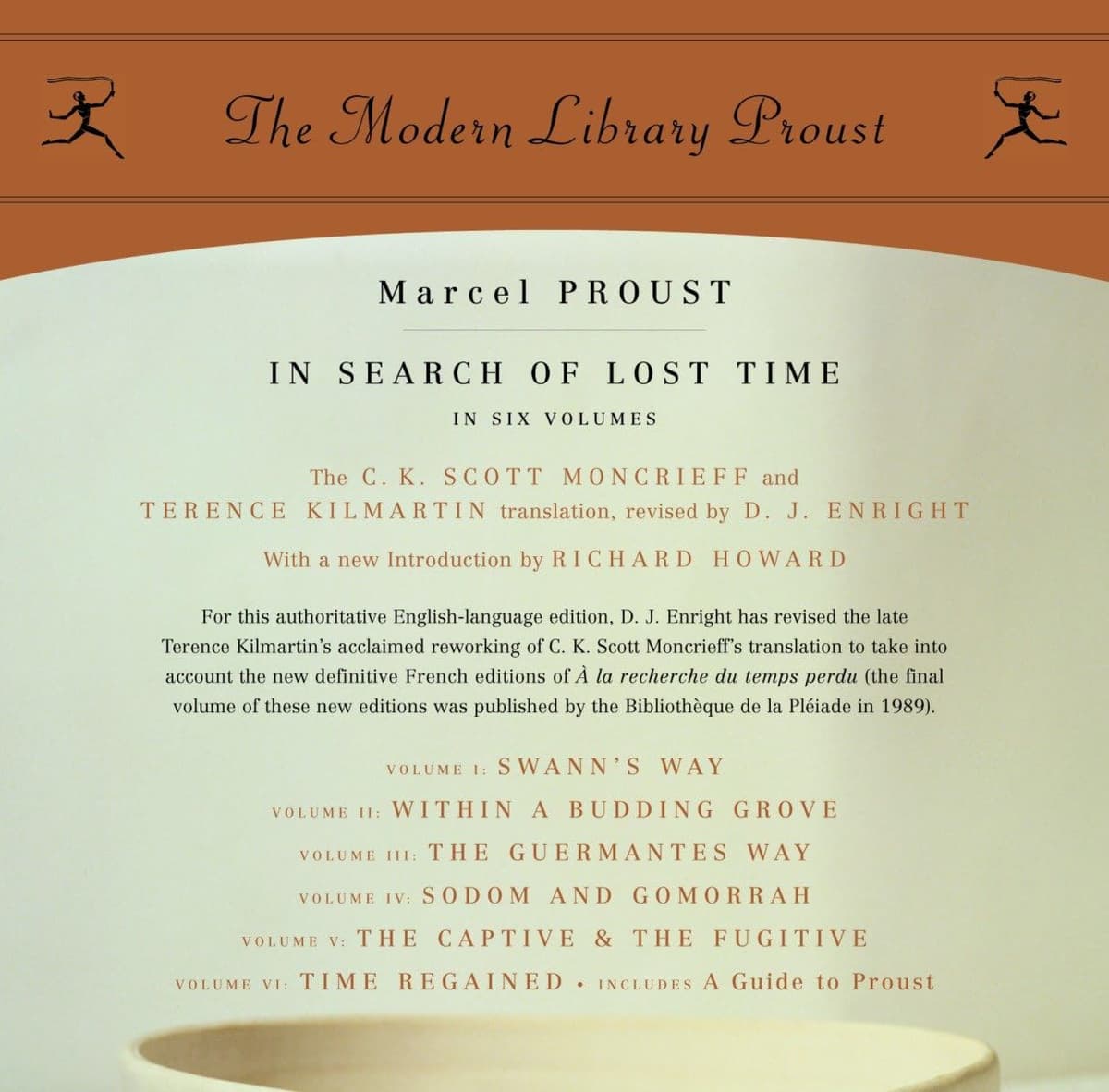 #2View Book
In Search of Lost Time
Marcel Proust
High•100+ hours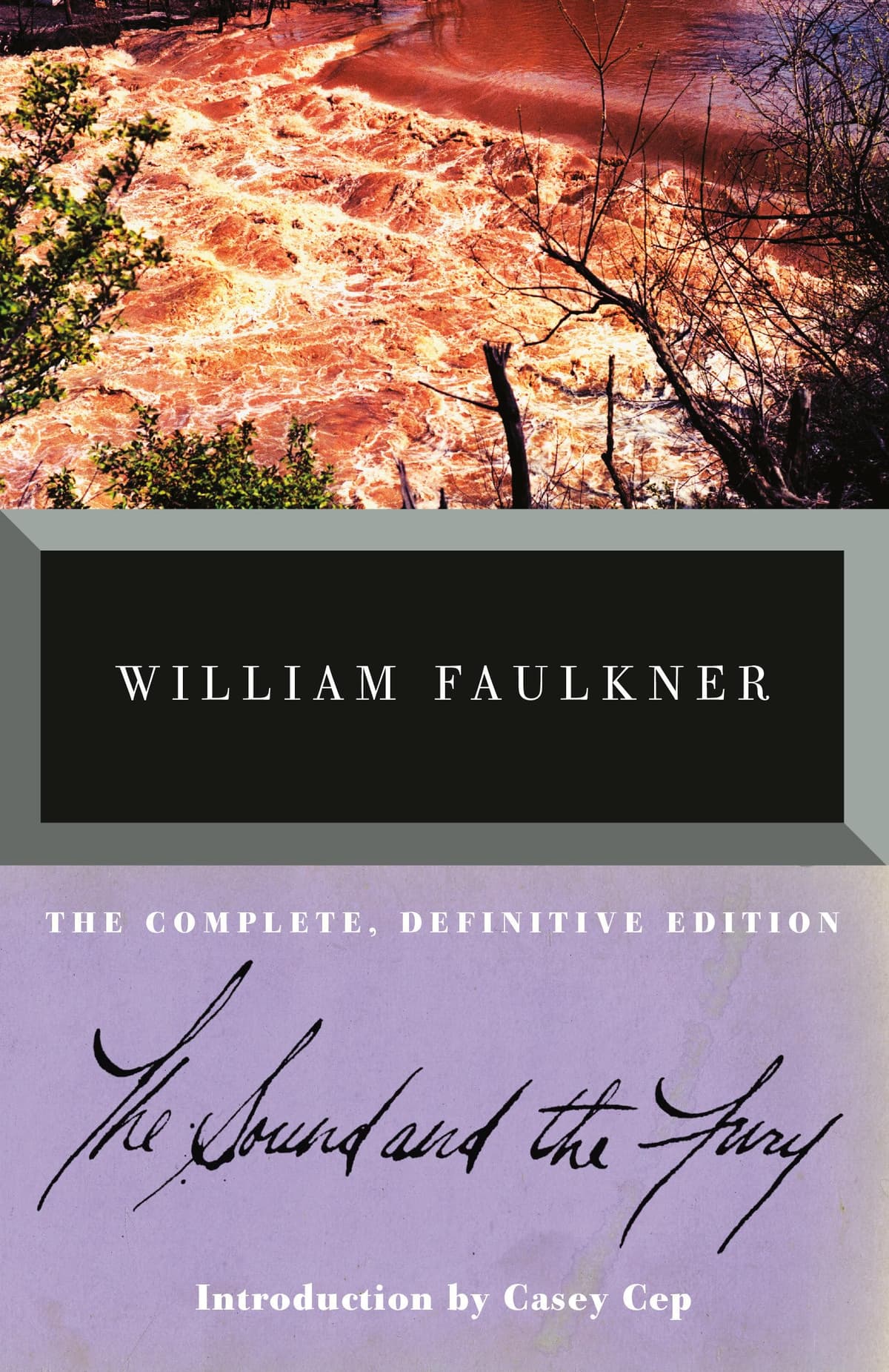 #8View Book
The Sound and the Fury
William Faulkner
Very High•12-15 hours #13View Book
Lolita
Vladimir Nabokov
Challenging•12-15 hours
Browse more collections