The Fountainhead

“The question isn't who is going to let me; it's who is going to stop me.”
The Fountainhead Summary
The Fountainhead tells the story of Howard Roark, a fiercely independent architect who refuses to compromise his artistic vision in the face of a society that demands conformity. Expelled from architecture school for designing buildings that break every convention, Roark works in a granite quarry rather than submit to the prevailing neoclassical styles, then slowly builds a career creating radically modern structures that express his uncompromising vision of what architecture can be. Arrayed against him is a cast of antagonists who embody different forms of secondhandedness: Ellsworth Toohey, a brilliant architectural critic who uses altruism as a weapon to destroy individual excellence; Peter Keating, Roark's talented but spineless classmate who builds a glittering career on borrowed ideas and social manipulation; and Gail Wynand, a self-made newspaper magnate whose power depends on pandering to the mob he secretly despises. At the center of the novel's romantic plot is Dominique Francon, a woman of fierce intelligence who loves Roark but destroys his career because she cannot bear to see greatness at the mercy of a mediocre world. The narrative drives toward a climactic courtroom scene in which Roark dynamites a housing project that has been altered against his wishes and defends his act as a declaration of the creator's inviolable rights.
Rand's novel is a passionate, polarizing, and enormously influential defense of individualism and creative integrity. Its architectural settings are rendered with genuine power, and its central question, whether an artist has the right to destroy work that has been corrupted by others, retains its provocative force. The prose is muscular and declarative, the characters larger than life, the philosophical arguments embedded in dramatic confrontations rather than abstract exposition. Whether one agrees or disagrees with Rand's philosophy, The Fountainhead remains one of the most widely read and hotly debated novels of the twentieth century, a book that has shaped the thinking of architects, entrepreneurs, and anyone who has ever struggled to maintain creative independence in a world that rewards conformity.
Why Read The Fountainhead?
Whatever you think of Ayn Rand, The Fountainhead is a book that demands engagement. Its central figure, Howard Roark, is one of the most memorable characters in American fiction precisely because he embodies an ideal that most of us admire and few of us have the courage to pursue: absolute fidelity to one's own vision regardless of the cost. Rand dramatizes this ideal with a narrative force that is impossible to ignore, building toward confrontations that raise genuinely difficult questions about the relationship between the individual creator and the society that consumes and distorts their work. You may emerge from the novel persuaded, enraged, or somewhere in between, but you will not emerge indifferent.
The Fountainhead is also a surprisingly vivid novel about architecture and the creative process. Rand's descriptions of buildings, of the way space and stone can embody ideas, convey a genuine passion for design that transcends her philosophical agenda. The novel has inspired generations of readers to take their own creative ambitions seriously, and its exploration of how institutions, critics, and public opinion conspire to flatten originality remains sharply relevant. Read it not as a catechism but as a provocation, a novel that forces you to examine what you truly believe about talent, integrity, and the price of independence.
About Ayn Rand
Ayn Rand was born Alisa Zinovyevna Rosenbaum in Saint Petersburg, Russia, in 1905. She witnessed the Russian Revolution as a child, an experience that instilled in her a lifelong horror of collectivism and state power. She studied philosophy and history at Petrograd State University, then emigrated to the United States in 1926, changed her name, and worked as a screenwriter in Hollywood before turning to fiction and philosophy. Her early novels, We the Living and Anthem, drew on her Russian experiences, but it was The Fountainhead in 1943 that made her famous.
Rand went on to write Atlas Shrugged, an even more ambitious philosophical novel, and to develop Objectivism, a comprehensive philosophy celebrating reason, individualism, and laissez-faire capitalism. Her ideas attracted a devoted following and fierce criticism in roughly equal measure, and her influence on American political and cultural thought, particularly among libertarians and conservatives, has been enormous. She published several collections of philosophical essays and maintained a circle of followers until her death in New York in 1982. Regardless of one's philosophical sympathies, Rand remains one of the most widely read and consequential American writers of the twentieth century, and The Fountainhead and Atlas Shrugged continue to sell hundreds of thousands of copies annually.
Reading Guide
Ranked #422 among the greatest books of all time, The Fountainhead by Ayn Rand has earned its place in the literary canon. Originally written in English and published in 1943, this moderate read from United States continues to resonate with readers today.
This book belongs to our American Spirit and Philosophy & Faith collections, where you can discover more books that share its spirit and themes.
If you enjoy moderate reads like this one, you might also like One Hundred Years of Solitude, Nineteen Eighty-Four, or Wuthering Heights.
From the American Spirit Collection
If you enjoyed The Fountainhead, discover more masterpieces that share its spirit.
 #3View Book
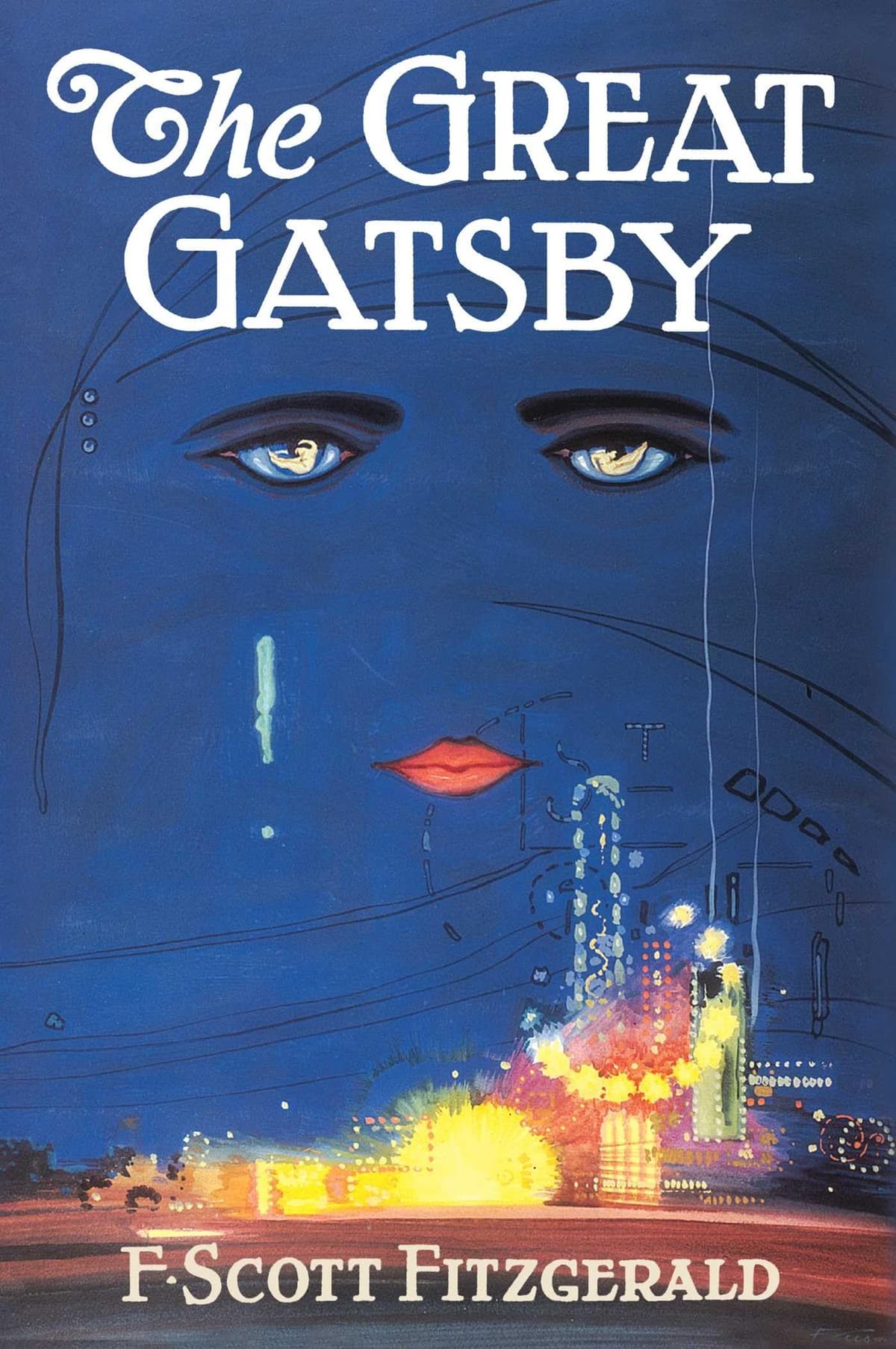
The Great Gatsby
F. Scott Fitzgerald
Accessible•5-6 hours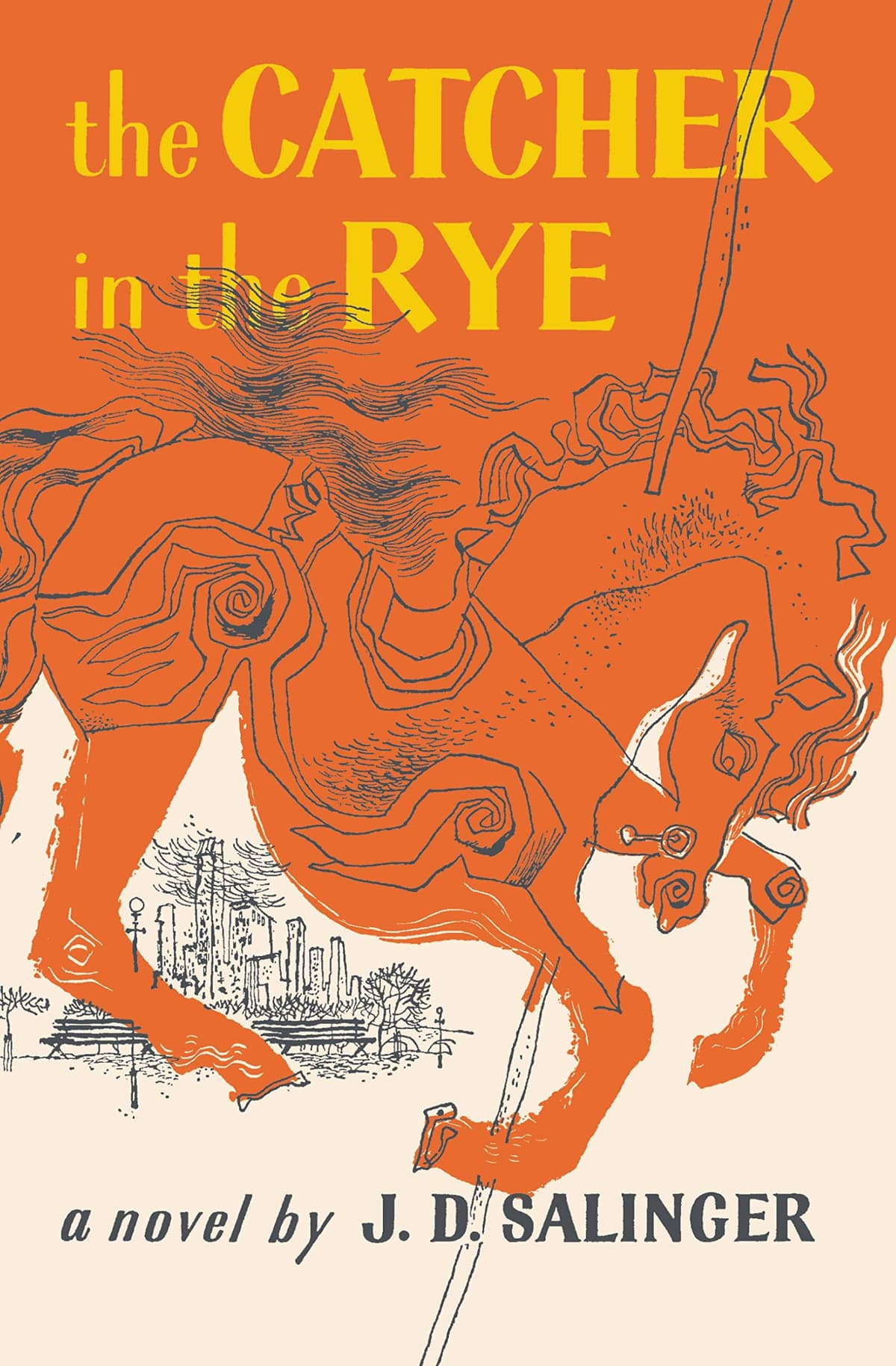 #4View Book
The Catcher in the Rye
J. D. Salinger
Accessible•6-8 hours #13View Book
Lolita
Vladimir Nabokov
Challenging•12-15 hours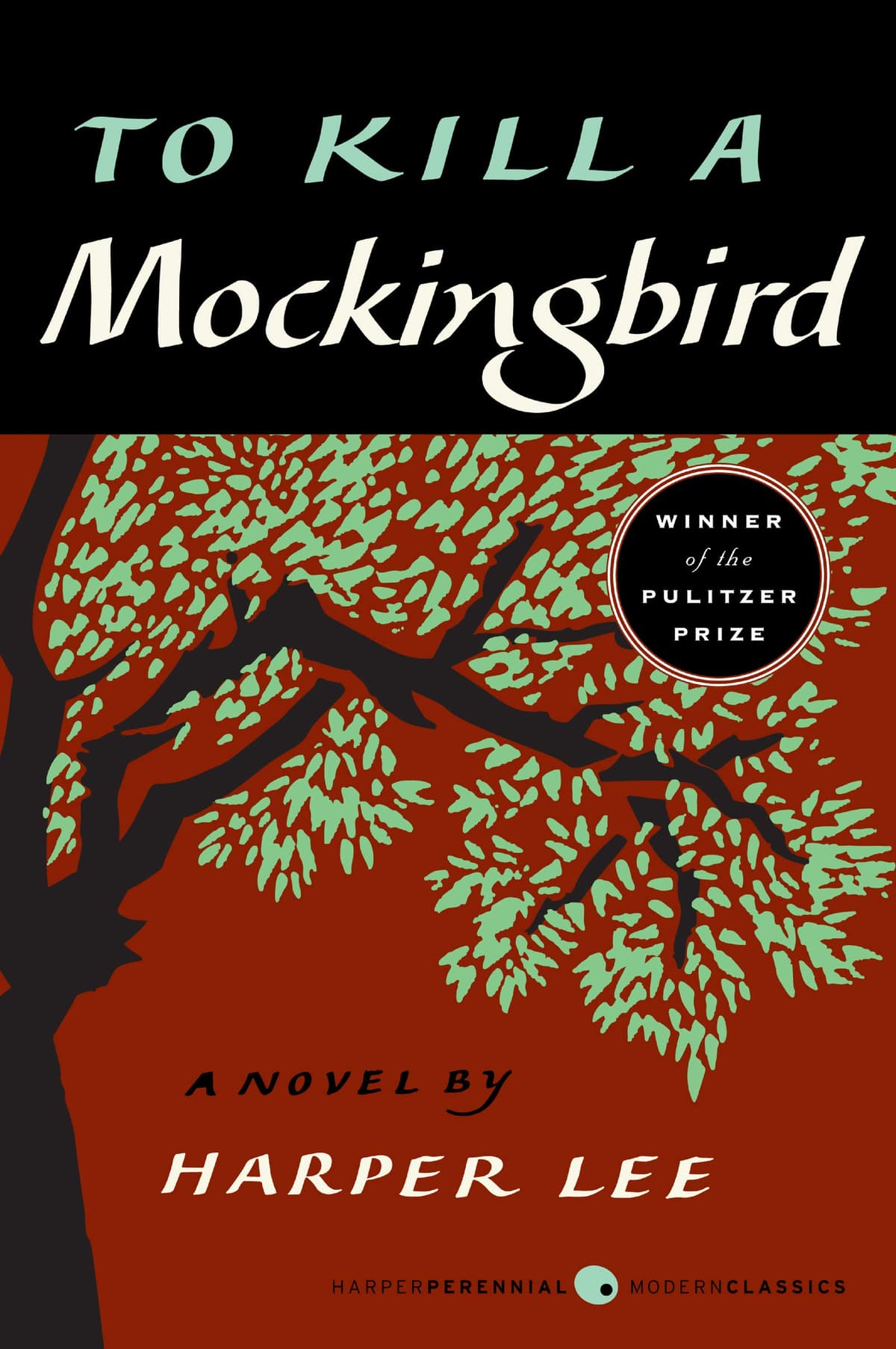 #17View Book
To Kill a Mockingbird
Harper Lee
Accessible•8-10 hours
Browse more collections