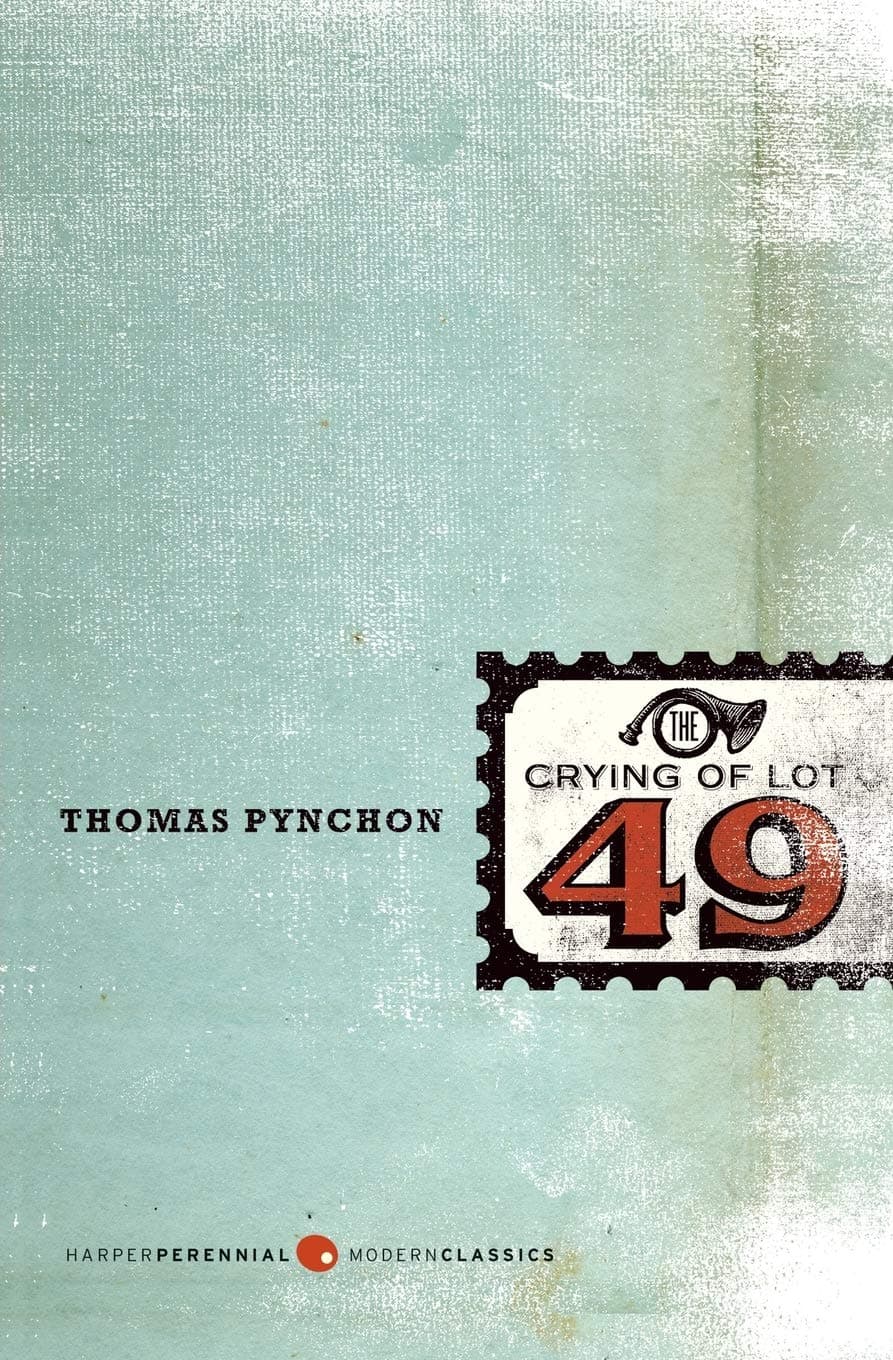
The Crying of Lot 49
“If miracles were, as Jesus Quintana de Vega had insisted, the true motivations of the soul, then sooner or later the soul must be a miracle too.”
The Crying of Lot 49 Summary
The Crying of Lot 49 follows Oedipa Maas, a young California housewife, as she attempts to execute the estate of her ex-lover Pierce Inverarity, a real estate mogul whose holdings turn out to be entangled with an ancient, possibly imaginary underground postal system called the Tristero. What begins as a mundane legal task spirals into a paranoid quest through the nocturnal landscape of 1960s Southern California, where Oedipa encounters a dizzying parade of oddballs: a right-wing radio host, a group of suicidal engineers, a band called the Paranoids, a deranged psychiatrist named Dr. Hilarius, and the performers of a fraudulent Jacobean revenge tragedy called The Courier's Tragedy. Everywhere she turns, she finds the muted post horn symbol of the Tristero, hinting at a vast network of the disinherited who have operated outside official communication systems for centuries. But the novel's genius lies in its refusal to confirm whether the conspiracy is real or a product of Oedipa's increasingly desperate need to find meaning in a world saturated with information and devoid of connection. The book ends at the precise moment of revelation, the auctioneer about to cry lot 49, and then stops.
Pynchon's slim, hallucinatory novella is the perfect entry point into one of the most important bodies of work in postmodern American fiction. It is a novel about entropy, communication, and the impossibility of distinguishing signal from noise in a culture drowning in both. The prose is dense with wordplay, cultural references, and songs that are simultaneously absurd and poignant, and its treatment of paranoia as both a pathology and a reasonable response to late capitalism anticipated decades of cultural criticism. The Crying of Lot 49 asks whether meaning exists or whether we merely project it onto chaos, and its refusal to answer is both its most maddening and most brilliant quality.
Why Read The Crying of Lot 49?
The Crying of Lot 49 is the rare novel that makes paranoia feel like the only sane response to modern life. In fewer than two hundred pages, Pynchon constructs a labyrinth of signs, symbols, and conspiracies that mirrors the experience of trying to find meaning in a world overwhelmed by information. You will find yourself doing exactly what Oedipa does: connecting dots, seeing patterns, wondering whether the pattern is real or whether you have simply gone mad from looking too hard. It is one of the most exhilarating reading experiences in American fiction, a book that is at once hilarious, terrifying, and profoundly disorienting.
This is also the most accessible entry point into Pynchon's larger body of work, which includes the monumental Gravity's Rainbow. At novella length, it delivers the full Pynchon experience, the wild humor, the encyclopedic range, the deep unease about what technology and capitalism are doing to human communication, in a concentrated dose. The novel's central question, whether the world is secretly organized or merely random, has only become more pressing in the age of the internet, conspiracy theories, and algorithmic reality. If you have ever stared at the chaos of modern life and suspected there must be a hidden order beneath it, this is your book.
About Thomas Pynchon
Thomas Pynchon was born in Glen Cove, Long Island, in 1937. He studied engineering physics at Cornell University, where he attended Vladimir Nabokov's literature lectures and published his first short stories. After a stint writing technical documentation for Boeing, during which he reportedly worked on the Bomarc missile project, he published V. in 1963, a sprawling debut novel that announced the arrival of a major new voice in American fiction. He has lived in near-total seclusion ever since, one of the most famously reclusive authors in literary history, with only a handful of confirmed photographs in existence.
Pynchon's major works, including The Crying of Lot 49, Gravity's Rainbow, Mason & Dixon, and Against the Day, constitute one of the most ambitious and demanding bodies of fiction in the English language. Gravity's Rainbow, published in 1973, is widely regarded as one of the greatest novels of the twentieth century and won the National Book Award, though Pynchon declined to accept it in person. His fiction is characterized by encyclopedic range, elaborate paranoid conspiracies, hundreds of characters, musical interludes, and a deep engagement with science, technology, and the hidden forces that shape modern history. His influence on postmodern and contemporary fiction is vast, and his refusal to participate in literary celebrity has only amplified his mystique.
Reading Guide
Ranked #423 among the greatest books of all time, The Crying of Lot 49 by Thomas Pynchon has earned its place in the literary canon. Originally written in English and published in 1966, this challenging read from United States continues to resonate with readers today.
This book belongs to our American Spirit and Modern Mind collections, where you can discover more books that share its spirit and themes.
If you enjoy challenging reads like this one, you might also like Ulysses, Moby-Dick, or Lolita.
From the American Spirit Collection
If you enjoyed The Crying of Lot 49, discover more masterpieces that share its spirit.
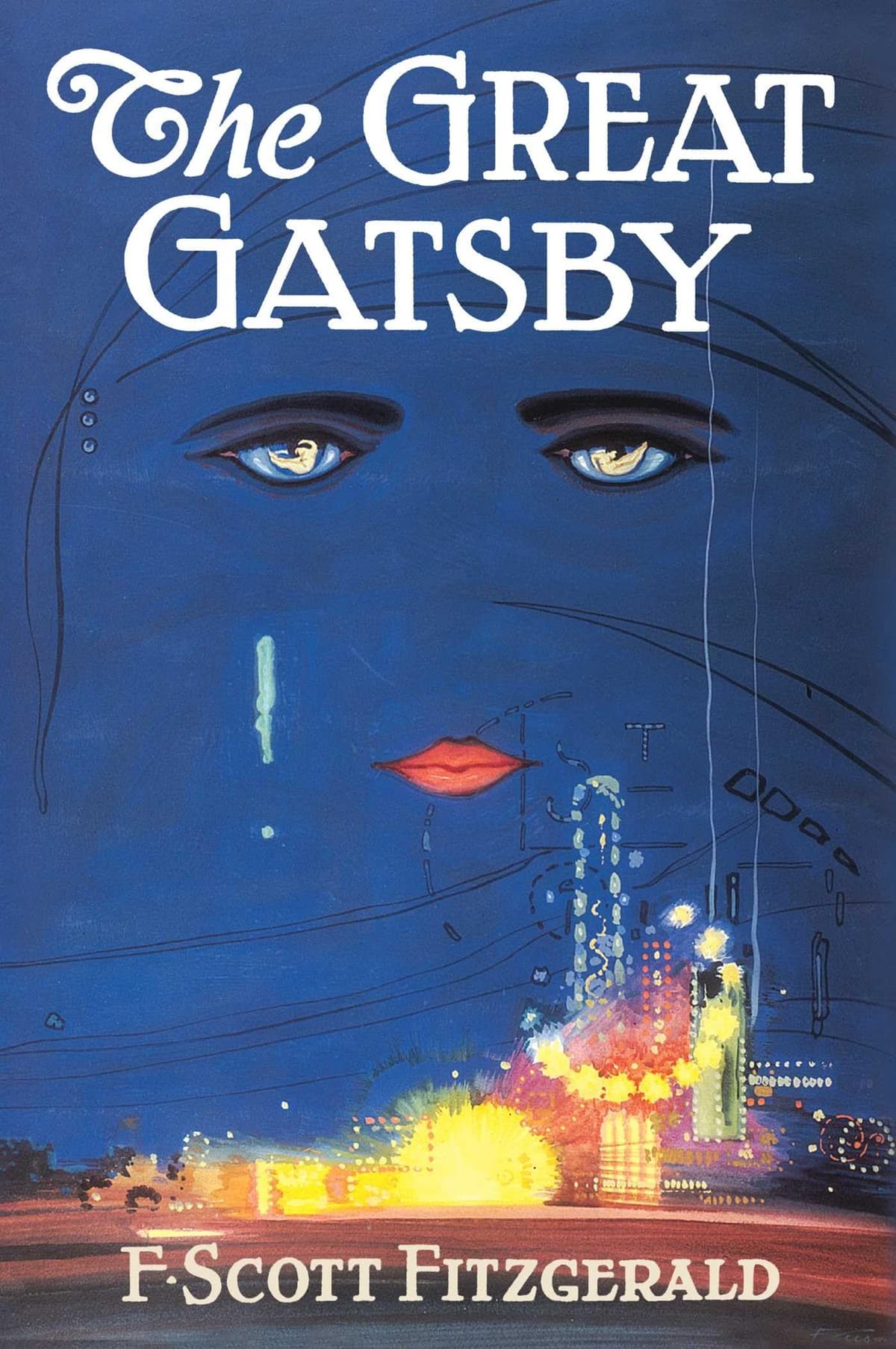 #3View Book
The Great Gatsby
F. Scott Fitzgerald
Accessible•5-6 hours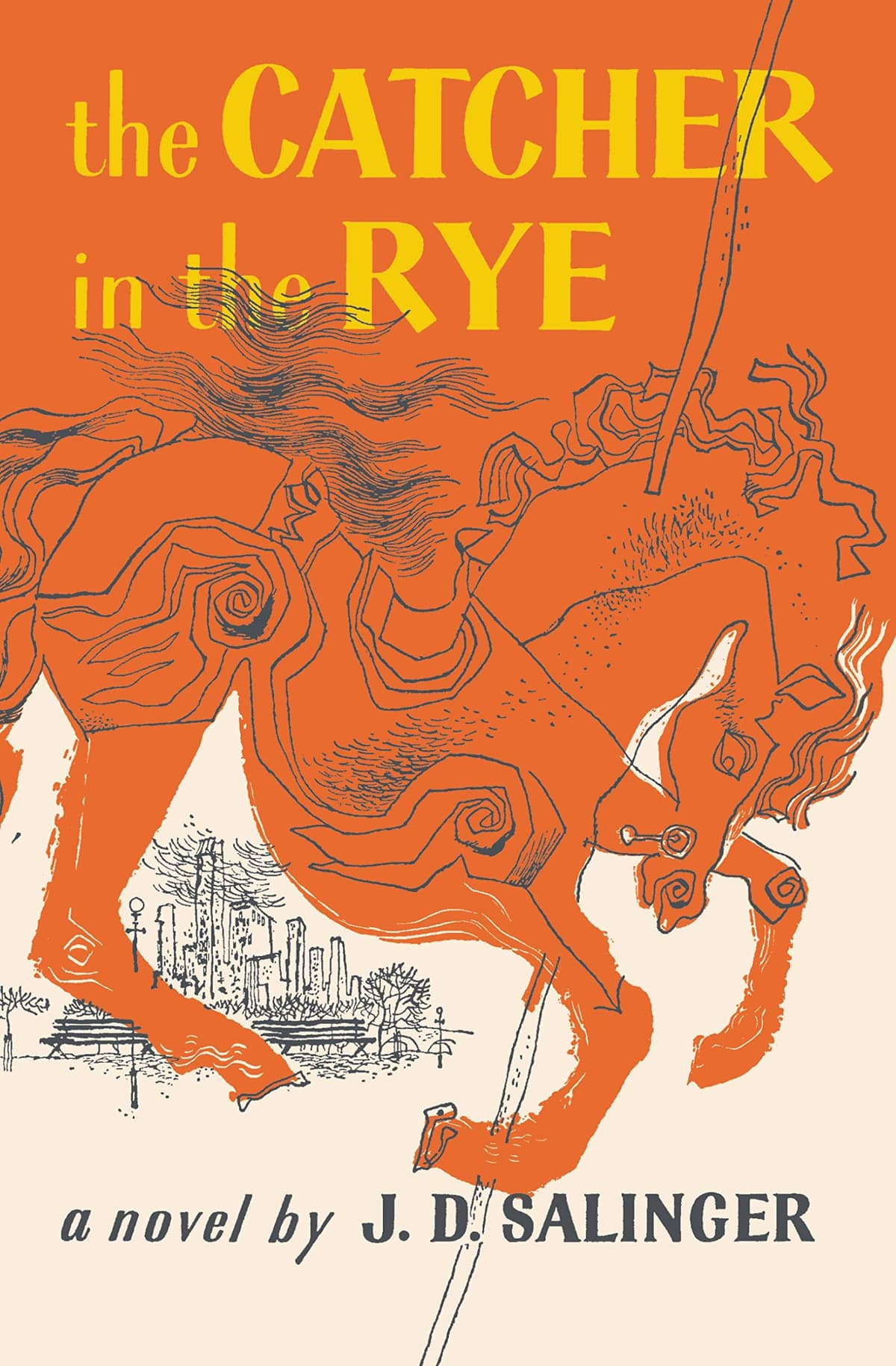 #4View Book
The Catcher in the Rye
J. D. Salinger
Accessible•6-8 hours #13View Book
Lolita
Vladimir Nabokov
Challenging•12-15 hours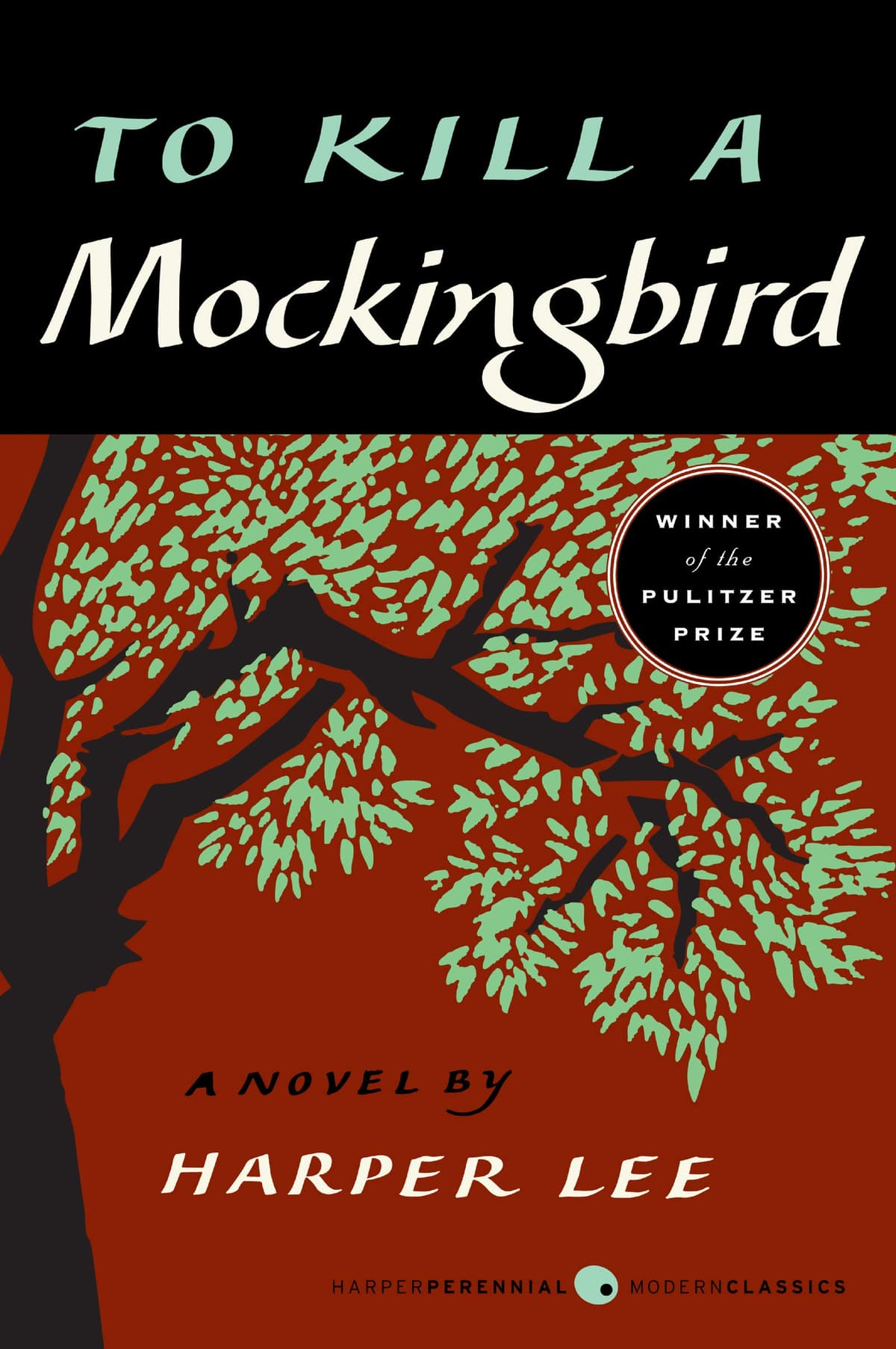 #17View Book
To Kill a Mockingbird
Harper Lee
Accessible•8-10 hours
Browse more collections