Underworld
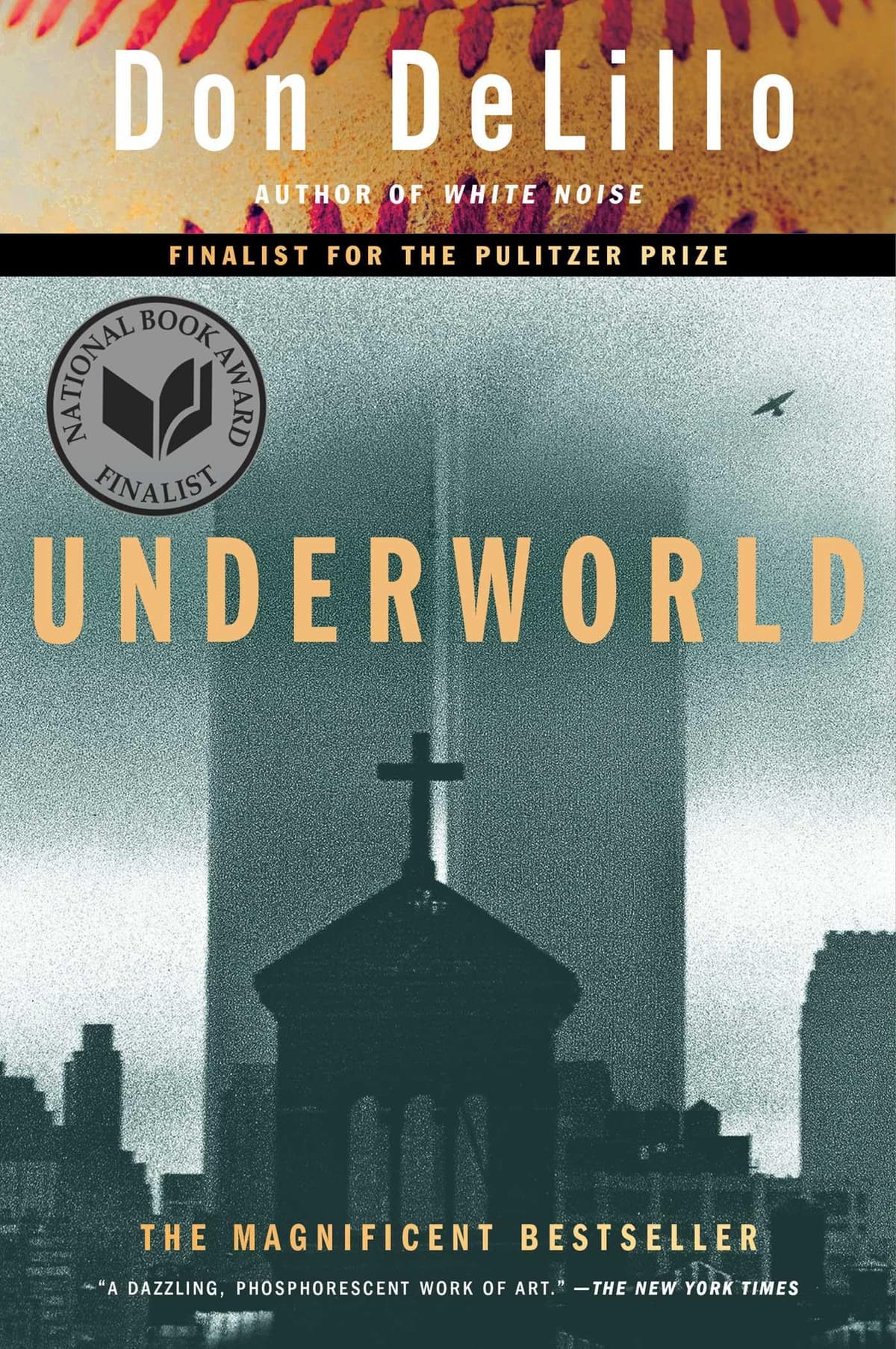
“He spoke in your voice, American, and there was a shine in his eye that made you think he was seeing you even though he wasn't.”
Underworld Summary
Underworld opens with one of the most celebrated set pieces in American fiction: the October 3, 1951, baseball game at the Polo Grounds in which Bobby Thomson hit the "Shot Heard 'Round the World" to win the pennant for the New York Giants, an event that coincided, on the same day, with the Soviet Union's detonation of its second atomic bomb. From this twinned moment of triumph and dread, the novel spirals backward and forward across the second half of the twentieth century, following the baseball as it passes from hand to hand and tracing the interconnected lives of dozens of characters: Nick Shay, a waste management executive haunted by a killing he committed as a Bronx teenager; Klara Sax, a visionary artist who paints decommissioned B-52 bombers in the desert; the Jesuit chess teacher who saved Nick from the streets; a stand-up comedian performing in the shadow of the Cuban Missile Crisis; graffiti artists, nuns, weapons designers, and the garbage archaeologists sifting through the refuse of the American century. The novel's vast canvas encompasses the Cold War, the counterculture, the Texas Highway Killer, the Fresh Kills landfill, and the strange intimacy between waste and weapons, between what a civilization creates and what it throws away.
DeLillo's magnum opus is a novel about everything America tried to forget during the Cold War: the bomb, the waste, the violence simmering beneath suburban calm. Its prose alternates between lyrical meditation and crackling vernacular, and its structure, moving backward through time from the 1990s to the 1950s, creates a powerful sense of archaeology, of digging through layers of history to reach the buried sources of contemporary anxiety. Underworld is both an elegy for the coherence that the Cold War paradoxically provided and a reckoning with the chaos that emerged in its absence. It stands as one of the defining American novels of its era, a book that tries to contain the uncontainable and very nearly succeeds.
Why Read Underworld?
Underworld is the great American novel of the Cold War era, and reading it is like holding the entire second half of the twentieth century in your hands. DeLillo writes with a prose style that can shift from the roar of a stadium crowd to the silence of a desert weapons test, from the chatter of a Bronx street corner to the meditative hum of a landfill, and every register feels perfectly calibrated. The novel's opening chapter, a sixty-page recreation of the 1951 pennant game, is one of the most thrilling pieces of writing in contemporary fiction, and it sets the stage for a narrative that finds connections between baseball, nuclear weapons, garbage, and art that illuminate the hidden logic of American life.
What makes Underworld essential is its ambition and its honesty. DeLillo takes on the entire culture, the paranoia, the consumerism, the violence, the creativity, and refuses to simplify any of it. The novel rewards patience and attention with moments of extraordinary beauty and insight, and its vision of America as a civilization defined as much by what it discards as by what it produces has only grown more resonant. If you want to understand the anxieties and contradictions that shaped the world you live in, there is no better place to start.
About Don DeLillo
Don DeLillo was born in the Bronx, New York, in 1936, the son of Italian immigrants. He grew up in a working-class neighborhood where the rhythms of street speech and the spectacle of American culture first caught his ear. He studied communication arts at Fordham University and worked as a copywriter at an advertising agency before committing himself to fiction. His early novels, including Americana, End Zone, and Great Jones Street, established him as a keen observer of the ways language, media, and technology shape American consciousness.
DeLillo's reputation grew steadily through the 1980s with White Noise, which won the National Book Award, and Libra, a fictional reconstruction of Lee Harvey Oswald's life. Underworld, published in 1997, was immediately recognized as his masterpiece and one of the great American novels. His subsequent works include The Body Artist, Cosmopolis, and Zero K, each exploring different facets of contemporary anxiety with his signature blend of philosophical depth and vernacular precision. DeLillo has received the PEN/Saul Bellow Award for lifetime achievement, the National Book Award, and the Jerusalem Prize. He is widely regarded as one of the most important American novelists of the late twentieth and early twenty-first centuries, a writer who mapped the inner life of a superpower with unmatched precision.
Reading Guide
Ranked #424 among the greatest books of all time, Underworld by Don DeLillo has earned its place in the literary canon. Originally written in English and published in 1997, this challenging read from United States continues to resonate with readers today.
This book belongs to our American Spirit and Modern Mind collections, where you can discover more books that share its spirit and themes.
If you enjoy challenging reads like this one, you might also like Ulysses, Moby-Dick, or Lolita.
From the American Spirit Collection
If you enjoyed Underworld, discover more masterpieces that share its spirit.
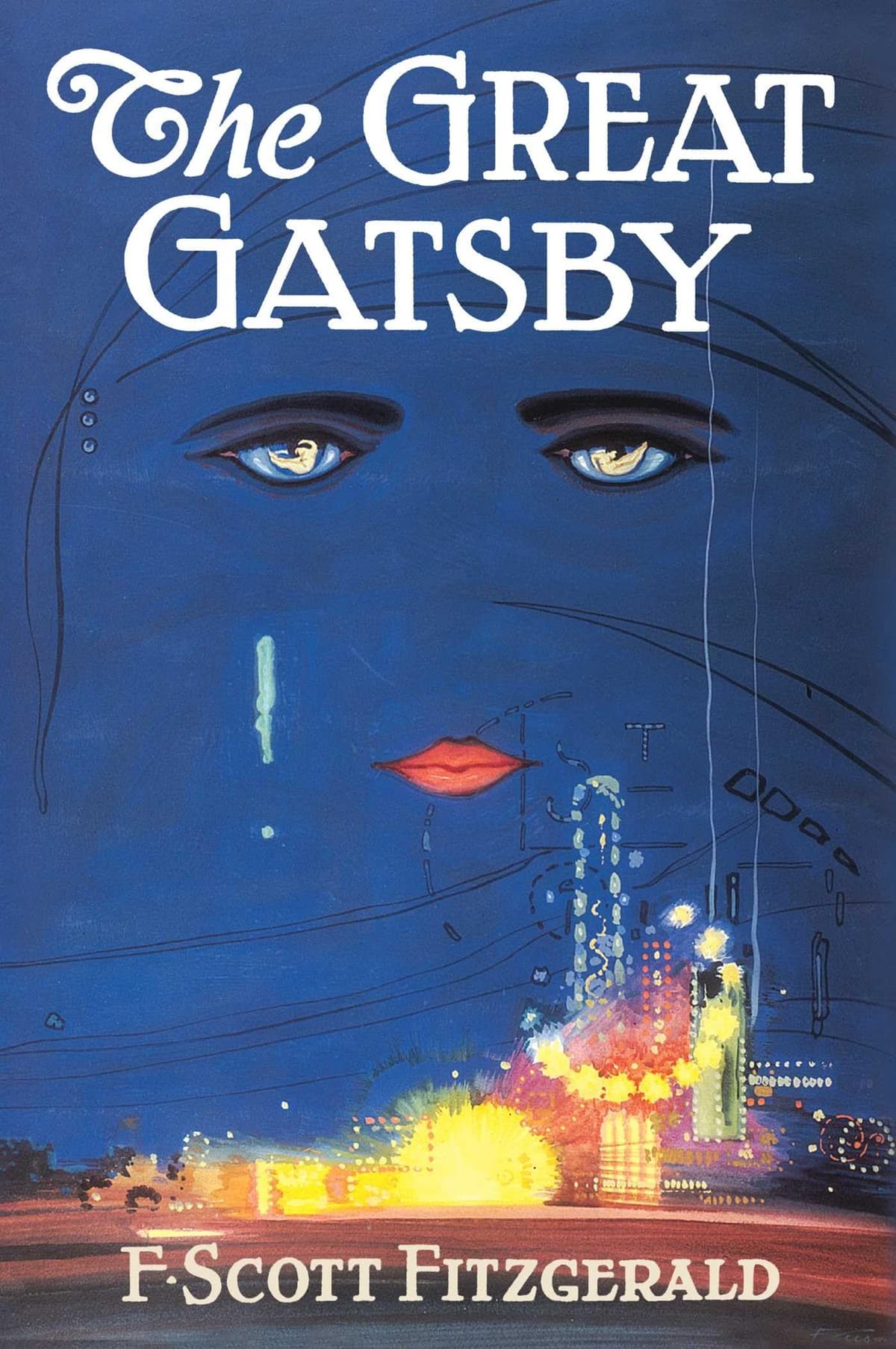 #3View Book
The Great Gatsby
F. Scott Fitzgerald
Accessible•5-6 hours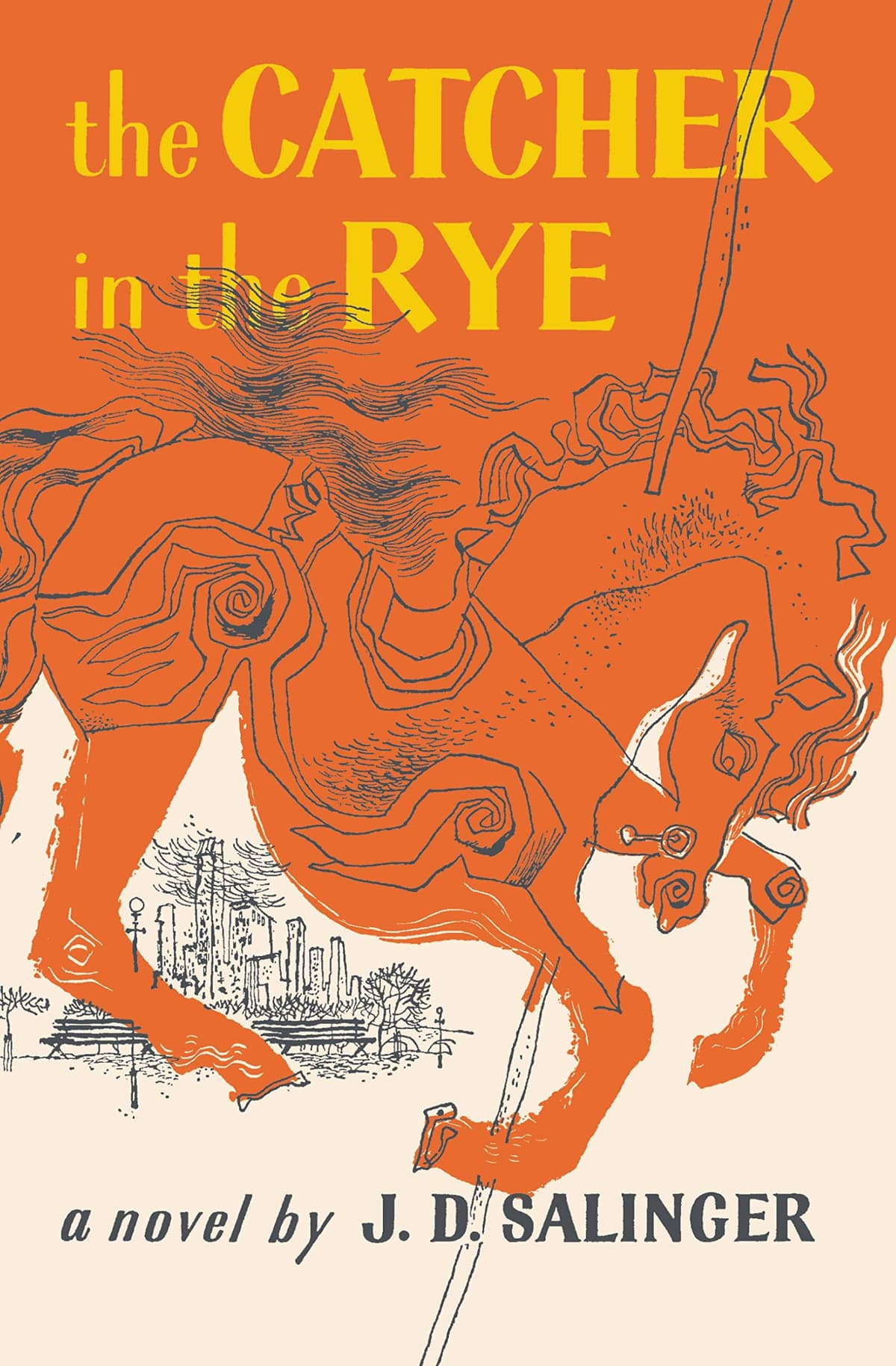 #4View Book
The Catcher in the Rye
J. D. Salinger
Accessible•6-8 hours #13View Book
Lolita
Vladimir Nabokov
Challenging•12-15 hours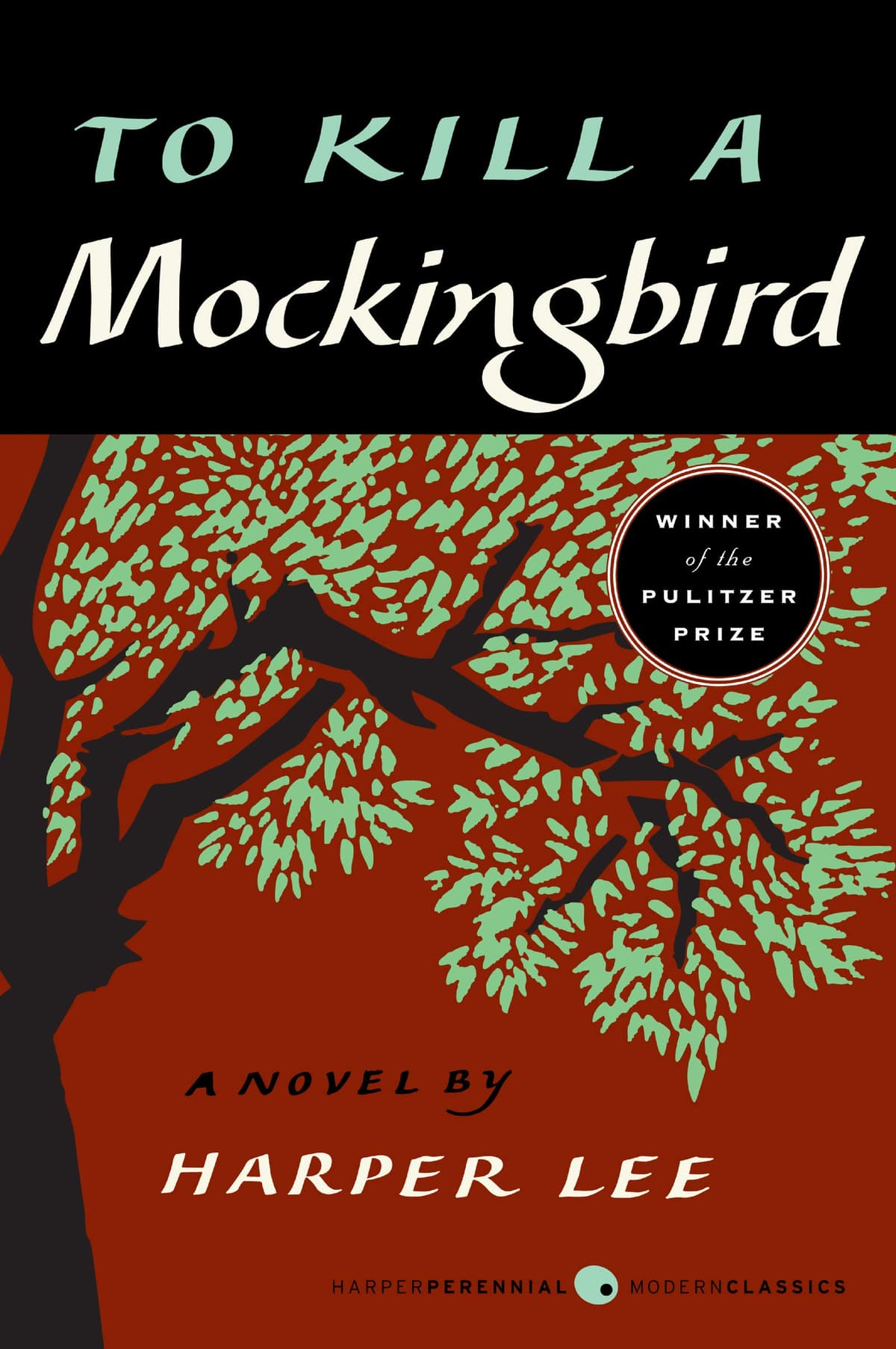 #17View Book
To Kill a Mockingbird
Harper Lee
Accessible•8-10 hours
Browse more collections