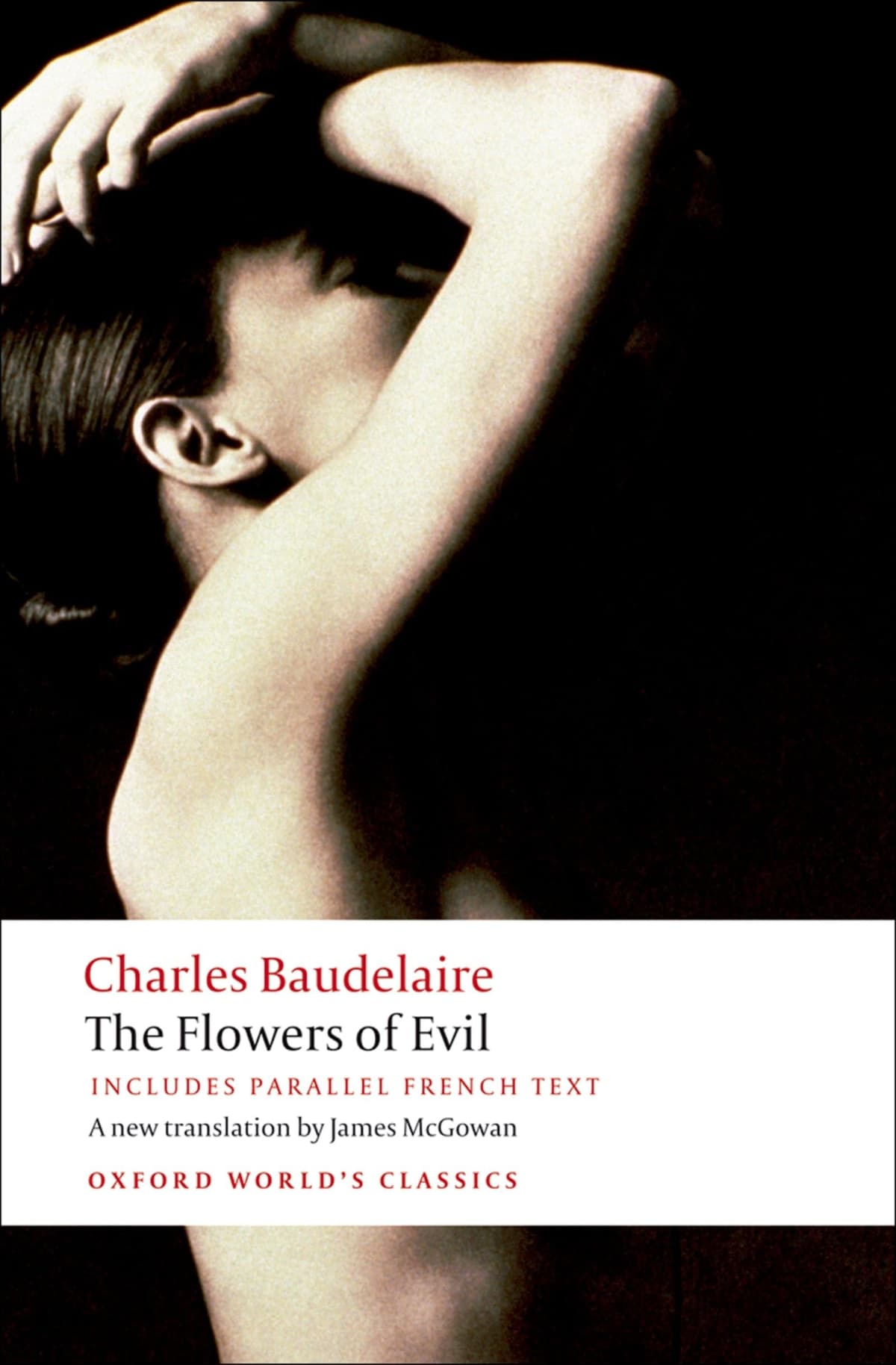
The Flowers of Evil
“Hypocrite reader,—my fellow,—my brother!”
The Flowers of Evil Summary
Charles Baudelaire gazes into the gutter and finds beauty there—dark, perfumed, intoxicating, and damned. The Flowers of Evil is a collection of poems that maps the landscape of a modern soul in revolt against bourgeois morality, boredom, and the relentless passage of time. Baudelaire walks the streets of Paris—its brothels, its morgues, its gaslit boulevards—and transforms the squalor of urban life into verses of shocking formal perfection. The collection moves through cycles of longing: "Spleen and Ideal" oscillates between ecstatic visions of beauty and crushing ennui; "Parisian Scenes" captures the electric alienation of the modern city; "Wine," "Flowers of Evil," and "Revolt" explore intoxication, transgression, and blasphemy; and "Death" offers the final, ambiguous voyage into the unknown.
When the book was published in 1857, Baudelaire was prosecuted for offending public morals, and six poems were banned—a scandal that only confirmed his status as the most dangerous poet of his age. But The Flowers of Evil is far more than provocation. Baudelaire's verse is classical in its precision—meticulous alexandrines, immaculate rhyme schemes—even as its subject matter shatters every convention of taste. He is the father of modern poetry, the first to make beauty from ugliness, to find the eternal in the transient, and to insist that the poet's true subject is the anguished consciousness of modern life. Every poet who came after him—Rimbaud, Mallarmé, Eliot, Rilke—walked through the door he opened.
Why Read The Flowers of Evil?
If poetry has ever felt safe or decorative to you, Baudelaire will cure you of that impression immediately. The Flowers of Evil is poetry as a dangerous act—a book that was literally put on trial for its unflinching exploration of desire, despair, and the beauty that festers in dark places. To read Baudelaire is to encounter a sensibility so modern, so attuned to the paradoxes of urban life, that you may forget these poems were written more than a century and a half ago.
What makes him indispensable is the marriage of formal mastery and radical content. Every poem is sculpted with lapidary precision—the rhythms, the rhymes, the images all working together like the movements of a clock—yet the emotions are raw, unfiltered, and utterly contemporary. Baudelaire taught the world that poetry could find its subjects in boredom, in addiction, in the fleeting glance of a stranger on a crowded street. He is the beginning of everything modern in verse, and reading him is like watching a new language being invented before your eyes.
About Charles Baudelaire
Charles Baudelaire (1821–1867) was born in Paris to a father who died when he was six and a mother who remarried a stern military officer the boy despised. He squandered a modest inheritance on a lavish bohemian lifestyle, contracted the syphilis that would eventually kill him, and spent much of his adult life in poverty, debt, and opium-tinged despair. Yet from this wreckage he produced a body of work that remade Western poetry. The Flowers of Evil, first published in 1857 and revised in 1861, was his only collection of verse, but it was enough to change everything.
Baudelaire was also a pioneering critic and essayist—his writings on Delacroix, Wagner, and Constantin Guys established new standards for art criticism—and his translations of Edgar Allan Poe introduced the American writer to the French-speaking world. He suffered a debilitating stroke in 1866 and died in Paris the following year at the age of forty-six. His influence on the Symbolists, the Decadents, and virtually every school of modern poetry is immeasurable; T. S. Eliot called him "the greatest exemplar of modern poetry in any language."
Reading Guide
Ranked #173 among the greatest books of all time, The Flowers of Evil by Charles Baudelaire has earned its place in the literary canon. Originally written in French and published in 1857, this challenging read from France continues to resonate with readers today.
This book belongs to our Gothic & Dark and Modern Mind collections, where you can discover more books that share its spirit and themes.
If you enjoy challenging reads like this one, you might also like Ulysses, Moby-Dick, or Lolita.
From the Gothic & Dark Collection
If you enjoyed The Flowers of Evil, discover more masterpieces that share its spirit.
 #15View Book
Wuthering Heights
Emily Brontë
Moderate•10-12 hours #29View Book
Jane Eyre
Charlotte Brontë
Accessible•15-20 hours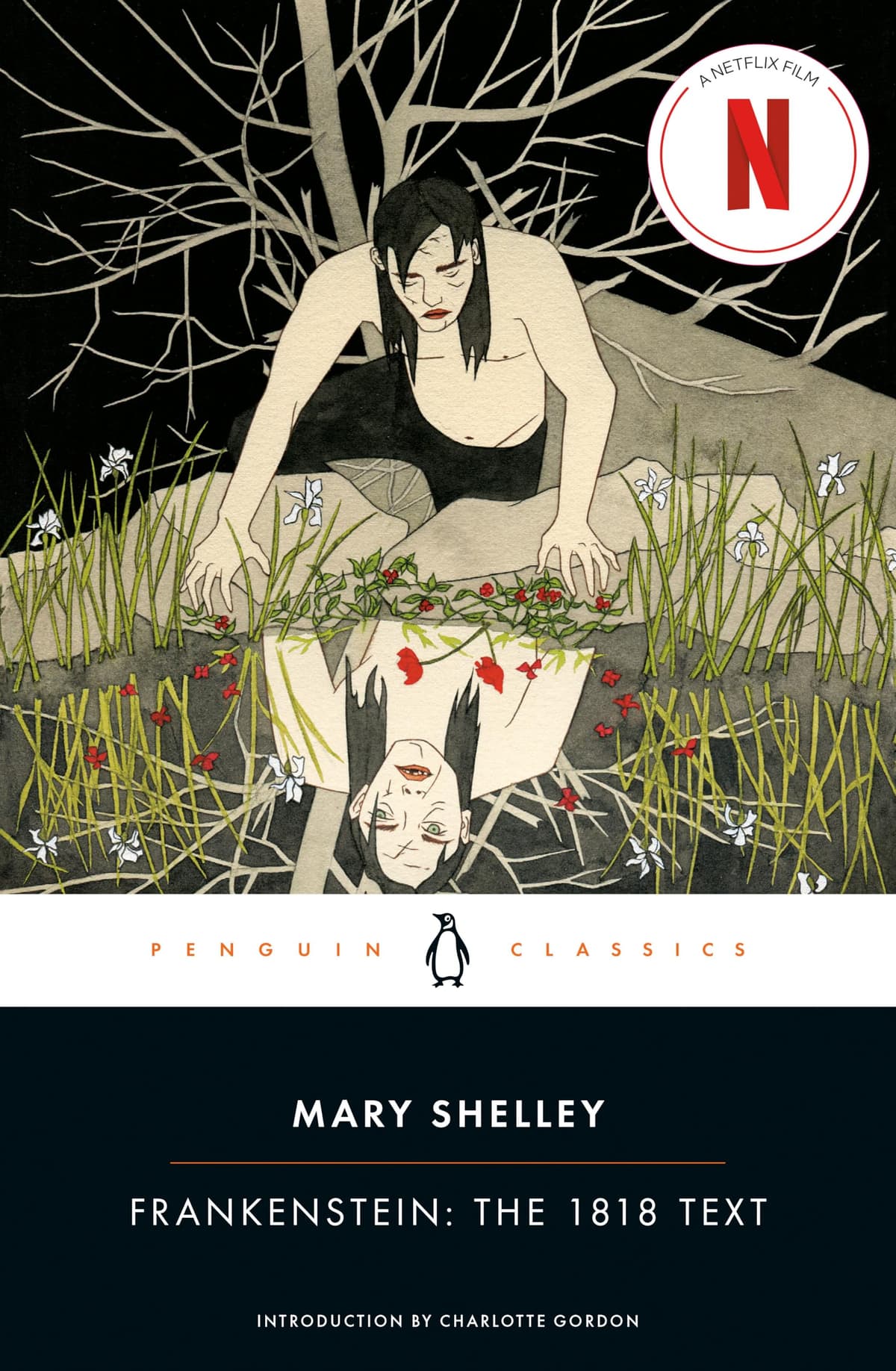 #41View Book
Frankenstein
Mary Shelley
Accessible•6-8 hours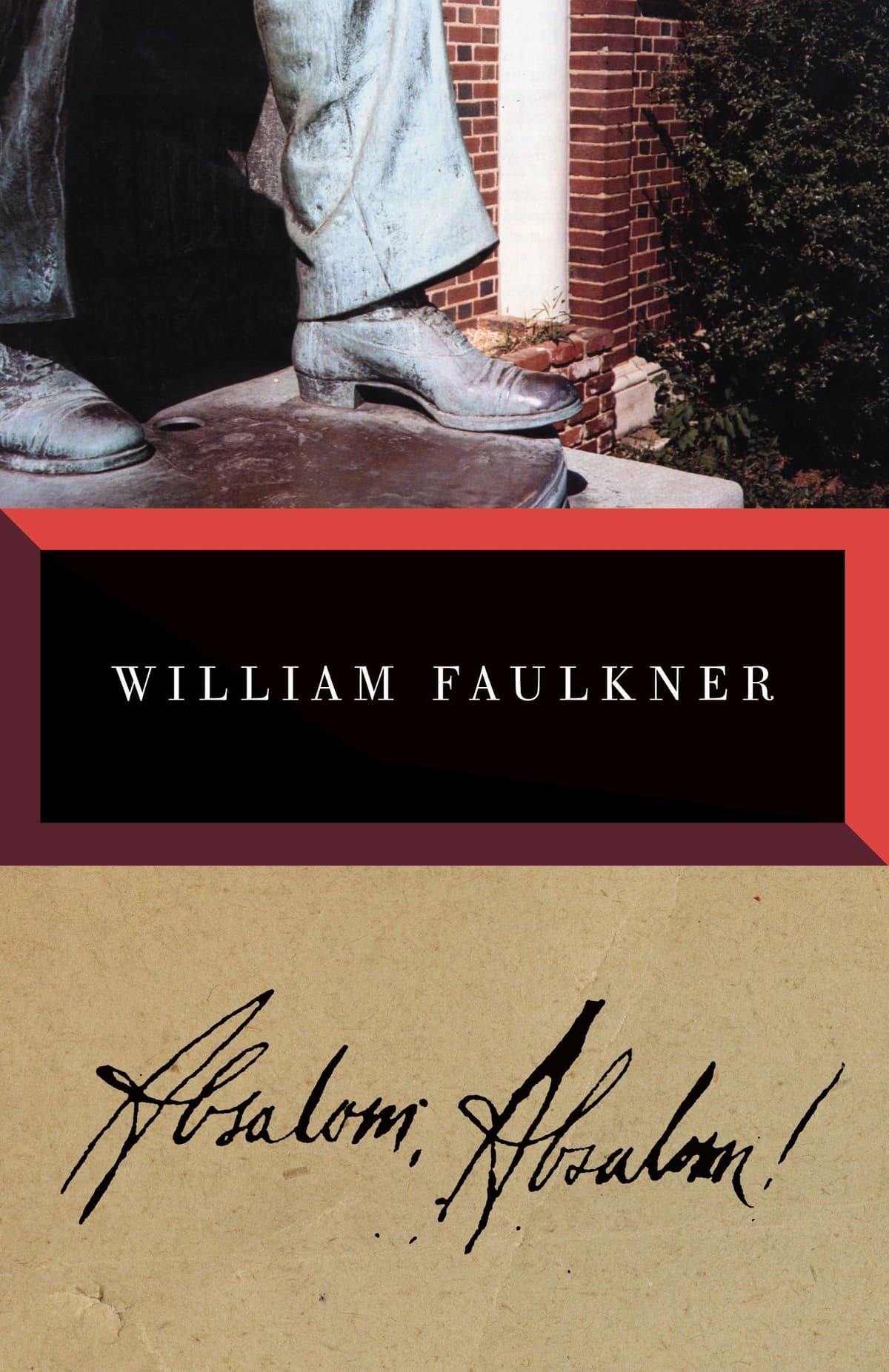 #44View Book
Absalom, Absalom!
William Faulkner
Very High•12-15 hours
Browse more collections