Siddhartha

“The river is everywhere.”
Siddhartha Summary
A young Brahmin's son in ancient India—handsome, brilliant, adored—abandons his privileged life to seek the meaning of existence. Siddhartha leaves home with the wandering ascetics, starves his body, masters meditation, and even sits at the feet of Gotama the Buddha himself, yet finds that no teacher and no doctrine can give him what he seeks. He must learn for himself. And so he plunges into the opposite extreme—the world of the senses, of wealth, of a beautiful courtesan named Kamala—only to discover that pleasure, too, is a dead end. Despairing and suicidal, he arrives at a river and finds an old ferryman named Vasudeva, and it is here, listening to the water's murmur, that he begins at last to understand.
Hermann Hesse's slim, luminous fable traces a single soul's journey through every mode of human experience—asceticism, sensuality, commerce, fatherhood, solitude—toward a wisdom that cannot be taught, only lived. The prose has the clarity and stillness of a mountain stream; each sentence is polished to transparency. Siddhartha is not a Buddhist novel but a novel about the search itself—the idea that enlightenment is not a destination but the sum of all one's wanderings, sufferings, and surrenders. It is a book that speaks to anyone who has ever felt that the answers offered by the world are not quite enough.
Why Read Siddhartha?
There are books you read at twenty that change the way you see the world, and Siddhartha is one of them. Hesse distills the entire human search for meaning into fewer than two hundred pages—a story so simple it reads like a parable, yet so deep it rewards rereading at every stage of life. At twenty, you may identify with the restless young seeker who rejects every ready-made answer; at forty, with the man who has tasted success and found it hollow; at sixty, with the ferryman who has learned to listen.
The novel's genius is its universality. Though set in the India of the Buddha's time, it belongs to no single religion or philosophy. It insists that wisdom cannot be transmitted through words or teachings—only through the full, fearless engagement with life in all its beauty and suffering. Hesse's prose is serene and hypnotic, carrying you downstream like the river that becomes the book's central metaphor. You will finish it in an afternoon and carry its quiet lessons for years.
About Hermann Hesse
Hermann Hesse (1877–1962) was born in Calw, in the Black Forest region of Germany, into a family of Protestant missionaries with deep ties to India. He rebelled against the rigid expectations of his upbringing, fleeing a theological seminary as a teenager and suffering a nervous breakdown before finding his vocation as a writer. His early novels, including Peter Camenzind and Beneath the Wheel, drew on his youthful struggles, but it was his encounter with Indian philosophy and Jungian psychoanalysis that transformed his art.
Siddhartha (1922) was written during a period of intense engagement with Eastern thought, and it became—along with Steppenwolf, Narcissus and Goldmund, and The Glass Bead Game—one of the defining works of his career. Hesse was awarded the Nobel Prize in Literature in 1946. His novels, with their emphasis on self-discovery, spiritual seeking, and the tension between the individual and society, experienced a massive revival during the 1960s counterculture and continue to find devoted readers among those embarking on their own journeys of inner exploration.
Reading Guide
Ranked #172 among the greatest books of all time, Siddhartha by Hermann Hesse has earned its place in the literary canon. Originally written in German and published in 1922, this accessible read from Germany continues to resonate with readers today.
This book belongs to our Philosophy & Faith collection, where you can discover more books that share its spirit and themes.
If you enjoy accessible reads like this one, you might also like The Great Gatsby, The Catcher in the Rye, or Pride and Prejudice.
From the Philosophy & Faith Collection
If you enjoyed Siddhartha, discover more masterpieces that share its spirit.
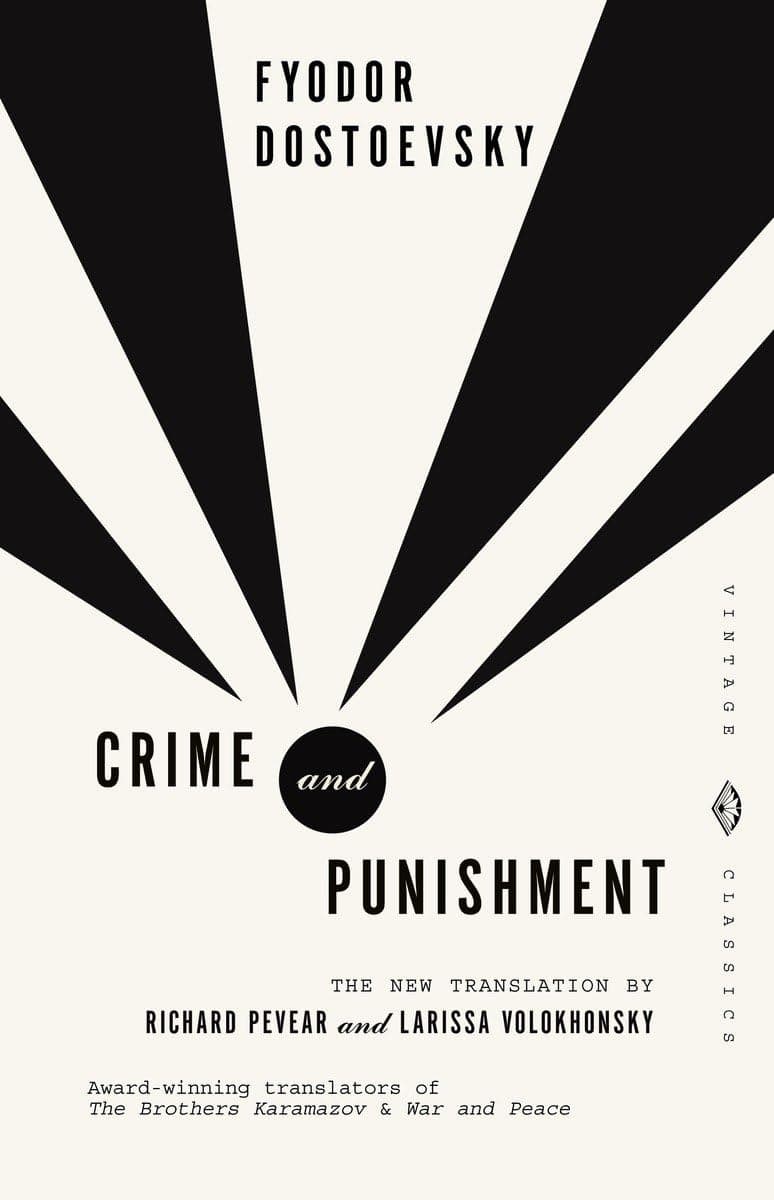 #11View Book
Crime and Punishment
Fyodor Dostoevsky
High•20-25 hours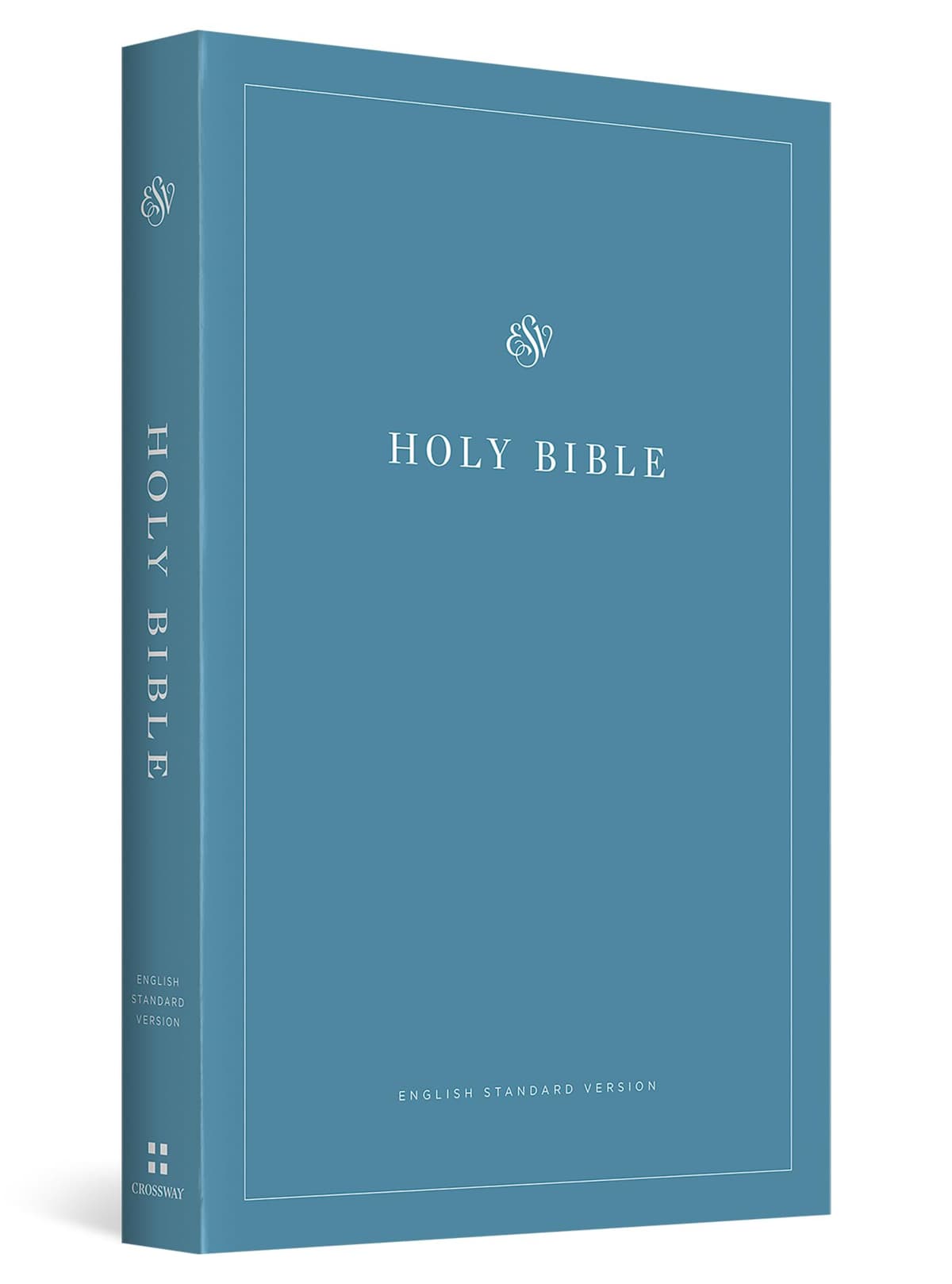 #18View Book
The Bible
Various
Variable•60-80 hours #19View Book
The Brothers Karamazov
Fyodor Dostoevsky
Very High•35-40 hours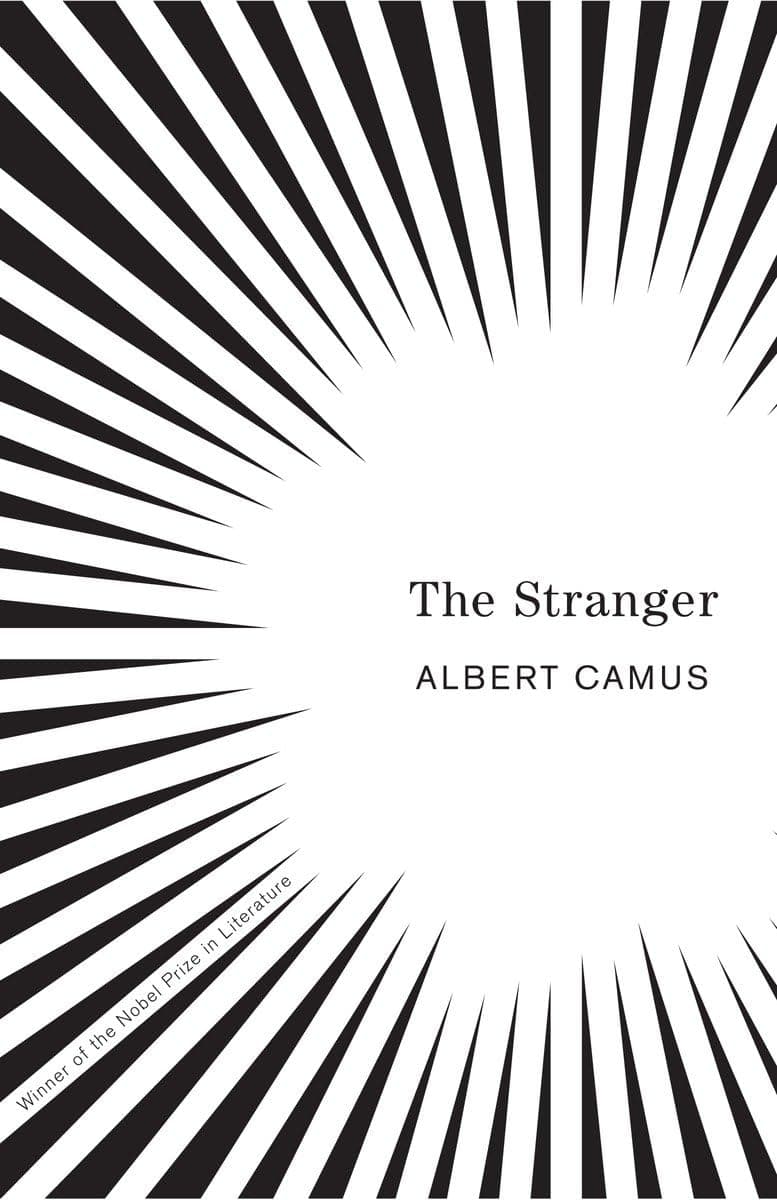 #21View Book
The Stranger
Albert Camus
Moderate•3-4 hours
Browse more collections