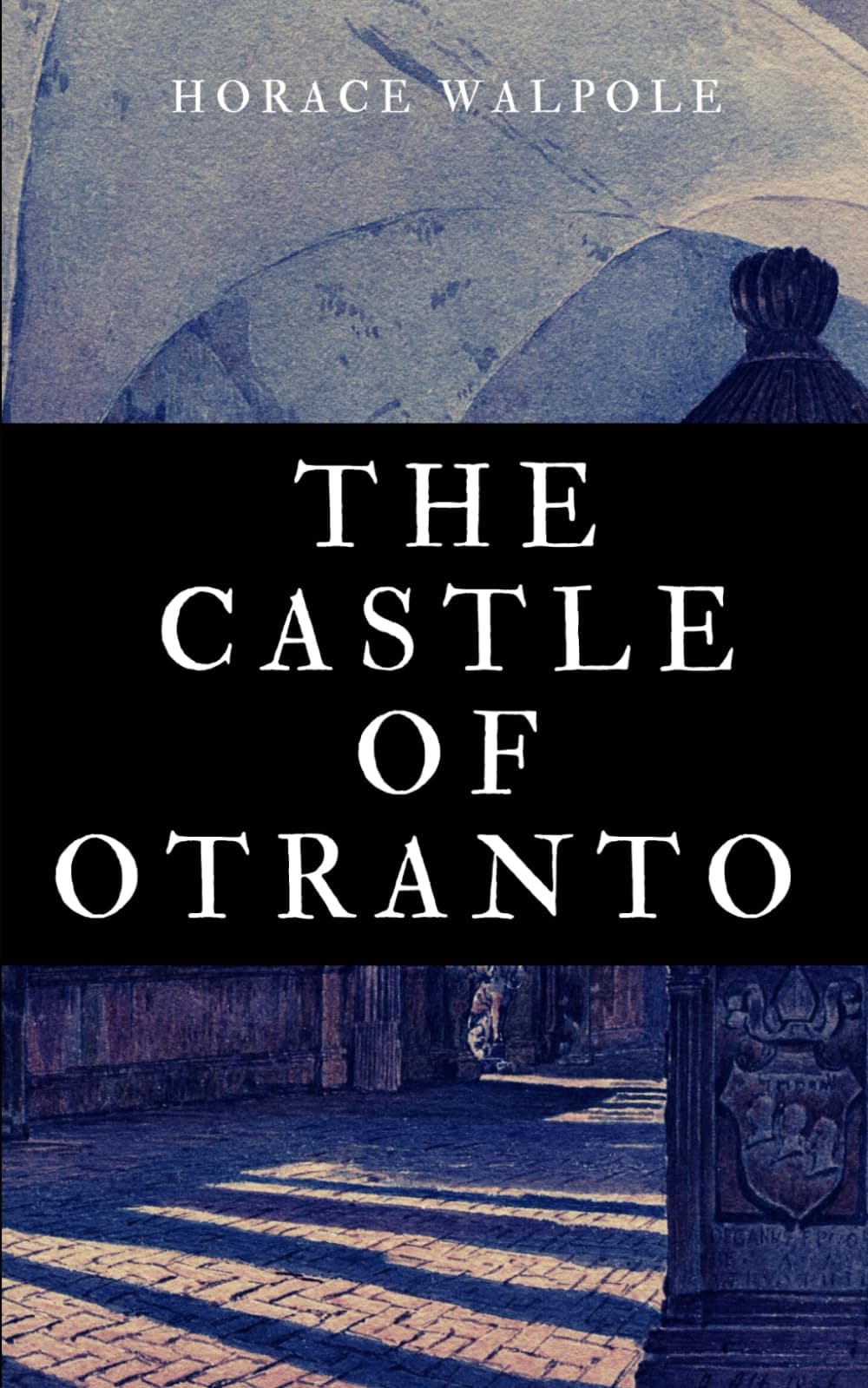
The Castle of Otranto
“A bystander often sees more of the game than those who play.”
The Castle of Otranto Summary
On the wedding day of his son Conrad, Prince Manfred of Otranto watches in horror as a giant helmet falls from the sky and crushes the young man to death in the castle courtyard. This supernatural catastrophe sets in motion a frantic sequence of events as Manfred, desperate to secure his dynasty, attempts to divorce his wife Hippolita and marry the beautiful Isabella, Conrad's intended bride. Isabella flees through underground passages beneath the castle, aided by the mysterious peasant Theodore, who bears an uncanny resemblance to a portrait of the castle's former lord. As the castle is plagued by increasingly bizarre supernatural occurrences, including a giant armored figure assembling itself piece by piece throughout the building, the dark truth about Manfred's illegitimate claim to Otranto slowly emerges, hurtling toward a violent climax of recognition and retribution.
Published in 1764, The Castle of Otranto is universally recognized as the first Gothic novel, the book that single-handedly invented a genre. Walpole originally published it as a supposed medieval Italian manuscript to test the reading public's appetite for supernatural fiction, and its success was immediate and transformative. Its conventions, the haunted castle, the tyrannical patriarch, the persecuted maiden, secret passages, ancient prophecies, and supernatural portents, became the foundational vocabulary of Gothic literature, directly inspiring Ann Radcliffe, Matthew Lewis, Mary Shelley, and Bram Stoker. Despite its brevity and melodramatic plotting, the novel remains a fascinating artifact of literary history and a surprisingly entertaining read, a book whose influence far exceeds its modest dimensions.
Why Read The Castle of Otranto?
Every ghost story, every haunted house, every dark castle on a hill in Western literature traces its lineage back to this short, wild novel. Reading The Castle of Otranto is like discovering the seed from which an entire literary forest grew. Walpole's innovation was to take the supernatural seriously as a narrative engine, deploying giant helmets, bleeding statues, and spectral apparitions not as metaphors but as literal events that drive the plot. The result is a reading experience that is simultaneously thrilling and slightly absurd, a combination that proves to be the secret formula of the Gothic genre itself.
At under a hundred pages, this is a novel that demands almost nothing in terms of time commitment and delivers an outsized return in literary understanding. To read it is to see the moment when fiction discovered it could terrify, and to trace the direct line from Walpole's medieval fantasies to Frankenstein, Dracula, and the entire tradition of horror fiction. For anyone who has ever been drawn to the dark, the supernatural, or the atmospheric in literature, this is where it all began, and it remains a genuinely entertaining story in its own right.
About Horace Walpole
Horace Walpole was born in 1717 as the son of Robert Walpole, generally regarded as the first Prime Minister of Great Britain. Educated at Eton and Cambridge, he became a member of Parliament but devoted the bulk of his energy to literary, artistic, and architectural pursuits. His most famous creation beyond The Castle of Otranto was Strawberry Hill House, a villa in Twickenham that he rebuilt in a fanciful Gothic Revival style, establishing the aesthetic connection between Gothic architecture and Gothic literature that persists to this day.
Walpole was a prodigious letter writer whose correspondence, running to thousands of pages, provides one of the most vivid records of eighteenth-century English social and political life. He published The Castle of Otranto in 1764 under a pseudonym, presenting it as a translation of a medieval Italian manuscript, and only revealed his authorship after the book's success was assured. He inherited the title of Earl of Orford late in life and died in 1797. While his literary output was relatively modest, the cultural impact of his Gothic novel and his Gothic house was enormous, effectively launching both a literary genre and an architectural movement that would shape Western culture for centuries.
Reading Guide
Ranked #333 among the greatest books of all time, The Castle of Otranto by Horace Walpole has earned its place in the literary canon. Originally written in English and published in 1764, this accessible read from United Kingdom continues to resonate with readers today.
This book belongs to our Gothic & Dark collection, where you can discover more books that share its spirit and themes.
If you enjoy accessible reads like this one, you might also like The Great Gatsby, The Catcher in the Rye, or Pride and Prejudice.
From the Gothic & Dark Collection
If you enjoyed The Castle of Otranto, discover more masterpieces that share its spirit.
 #15View Book
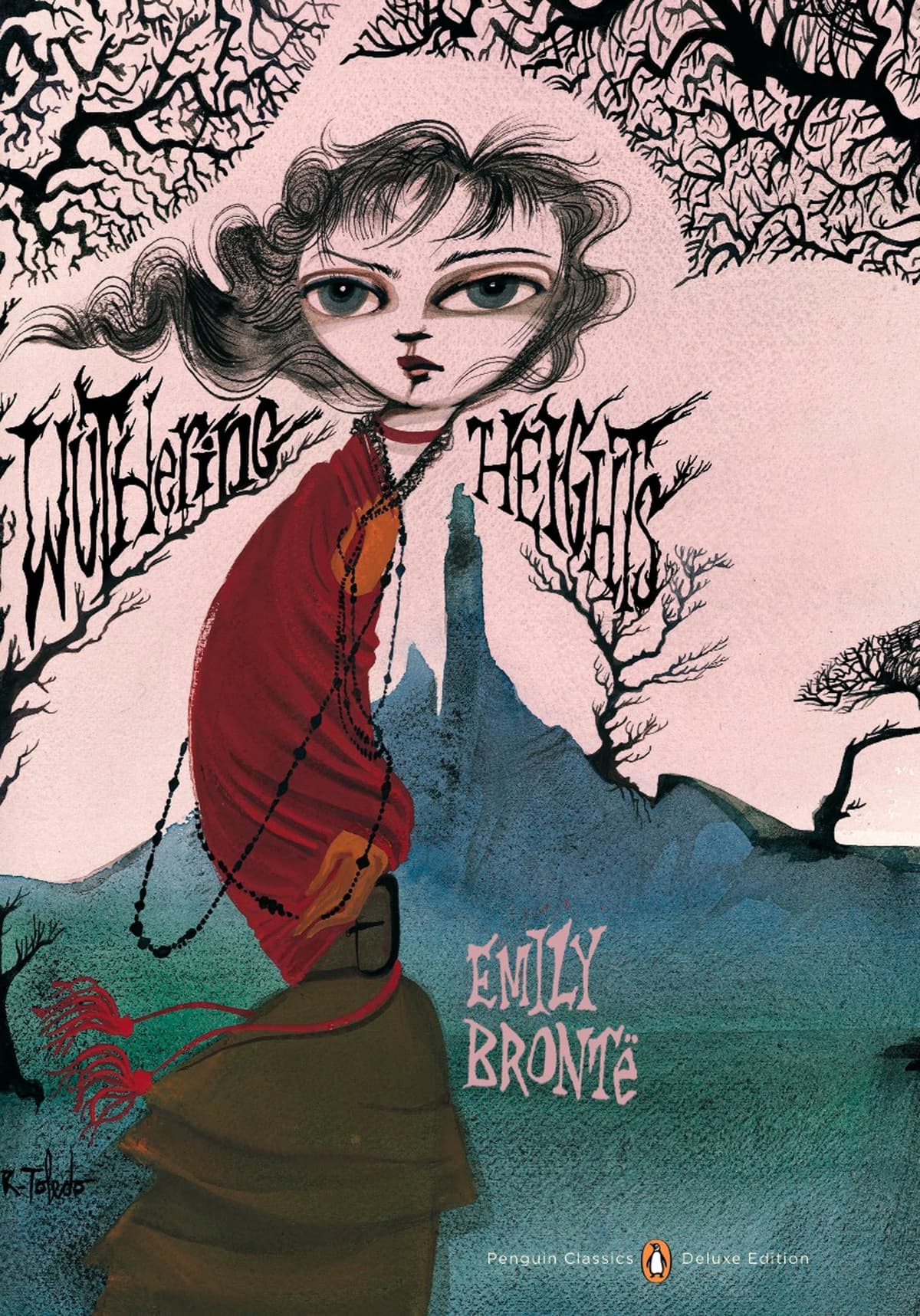
Wuthering Heights
Emily Brontë
Moderate•10-12 hours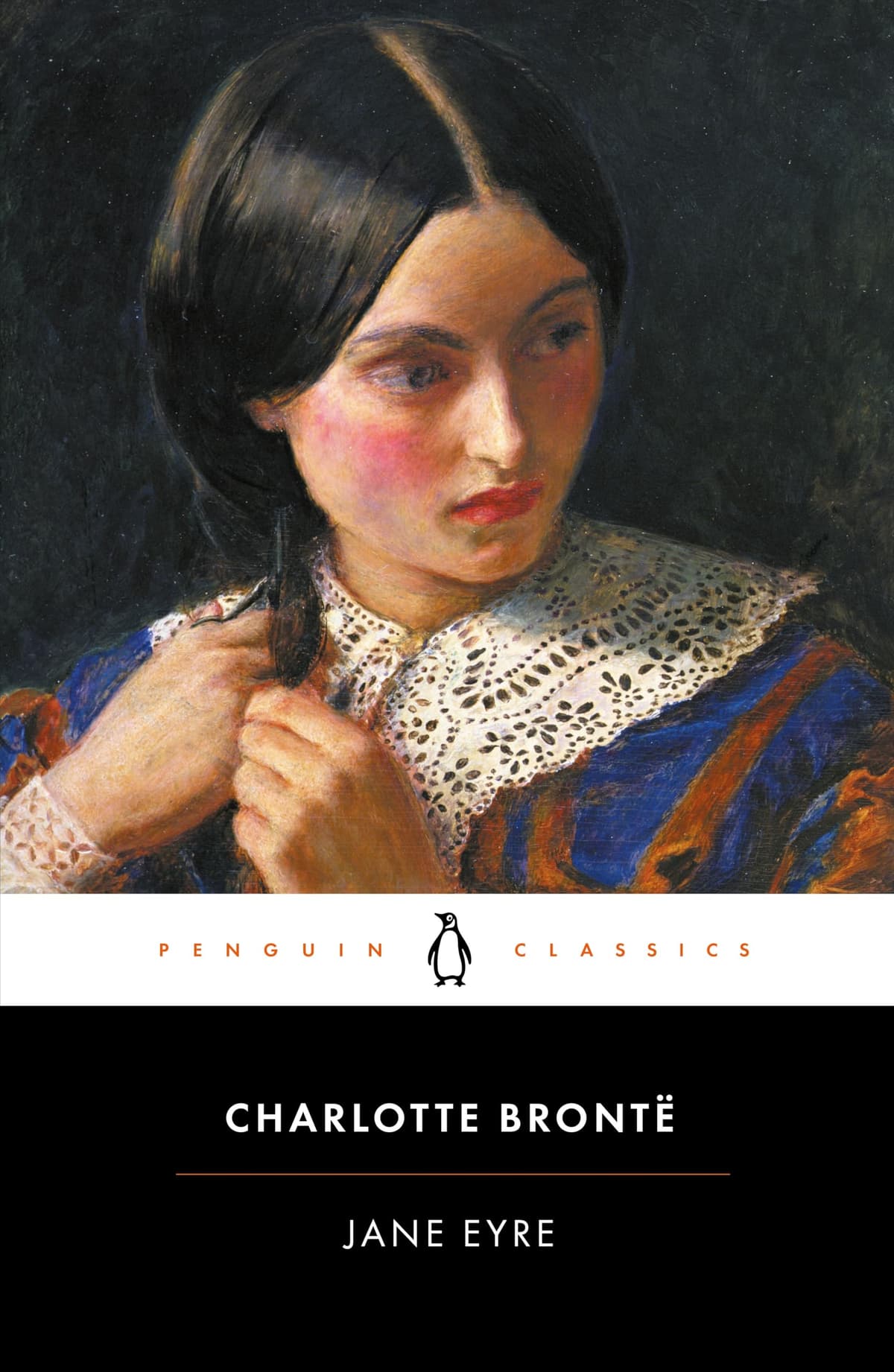 #29View Book
Jane Eyre
Charlotte Brontë
Accessible•15-20 hours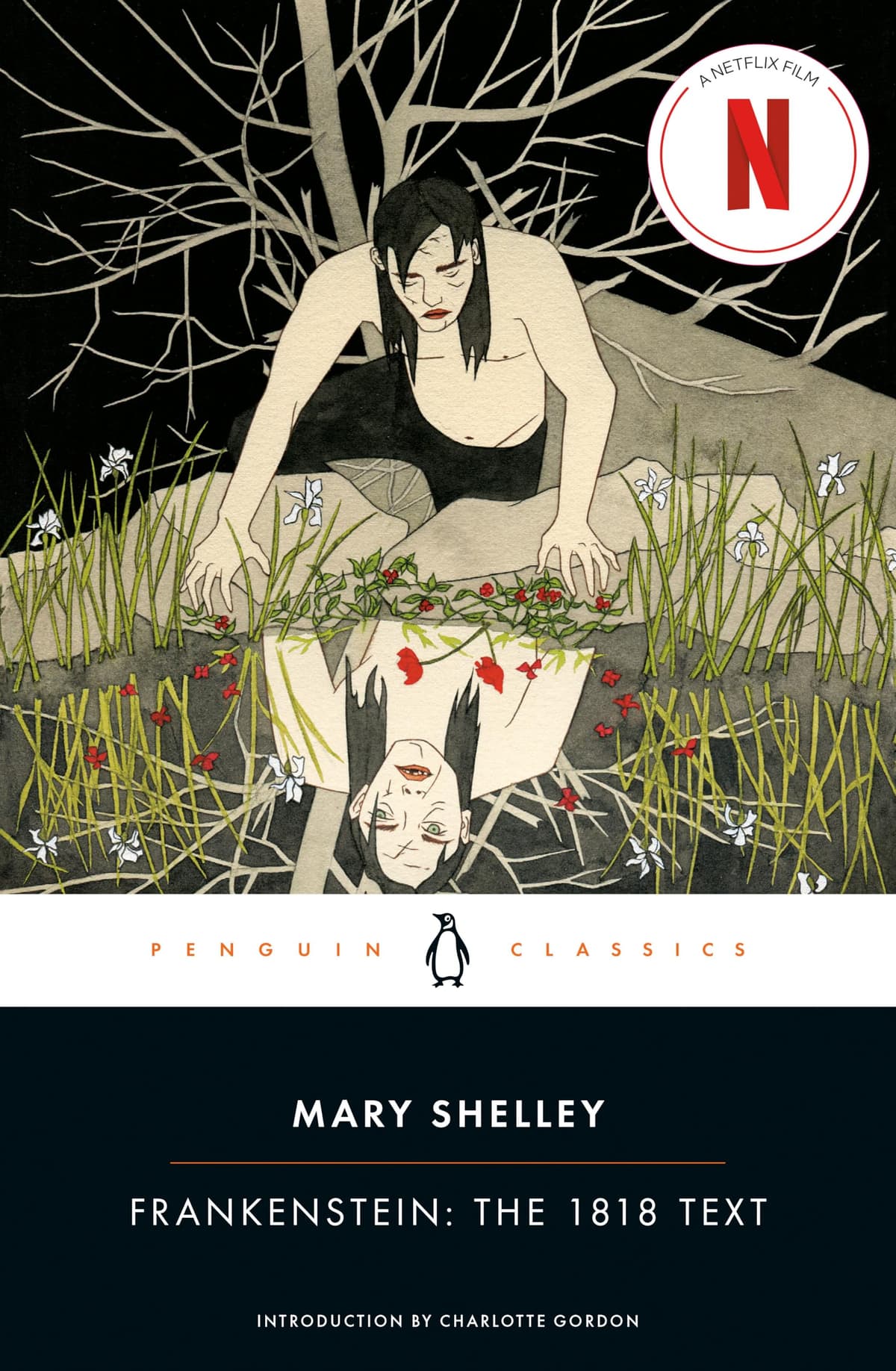 #41View Book
Frankenstein
Mary Shelley
Accessible•6-8 hours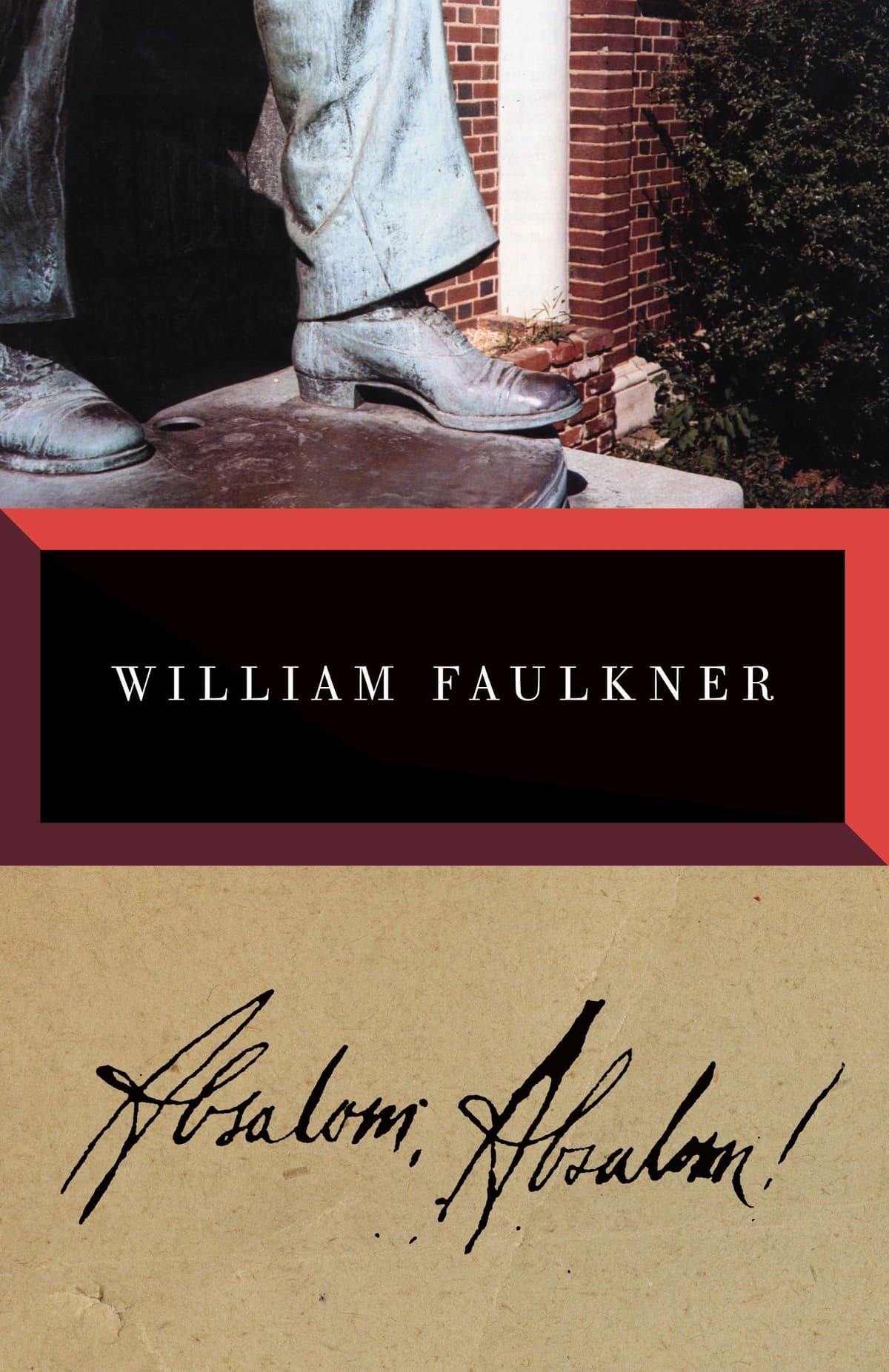 #44View Book
Absalom, Absalom!
William Faulkner
Very High•12-15 hours
Browse more collections