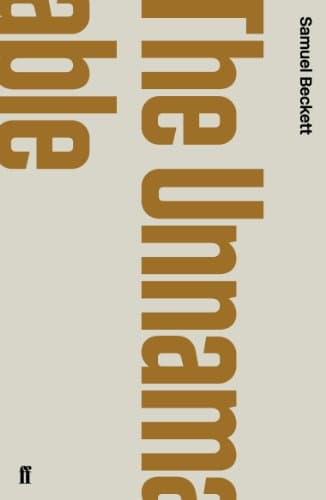
The Unnamable
“I can't go on, I'll go on.”
The Unnamable Summary
The Unnamable is the final volume of Samuel Beckett's trilogy of novels, following Molloy and Malone Dies, and it pushes the dissolution of narrative identity to its ultimate extreme. A disembodied voice, which may or may not be a creature named Mahood or Worm, speaks ceaselessly from an undefined void. The narrator cannot confirm who it is, where it is, or whether the characters from the previous novels were its own inventions. Seated perhaps in a jar outside a restaurant, or perhaps nowhere at all, the voice cycles through attempts to define itself, tell stories, and achieve silence. Each assertion is immediately undermined, each identity tried on and discarded. The prose gradually sheds conventional punctuation, paragraph breaks, and logical connectors, becoming a single torrential monologue that surges toward the novel's famous final words.
Beckett strips the novel form down to its most elemental component: a voice that cannot stop speaking and cannot say what it means. The Unnamable confronts the fundamental paradox of language and selfhood with a relentlessness that is both harrowing and darkly comic. Every attempt the narrator makes to define itself through words only generates more words, more stories, more masks. The book stands as one of the most radical experiments in literary history, a work that influenced the French nouveau roman, poststructuralist philosophy, and generations of experimental writers. It asks whether a self exists independently of the language that tries to articulate it, and it answers with a voice that cannot go on but goes on anyway.
Why Read The Unnamable?
There is no other reading experience quite like this one. Beckett's monologue pulls the floor out from under every assumption about what a novel is supposed to do. There are no characters in the conventional sense, no plot, no setting that holds still. What remains is the pure act of consciousness struggling to know itself through language, and the devastating discovery that language may be incapable of delivering that knowledge. The experience is disorienting, funny, and strangely moving in ways that are difficult to articulate, which is precisely Beckett's point.
Reading The Unnamable is an encounter with the outer boundary of literary possibility. It demolishes the comfortable contract between reader and text and replaces it with something more honest and more unsettling: the recognition that the stories we tell about ourselves may be nothing more than strategies to fill the silence. For anyone interested in what literature can do when it abandons every conventional prop, this slim, ferocious book is indispensable. Its final sentence alone is one of the most quoted passages in twentieth-century literature.
About Samuel Beckett
Samuel Beckett was born in 1906 in Foxrock, a suburb of Dublin, Ireland, and educated at Trinity College Dublin, where he excelled in French and Italian. After a period as a lecturer and a literary assistant to James Joyce in Paris, he committed himself to writing, eventually choosing to compose primarily in French to strip his prose of the literary associations of English. His trilogy of novels, Molloy, Malone Dies, and The Unnamable, written in a burst of creativity between 1947 and 1950, established him as one of the most uncompromising voices in modern literature.
Beckett achieved worldwide fame with Waiting for Godot in 1953 and went on to produce a body of drama, fiction, and poetry of extraordinary austerity and power. He was awarded the Nobel Prize in Literature in 1969, which he accepted with characteristic reluctance, calling the honor a catastrophe. He lived quietly in Paris for most of his adult life and died there in 1989. Beckett's influence on literature, theater, and philosophy is immense: he demonstrated that art could be made from reduction, silence, and failure, and his work remains the touchstone for all subsequent explorations of minimalism in narrative and performance.
Reading Guide
Ranked #332 among the greatest books of all time, The Unnamable by Samuel Beckett has earned its place in the literary canon. Originally written in French and published in 1953, this very high read from Ireland continues to resonate with readers today.
This book belongs to our Modern Mind collection, where you can discover more books that share its spirit and themes.
If you enjoy very high reads like this one, you might also like The Sound and the Fury, War and Peace, or The Brothers Karamazov.
From the Modern Mind Collection
If you enjoyed The Unnamable, discover more masterpieces that share its spirit.
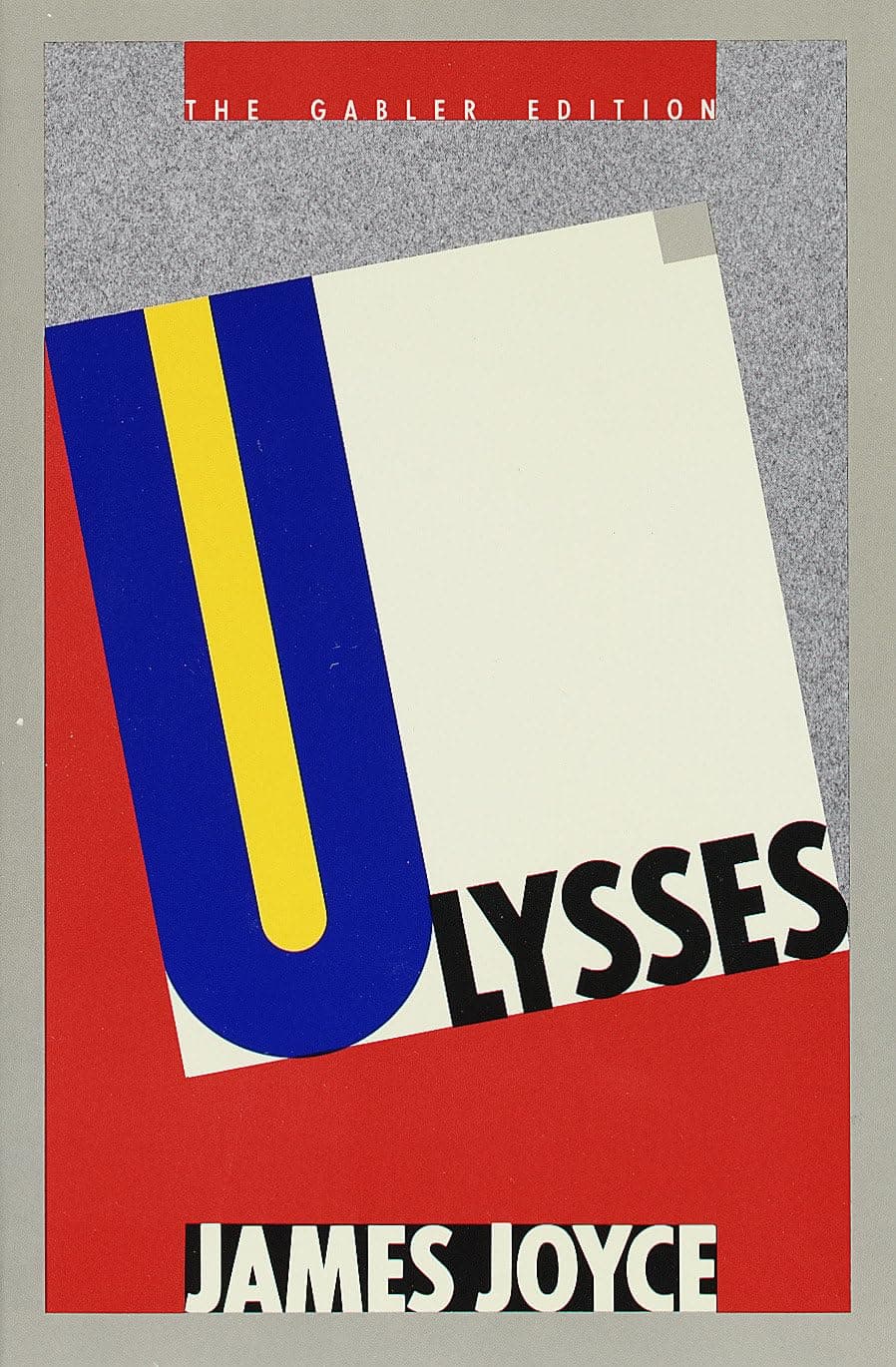 #1View Book
Ulysses
James Joyce
Challenging•35-40 hours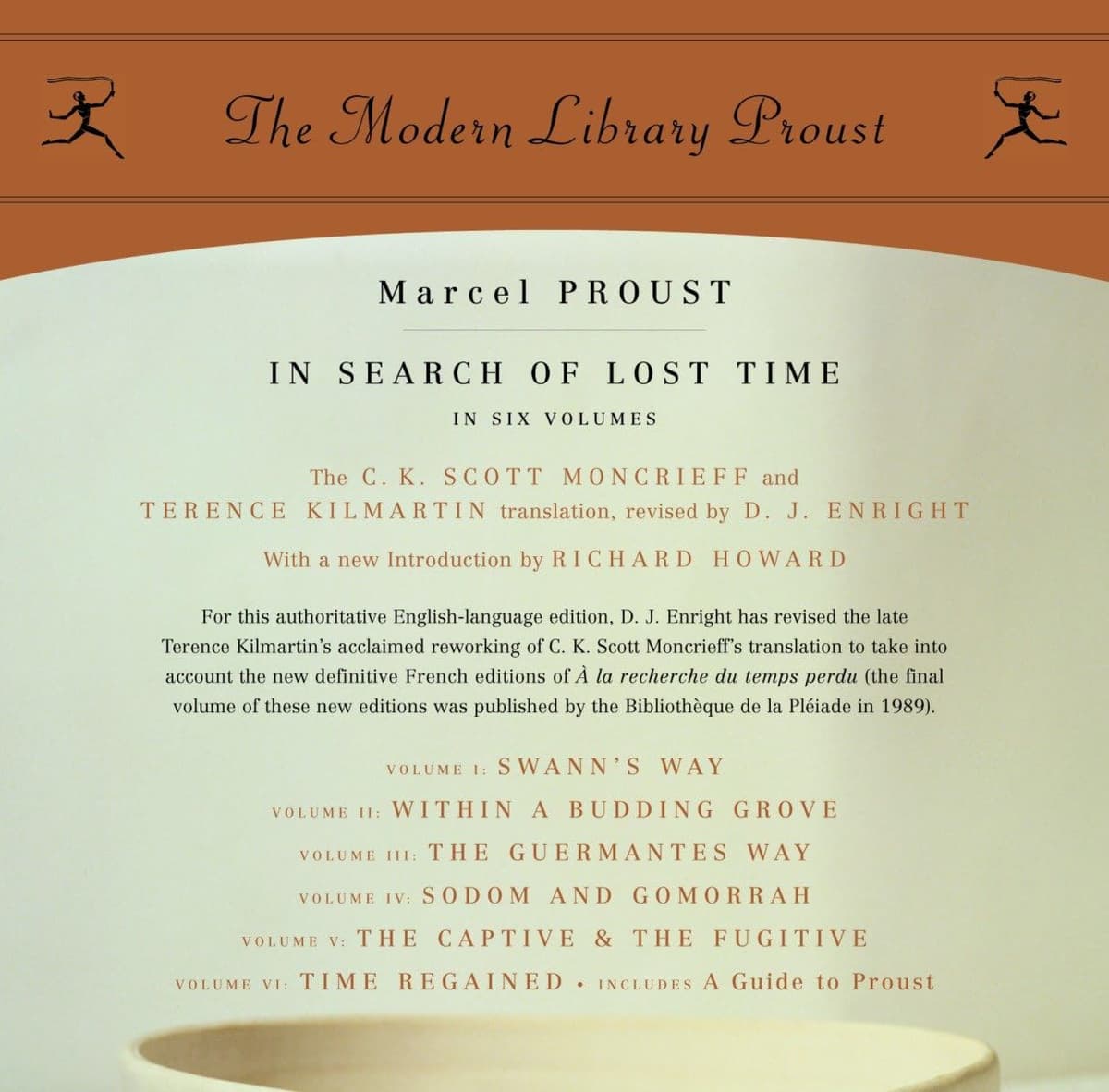 #2View Book
In Search of Lost Time
Marcel Proust
High•100+ hours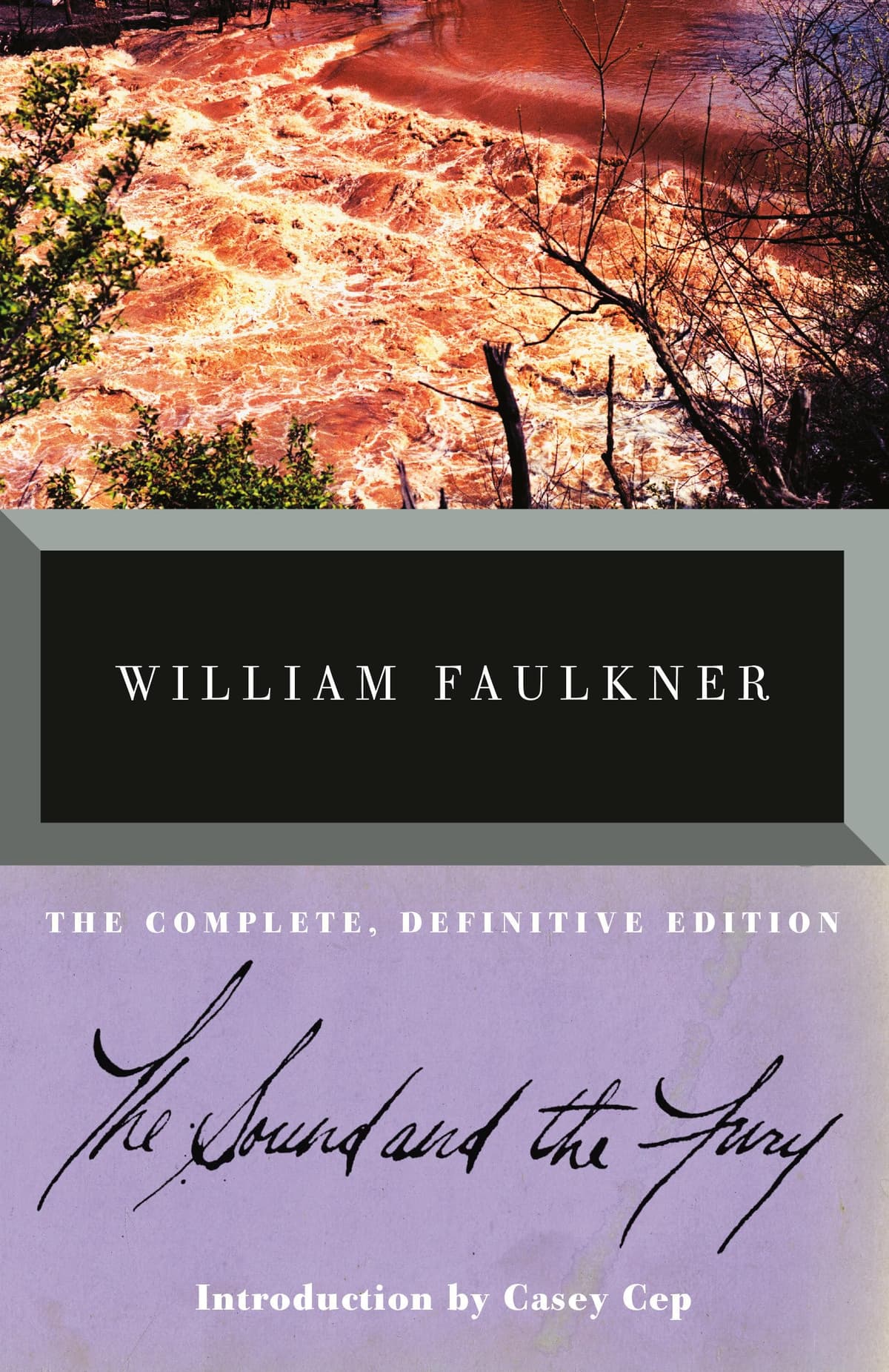 #8View Book
The Sound and the Fury
William Faulkner
Very High•12-15 hours #13View Book
Lolita
Vladimir Nabokov
Challenging•12-15 hours
Browse more collections