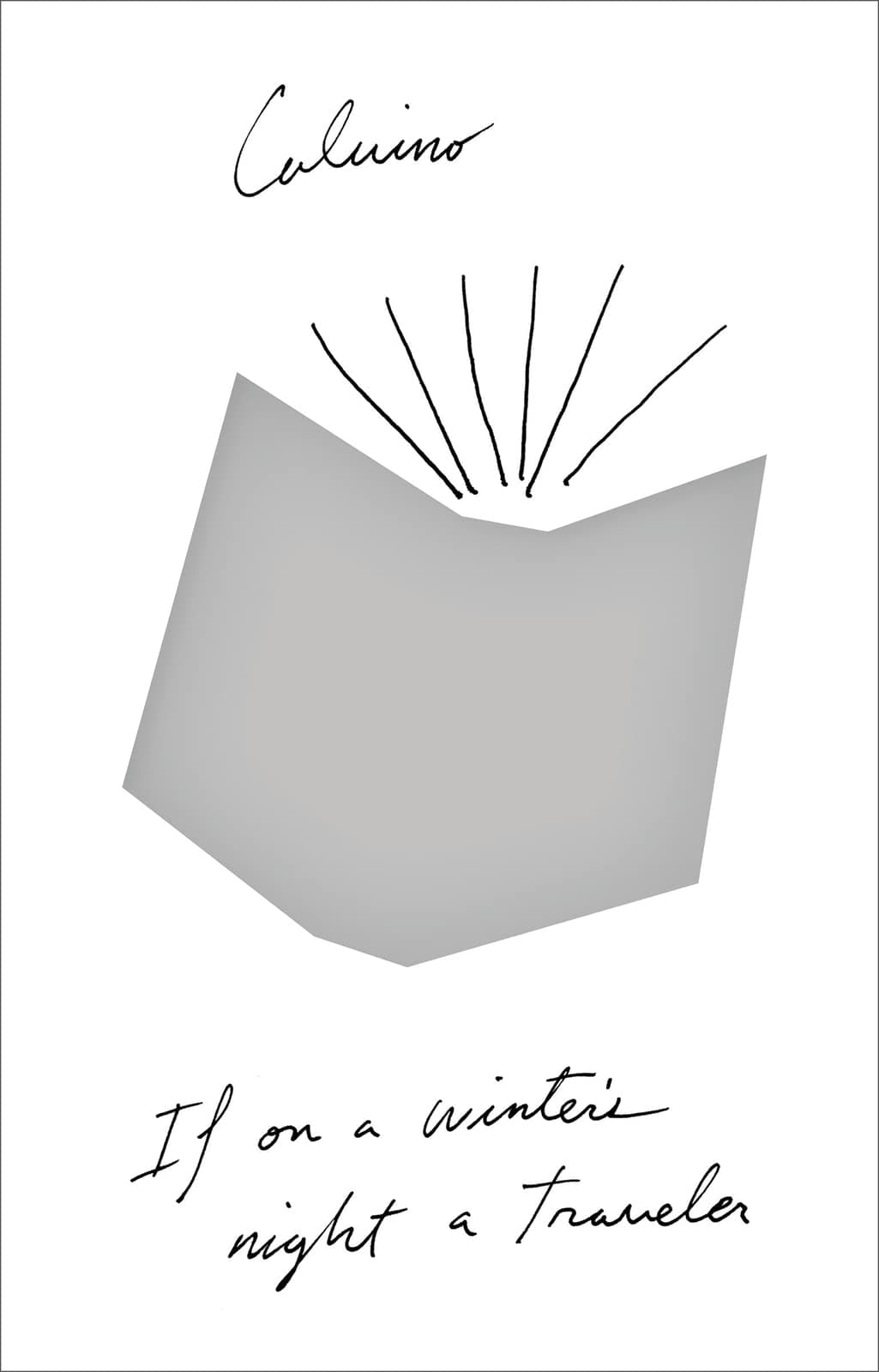
If on a Winter's Night a Traveller
“I'm producing too many stories at once because what I want is for you to feel, around the story, a saturation of other stories.”
If on a Winter's Night a Traveller Summary
The novel opens with a direct address to you, the Reader, who has just purchased Italo Calvino's new novel If on a Winter's Night a Traveller. Settling in to read, you become absorbed in the opening chapter of a thriller set in a railway station, only to discover that your copy is defective, repeating the same pages in a loop. Returning to the bookstore, you meet another reader, Ludmilla, who has the same problem, and together you set out to find the continuation of the story. But each time you obtain what you think is the correct book, it turns out to be the beginning of an entirely different novel, in an entirely different style. Over the course of the book, you encounter the openings of ten distinct novels, spanning genres from political thriller to Japanese erotica to Latin American magical realism, each one interrupted at a moment of maximum suspense, while a conspiracy involving translators, publishers, censors, and a mysterious forger named Ermes Marana works to keep you from ever completing any of them.
Calvino's metafictional masterpiece is simultaneously a love letter to the act of reading and a philosophical meditation on the nature of narrative itself. The frame story, narrated in the second person, turns the reader into the protagonist and the act of reading into the central adventure. Each of the ten novel beginnings is a virtuosic pastiche that demonstrates Calvino's extraordinary range as a stylist. The book raises profound questions about authorship, translation, the relationship between writer and reader, and whether a story needs an ending to be meaningful. It is one of the supreme achievements of postmodern literature, a novel that deconstructs storytelling while celebrating its irresistible power.
Why Read If on a Winter's Night a Traveller?
No other novel captures the specific pleasure and frustration of being a reader with such wit and precision. Calvino addresses you directly, making your experience of holding and reading a book into the very substance of the story. The ten interrupted novel beginnings are each brilliant enough to make you genuinely mourn their incompleteness, and the conspiracy that prevents you from finishing any of them becomes an unexpectedly gripping thriller in its own right. It is that rare postmodern novel that is as entertaining as it is intellectually sophisticated.
Calvino's genius here is to demonstrate that the desire to know what happens next, the fundamental engine of all storytelling, is itself a subject worthy of a great novel. By interrupting narrative again and again, he makes visible the usually invisible contract between writer and reader, and he does so with a playfulness and warmth that never descends into academic sterility. Whether you are a lifelong bibliophile or someone who has never thought much about the mechanics of fiction, this novel will permanently change the way you think about what it means to open a book.
About Italo Calvino
Italo Calvino was born in 1923 in Santiago de las Vegas, Cuba, where his parents, both Italian botanists, were working. He grew up in San Remo, Italy, fought with the Italian Resistance during World War II, and published his first novel, The Path to the Spiders' Nests, in 1947. His early neorealist work gave way to increasingly inventive experiments in form and fantasy, including the beloved Our Ancestors trilogy, Cosmicomics, Invisible Cities, and If on a Winter's Night a Traveller.
Calvino settled in Paris in 1967, where he became associated with the Oulipo group of writers who explored the creative potential of formal literary constraints. His essays on literature, collected in Six Memos for the Next Millennium, remain among the most influential statements about the art of fiction written in the twentieth century. He died suddenly of a cerebral hemorrhage in 1985, just before he was to deliver the Six Memos as lectures at Harvard. Calvino is widely regarded as one of the greatest Italian writers of the twentieth century, and his work, which bridges realism, fantasy, science, and philosophy with effortless grace, has been translated into dozens of languages and continues to inspire writers worldwide.
Reading Guide
Ranked #334 among the greatest books of all time, If on a Winter's Night a Traveller by Italo Calvino has earned its place in the literary canon. Originally written in Italian and published in 1979, this moderate read from Italy continues to resonate with readers today.
This book belongs to our Modern Mind collection, where you can discover more books that share its spirit and themes.
If you enjoy moderate reads like this one, you might also like One Hundred Years of Solitude, Nineteen Eighty-Four, or Wuthering Heights.
From the Modern Mind Collection
If you enjoyed If on a Winter's Night a Traveller, discover more masterpieces that share its spirit.
 #1View Book
Ulysses
James Joyce
Challenging•35-40 hours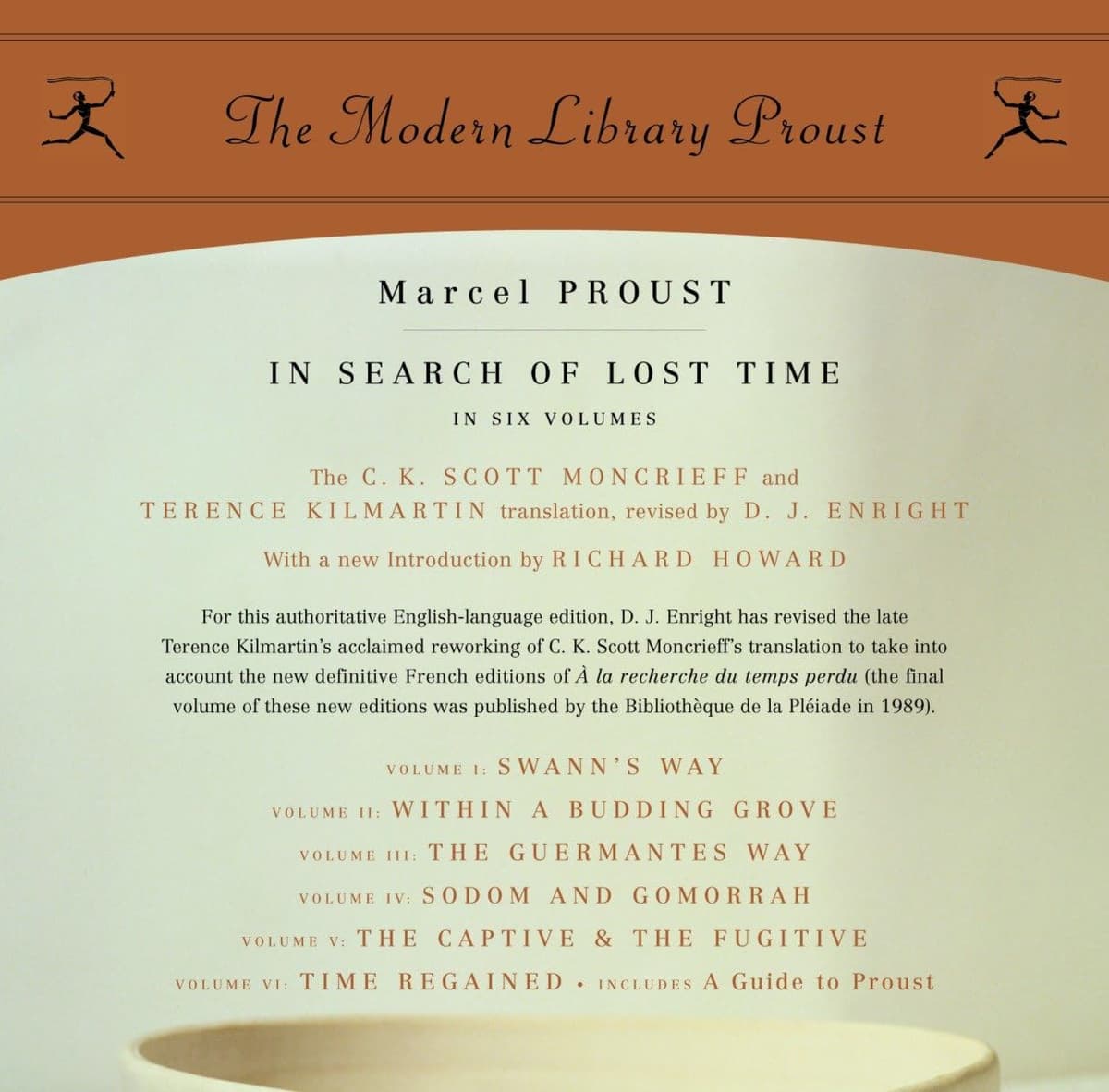 #2View Book
In Search of Lost Time
Marcel Proust
High•100+ hours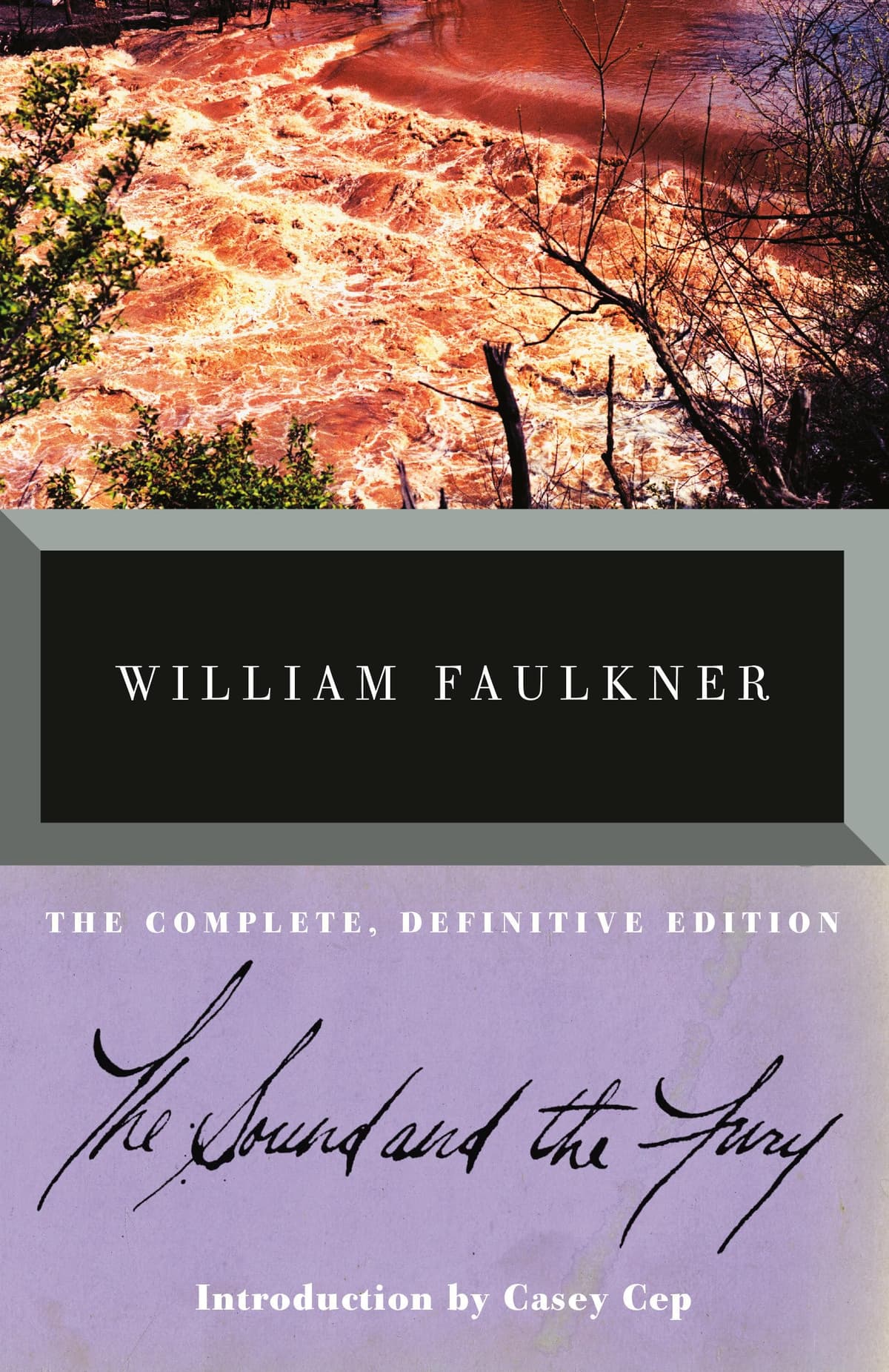 #8View Book
The Sound and the Fury
William Faulkner
Very High•12-15 hours #13View Book
Lolita
Vladimir Nabokov
Challenging•12-15 hours
Browse more collections