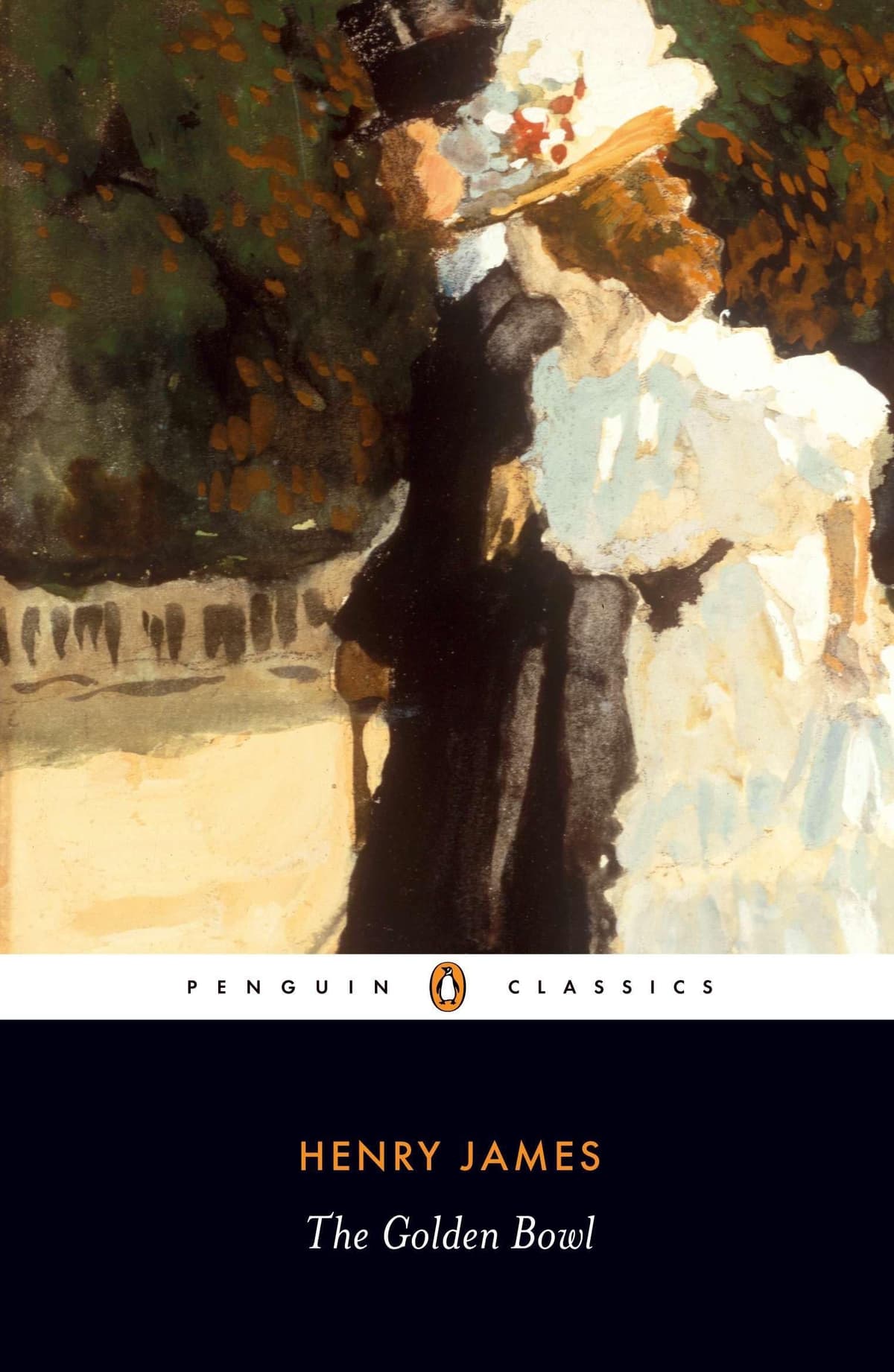
The Baron in the Trees
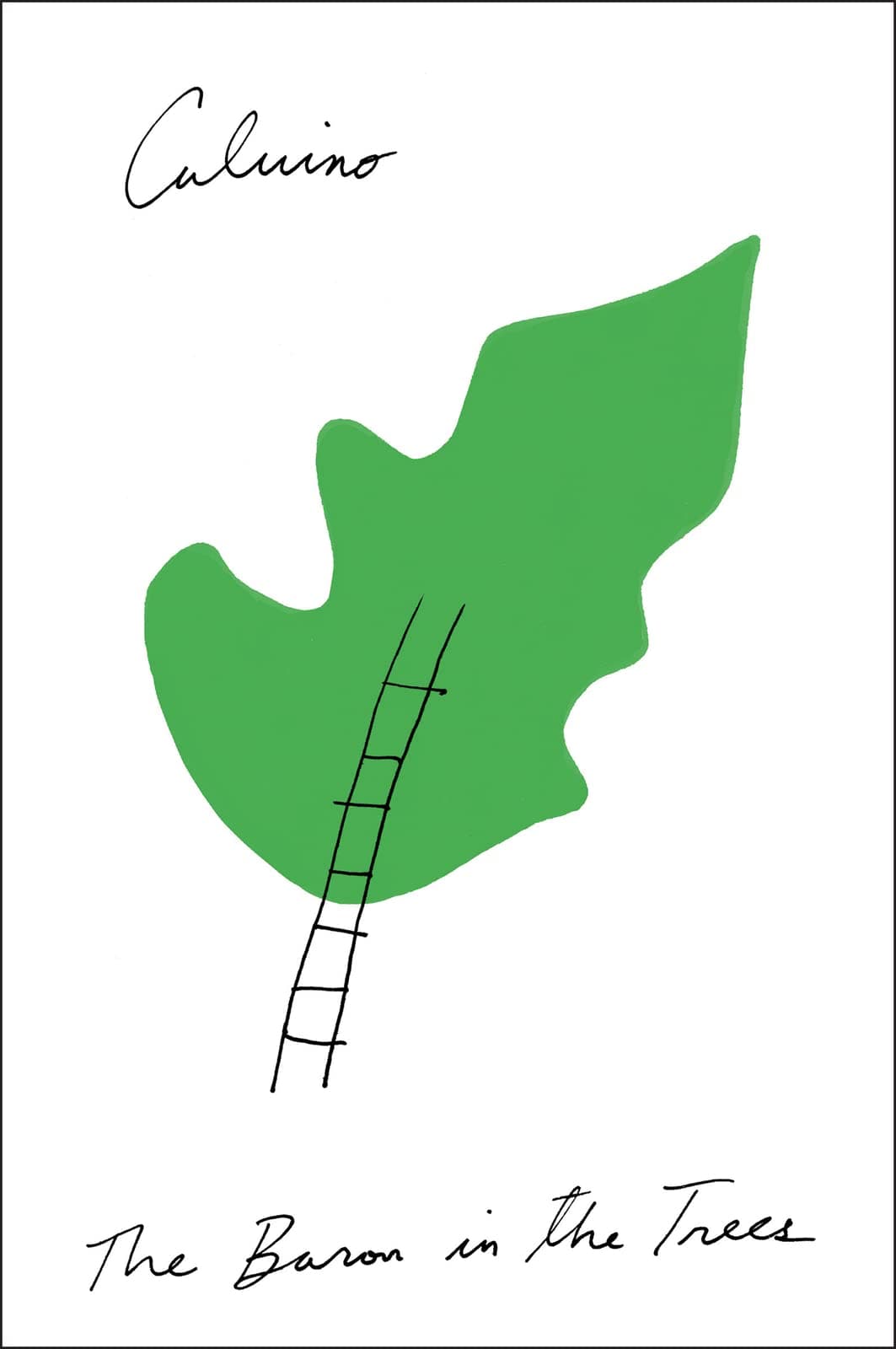
“He who goes most slowly does not always arrive last.”
The Baron in the Trees Summary
The Baron in the Trees tells the story of Cosimo Piovasco di Rondò, a twelve-year-old Italian nobleman who, after a quarrel with his parents over a plate of snails at dinner on June 15, 1767, climbs into the trees on his family's estate and vows never to set foot on the ground again. Astonishingly, he keeps this vow for the rest of his life. Narrated by his earthbound brother Biagio, the novel follows Cosimo through decades of arboreal existence as he builds an elaborate life among the branches: hunting, reading, studying philosophy, engaging in love affairs, corresponding with the great minds of the Enlightenment, fighting fires and bandits, and participating in the upheavals of the Napoleonic era. Far from retreating into isolation, Cosimo becomes more engaged with the world from his elevated vantage point, forming deep connections with the community below while maintaining the absolute freedom of his chosen position above.
Calvino's novel is a luminous fable about the paradox of freedom and commitment, individuality and community. By literalizing the metaphor of standing apart from society, Calvino explores how distance can enable rather than prevent genuine engagement with the world. Cosimo's rebellion is not a rejection of civilization but a reimagining of one's relationship to it; from the trees, he sees more clearly, acts more decisively, and loves more fully than those who remain on the ground. The novel pulses with the intellectual energy of the Enlightenment it depicts, celebrating reason, curiosity, and the courage to live according to one's own principles. Yet Calvino writes with a lightness and humor that prevents the allegory from becoming didactic, creating a work that is at once a philosophical meditation, a picaresque adventure, a love story, and a poignant reflection on aging, loss, and the inevitable compromises of time. The Baron in the Trees endures as one of the most enchanting and original novels of the twentieth century.
Why Read The Baron in the Trees?
If you have ever felt the urge to step outside the conventions that govern daily life and see the world from a radically different perspective, The Baron in the Trees will speak directly to your imagination. Calvino's premise is deceptively simple, but the novel it generates is endlessly rich, combining adventure, romance, philosophy, and comedy in a narrative that moves with the grace and agility of its tree-dwelling hero. You will find yourself charmed by Cosimo's resourcefulness, moved by his love affairs, and inspired by his refusal to compromise on the principle that defines his existence. The novel demonstrates that freedom is not escape but a deeper form of engagement.
Beyond its immediate pleasures, this novel offers you a profound meditation on what it means to be an individual within a community. Calvino suggests that the person who chooses an unconventional path may contribute more to society than those who follow its prescribed routes. Reading The Baron in the Trees will refresh your sense of possibility and remind you that literature at its best can be simultaneously playful and serious, fantastic and true. It is the kind of book that changes the way you look at the world, and the trees in it, forever after.
About Italo Calvino
Italo Calvino was born in 1923 in Santiago de las Vegas, Cuba, where his parents, both Italian scientists, were conducting agricultural research. The family returned to Italy when he was two, settling in San Remo on the Ligurian coast. During World War II, Calvino joined the Italian Resistance and fought as a partisan in the mountains, an experience that shaped his first novel, The Path to the Spiders' Nests. After the war, he studied literature at the University of Turin and became associated with the publisher Einaudi, where he worked as an editor for decades. His early realist fiction gave way to the fantastical and combinatorial experiments for which he is best known, including the Our Ancestors trilogy, Cosmicomics, Invisible Cities, and If on a Winter's Night a Traveler. He lived in Paris from 1967 to 1980, where he engaged with the structuralist and Oulipo movements, before returning to Italy.
Calvino is recognized as one of the most inventive and beloved writers of the twentieth century, a master of fable, fantasy, and metafiction whose influence extends across literary traditions. His work demonstrates an extraordinary range, from neorealist war stories to postmodern narrative games, unified by an insatiable intellectual curiosity, a crystalline prose style, and a deep commitment to the pleasures of storytelling. His essays on literature, collected in Six Memos for the Next Millennium, articulate values of lightness, quickness, exactitude, visibility, and multiplicity that have become touchstones for writers and readers worldwide. Calvino died suddenly of a cerebral hemorrhage in 1985, leaving behind a body of work that continues to delight and challenge readers with its tireless reinvention of what fiction can be.
Reading Guide
Ranked #467 among the greatest books of all time, The Baron in the Trees by Italo Calvino has earned its place in the literary canon. Originally written in Italian and published in 1957, this accessible read from Italy continues to resonate with readers today.
This book belongs to our Magical Realism collection, where you can discover more books that share its spirit and themes.
If you enjoy accessible reads like this one, you might also like The Great Gatsby, The Catcher in the Rye, or Pride and Prejudice.
From the Magical Realism Collection
If you enjoyed The Baron in the Trees, discover more masterpieces that share its spirit.
 #5View Book
One Hundred Years of Solitude
Gabriel García Márquez
Moderate•15-20 hours #34View Book
The Master and Margarita
Mikhail Bulgakov
Moderate•12-15 hours #43View Book
The Little Prince
Antoine de Saint-Exupéry
Accessible•1-2 hours #45View Book
Fictions
Jorge Luis Borges
Challenging•6-8 hours
Browse more collections