The Civil War
“I think that the most shocking fact about war has always been the inability of any nation to imagine what it was getting into.”
The Civil War Summary
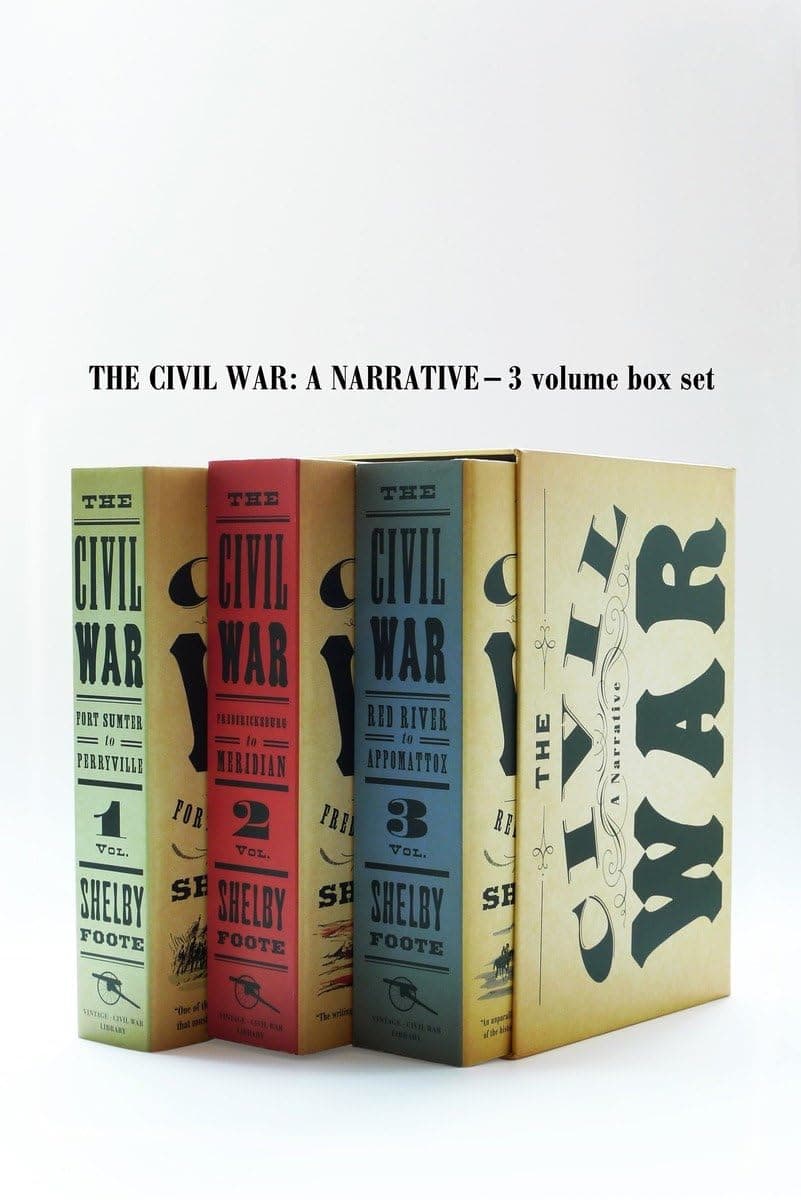
Shelby Foote's The Civil War: A Narrative is a monumental three-volume history that recounts the American Civil War from the opening shots at Fort Sumter in April 1861 to the final surrenders in the spring of 1865. Spanning nearly three thousand pages, Foote narrates the conflict with the sweep and detail of a great novel, moving between the grand strategic decisions of Lincoln, Davis, Grant, Lee, and Sherman and the harrowing experiences of ordinary soldiers in the field. The first volume, Fort Sumter to Perryville, covers the war's chaotic beginning and the emergence of its defining patterns. The second, Fredericksburg to Meridian, chronicles the war's terrible middle years, culminating in the turning points at Gettysburg and Vicksburg. The third, Red River to Appomattox, follows the grinding campaigns of attrition that brought the Confederacy to its knees. Throughout, Foote renders battles with cinematic vividness, from the confused terror of Shiloh to the desperate grandeur of Pickett's Charge, and gives voice to the human dimensions of a conflict that killed more than six hundred thousand Americans.
Foote's achievement lies in his synthesis of military narrative and literary art. Writing without footnotes but with deep research, he crafted a history that reads with the momentum and texture of fiction while maintaining fidelity to the documentary record. His portraits of the war's central figures are drawn with novelistic insight: Grant's quiet tenacity, Lee's aristocratic daring, Sherman's restless brilliance, Lincoln's anguished growth into greatness. Yet the work is more than a gallery of commanders; Foote populates his narrative with soldiers, civilians, and politicians from both sides, refusing to reduce the conflict to simple moral categories even as its causes and consequences remain clear. The Civil War stands as one of the great works of American historical writing, a narrative that illuminates how a nation nearly destroyed itself and, in the process, was transformed forever.
Why Read The Civil War?
If you want to understand the American Civil War not as a collection of dates and battles but as a lived human experience of staggering scale and consequence, Foote's trilogy is the essential work. His narrative gifts transform military history into something approaching epic literature, carrying you from the first cannon shot to the last surrender with a momentum that makes nearly three thousand pages feel necessary rather than excessive. You will come away with an intimate understanding of the war's major campaigns and the men who led them, but also with a visceral sense of what the conflict meant to those who endured it. Foote writes with equal sympathy for soldiers on both sides, creating a panoramic yet deeply personal account of America's defining catastrophe.
Beyond its value as history, The Civil War rewards you as a work of literary art. Foote's prose is muscular, precise, and capable of extraordinary descriptive power, whether he is rendering the chaos of combat or the quiet tension of a commander's tent. Reading this work places the political and social conflicts of American life in their deepest historical context, helping you understand how the unresolved tensions of the Civil War continue to shape the nation. Whether you read it in sequence or dip into the battles and figures that most interest you, this is a work that repays every hour invested in it.
About Shelby Foote
Shelby Foote was born in 1916 in Greenville, Mississippi, into a family with deep roots in the Mississippi Delta. He attended the University of North Carolina at Chapel Hill but left without a degree. After serving in the U.S. Army during World War II, including a stint in combat intelligence, he returned to the South and began writing fiction. His early novels, including Shiloh and Follow Me Down, established him as a gifted novelist of the American South. In 1954, he began work on his three-volume narrative history of the Civil War, a project that would consume twenty years of his life and produce nearly three thousand pages of densely researched, elegantly written narrative. He wrote the entire work in longhand with a dip pen, producing roughly five hundred words a day.
Foote achieved national fame through his appearances in Ken Burns's 1990 PBS documentary The Civil War, where his storytelling gifts and Southern gentility made him the series' most memorable presence. Yet his literary reputation rests on the trilogy itself, which is widely regarded as one of the finest works of narrative history in the English language. Foote brought a novelist's eye for character, scene, and dramatic structure to the historical record, creating a work that stands alongside the great military narratives of Thucydides and Gibbon. He continued to write and speak about history and literature until his death in 2005, leaving behind a body of work that demonstrates the power of narrative to make the past vivid, immediate, and essential to understanding the present.
Reading Guide
Ranked #468 among the greatest books of all time, The Civil War by Shelby Foote has earned its place in the literary canon. Originally written in English and published in 1958, this challenging read from United States continues to resonate with readers today.
This book belongs to our American Spirit collection, where you can discover more books that share its spirit and themes.
If you enjoy challenging reads like this one, you might also like Ulysses, Moby-Dick, or Lolita.
From the American Spirit Collection
If you enjoyed The Civil War, discover more masterpieces that share its spirit.
 #3View Book
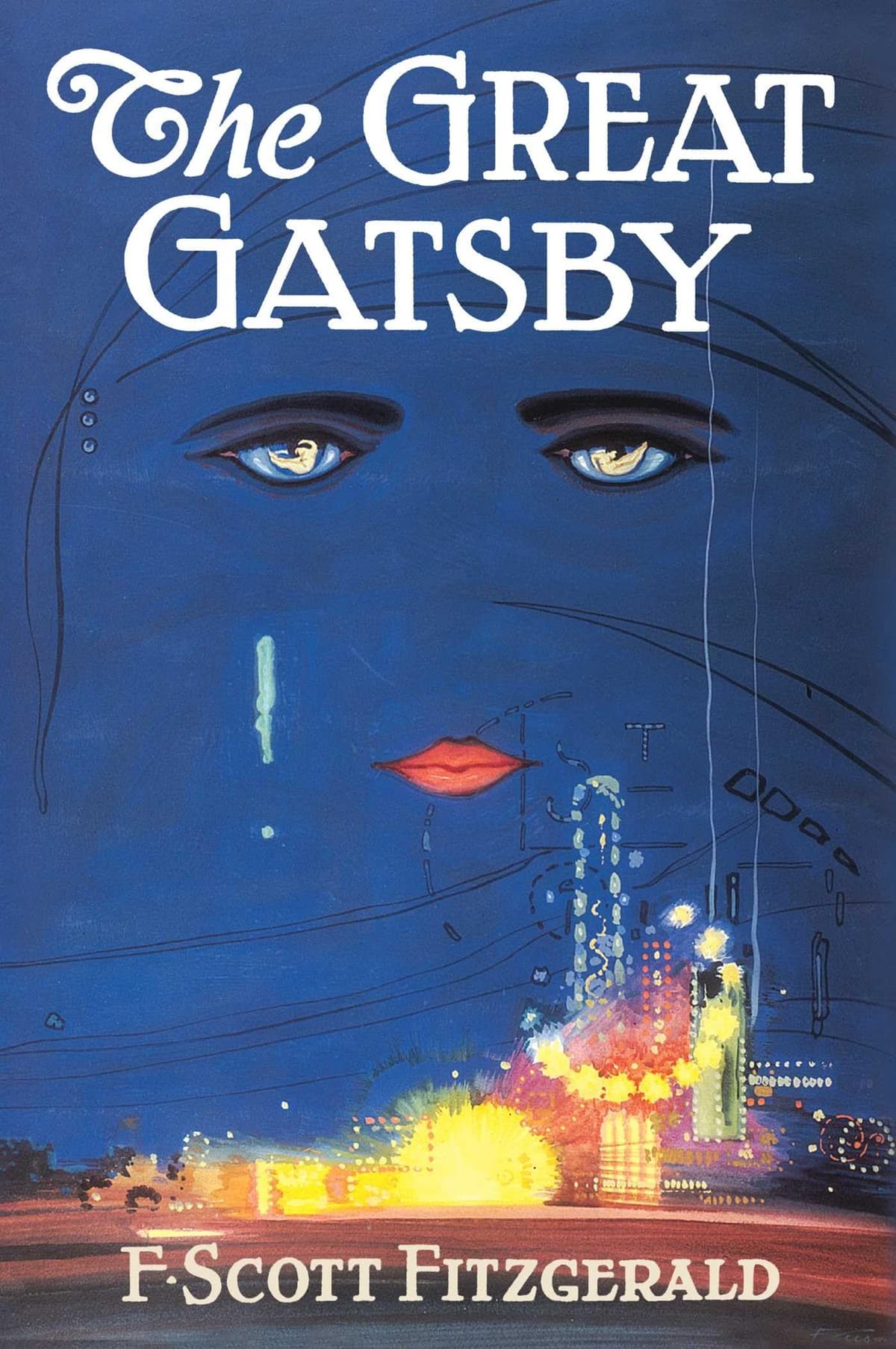
The Great Gatsby
F. Scott Fitzgerald
Accessible•5-6 hours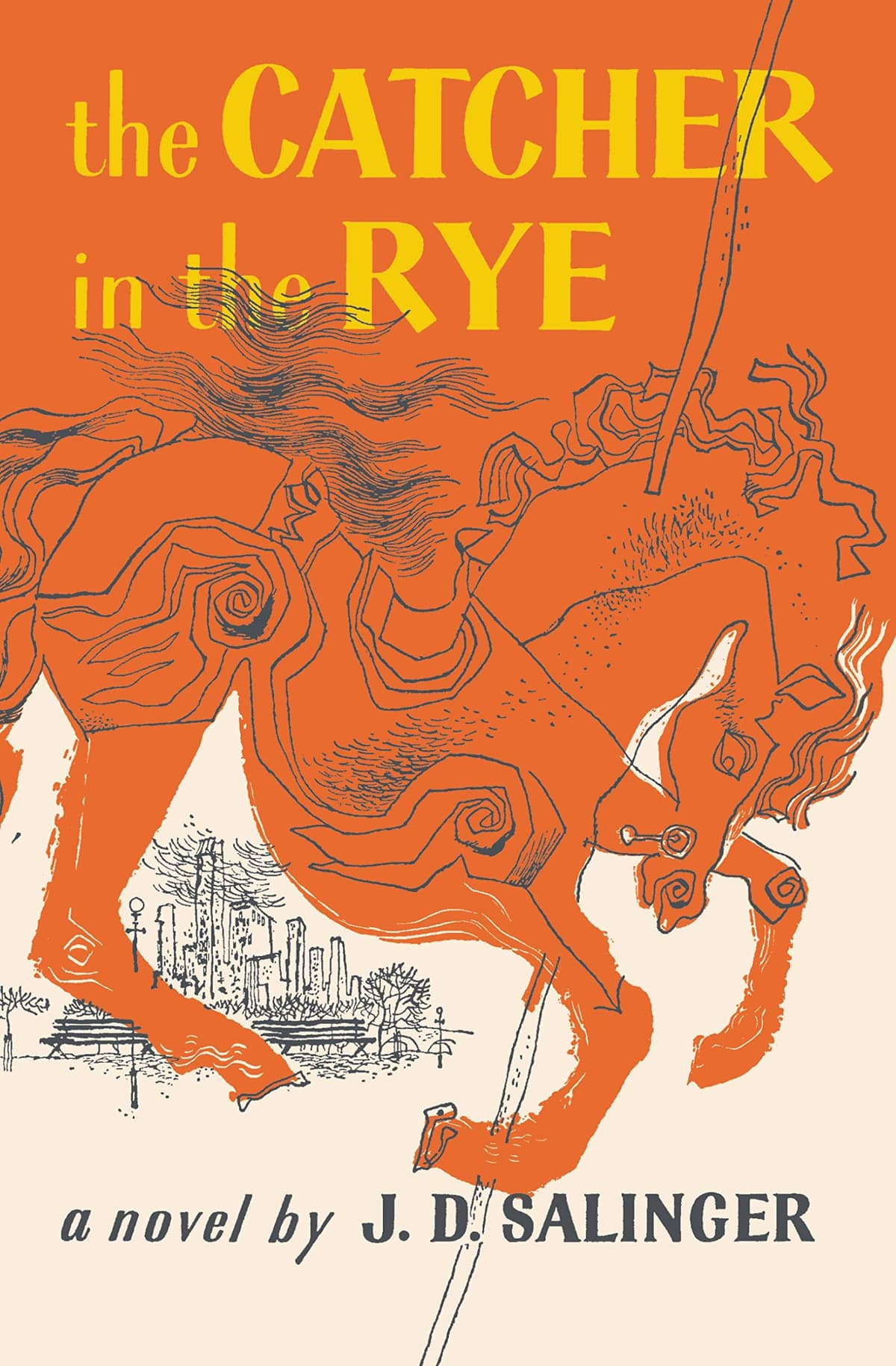 #4View Book
The Catcher in the Rye
J. D. Salinger
Accessible•6-8 hours #13View Book
Lolita
Vladimir Nabokov
Challenging•12-15 hours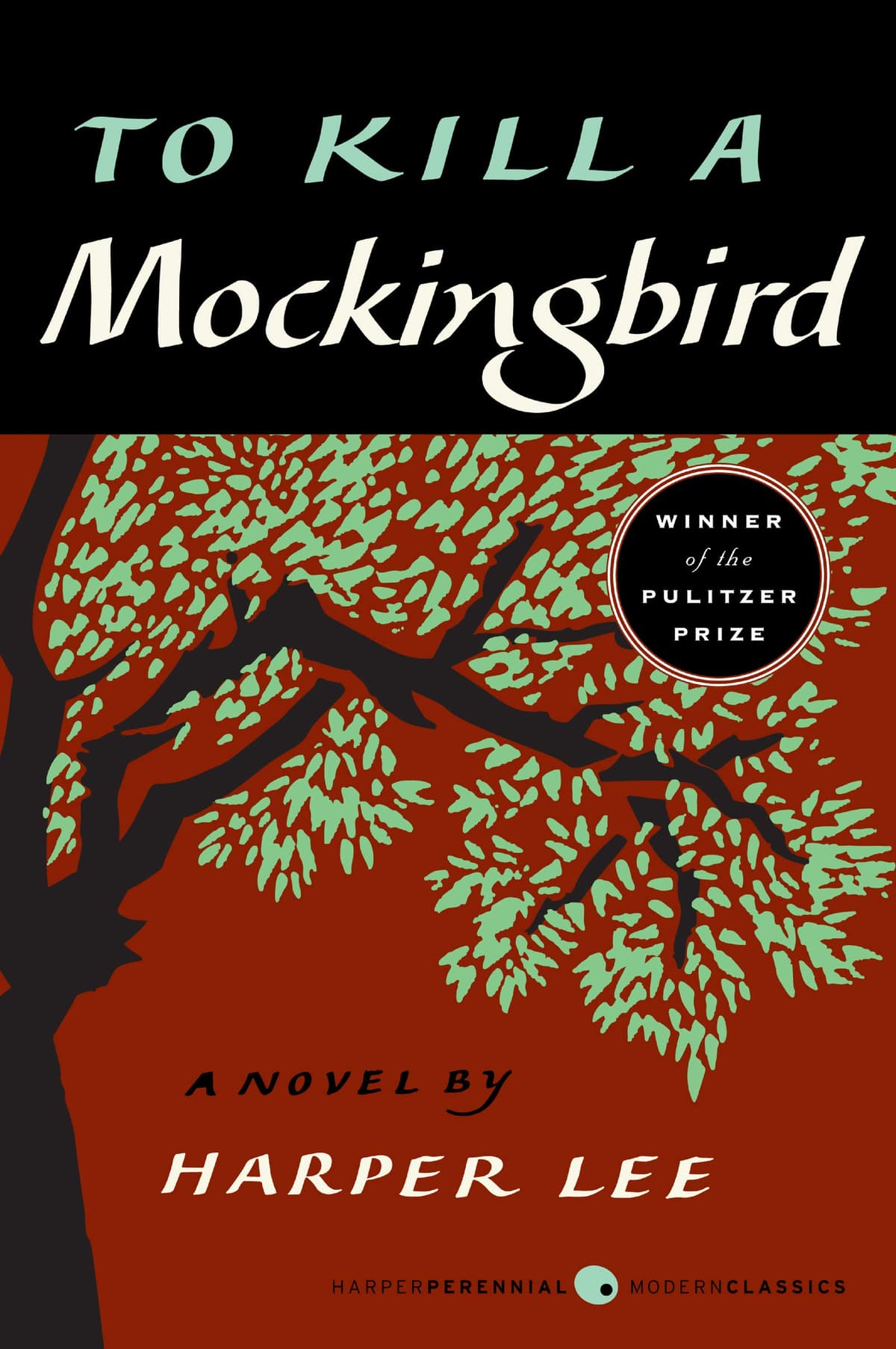 #17View Book
To Kill a Mockingbird
Harper Lee
Accessible•8-10 hours
Browse more collections