Midnight's Children
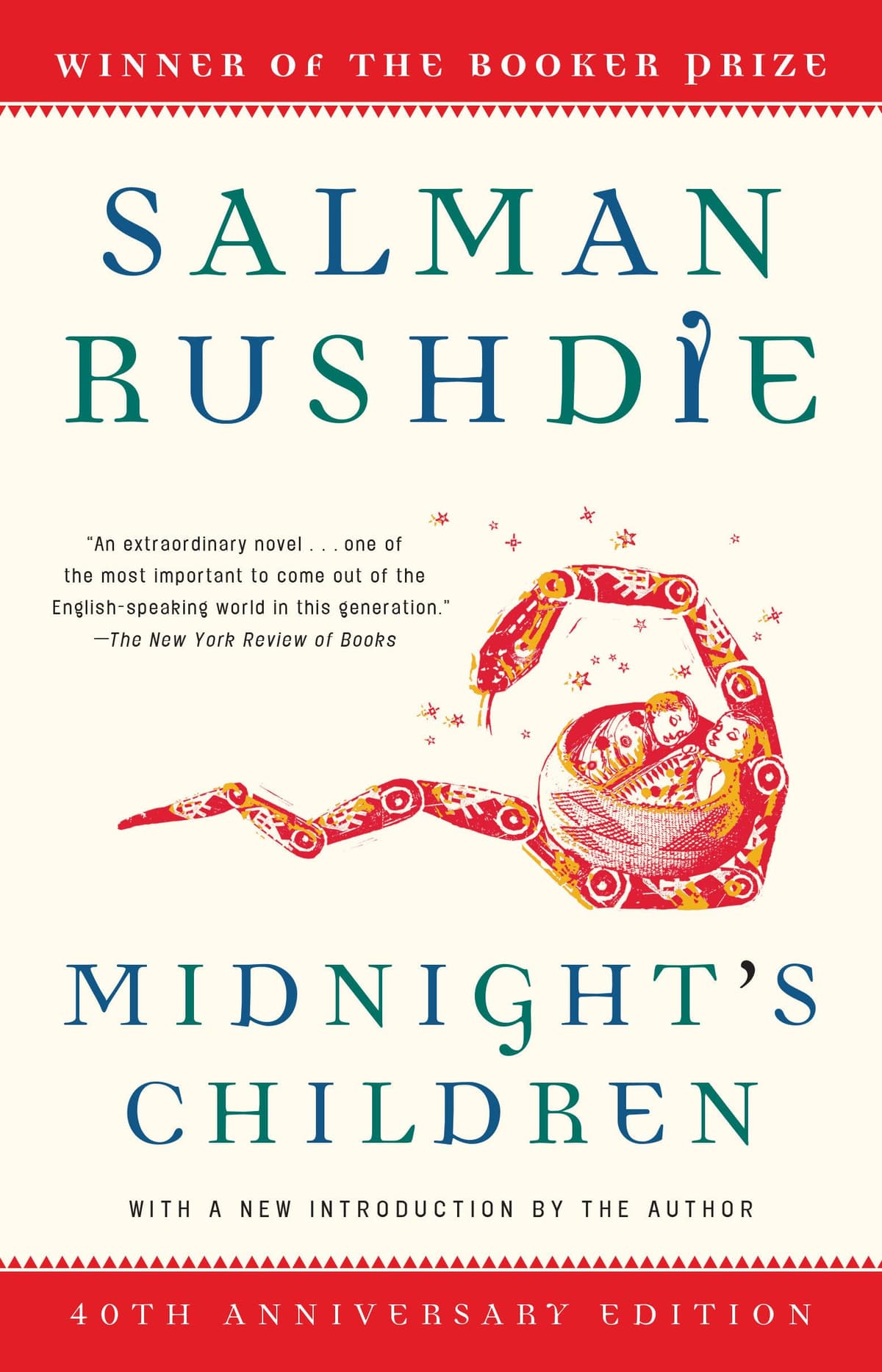
“To understand just one life you have to swallow the world.”
Midnight's Children Summary
At the stroke of midnight on August 15, 1947—the exact moment India gains independence from Britain—Saleem Sinai is born in a Bombay nursing home. He will discover that all 1,001 children born in that first hour of freedom possess magical powers, and that his own gift—telepathy—has made him the unwitting mirror of a newborn nation. As India stumbles through partition, war, emergency rule, and forced sterilization, Saleem's body literally cracks and crumbles, his personal history inseparable from his country's.
Rushdie tells this story in a torrent of language that draws equally from Bollywood, the Thousand and One Nights, Bombay street slang, and the cadences of Laurence Sterne. The narrative loops and doubles back, confesses errors and argues with itself, as Saleem races to pickle his memories in jars before his body disintegrates entirely. It is a novel drunk on its own storytelling, a sprawling, exuberant act of national myth-making.
Why Read Midnight's Children?
Midnight's Children is one of the most dazzling acts of imagination in postwar fiction. Rushdie accomplished something that few novelists have even attempted: he wrote the biography of an entire nation as if it were a single life, and made the impossible feel inevitable. The novel's fusion of history and fantasy, its sheer linguistic pyrotechnics, and its emotional sweep changed what the English-language novel could do.
But for all its formal brilliance, the book's power is deeply personal. Saleem's desperate act of self-narration—writing against his own dissolution—is a metaphor for every attempt to make sense of a chaotic world through story. This is a novel about the lies we tell to make the truth bearable, about the way memory reshapes the past, and about the terrible, beautiful burden of being born at the right moment in history.
About Salman Rushdie
Salman Rushdie (born 1947) was born in Bombay just two months before Indian independence—a coincidence that became the seed of his masterpiece. Educated in England and at Cambridge, Rushdie worked in advertising before the publication of Midnight's Children in 1981 catapulted him to international fame. The novel won the Booker Prize and was later voted the best Booker winner in the prize's history.
Rushdie's life was transformed in 1989 when Ayatollah Khomeini issued a fatwa against him for The Satanic Verses, forcing him into hiding for nearly a decade. Despite this, he continued to produce an extraordinary body of work. Rushdie's influence on world literature is immense—he opened the door for an entire generation of postcolonial writers and proved that the novel in English belonged to the whole world.
Reading Guide
Ranked #68 among the greatest books of all time, Midnight's Children by Salman Rushdie has earned its place in the literary canon. Originally written in English and published in 1981, this challenging read from India continues to resonate with readers today.
This book belongs to our Magical Realism and Epics collections, where you can discover more books that share its spirit and themes.
If you enjoy challenging reads like this one, you might also like Ulysses, Moby-Dick, or Lolita.
From the Magical Realism Collection
If you enjoyed Midnight's Children, discover more masterpieces that share its spirit.
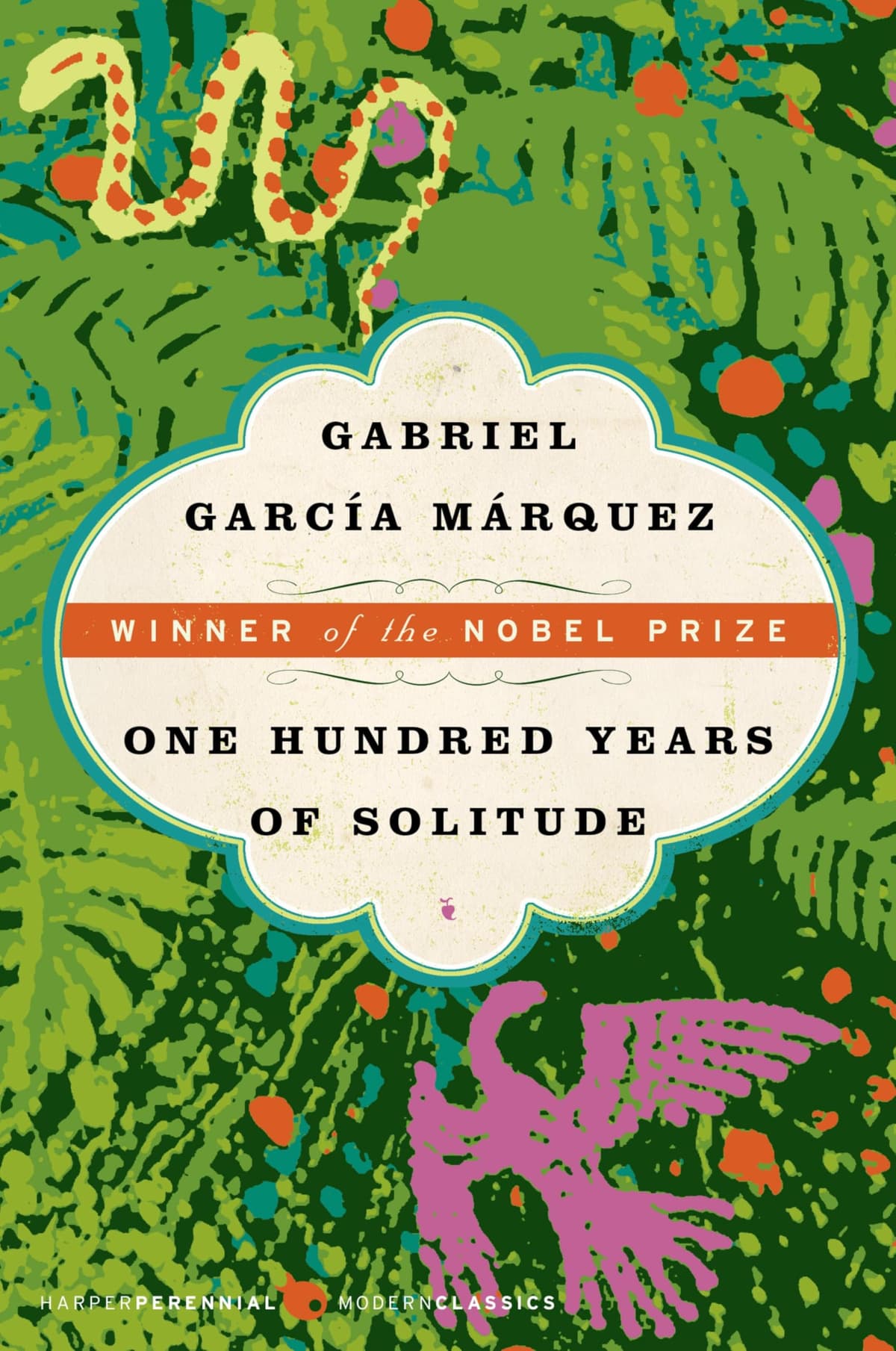 #5View Book
One Hundred Years of Solitude
Gabriel García Márquez
Moderate•15-20 hours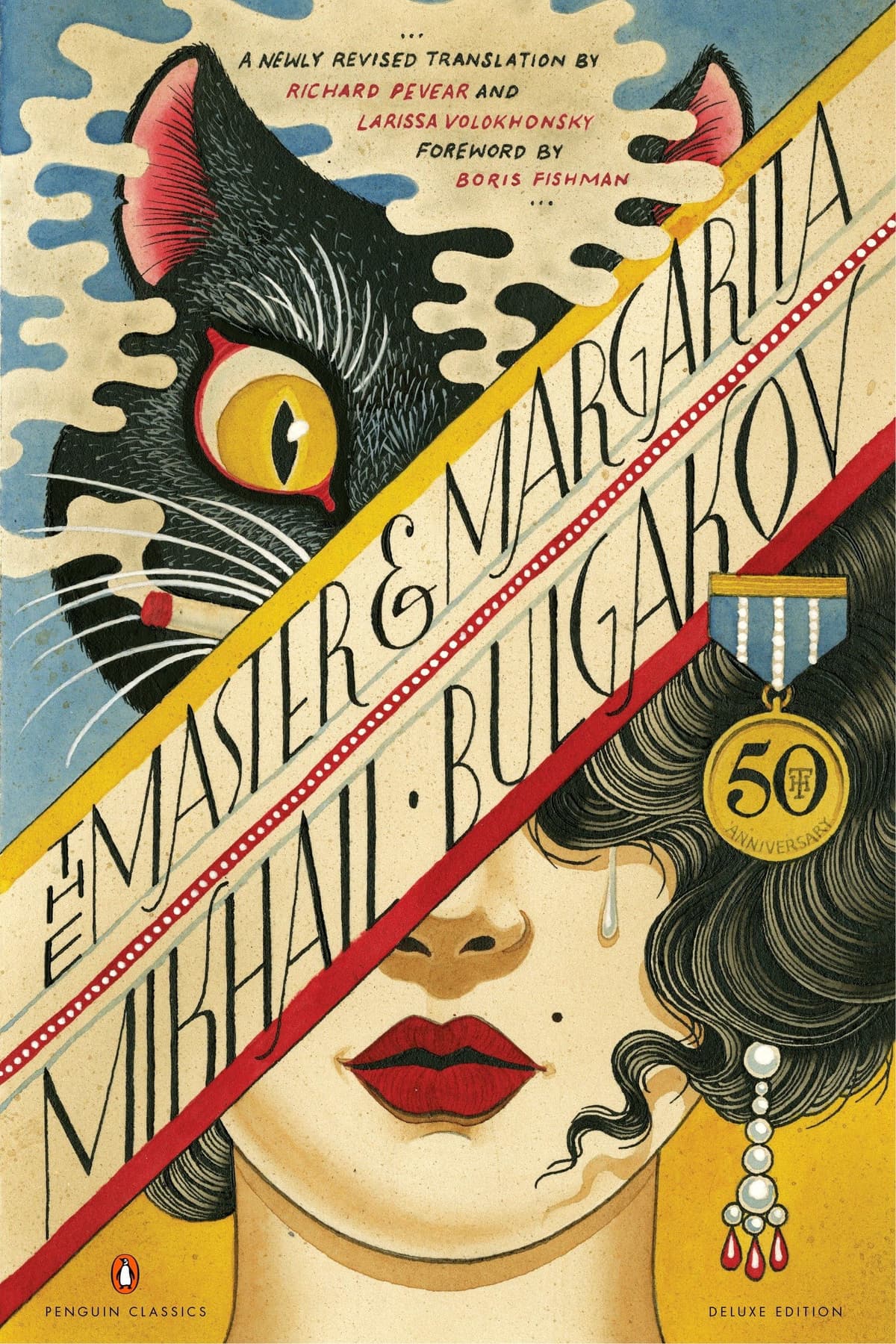 #34View Book
The Master and Margarita
Mikhail Bulgakov
Moderate•12-15 hours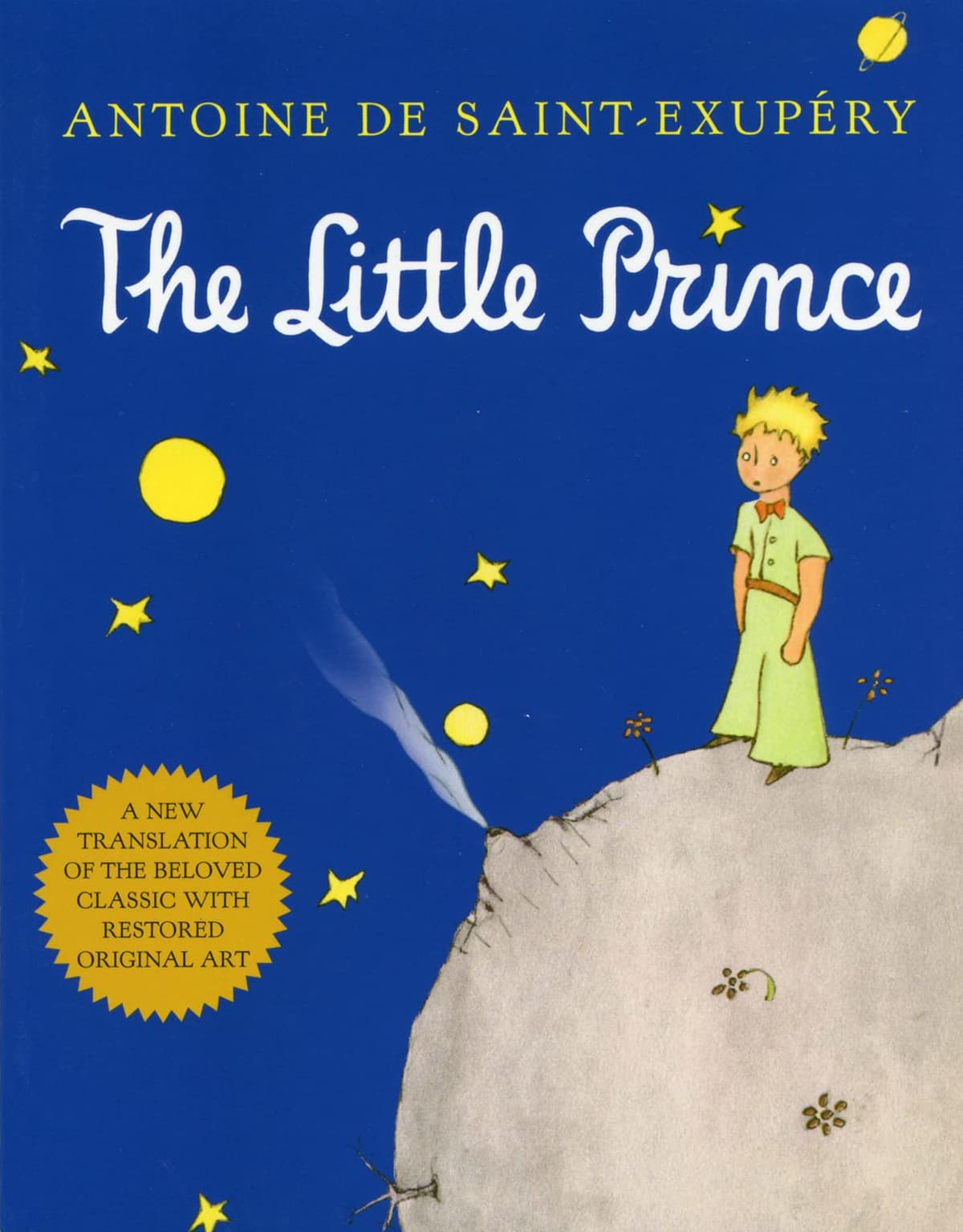 #43View Book
The Little Prince
Antoine de Saint-Exupéry
Accessible•1-2 hours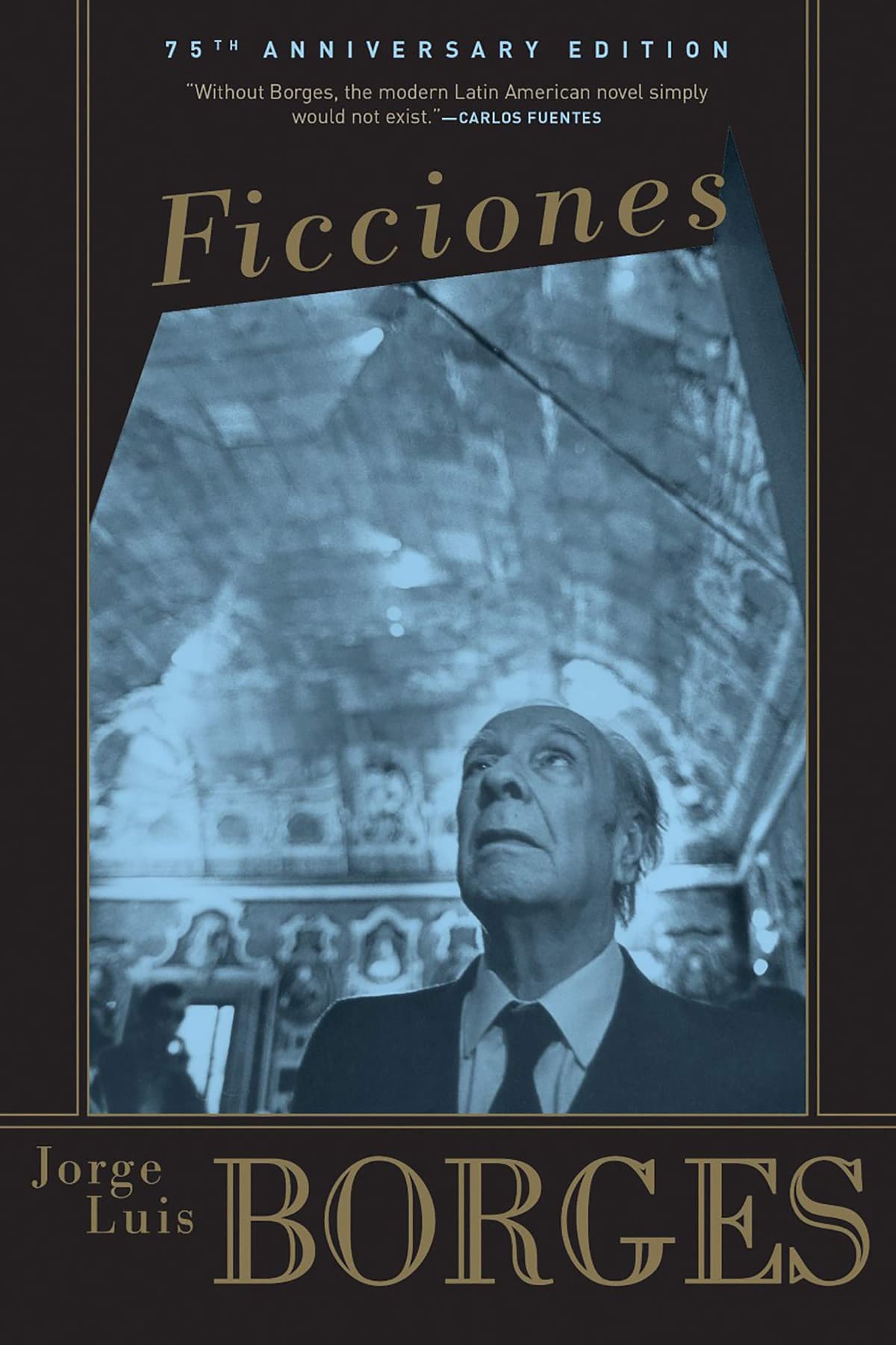 #45View Book
Fictions
Jorge Luis Borges
Challenging•6-8 hours
Browse more collections