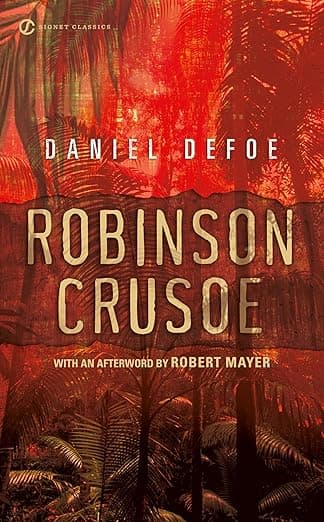
Robinson Crusoe
“I learned to look more upon the bright side of my condition, and less upon the dark side.”
Robinson Crusoe Summary
A restless young Englishman defies his father's advice, goes to sea, and is shipwrecked on a deserted island off the coast of South America. For twenty-eight years, Robinson Crusoe survives alone—building a shelter, growing crops, taming goats, fashioning tools from the wreckage of his ship—transforming himself from a reckless adventurer into a meticulous, God-fearing colonist of one. When he discovers a human footprint in the sand, his solitude is shattered, and the arrival of the man he names Friday forces him to confront what it means to be civilized.
Defoe's plain, journalistic prose gives the story an extraordinary sense of reality. Every detail of survival—the inventory of salvaged goods, the construction of a double-walled fortification, the first successful firing of a clay pot—is rendered with the patient precision of a man who believes that civilization is not inherited but built, one task at a time.
Why Read Robinson Crusoe?
Robinson Crusoe has a claim to being the first English novel, and its influence is so vast as to be almost invisible. Every castaway story, every survival narrative, every tale of a person stripped to nothing and forced to rebuild—from Lord of the Flies to Cast Away—descends from Defoe's 1719 masterpiece. The book invented an archetype that has never lost its hold on the human imagination.
But Crusoe is also a deeply revealing portrait of the European mind at the dawn of empire. Crusoe doesn't just survive—he colonizes, converting the island into a miniature England and Friday into a loyal servant. Reading it today means grappling with both its genius and its blind spots, its celebration of human ingenuity and its troubling assumptions about civilization, race, and the right to rule. It is a book that tells us as much about ourselves as about its hero.
About Daniel Defoe
Daniel Defoe (1660–1731) was a journalist, spy, pamphleteer, and businessman who went bankrupt multiple times, was pilloried for seditious libel, and did not publish his first novel until he was nearly sixty years old. Robinson Crusoe, based partly on the real-life marooning of Alexander Selkirk, became an immediate sensation and has never gone out of print.
Defoe went on to write Moll Flanders, A Journal of the Plague Year, and Roxana in rapid succession, essentially inventing the English novel as a commercial form. His plain, vigorous, fact-stuffed prose style—the style of a reporter, not a poet—became the dominant mode of English fiction for centuries. He is the great ancestor of realism.
Reading Guide
Ranked #69 among the greatest books of all time, Robinson Crusoe by Daniel Defoe has earned its place in the literary canon. Originally written in English and published in 1719, this moderate read from United Kingdom continues to resonate with readers today.
This book belongs to our Epics collection, where you can discover more books that share its spirit and themes.
If you enjoy moderate reads like this one, you might also like One Hundred Years of Solitude, Nineteen Eighty-Four, or Wuthering Heights.
From the Epics Collection
If you enjoyed Robinson Crusoe, discover more masterpieces that share its spirit.
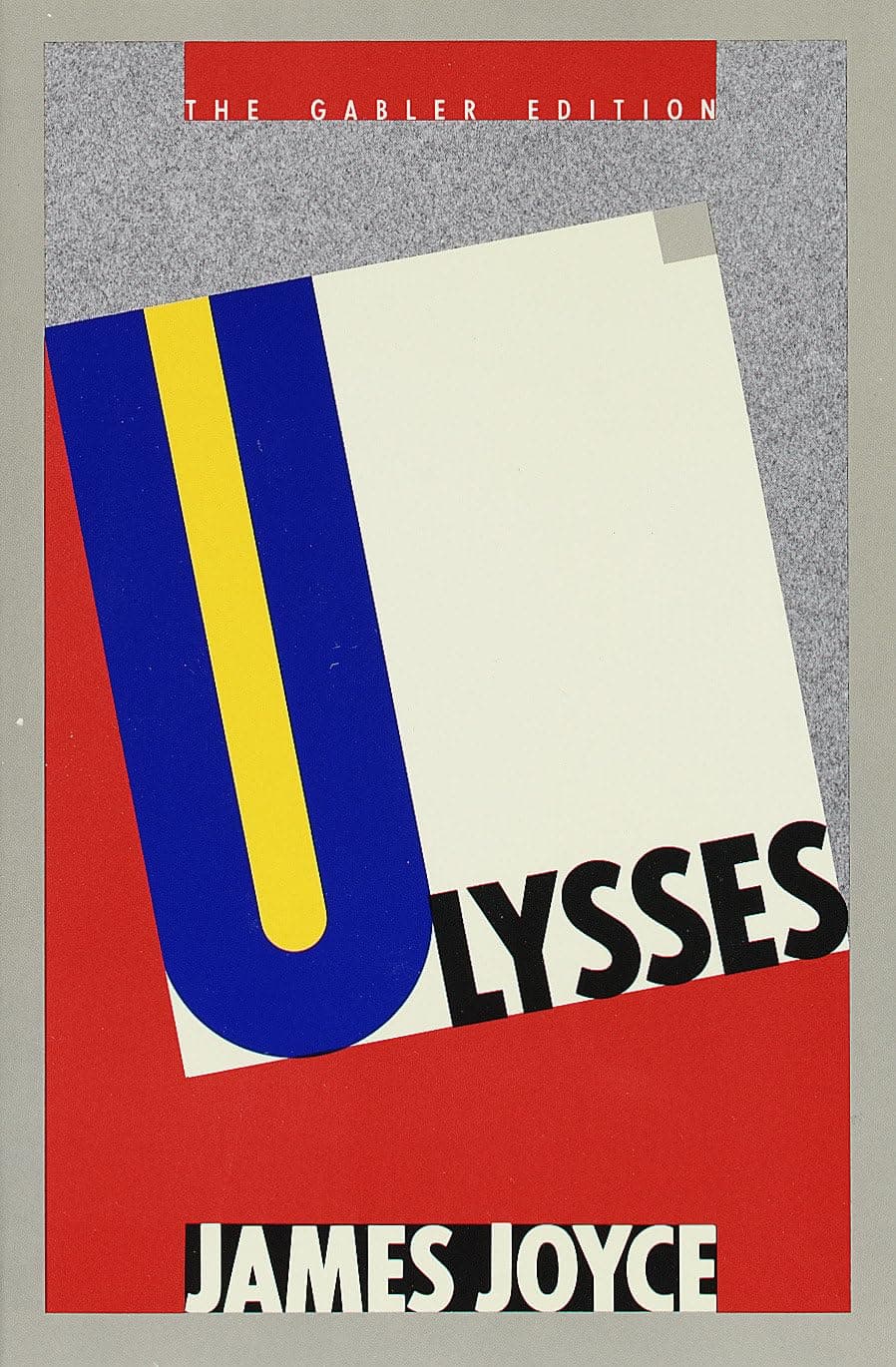 #1View Book
Ulysses
James Joyce
Challenging•35-40 hours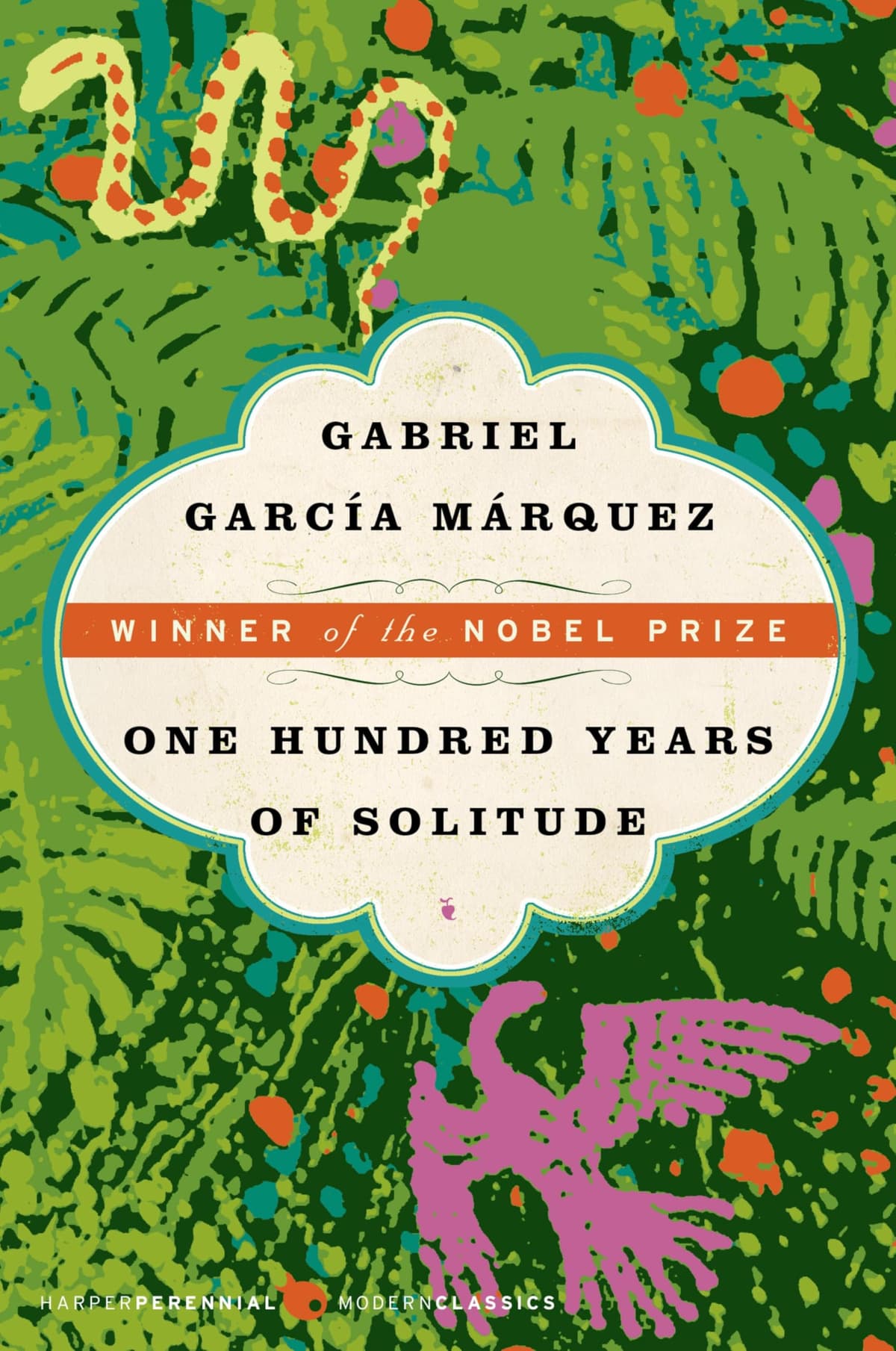 #5View Book
One Hundred Years of Solitude
Gabriel García Márquez
Moderate•15-20 hours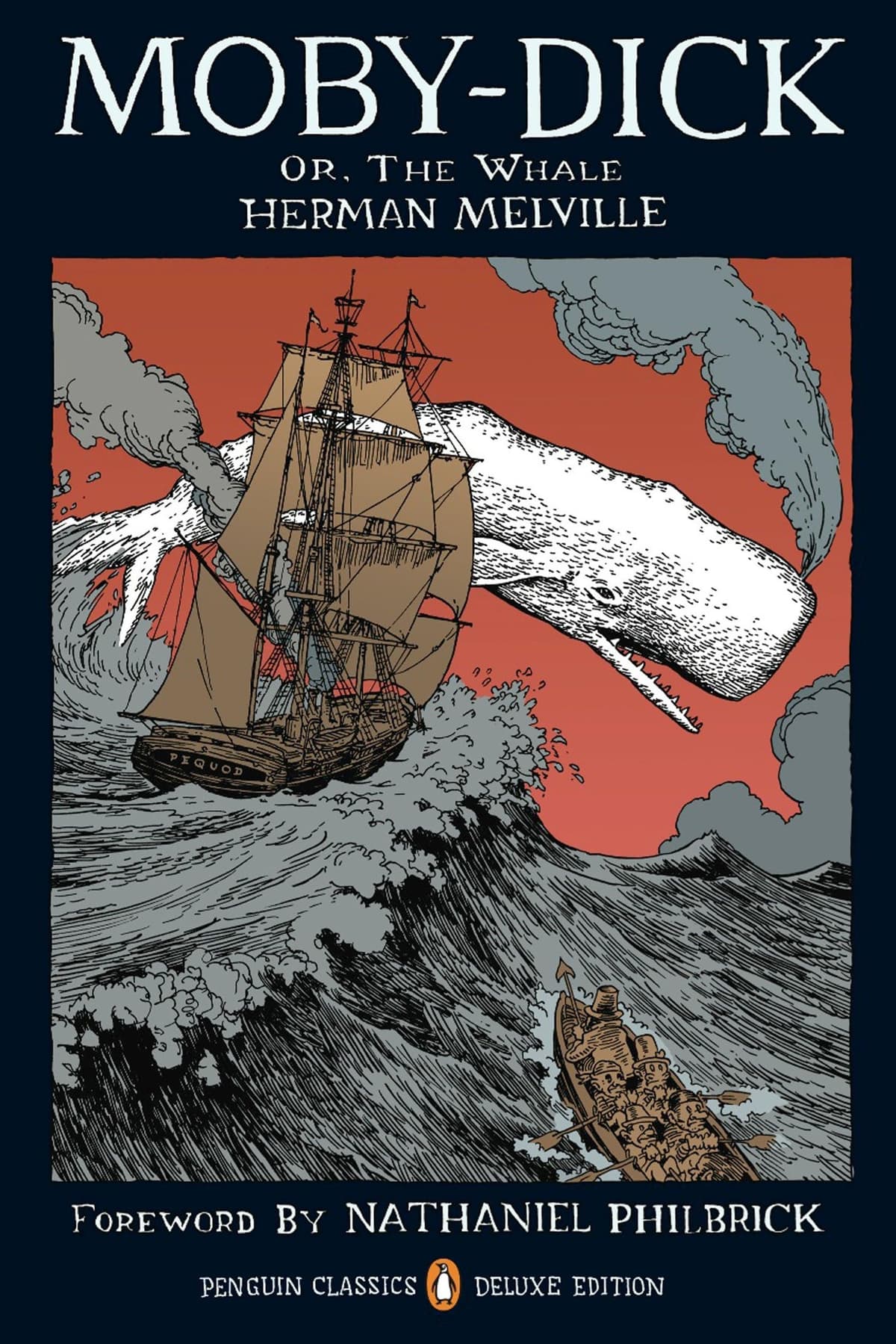 #7View Book
Moby-Dick
Herman Melville
Challenging•20-25 hours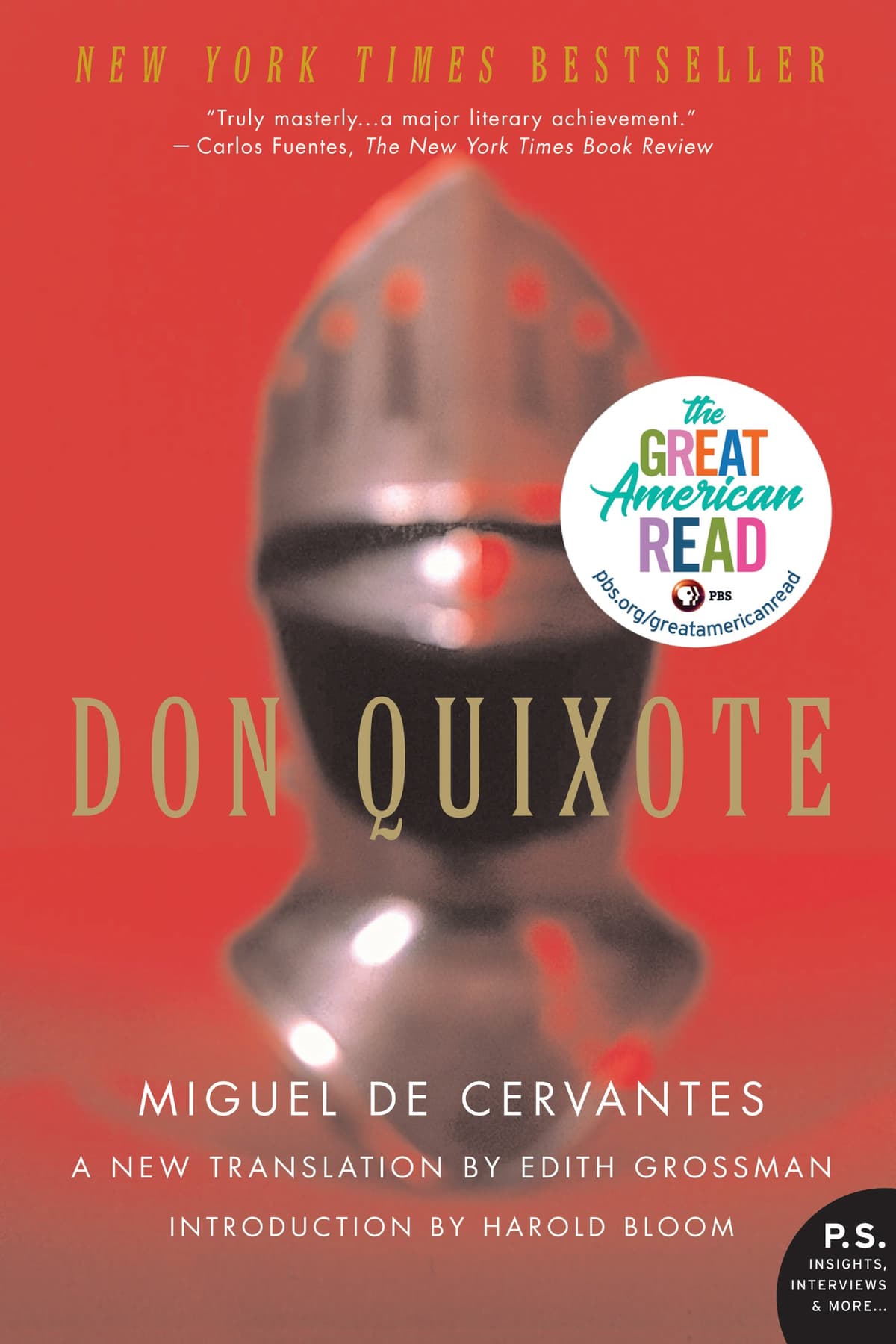 #9View Book
Don Quixote
Miguel de Cervantes
High•35-40 hours
Browse more collections