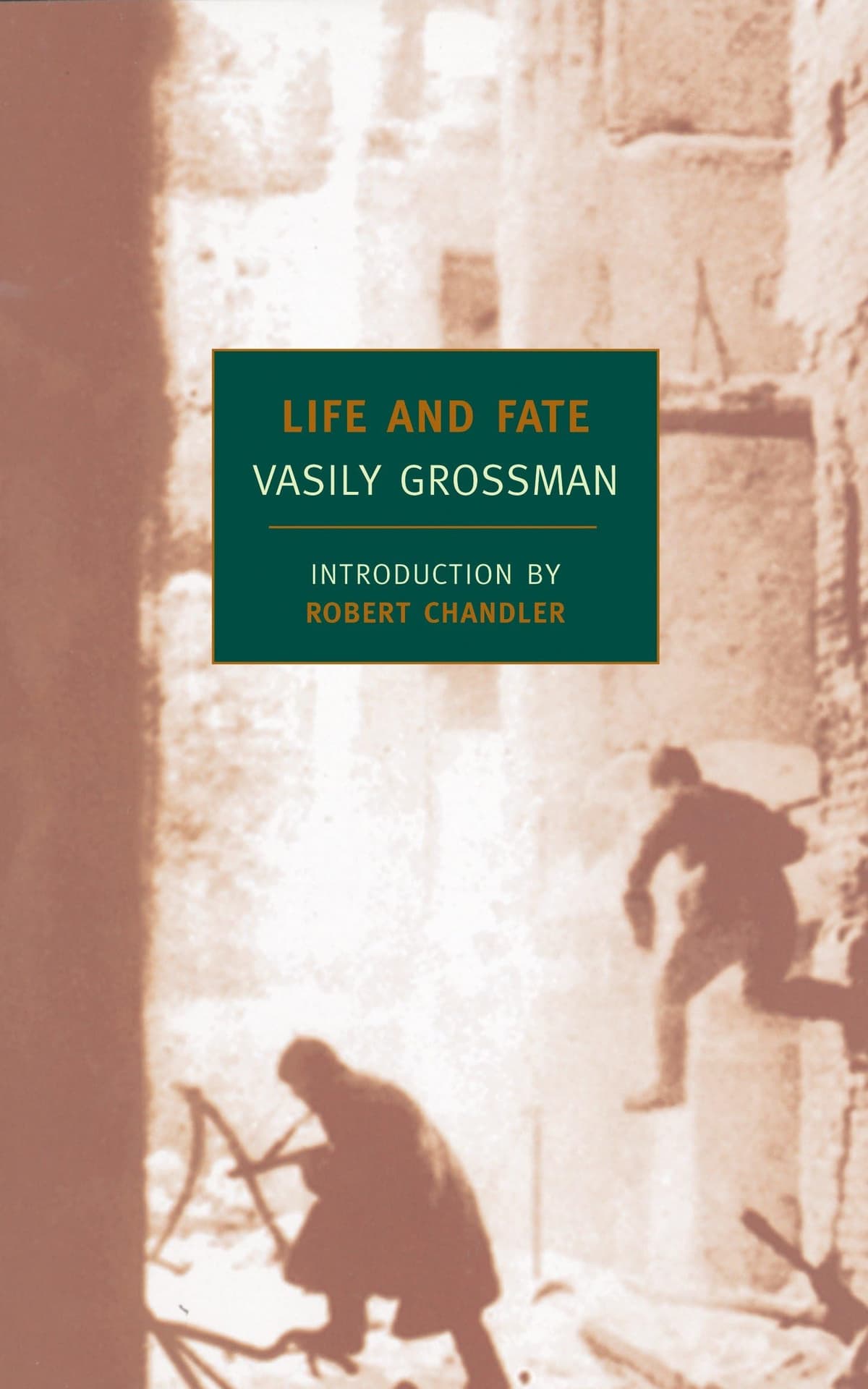
Life and Fate
“I have seen that it is not man who is impotent in the struggle against evil, but the power of evil that is impotent in the struggle against man.”
Life and Fate Summary
In the ruins of Stalingrad, amid the most catastrophic battle of the Second World War, Vasily Grossman weaves a vast human tapestry that rivals Tolstoy in scope and moral ambition. The novel follows the Shaposhnikov family—scattered across the Soviet Union, from the besieged city to the laboratories of nuclear physicists, from the cattle cars bound for the gas chambers to the corridors of Lubyanka prison. Viktor Shtrum, a theoretical physicist, grapples with his conscience as he is alternately celebrated and persecuted by the state; his mother writes a final letter from a Jewish ghetto that ranks among the most devastating passages in all of literature. Soldiers, commissars, prisoners, and ordinary citizens populate a world where totalitarian power—both Nazi and Soviet—crushes the individual spirit.
Grossman's great achievement is his unflinching equation of Stalinism and Nazism as twin engines of dehumanization, a thesis so dangerous that the KGB confiscated the manuscript and declared it could not be published for two hundred years. Yet the novel is not merely a political indictment—it is a profound meditation on the nature of freedom, goodness, and human resilience. Grossman insists that even in the darkest extremity, small acts of kindness persist, and it is these acts—senseless, illogical, uncoerced—that constitute the true resistance against tyranny. Life and Fate is the War and Peace of the twentieth century, a monument to the stubborn dignity of the human soul.
Why Read Life and Fate?
If you have read War and Peace and wondered whether any modern novel could match its ambition and moral grandeur, here is your answer. Life and Fate is that rarest of achievements—a book that stares directly into the abyss of twentieth-century horror and emerges not with despair but with a radical affirmation of human goodness. Grossman, who was himself a war correspondent at Stalingrad and among the first journalists to report on the Nazi death camps, writes with the authority of a witness and the compassion of a saint.
The novel will change the way you think about freedom, about ideology, and about the quiet, unglamorous courage that sustains people under impossible conditions. It is a book that insists on the irreducible value of every individual life—even when the state insists otherwise. To read it is to understand why literature matters: because sometimes a confiscated manuscript, smuggled out on microfilm, can outlast the empire that tried to destroy it.
About Vasily Grossman
Vasily Grossman (1905–1964) was a Soviet journalist and novelist born in Berdichev, Ukraine, to a Jewish family. He studied chemistry at Moscow University before turning to writing, and during World War II he served as a frontline correspondent for the Red Army newspaper Krasnaya Zvezda, witnessing the battles of Moscow, Stalingrad, Kursk, and Berlin. He was among the first reporters to enter the Treblinka extermination camp and co-edited The Black Book, a documentary account of the Holocaust in the Soviet Union.
Grossman's masterpiece, Life and Fate, was completed in 1960 but immediately seized by the KGB on the grounds that it was more dangerous than any nuclear weapon. Grossman died of stomach cancer in 1964, believing his life's work had been destroyed. It survived only because friends had secretly made copies, and the novel was finally published in the West in 1980. Today it is recognized as one of the supreme literary achievements of the twentieth century—a work that stands alongside Tolstoy and Dostoevsky in the pantheon of Russian letters.
Reading Guide
Ranked #236 among the greatest books of all time, Life and Fate by Vasily Grossman has earned its place in the literary canon. Originally written in Russian and published in 1980, this challenging read from Russia continues to resonate with readers today.
This book belongs to our Russian Soul and Epics collections, where you can discover more books that share its spirit and themes.
If you enjoy challenging reads like this one, you might also like Ulysses, Moby-Dick, or Lolita.
From the Russian Soul Collection
If you enjoyed Life and Fate, discover more masterpieces that share its spirit.
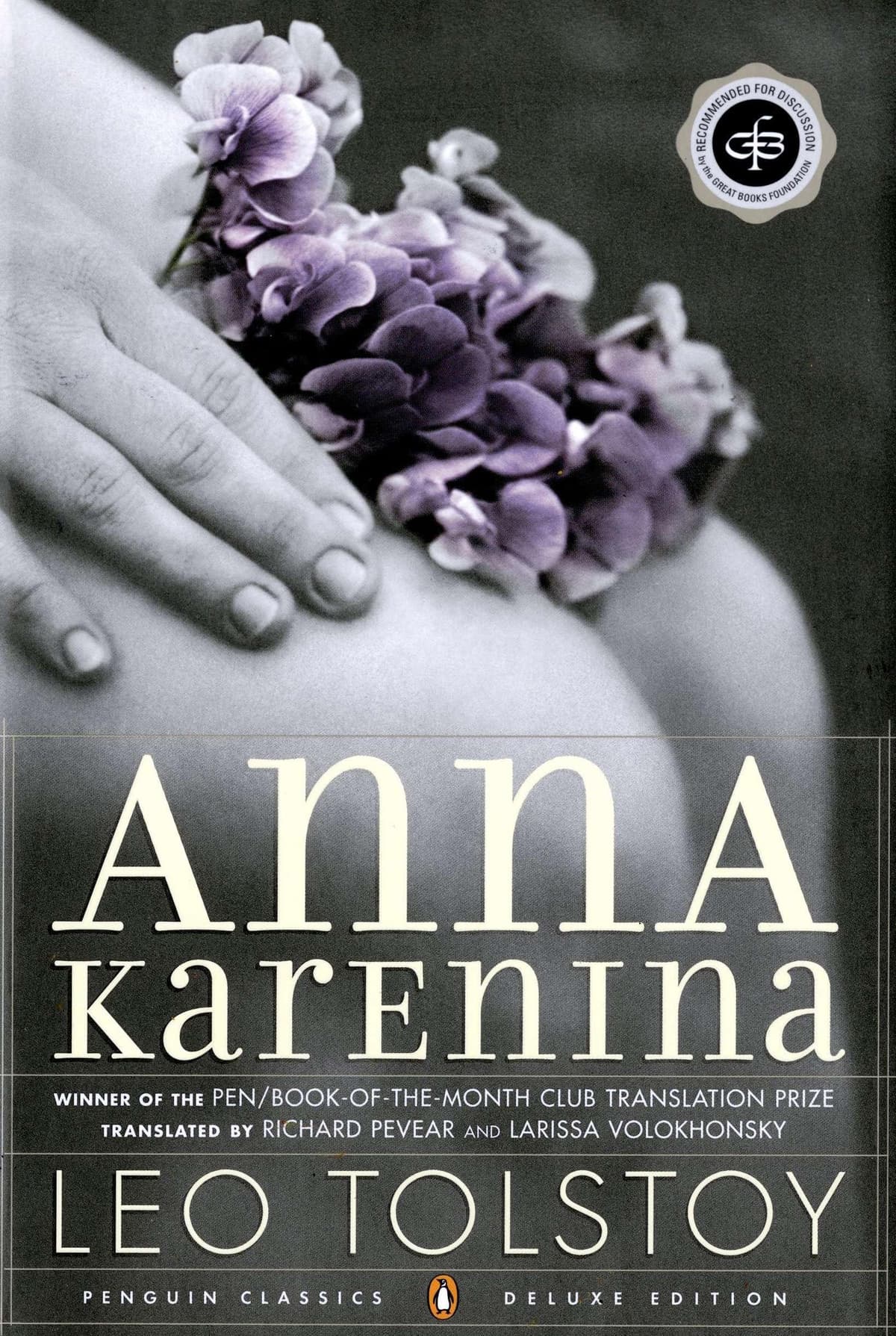 #10View Book
Anna Karenina
Leo Tolstoy
High•30-35 hours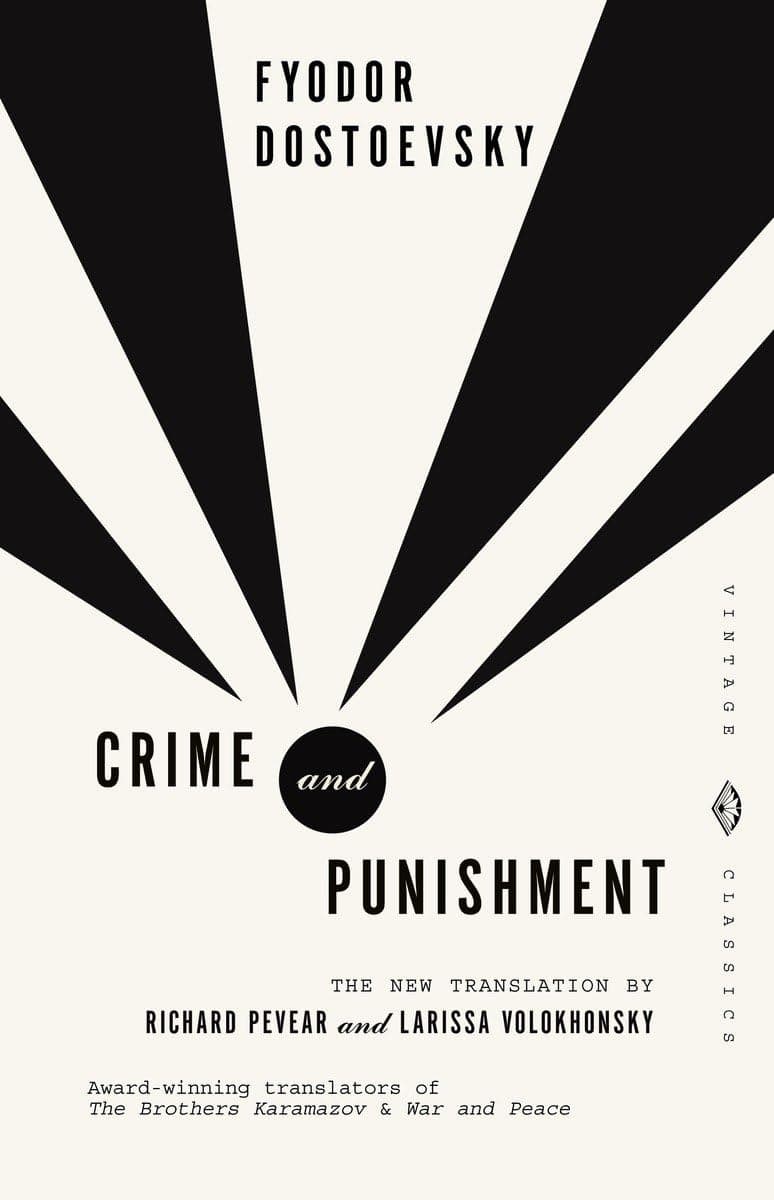 #11View Book
Crime and Punishment
Fyodor Dostoevsky
High•20-25 hours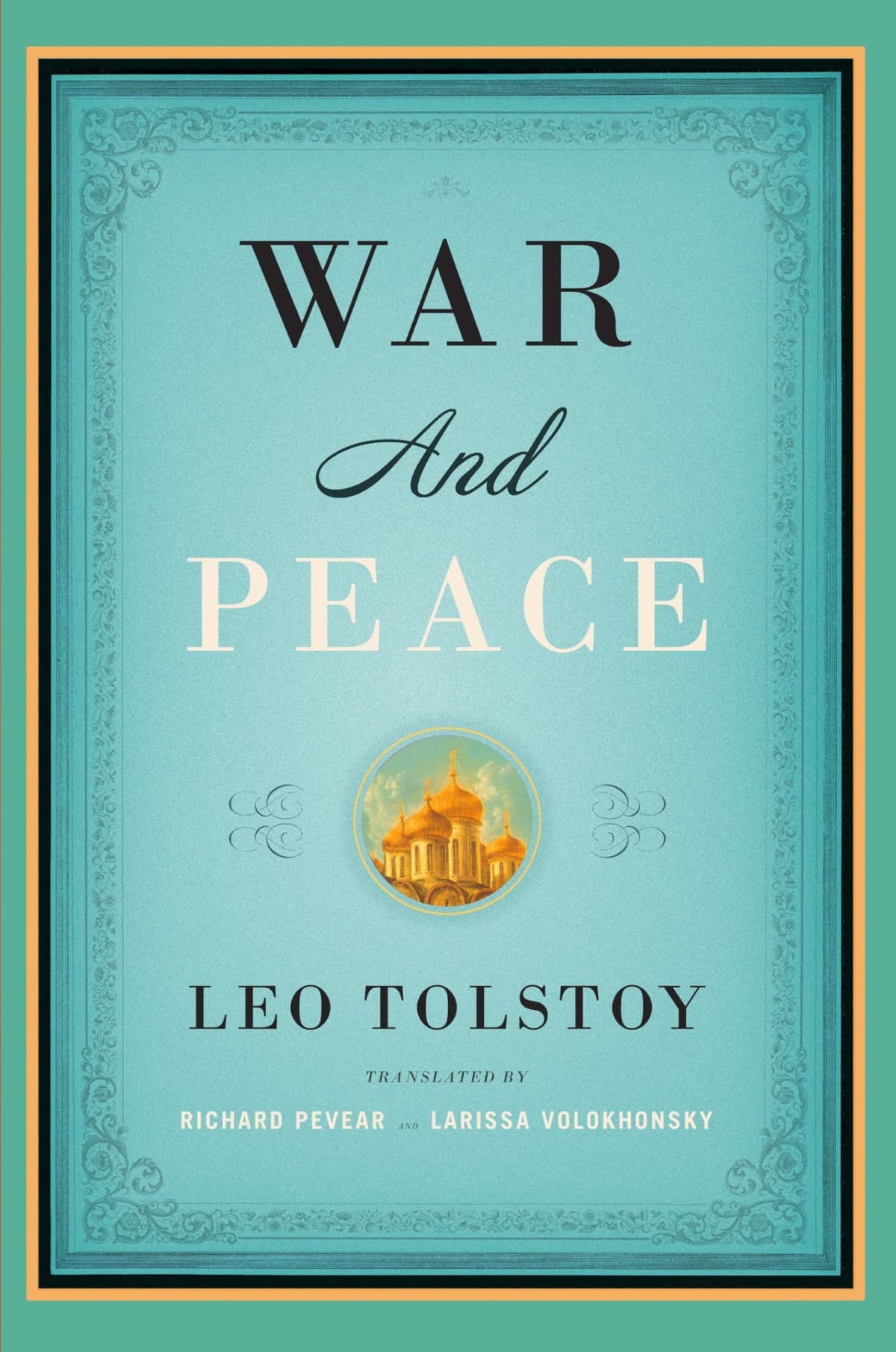 #14View Book
War and Peace
Leo Tolstoy
Very High•40-50 hours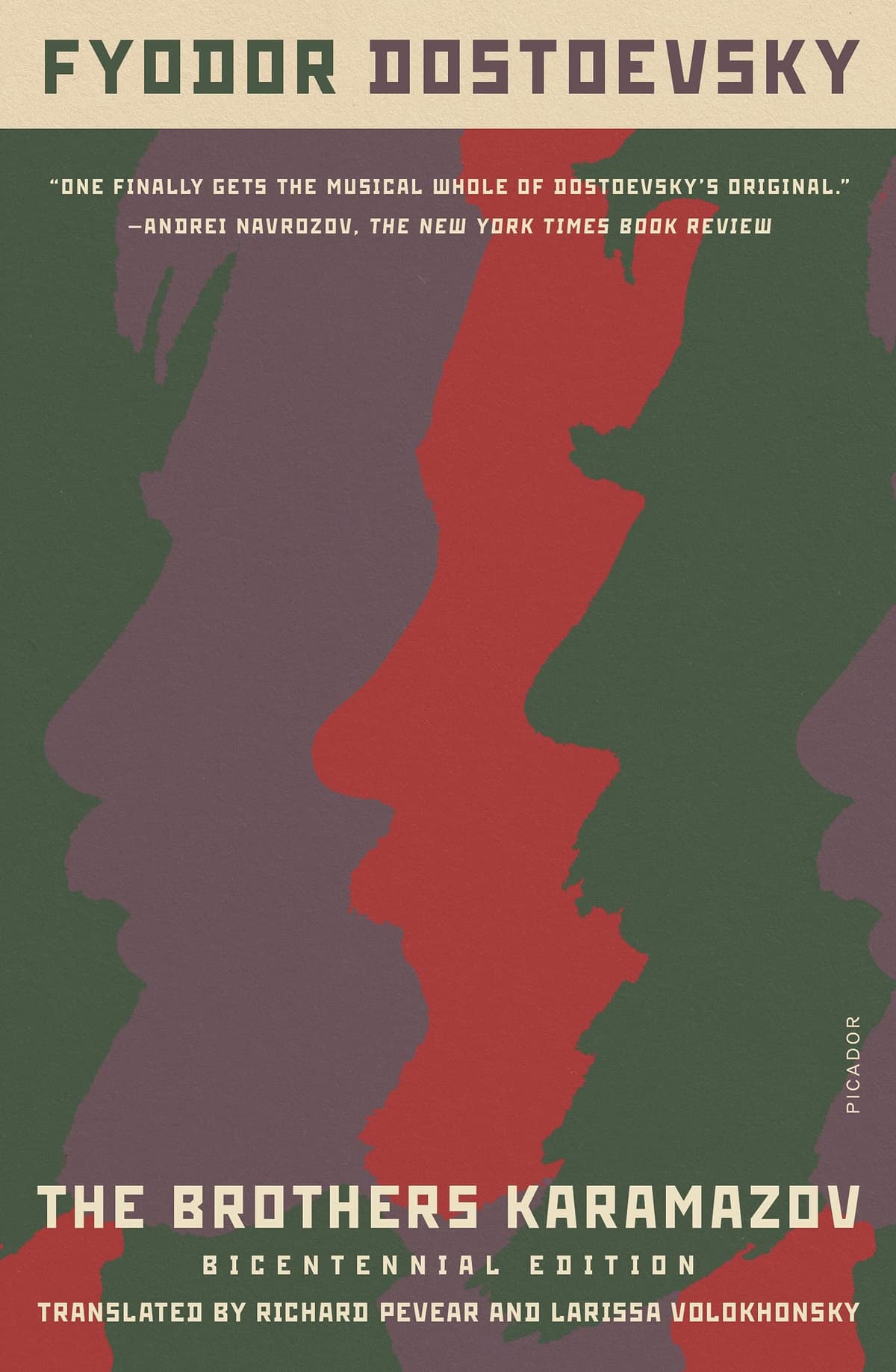 #19View Book
The Brothers Karamazov
Fyodor Dostoevsky
Very High•35-40 hours
Browse more collections