A Hero of Our Time
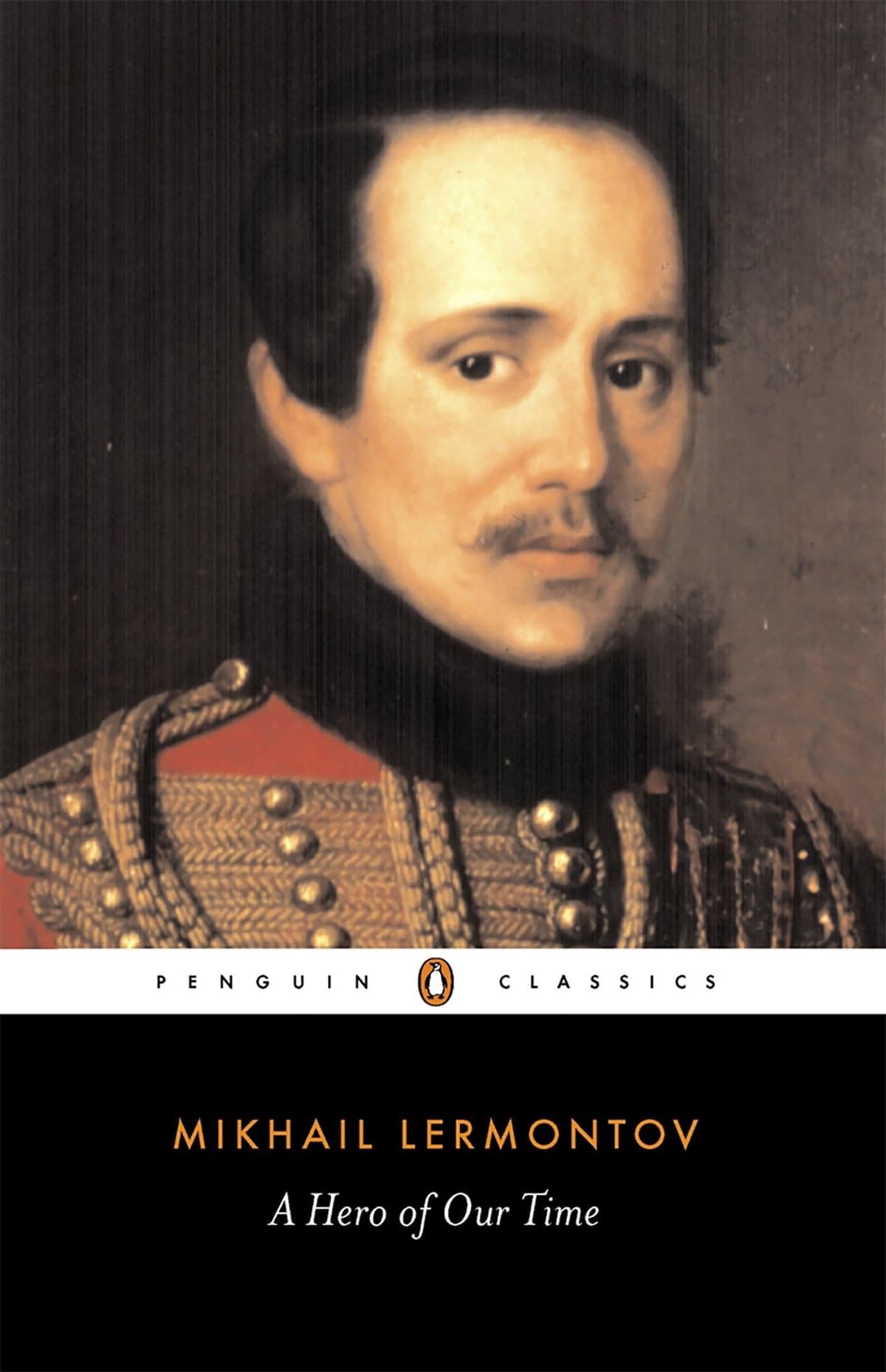
“I was ready to love the whole world—none understood me: and I learned to hate.”
A Hero of Our Time Summary
Grigory Alexandrovich Pechorin is a young Russian officer stationed in the wild, mountainous Caucasus—handsome, intelligent, brave, and utterly incapable of happiness. Lermontov presents his portrait not as a single continuous narrative but as a series of five interlocking tales, each told from a different perspective and in a different key. First we see Pechorin through the eyes of the gruff, fatherly Captain Maxim Maximych, who recounts the story of Bela—a Circassian princess Pechorin seduces, grows bored with, and abandons to a tragic fate. Then we encounter Pechorin himself, through his own journal, as he manipulates the lives of those around him in the coastal town of Taman, outwits fate and a rival in a deadly game at a frontier garrison, and finally confronts his own nihilism in the devastating final tale, "The Fatalist."
Lermontov's novel is the founding text of the Russian psychological tradition—the blueprint from which Dostoevsky, Turgenev, and Tolstoy would build. Pechorin is literature's first truly modern anti-hero: self-aware, self-destructive, capable of analyzing his own cruelty with clinical precision yet powerless to change it. The fragmented, non-chronological structure—radical for its time—mirrors the impossibility of knowing another person fully. A Hero of Our Time is a slim, diamond-hard masterpiece that asks whether intelligence without purpose, courage without conviction, and passion without love can add up to anything but waste.
Why Read A Hero of Our Time?
If you have ever met someone brilliant, charismatic, and utterly destructive—someone who seems to consume experience without being nourished by it—then you have met Pechorin, and Lermontov understood him nearly two centuries ago. A Hero of Our Time is one of the shortest great novels ever written, and every page is loaded with insight, suspense, and a mordant wit that cuts like a Caucasian dagger. The fragmented structure gives each tale its own atmosphere—romantic adventure, social comedy, existential dread—yet they build, cumulatively, into a portrait of devastating completeness.
This is the novel that invented the Russian psychological tradition, the book that made Dostoevsky and Tolstoy possible. Pechorin is the ancestor of every tortured, self-aware protagonist in modern fiction—from Raskolnikov to the unnamed narrator of Notes from Underground to the antiheroes of contemporary television. Lermontov wrote it at twenty-five and was dead in a duel at twenty-six, making this slim novel one of the most astonishing achievements of literary precocity in history. It will take you a single afternoon to read, and you will think about it for years.
About Mikhail Lermontov
Mikhail Yuryevich Lermontov (1814–1841) was the second great poet of Russian literature after Pushkin, and his death in a duel at the age of twenty-six—echoing Pushkin's own death four years earlier—remains one of the most grievous losses in literary history. Born into a family of minor Russian nobility with Scottish ancestry, he was raised by his wealthy grandmother after his mother's early death and his father's departure. He studied at Moscow University and the School of Guard Cadets in St. Petersburg before entering military service.
Lermontov's poem "Death of the Poet," written in outrage after Pushkin's death in 1837, brought him instant fame and immediate exile to the Caucasus—the mountainous frontier that would become the setting for his greatest work. A Hero of Our Time, published in 1840, is considered the first Russian psychological novel and one of the most influential works in Russian literature. His poetry—passionate, melancholic, and rebellious—remains beloved in Russia. He was killed in a duel with a fellow officer at Pyatigorsk in 1841, cutting short a genius that had only begun to reveal its full scope.
Reading Guide
Ranked #235 among the greatest books of all time, A Hero of Our Time by Mikhail Lermontov has earned its place in the literary canon. Originally written in Russian and published in 1840, this moderate read from Russia continues to resonate with readers today.
This book belongs to our Russian Soul and Philosophy & Faith collections, where you can discover more books that share its spirit and themes.
If you enjoy moderate reads like this one, you might also like One Hundred Years of Solitude, Nineteen Eighty-Four, or Wuthering Heights.
From the Russian Soul Collection
If you enjoyed A Hero of Our Time, discover more masterpieces that share its spirit.
 #10View Book
Anna Karenina
Leo Tolstoy
High•30-35 hours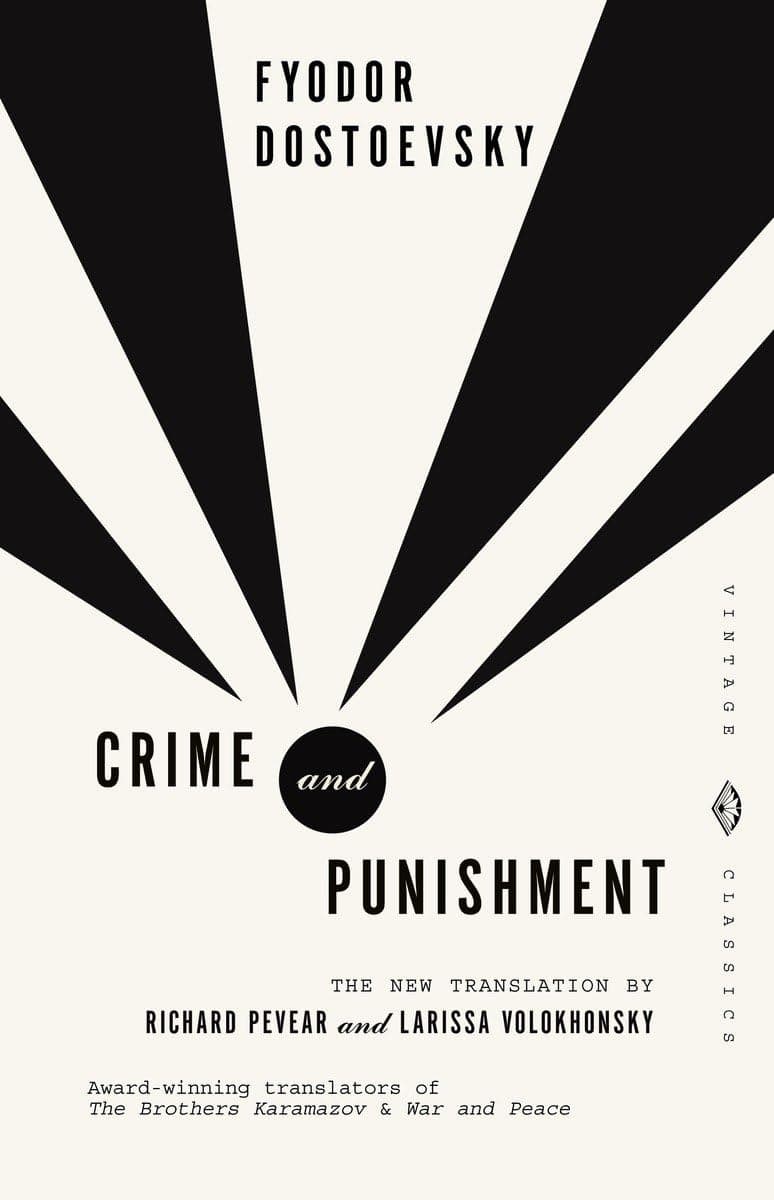 #11View Book
Crime and Punishment
Fyodor Dostoevsky
High•20-25 hours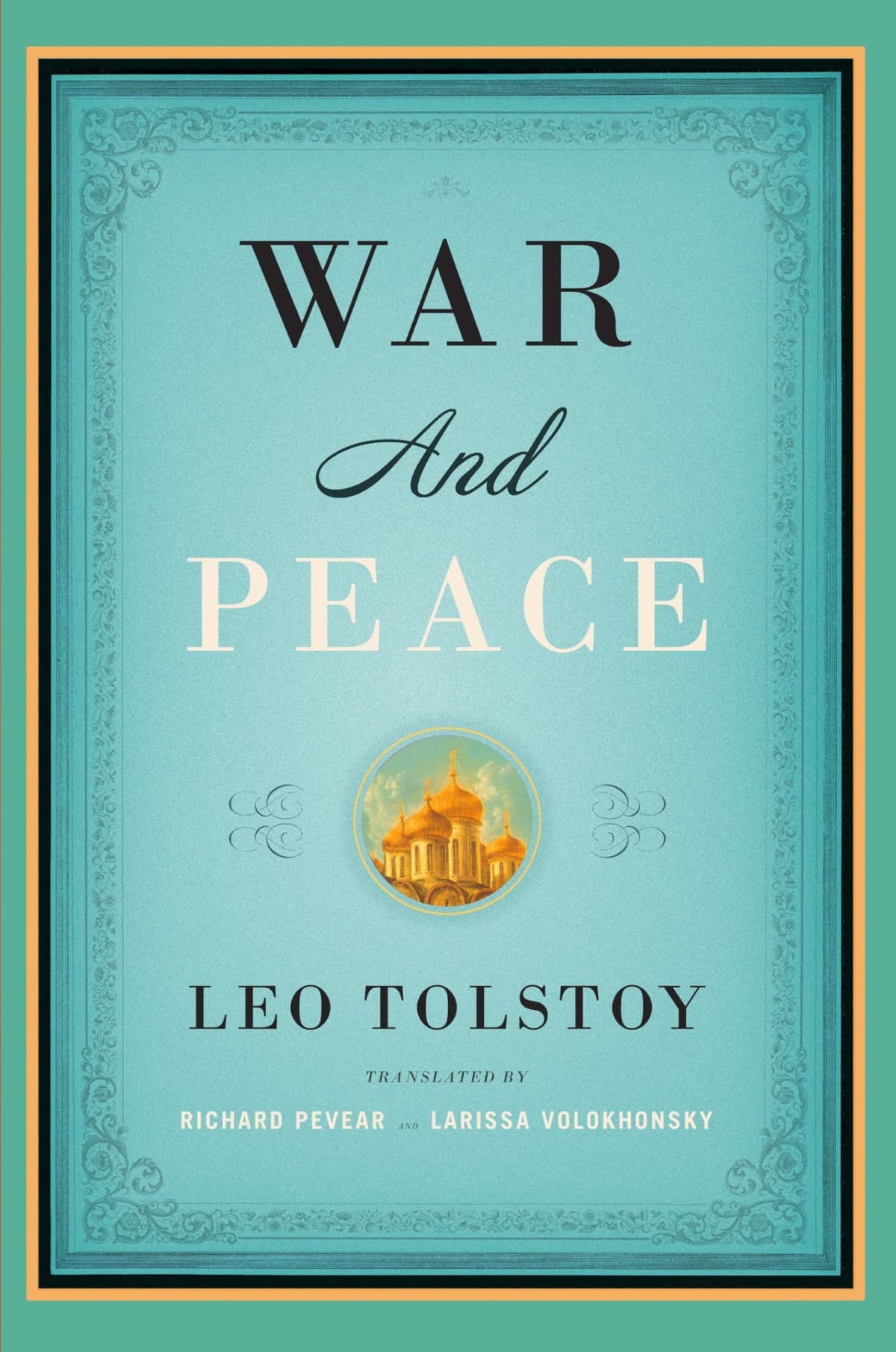 #14View Book
War and Peace
Leo Tolstoy
Very High•40-50 hours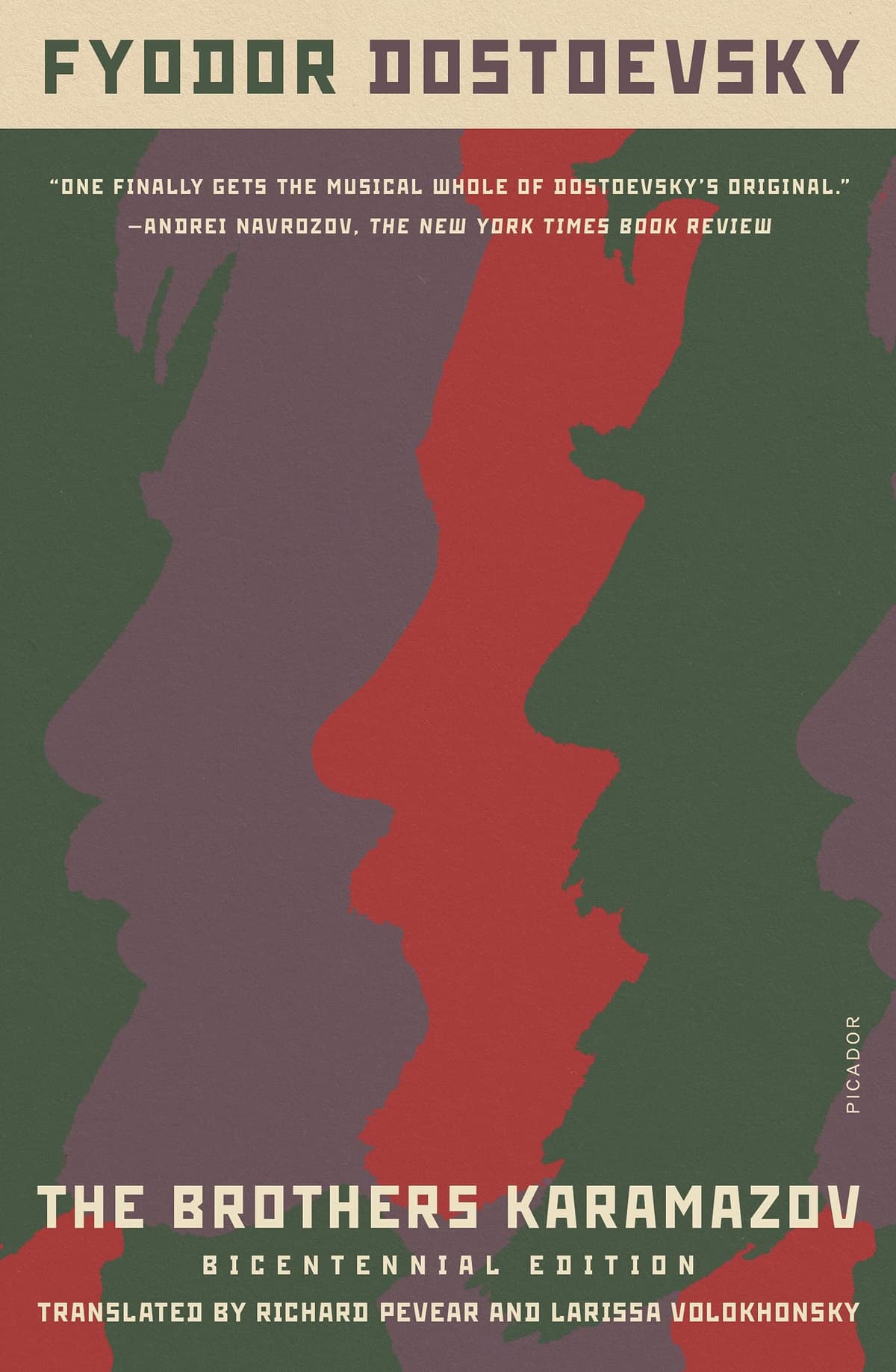 #19View Book
The Brothers Karamazov
Fyodor Dostoevsky
Very High•35-40 hours
Browse more collections