Gulliver's Travels
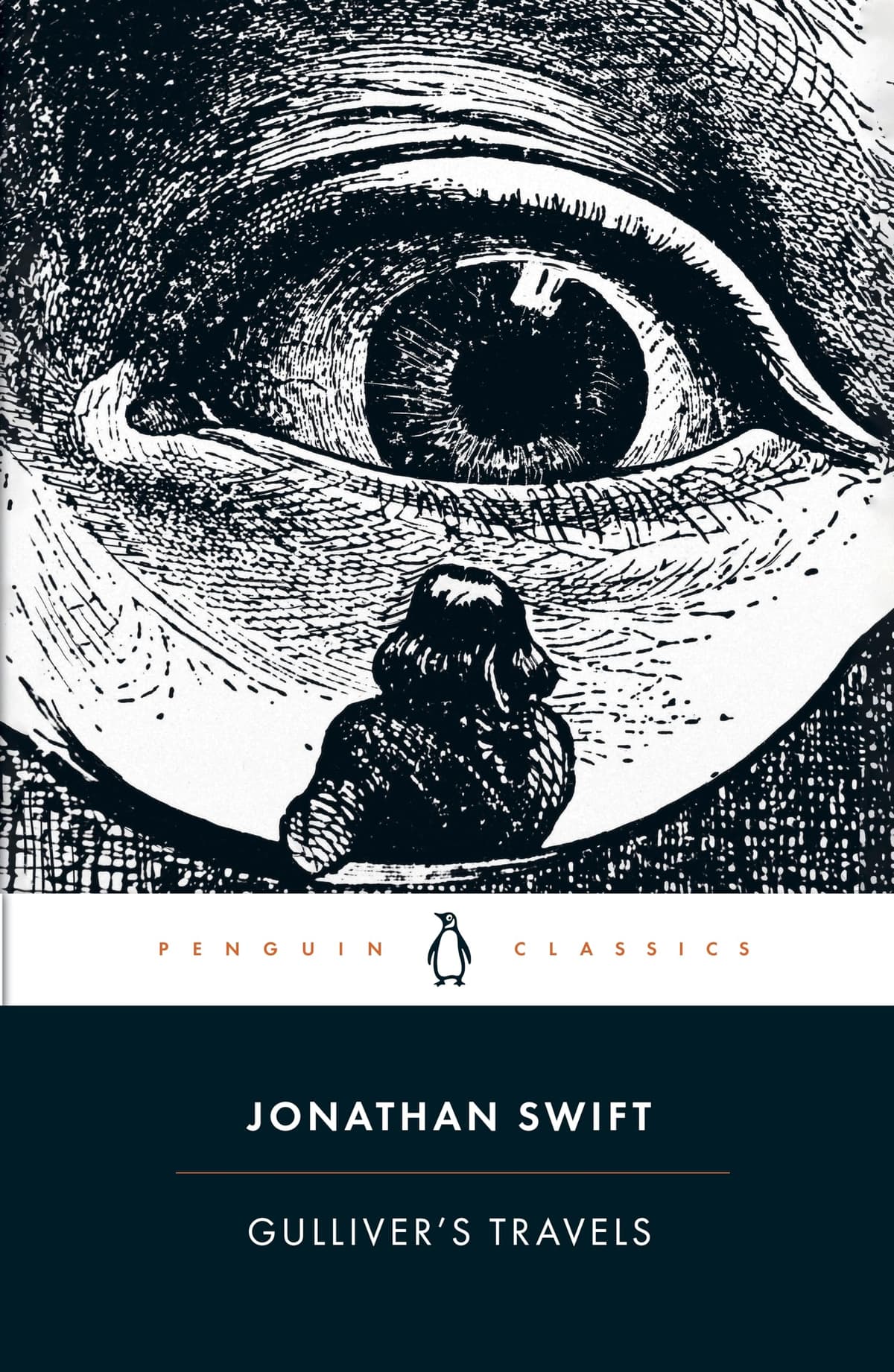
“I cannot but conclude the bulk of your natives to be the most pernicious race of little odious vermin that nature ever suffered to crawl upon the surface of the earth.”
Gulliver's Travels Summary
Lemuel Gulliver, a ship's surgeon with an unfortunate talent for shipwrecks, washes ashore in four impossible lands. In Lilliput, he towers over a nation of six-inch people who wage bitter wars over which end of an egg to crack. In Brobdingnag, he is himself the miniature, a plaything for giants whose king declares humanity to be 'the most pernicious race of little odious vermin that nature ever suffered to crawl upon the surface of the earth.' In Laputa, he encounters a flying island of absentminded scientists. And in the land of the Houyhnhnms, rational horses rule over brutish, filthy creatures called Yahoos—who bear an uncomfortable resemblance to human beings.
Swift's masterpiece reads like a children's adventure—and it is the most savage attack on humanity ever written in English. Each voyage strips away another layer of human pretension, until Gulliver returns home unable to bear the smell of his own family. It is satire so ferocious that three centuries have not dulled its blade.
Why Read Gulliver's Travels?
Gulliver's Travels is the book that proves satire can be a lethal weapon. Swift attacked everything—politics, science, religion, human nature itself—with such furious invention that his book has outlived every target it was aimed at. You do not need to know the details of early eighteenth-century English politics to feel the sting. The follies Swift mocks—petty tribalism, intellectual vanity, the delusion that humans are rational creatures—are eternal.
What makes the novel truly unsettling is its final voyage. The Houyhnhnms are pure reason without passion; the Yahoos are pure appetite without thought. And Gulliver, who is neither one nor the other, goes mad trying to choose. Swift forces you to ask the most uncomfortable question in literature: are human beings closer to the horse or the Yahoo? His answer, delivered with a misanthrope's grin, is one you will never quite shake off.
About Jonathan Swift
Jonathan Swift (1667–1745) was an Anglo-Irish clergyman, essayist, and the greatest satirist in the English language. Born in Dublin, he served as Dean of St. Patrick's Cathedral while producing a torrent of political pamphlets, poems, and prose that made him the most feared pen in Britain. His 'A Modest Proposal'—suggesting that the Irish poor sell their children as food—remains the gold standard of satirical savagery.
Gulliver's Travels, published in 1726, was an immediate sensation, devoured by readers from cabinet ministers to children. Swift spent his final years in declining health, his great intellect dimming, but his legacy as the supreme anatomist of human folly has only grown. He left his fortune to found a hospital for the mentally ill—one last act of furious compassion.
Reading Guide
Ranked #63 among the greatest books of all time, Gulliver's Travels by Jonathan Swift has earned its place in the literary canon. Originally written in English and published in 1726, this moderate read from United Kingdom continues to resonate with readers today.
This book belongs to our Society & Satire and Speculative Futures collections, where you can discover more books that share its spirit and themes.
If you enjoy moderate reads like this one, you might also like One Hundred Years of Solitude, Nineteen Eighty-Four, or Wuthering Heights.
From the Society & Satire Collection
If you enjoyed Gulliver's Travels, discover more masterpieces that share its spirit.
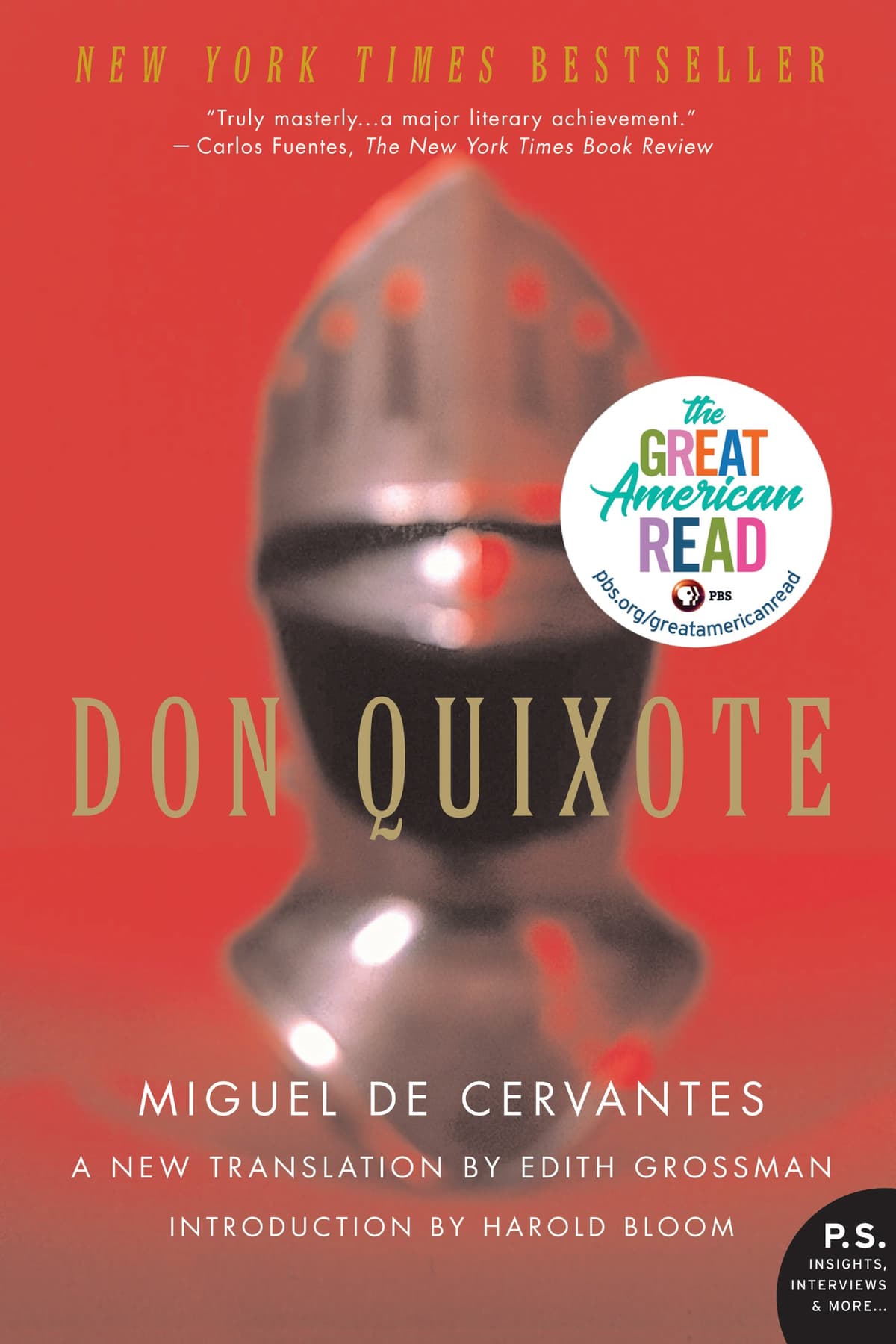 #9View Book
Don Quixote
Miguel de Cervantes
High•35-40 hours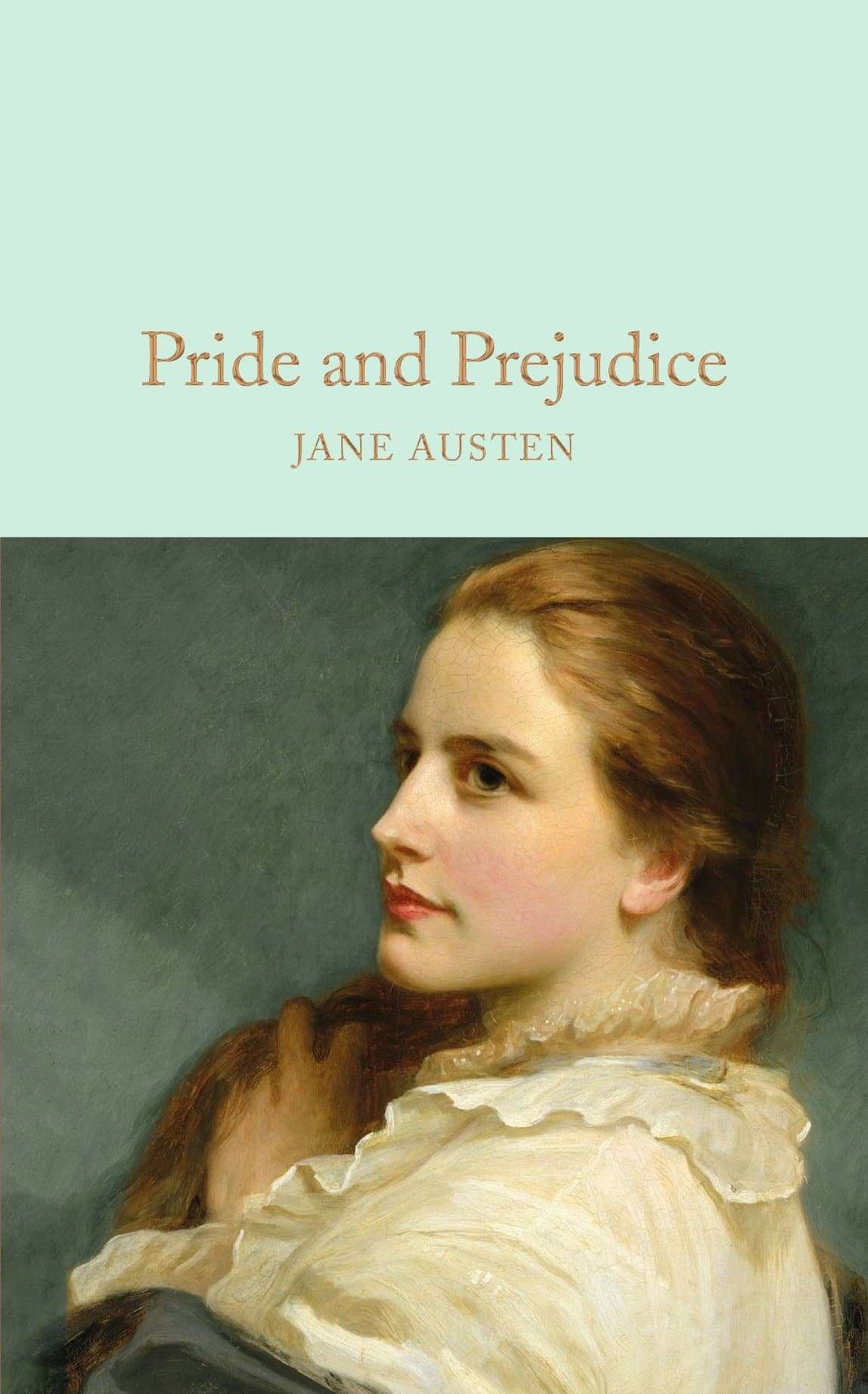 #12View Book
Pride and Prejudice
Jane Austen
Accessible•10-12 hours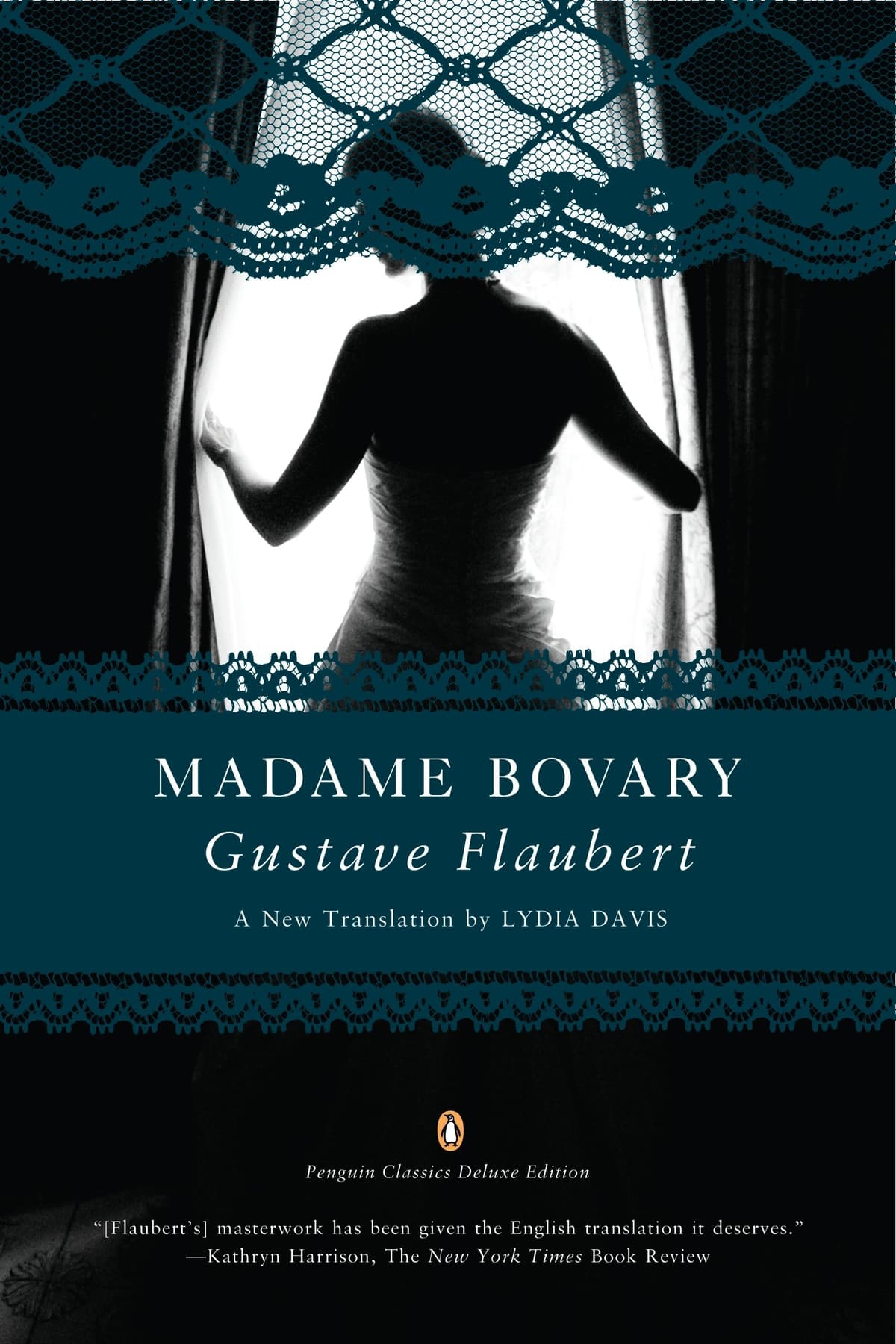 #22View Book
Madame Bovary
Gustave Flaubert
Moderate•12-15 hours #30View Book
Middlemarch
George Eliot
High•30-35 hours
Browse more collections