El Aleph
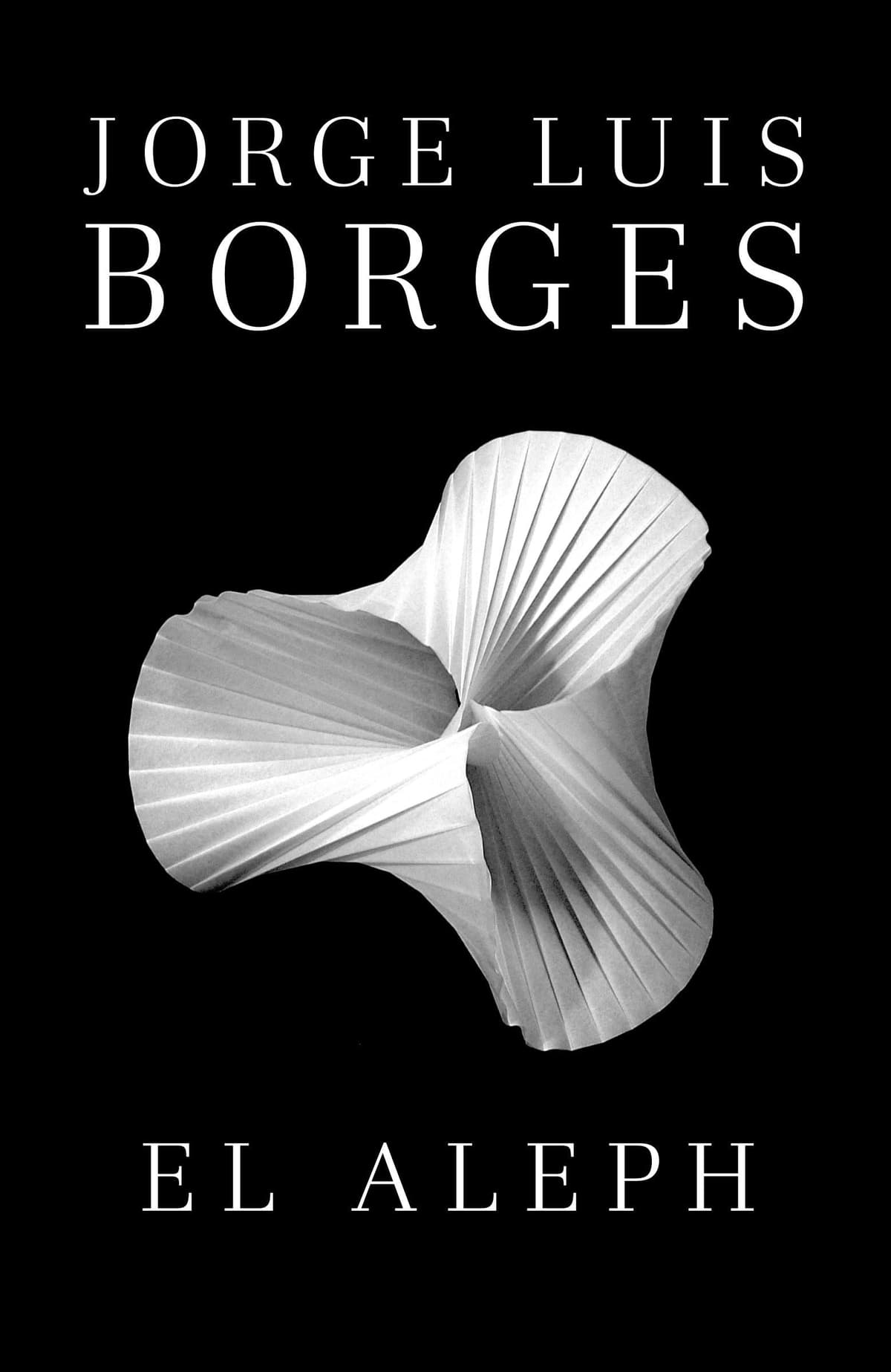
“I saw the Aleph from every point and angle, and in the Aleph I saw the earth, and in the earth the Aleph and in the Aleph the earth.”
El Aleph Summary
El Aleph is a collection of short stories that operates at the intersection of philosophy, mathematics, and literature, each tale a precision-engineered thought experiment disguised as fiction. The title story recounts the narrator's discovery, in the cellar of a tedious poet named Carlos Argentino Daneri, of the Aleph: a point in space that contains all other points, a sphere of perhaps two or three centimeters in diameter that nonetheless encompasses the entire universe simultaneously. Other stories are equally vertiginous: "The Immortal" traces a Roman tribune's centuries-long search for the river of immortality, only to discover that deathlessness is not a gift but a curse; "The Zahir" explores an object so unforgettable that it gradually consumes the mind of anyone who possesses it; "Deutsches Requiem" presents the chilling final testament of a Nazi war criminal who has willed his own destruction as a philosophical act. Throughout, Borges deploys his signature arsenal of labyrinths, mirrors, infinite libraries, and invented scholarly references to dissolve the boundary between the real and the imagined.
This collection represents Borges at the height of his powers, each story a compressed universe of ideas rendered in prose of crystalline precision. His method is unique in world literature: by treating metaphysical concepts as narrative premises, he creates fiction that is simultaneously intellectually rigorous and emotionally haunting. The stories in El Aleph grapple with infinity, identity, time, and the limits of human perception, yet they never feel abstract because Borges anchors them in specific, often darkly comic human situations. The influence of this collection on subsequent literature, from magical realism to postmodern metafiction, is incalculable.
Why Read El Aleph?
Reading El Aleph is like peering through a keyhole and seeing the entire universe on the other side. Borges possesses a gift unmatched in modern literature: the ability to compress vast philosophical questions into stories of ten or fifteen pages that leave you feeling as though the ground has shifted beneath your feet. Each story is a perfect mechanism, elegant and inexorable, that takes a single impossible premise and pursues it to its logical, devastating conclusion. You will finish the title story and find yourself unable to look at the world in quite the same way, haunted by the idea that somewhere, in some forgotten cellar, everything that exists is simultaneously visible.
Beyond their intellectual dazzle, these stories are deeply human. Borges writes about jealousy, grief, obsession, and the terror of confronting the infinite with a dry wit and emotional precision that cuts through the metaphysical apparatus. El Aleph is essential reading not only because it revolutionized what short fiction could do, but because it permanently expands the reader's sense of what is possible. If you have never read Borges, begin here, and prepare to discover that literature can be a form of vertigo.
About Jorge Luis Borges
Jorge Luis Borges was born in Buenos Aires in 1899 into a cultured family with both Argentine and English roots. He grew up bilingual, reading voraciously in his father's extensive library, and spent formative years in Geneva during World War I, where he learned French and German. After a period in Spain where he encountered avant-garde literary movements, he returned to Buenos Aires and began publishing the poetry, essays, and short stories that would transform world literature. Progressive blindness, inherited from his father, gradually overtook him, and by the mid-1950s he was almost entirely blind, a condition he described with characteristic irony as God's gift of books and night simultaneously.
Borges never wrote a novel, yet his influence on the novel is immeasurable. His collections Ficciones and El Aleph, published in the 1940s, invented an entirely new mode of fiction that treats ideas as adventures and libraries as labyrinths. He served as director of the Argentine National Library and held a professorship at the University of Buenos Aires, and his international reputation grew steadily, bringing nearly every major literary prize except the Nobel, an omission widely regarded as the award's most glaring oversight. His influence extends from Gabriel Garcia Marquez and Italo Calvino to Umberto Eco and Thomas Pynchon. Borges died in Geneva in 1986, having returned to the city of his intellectual awakening.
Reading Guide
Ranked #418 among the greatest books of all time, El Aleph by Jorge Luis Borges has earned its place in the literary canon. Originally written in Spanish and published in 1949, this moderate read from Argentina continues to resonate with readers today.
This book belongs to our Magical Realism and Philosophy & Faith collections, where you can discover more books that share its spirit and themes.
If you enjoy moderate reads like this one, you might also like One Hundred Years of Solitude, Nineteen Eighty-Four, or Wuthering Heights.
From the Magical Realism Collection
If you enjoyed El Aleph, discover more masterpieces that share its spirit.
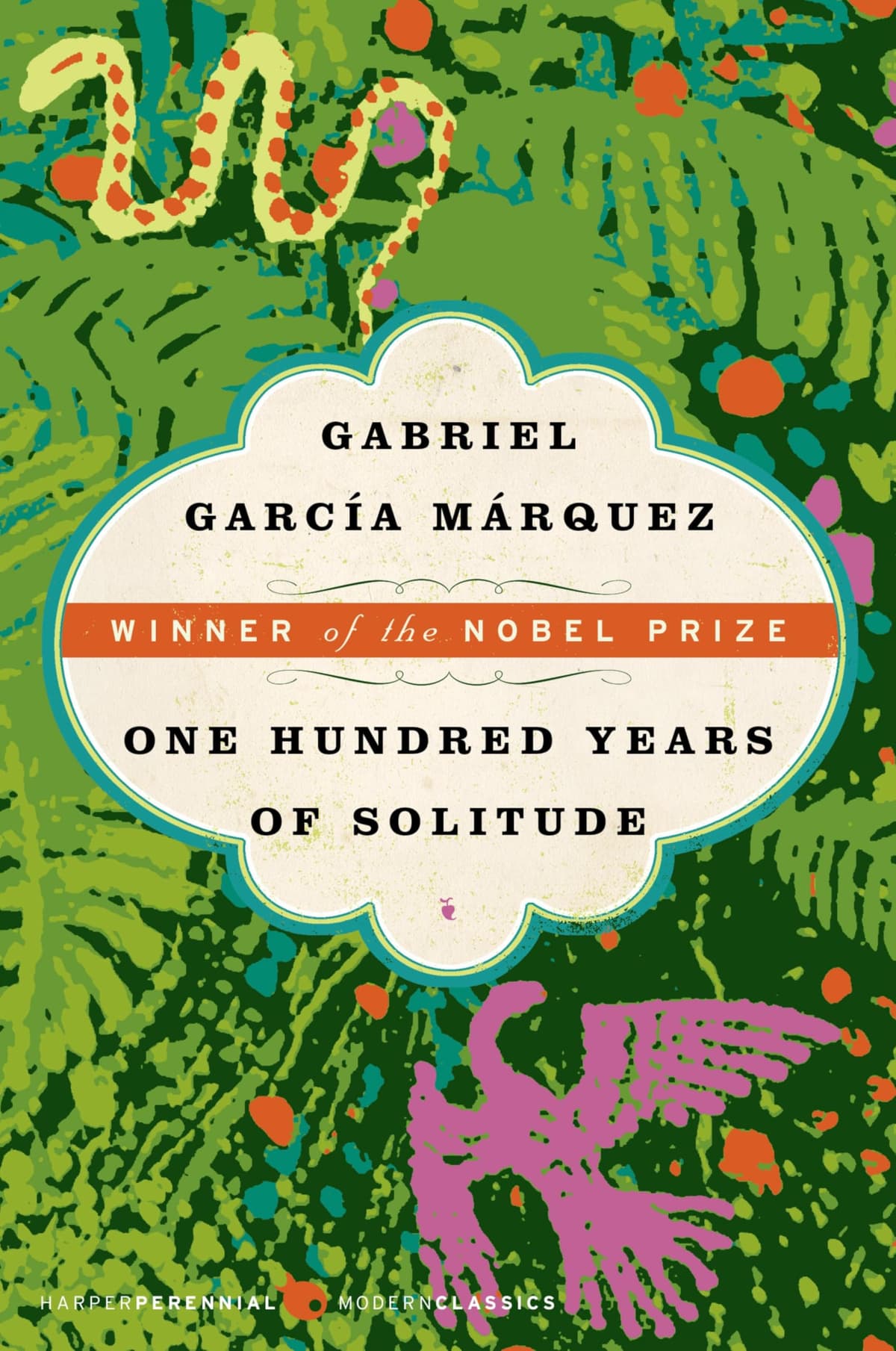 #5View Book
One Hundred Years of Solitude
Gabriel García Márquez
Moderate•15-20 hours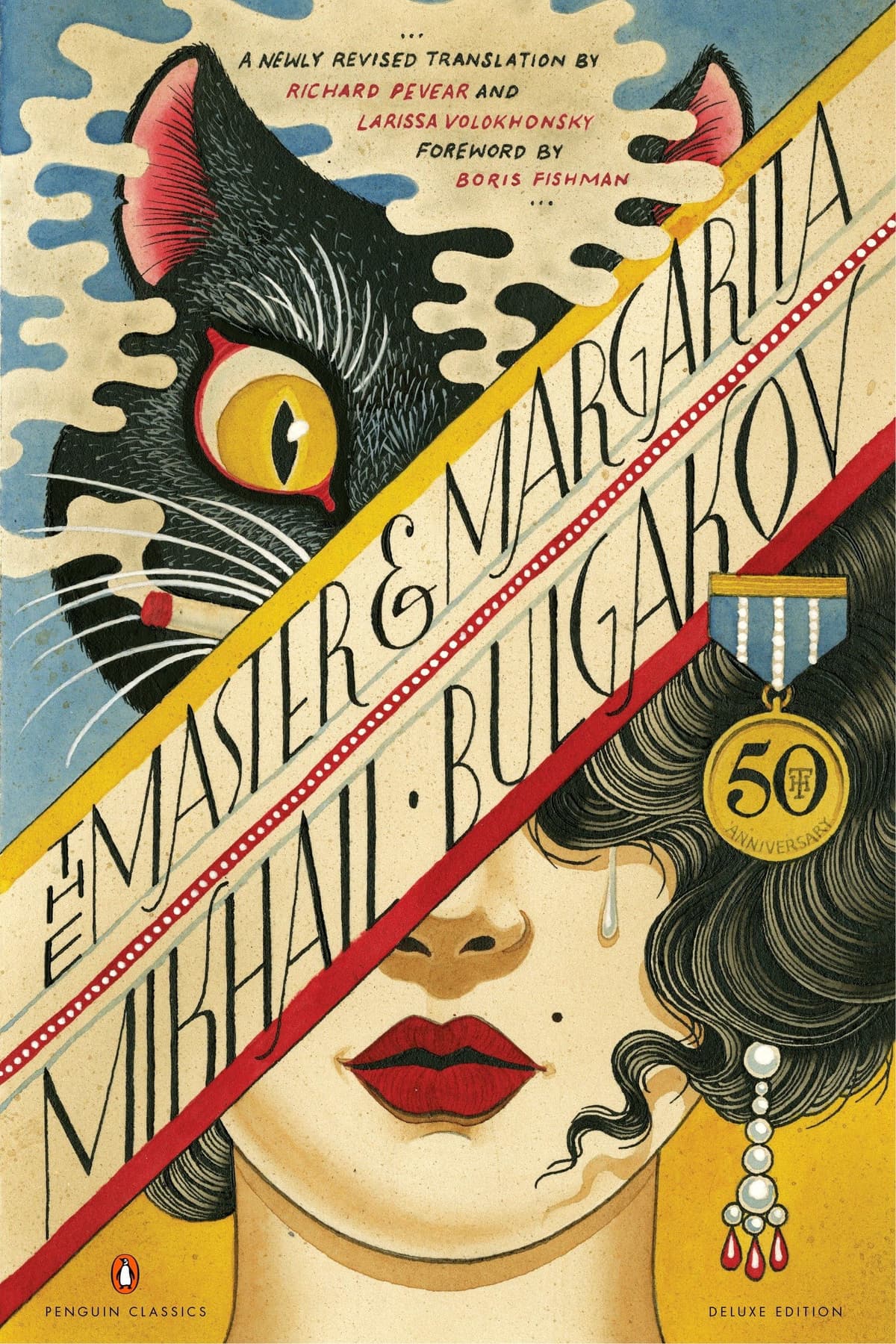 #34View Book
The Master and Margarita
Mikhail Bulgakov
Moderate•12-15 hours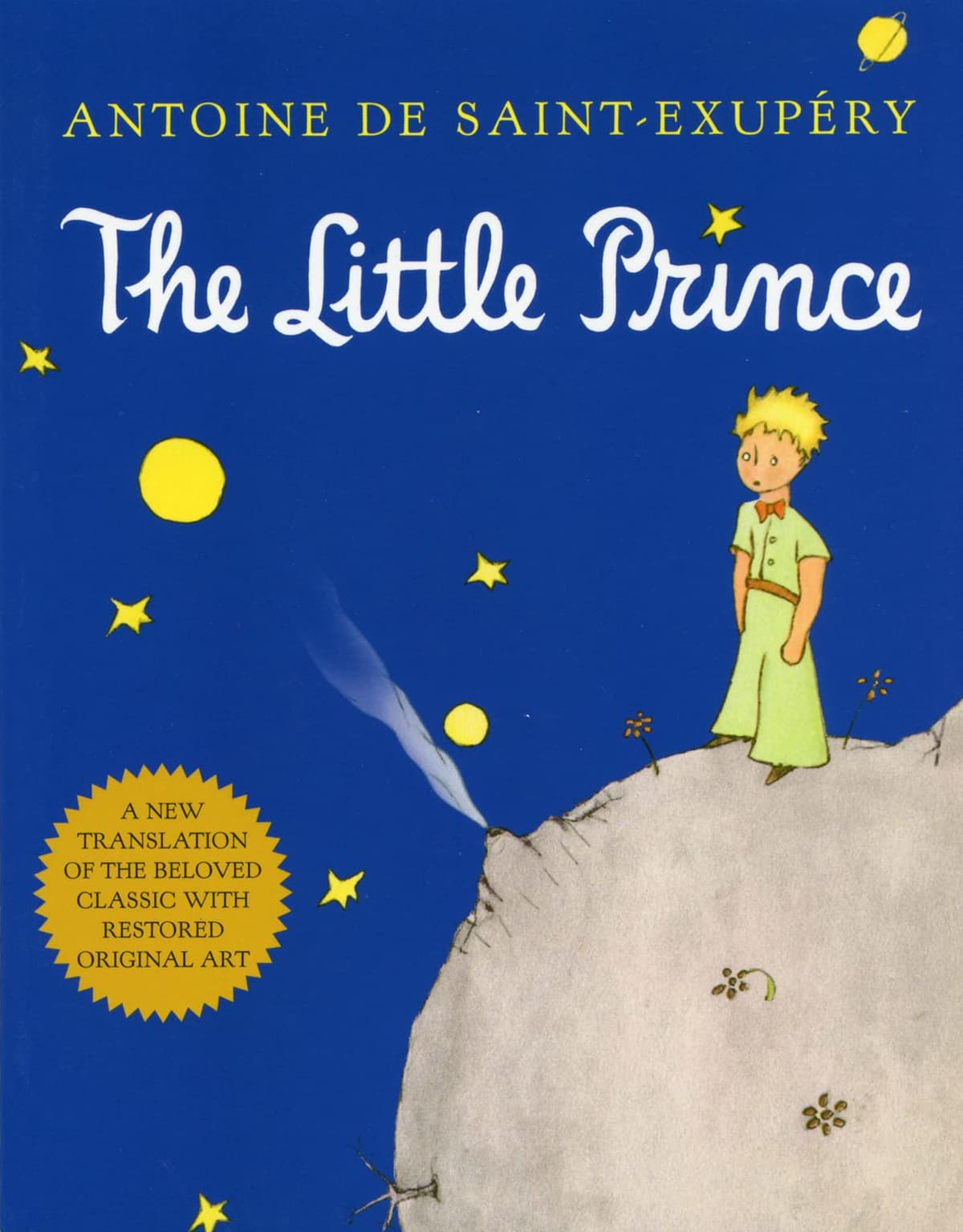 #43View Book
The Little Prince
Antoine de Saint-Exupéry
Accessible•1-2 hours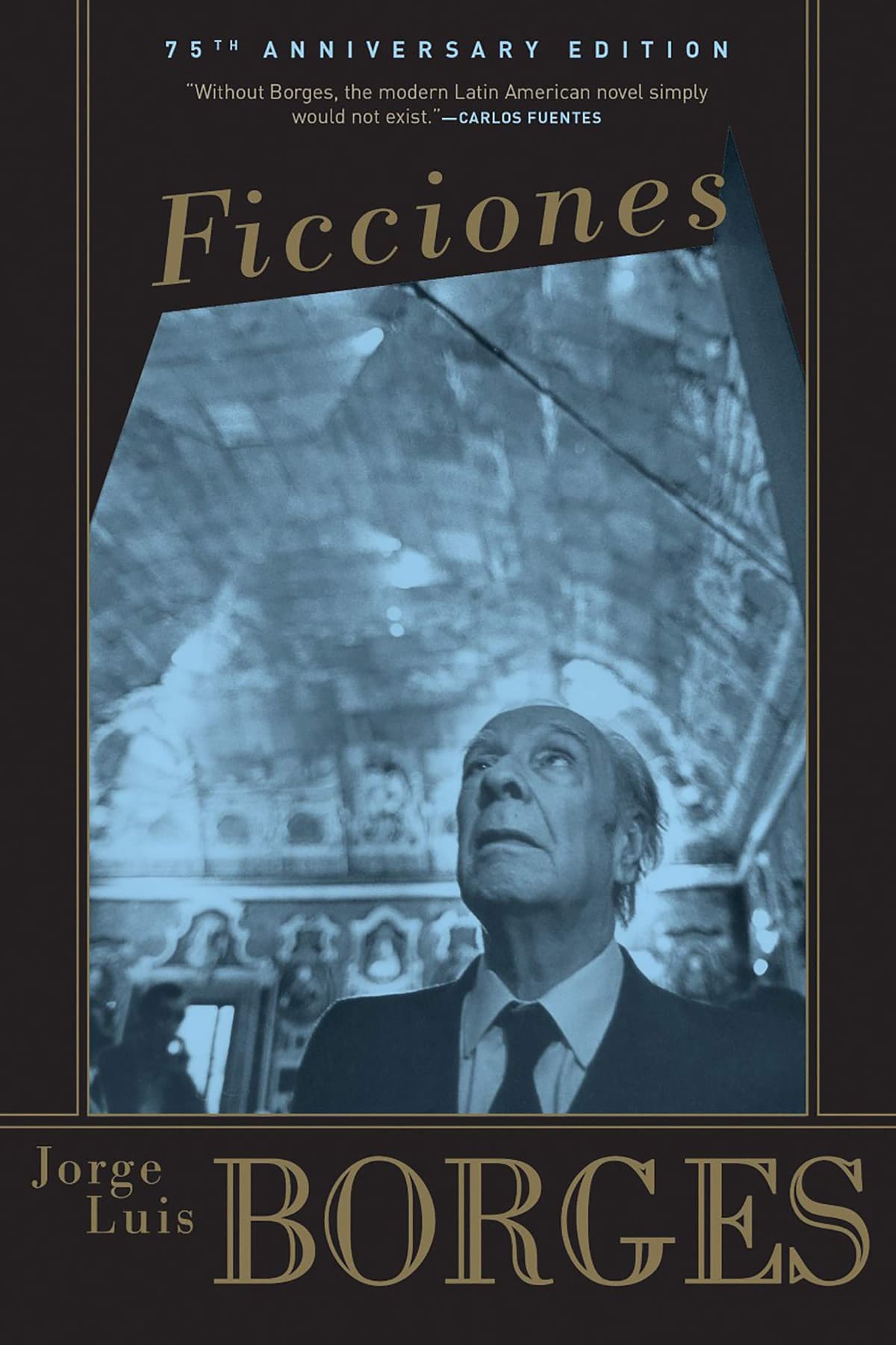 #45View Book
Fictions
Jorge Luis Borges
Challenging•6-8 hours
Browse more collections