Death of Virgil
“Oh, the way had been long, infinitely long, infinitely short.”
Death of Virgil Summary
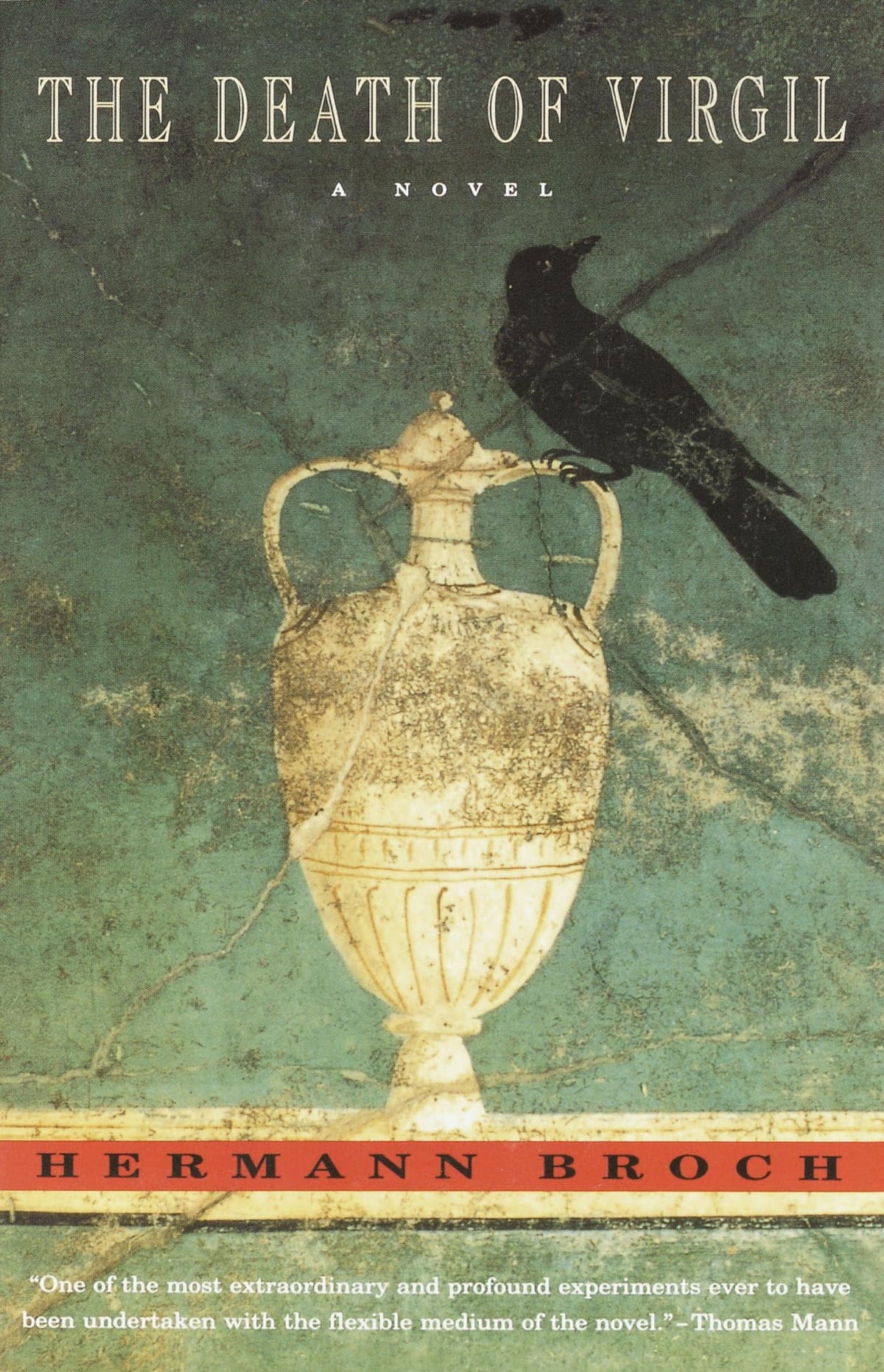
The Roman poet Virgil arrives at the harbor of Brundisium in 19 B.C., carried on a litter from the imperial ship of Augustus Caesar, burning with fever and clutching the manuscript of the Aeneid—which he intends to destroy. Over the course of eighteen hours, as he drifts between consciousness and delirium, Virgil relives his life, debates with friends and with the Emperor himself about the value of art, and undergoes a visionary journey through the elemental stages of existence: water, fire, earth, and ether. Hermann Broch pours all of this into sentences that stretch across entire pages, building vast cathedrals of language that attempt to capture the very texture of a dying mind.
The Death of Virgil is one of the most ambitious and demanding novels of the twentieth century—a work that pushes prose to the absolute limits of what language can express. Broch, writing in exile as the world he knew collapsed under fascism, uses Virgil's deathbed crisis as a mirror for his own anguished questions: What is the purpose of art in an age of barbarism? Can beauty justify itself when people are suffering? Is the Aeneid—that monument of Western civilization—worth preserving, or is it merely a flattery of power? The prose moves in enormous, symphonic waves, dense with imagery and philosophical meditation, demanding total surrender from the reader. It is a book about the weight and responsibility of creation itself.
Why Read Death of Virgil?
If you believe that literature should attempt the impossible—that prose should reach for the condition of music, that a novel can be a philosophical argument and a mystical vision simultaneously—then The Death of Virgil is a summit you must attempt. Broch writes sentences that unfurl like orchestral movements, carrying you through waves of imagery and thought that dissolve the ordinary boundaries between self and world, life and death, art and existence.
This is not a book for casual reading, and it makes no apology for its difficulty. But for those willing to surrender to its rhythms, the rewards are extraordinary. Broch transforms Virgil's historical dilemma—he really did ask Augustus to burn the Aeneid—into a universal question about what art owes to truth, to power, and to human suffering. Written while Broch himself was imprisoned by the Nazis before escaping to America, the novel carries the desperate urgency of a man who understood that the stakes of literature are nothing less than the stakes of civilization.
About Hermann Broch
Hermann Broch (1886–1951) was an Austrian novelist and essayist who ranks among the most intellectually formidable writers of the twentieth century. Born in Vienna to a prosperous Jewish family, he managed the family textile business until his forties before abandoning commerce to study philosophy and mathematics at the University of Vienna, then turning to literature with a convert's fervor.
His first major work, The Sleepwalkers trilogy, established him as a peer of Thomas Mann and Robert Musil. After the Nazi annexation of Austria in 1938, Broch was briefly imprisoned before emigrating to America with the help of James Joyce and others. In exile, he completed The Death of Virgil and pursued ambitious theoretical work on mass psychology and the nature of values. He died in New Haven, Connecticut, still largely unknown to the broader public, though his influence on writers such as Milan Kundera, W. G. Sebald, and Roberto Bolano has been profound and enduring.
Reading Guide
Ranked #222 among the greatest books of all time, Death of Virgil by Hermann Broch has earned its place in the literary canon. Originally written in German and published in 1945, this very high read from Austria continues to resonate with readers today.
This book belongs to our Modern Mind and Philosophy & Faith collections, where you can discover more books that share its spirit and themes.
If you enjoy very high reads like this one, you might also like The Sound and the Fury, War and Peace, or The Brothers Karamazov.
From the Modern Mind Collection
If you enjoyed Death of Virgil, discover more masterpieces that share its spirit.
 #1View Book
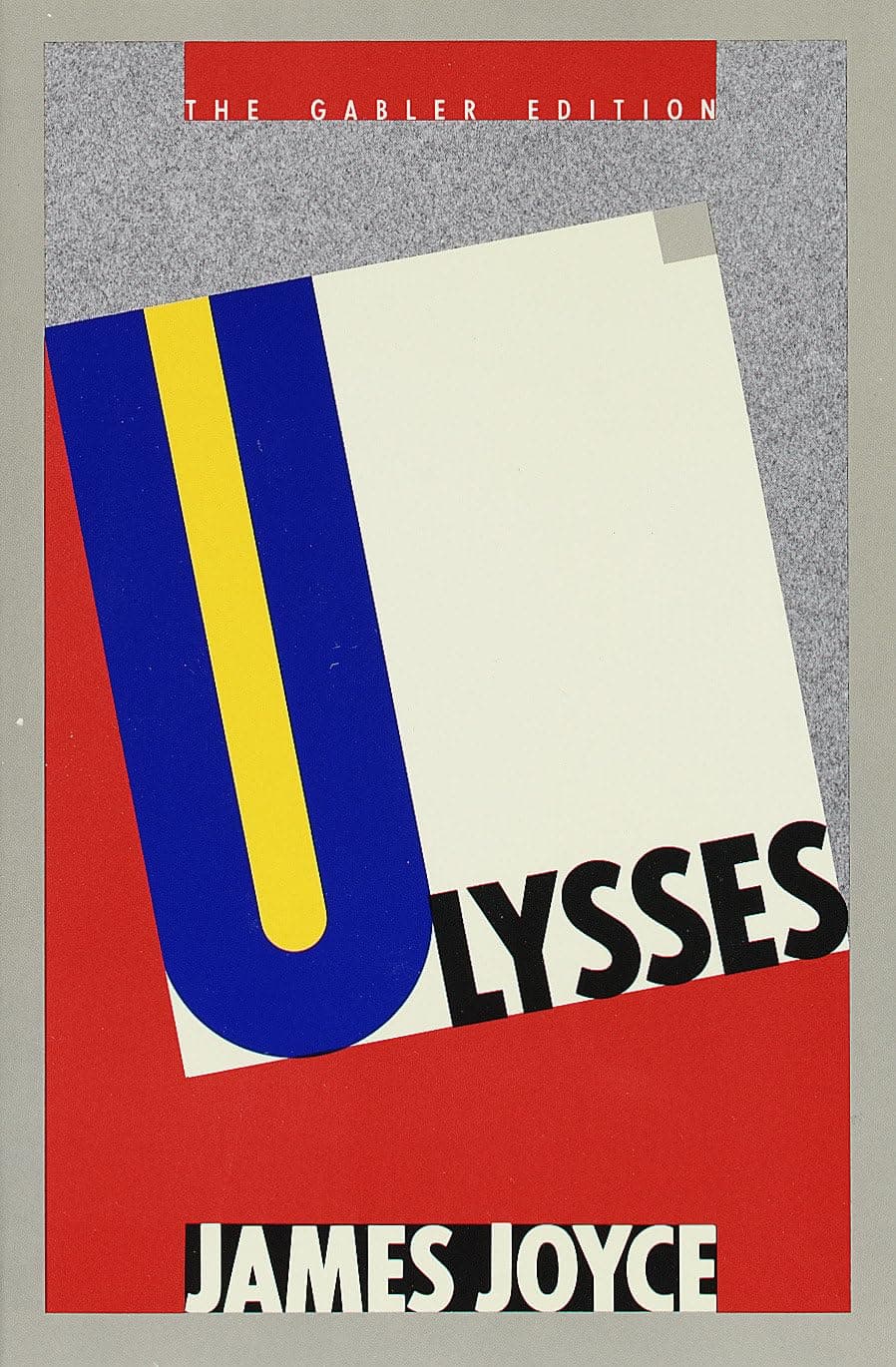
Ulysses
James Joyce
Challenging•35-40 hours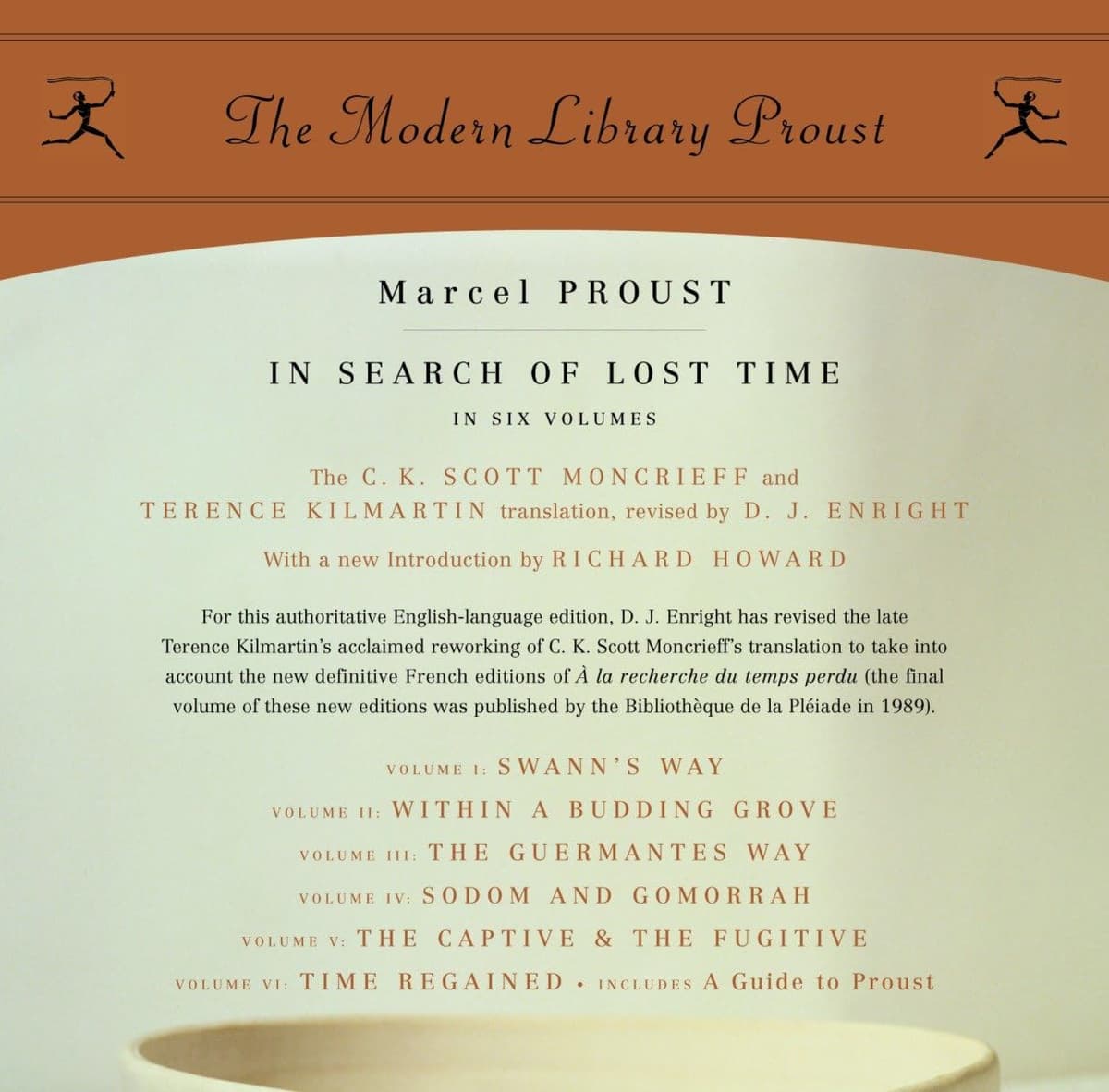 #2View Book
In Search of Lost Time
Marcel Proust
High•100+ hours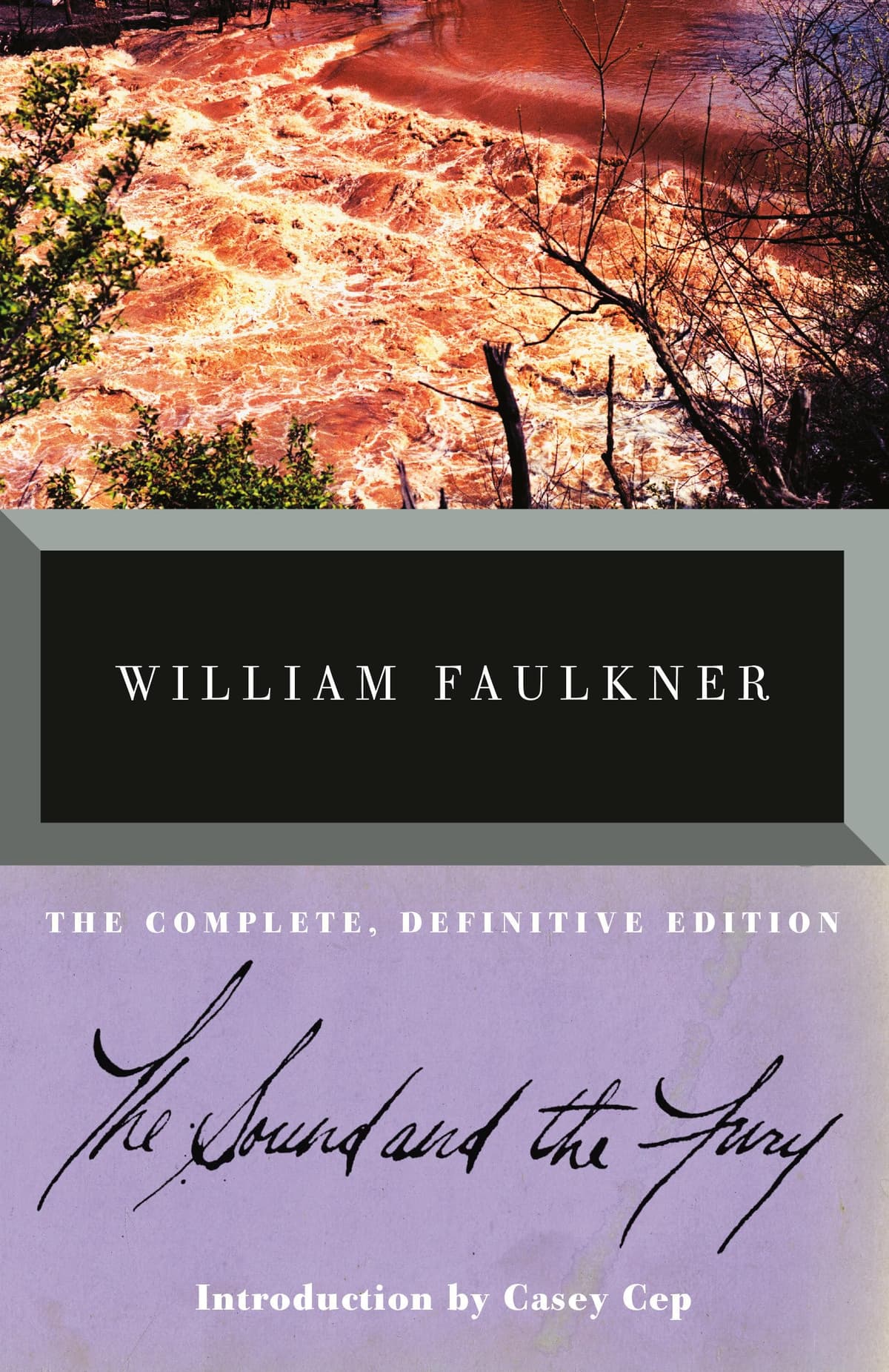 #8View Book
The Sound and the Fury
William Faulkner
Very High•12-15 hours #13View Book
Lolita
Vladimir Nabokov
Challenging•12-15 hours
Browse more collections