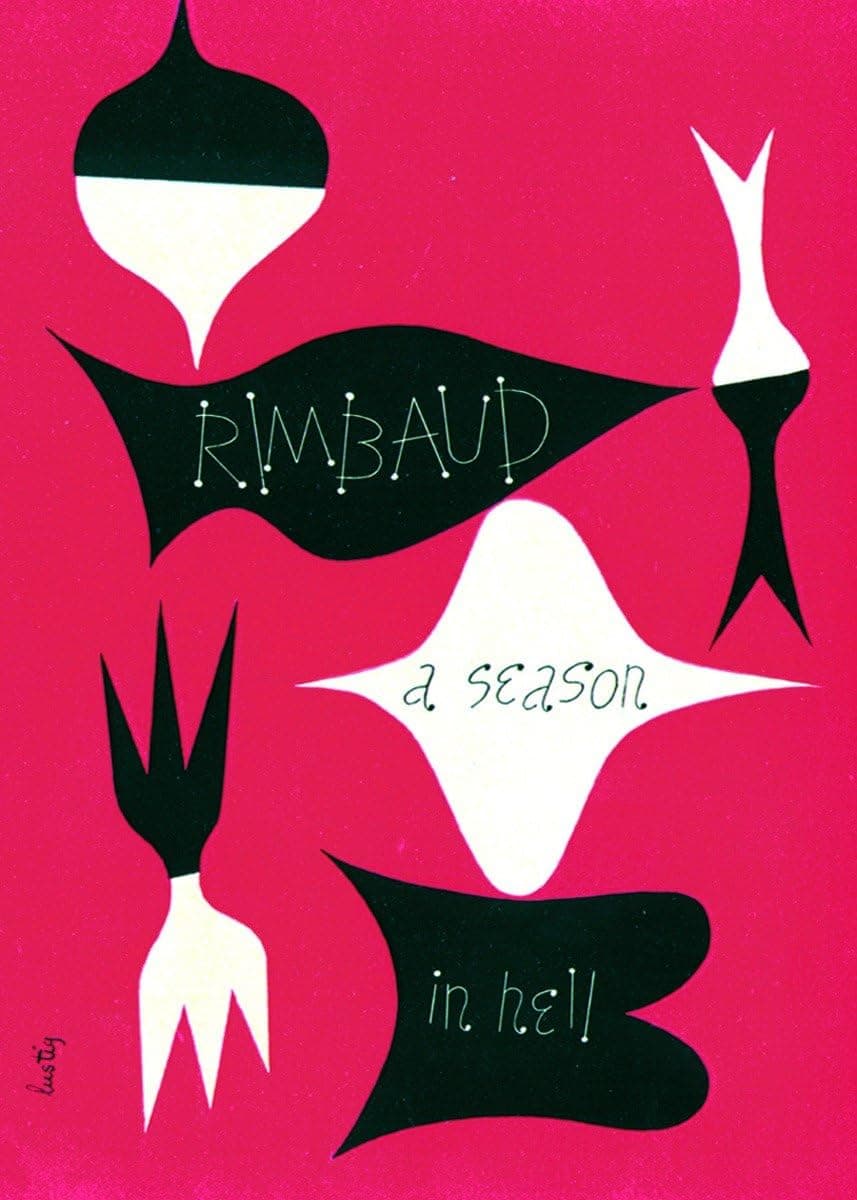
A Season in Hell
“I is another.”
A Season in Hell Summary
Written at nineteen and published at his own expense, Arthur Rimbaud's A Season in Hell is the incandescent confession of a soul in extremity. Part autobiography, part hallucination, part exorcism, the prose poem cycle follows a narrator who has consorted with madness, vice, and visionary excess and now attempts to reckon with the wreckage. Through nine sections—including the famous "Delirium" chapters and the devastating "Farewell"—Rimbaud burns through confessional agony, blasphemous defiance, and moments of almost unbearable beauty. The "I" of the poem is at once Rimbaud himself, a damned soul in a literal hell, and the figure of the poet as eternal outcast.
A Season in Hell is the document of a revolution in literature. Rimbaud's "alchemy of the word"—his project to derange the senses and reinvent language itself—reaches its most ferocious expression here, then collapses under its own impossible ambitions. The work seethes with the tension between the desire for transcendence and the gravity of the flesh, between Christian guilt and pagan ecstasy, between the urge to create and the urge to destroy everything created. Written in the aftermath of his catastrophic affair with Paul Verlaine—who shot him in the wrist in Brussels—the poem reads like a farewell to literature itself. And it was: Rimbaud abandoned writing entirely at twenty-one, vanishing into Africa and silence.
Why Read A Season in Hell?
To read A Season in Hell is to stand in the blast radius of a literary explosion. Rimbaud wrote with a ferocity and originality that left his contemporaries stunned and that continues to electrify readers a century and a half later. Every line crackles with the energy of a mind pushing language beyond its known limits, reaching for visions that no one had articulated before. It is raw, beautiful, terrifying, and utterly unlike anything else in literature.
Rimbaud's influence is almost impossible to overstate. The Surrealists claimed him as their prophet. The Beats carried him in their pockets. Punk rock, from Patti Smith onward, has made him a patron saint. But beyond the myth of the teenage genius who burned out and walked away, the actual text of A Season in Hell remains a living, volatile thing—a work that confronts you with the full cost of artistic ambition and the unbearable tension between vision and despair. Read it, and you will understand why he could not continue. Read it, and you will understand why literature could not continue without him.
About Arthur Rimbaud
Arthur Rimbaud (1854–1891) was a French poet who, in a career lasting barely five years, revolutionized the possibilities of poetic language. Born in Charleville in northeastern France to a strict mother and an absent military father, he was a prodigy who began writing brilliant verse at fifteen and had produced his entire body of poetry by twenty-one. His tumultuous relationship with the older poet Paul Verlaine—which ended with Verlaine shooting him—became one of the legendary scandals of literary history.
After completing A Season in Hell and the visionary prose poems of Illuminations, Rimbaud abandoned literature entirely, eventually becoming a trader and gunrunner in Ethiopia and Yemen. He died of cancer at thirty-seven in Marseille, having shown no interest in the growing fame of his youthful work. His influence on modern poetry and culture has been immeasurable, shaping Surrealism, the Beat Generation, and generations of artists who recognized in his incandescent, self-destructive genius a model for the poet as visionary outlaw.
Reading Guide
Ranked #223 among the greatest books of all time, A Season in Hell by Arthur Rimbaud has earned its place in the literary canon. Originally written in French and published in 1873, this challenging read from France continues to resonate with readers today.
This book belongs to our Gothic & Dark and Modern Mind collections, where you can discover more books that share its spirit and themes.
If you enjoy challenging reads like this one, you might also like Ulysses, Moby-Dick, or Lolita.
From the Gothic & Dark Collection
If you enjoyed A Season in Hell, discover more masterpieces that share its spirit.
 #15View Book
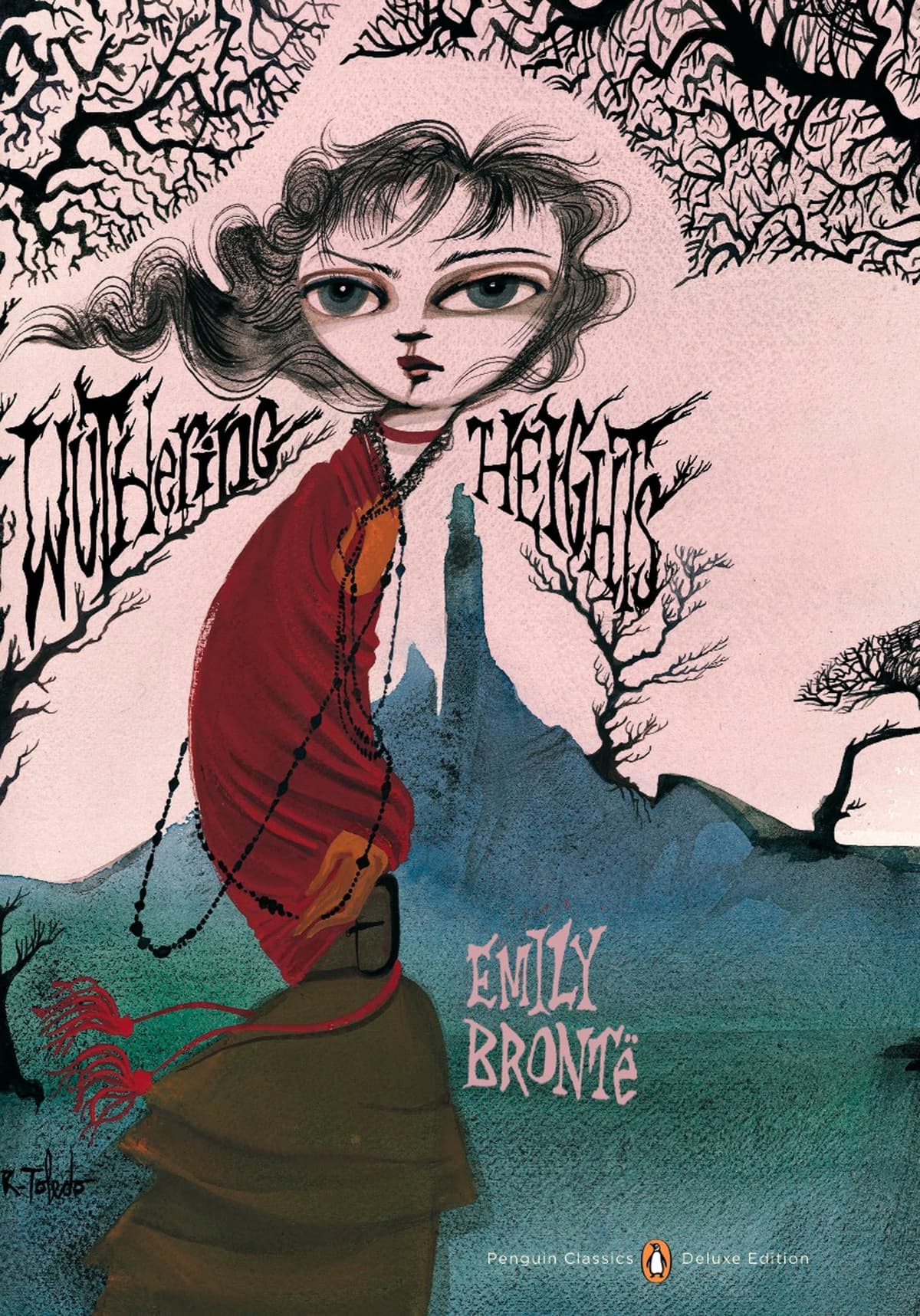
Wuthering Heights
Emily Brontë
Moderate•10-12 hours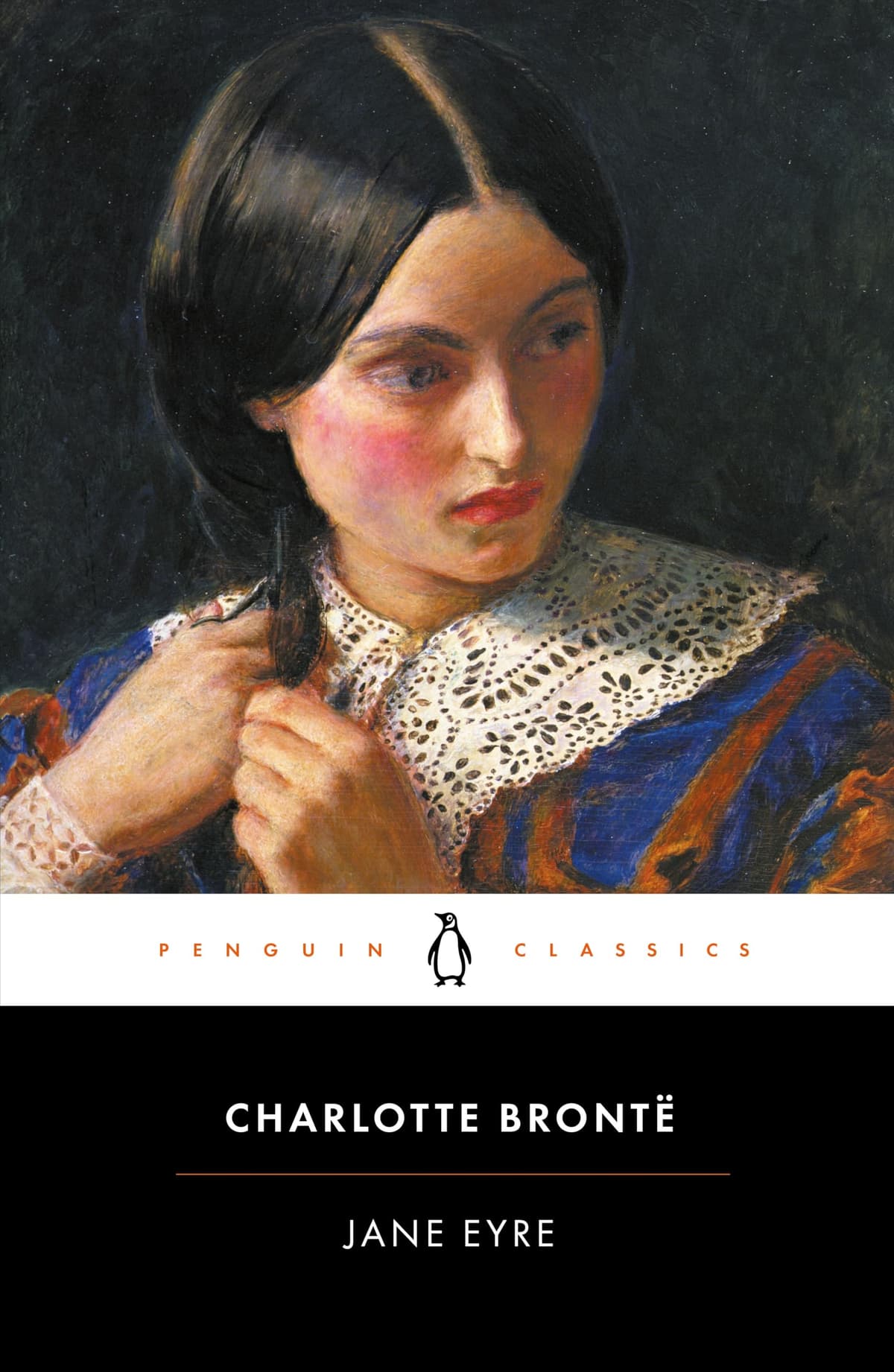 #29View Book
Jane Eyre
Charlotte Brontë
Accessible•15-20 hours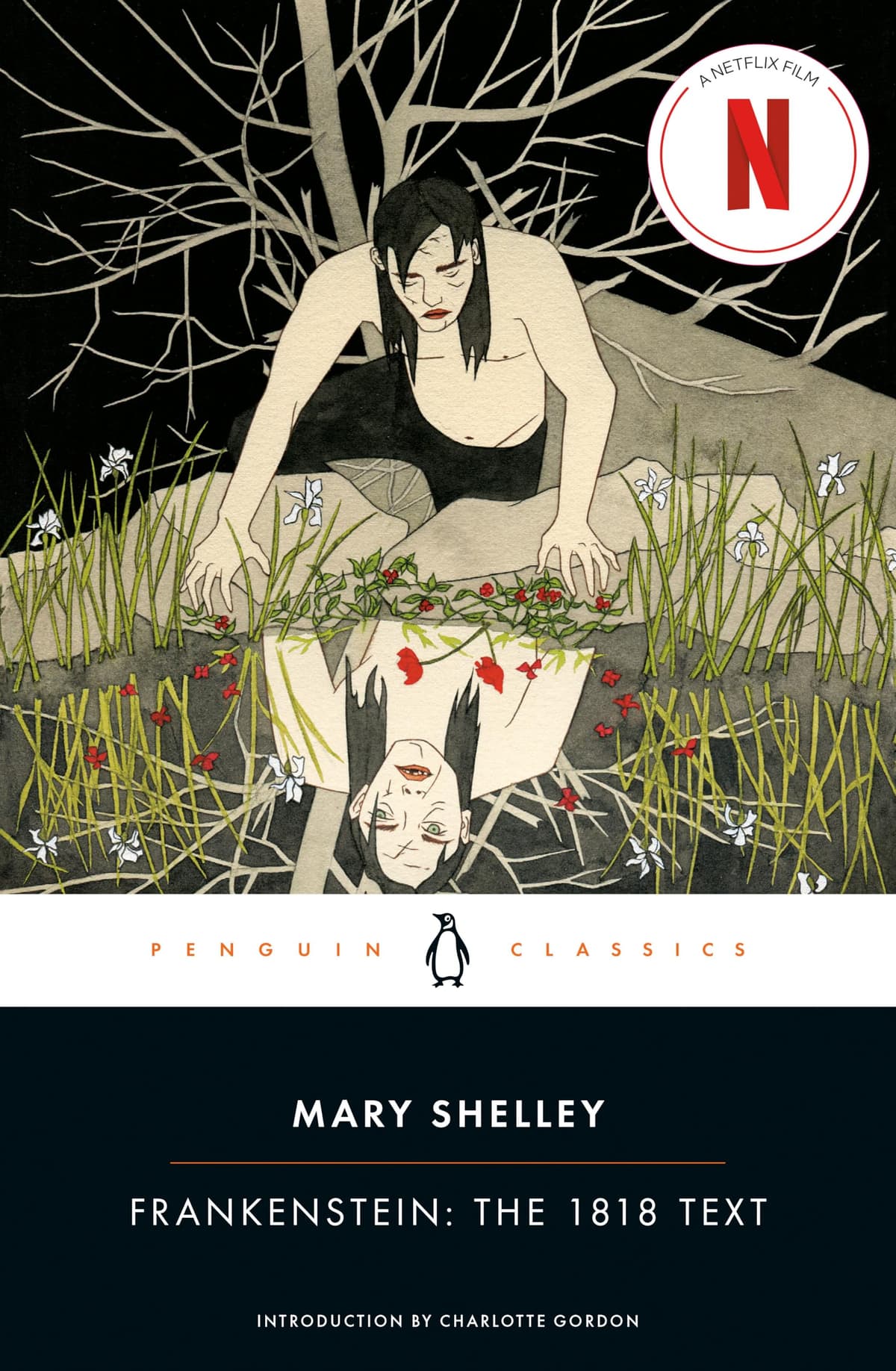 #41View Book
Frankenstein
Mary Shelley
Accessible•6-8 hours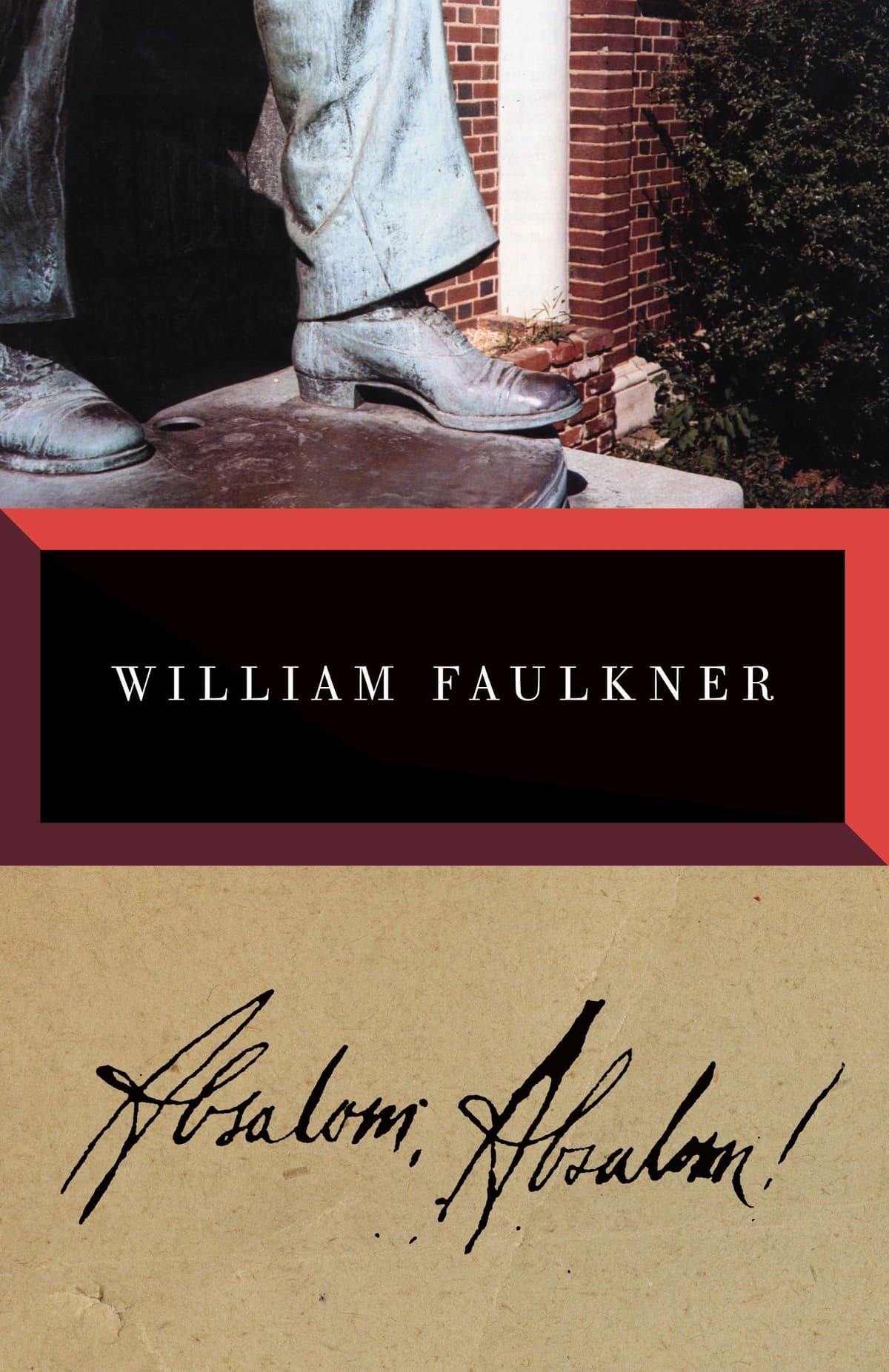 #44View Book
Absalom, Absalom!
William Faulkner
Very High•12-15 hours
Browse more collections