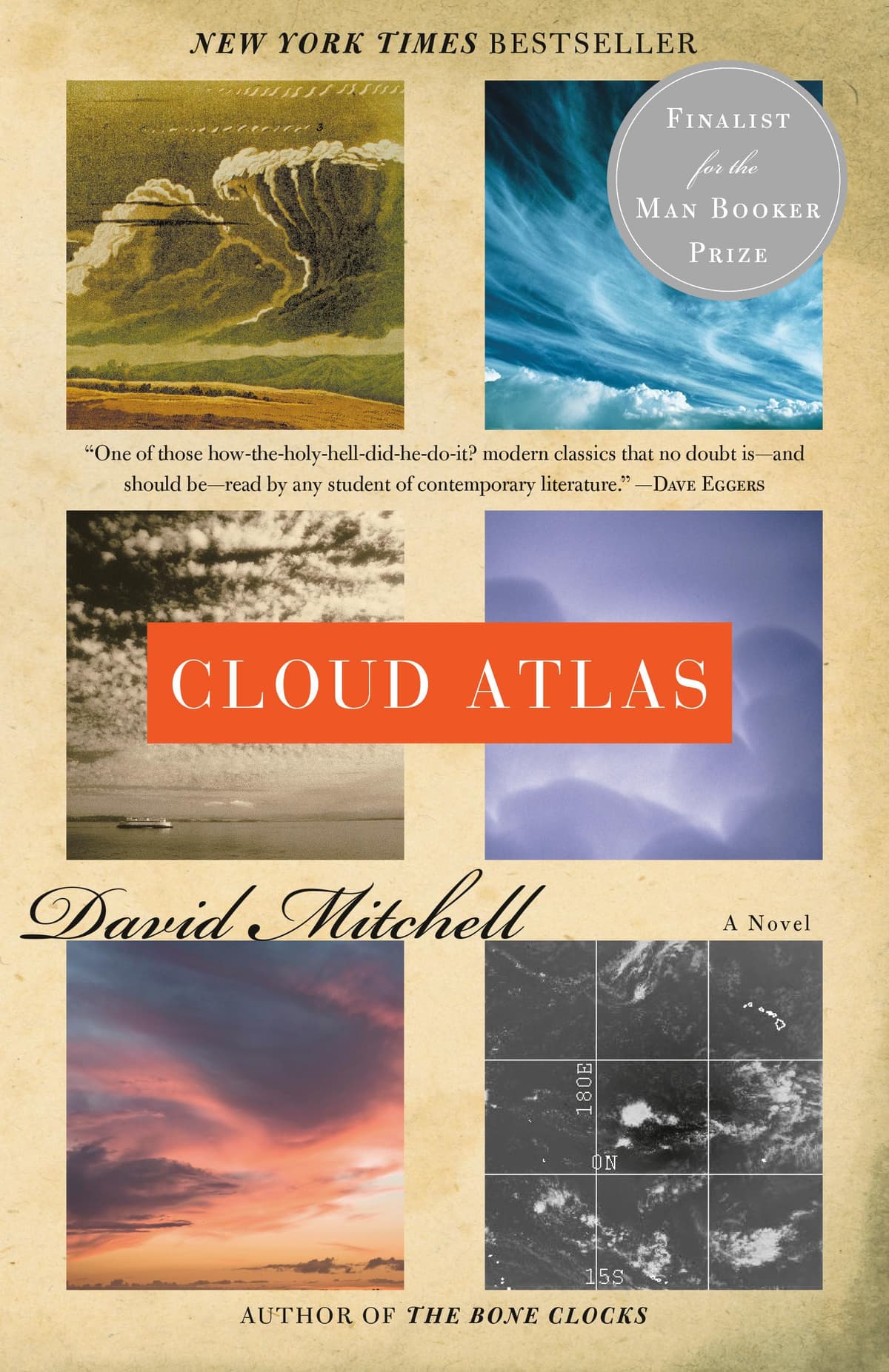
Cloud Atlas
“Our lives are not our own. From womb to tomb, we are bound to others, past and present, and by each crime and every kindness, we birth our future.”
Cloud Atlas Summary
Cloud Atlas is a novel of staggering ambition that nests six narratives within one another like Russian dolls, each set in a different time and place, each written in a different genre and style. The outermost story is the journal of Adam Ewing, an American notary crossing the Pacific in 1849. Nested within it are the letters of Robert Frobisher, a dissolute young composer in 1930s Belgium; the thriller of Luisa Rey, a journalist investigating a nuclear conspiracy in 1970s California; the comic memoir of Timothy Cavendish, a vanity publisher trapped in a nursing home in present-day England; the testimony of Sonmi~451, a genetically engineered clone in a dystopian future Korea; and the oral narrative of Zachry, a tribesman in a post-apocalyptic Hawaii. Each story is interrupted at its midpoint, and the novel ascends to Zachry's tale before descending back through each narrative to its conclusion, creating a symmetrical structure that mirrors the novel's thematic preoccupation with recurrence and connection. Characters in each story encounter the previous narrative as a text, a journal, a set of letters, a manuscript, a film, a holographic recording, and each bears a comet-shaped birthmark that hints at the transmigration of a single soul across centuries.
David Mitchell's masterpiece is a meditation on how power exploits the vulnerable across every era of human history, and on how acts of courage and compassion, however small, ripple forward through time. The novel's nested structure is not mere cleverness but a formal argument: that all human stories are connected, that the predatory relationship between the strong and the weak repeats itself endlessly, and that the choices of individuals matter even against the vast machinery of history. Mitchell's virtuosity as a prose stylist is astonishing; each section convincingly inhabits its genre and period, from the archaic diction of the nineteenth-century journal to the broken patois of the post-apocalyptic campfire tale. Cloud Atlas is at once a literary puzzle, a page-turning adventure, and a profound inquiry into whether humanity is capable of moral progress or doomed to repeat its worst instincts forever.
Why Read Cloud Atlas?
Cloud Atlas is one of those rare novels that functions simultaneously as intellectual puzzle and emotional experience. David Mitchell has constructed a book that asks you to read actively, to trace the connections between six wildly different stories spanning five centuries, and the reward for that engagement is a vision of human history that is both devastating and strangely hopeful. Each of the six narratives is compelling on its own terms, a gripping thriller here, a darkly comic memoir there, a haunting science fiction parable further on, and taken together they form something greater than any single story could achieve: an argument about the nature of human civilization itself.
What makes Cloud Atlas essential rather than merely clever is its emotional power. Mitchell is interested not only in patterns and structures but in the individual human beings caught within them: the runaway slave, the ambitious composer, the investigative journalist, the clone who awakens to consciousness. You will find yourself caring deeply about characters whose stories are interrupted at their most urgent moments, and that interrupted desire, that need to know what happens, becomes part of the novel's meaning. Cloud Atlas suggests that every story is part of a larger story, and that the act of reading itself is a form of connection across time. It is a book that will change the way you think about fiction.
About David Mitchell
David Mitchell was born in 1969 in Southport, Lancashire, and grew up in Malvern, Worcestershire. He studied English and American literature at the University of Kent and later lived in Sicily and Japan, where he taught English for eight years, an experience that profoundly shaped his fiction. His first novel, Ghostwritten, published in 1999, announced a writer of extraordinary range and structural ambition, and each subsequent work has expanded that range further.
Cloud Atlas, published in 2004, was shortlisted for the Booker Prize and established Mitchell as one of the most important novelists of his generation. His subsequent novels, including The Thousand Autumns of Jacob de Zoet, The Bone Clocks, and Utopia Avenue, have confirmed his status as a writer of rare versatility, equally at home in historical fiction, literary realism, and speculative fantasy. Mitchell has spoken openly about his stammer, which he has described as formative to his identity as a writer, giving him an acute sensitivity to language and voice. He lives in Ireland and continues to build one of the most ambitious and interconnected bodies of work in contemporary fiction, with characters and events recurring across novels in ways that suggest a single, vast, unified literary universe.
Reading Guide
Ranked #449 among the greatest books of all time, Cloud Atlas by David Mitchell has earned its place in the literary canon. Originally written in English and published in 2004, this moderate read from United Kingdom continues to resonate with readers today.
This book belongs to our Speculative Futures collection, where you can discover more books that share its spirit and themes.
If you enjoy moderate reads like this one, you might also like One Hundred Years of Solitude, Nineteen Eighty-Four, or Wuthering Heights.
From the Speculative Futures Collection
If you enjoyed Cloud Atlas, discover more masterpieces that share its spirit.
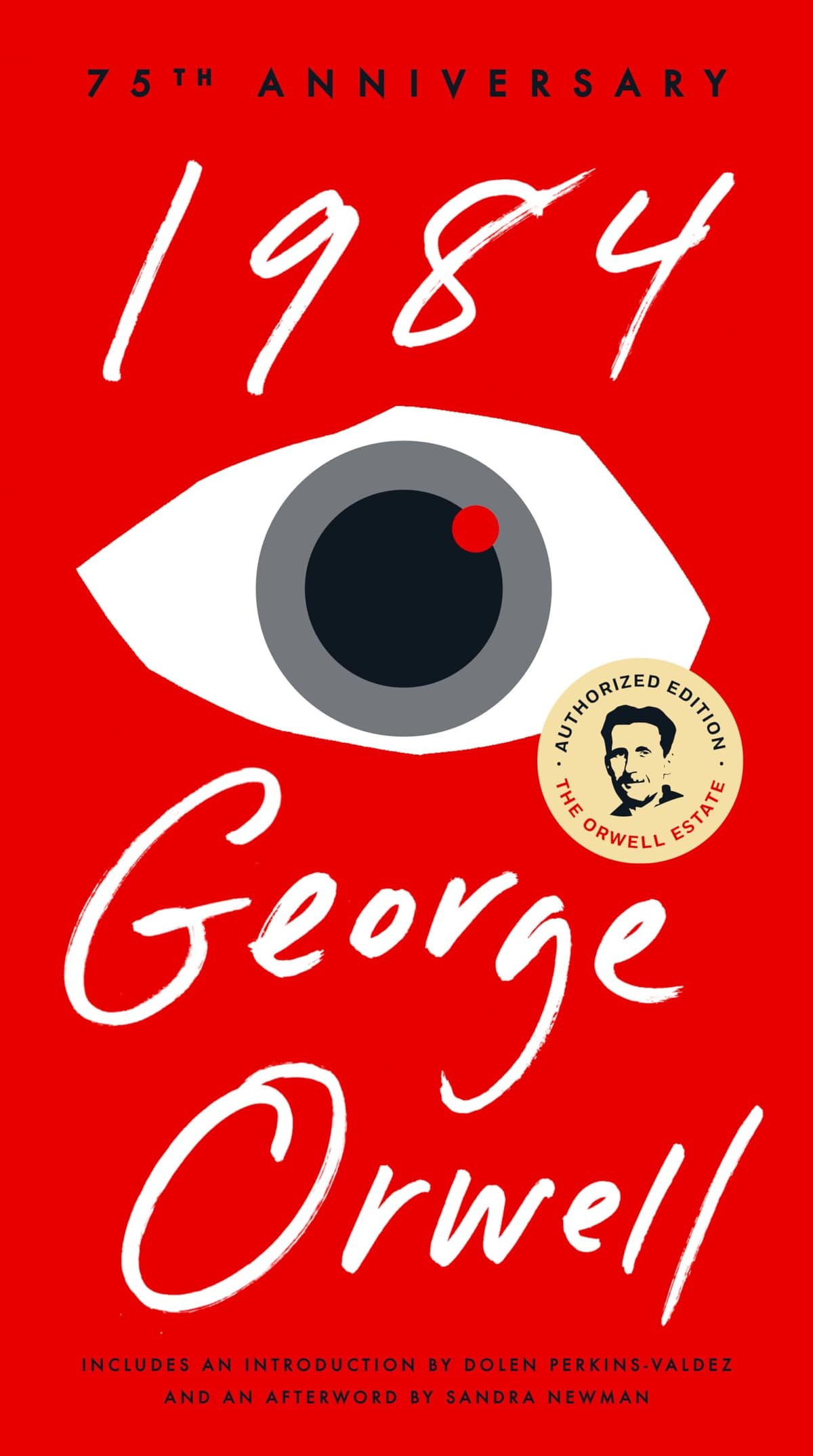 #6View Book
Nineteen Eighty-Four
George Orwell
Moderate•8-10 hours #20View Book
The Trial
Franz Kafka
Moderate•8-10 hours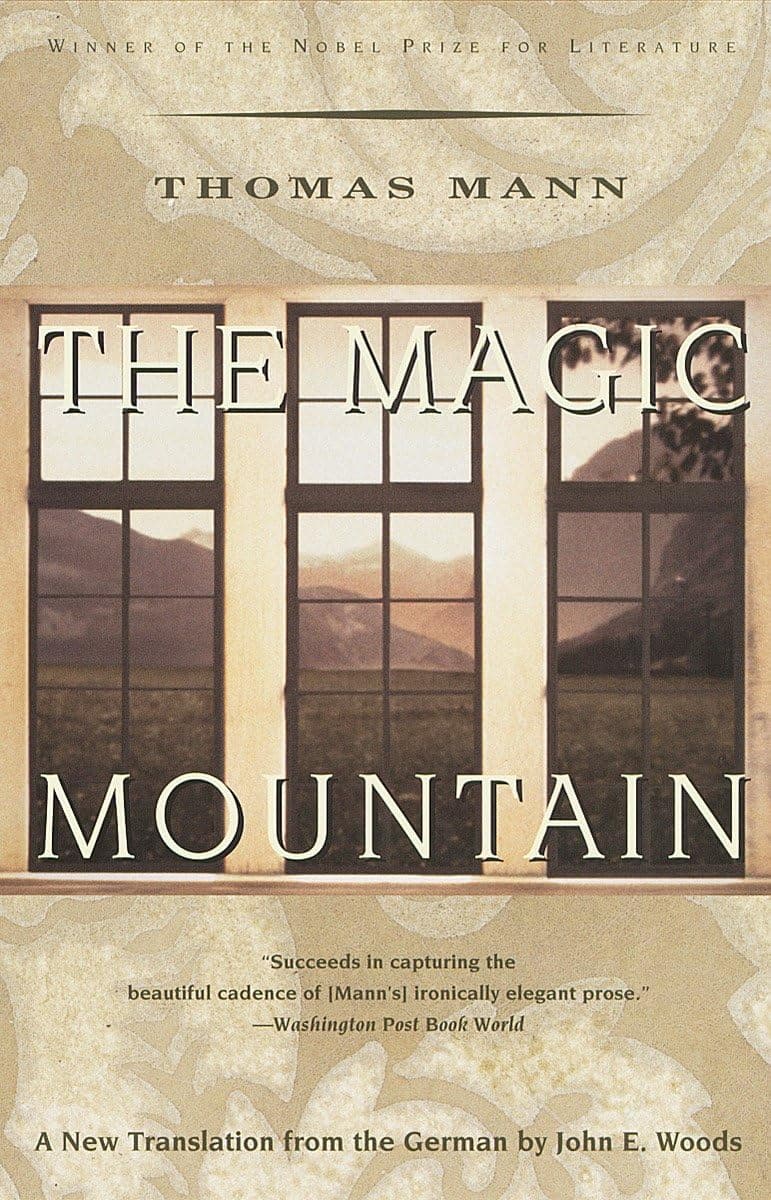 #27View Book
The Magic Mountain
Thomas Mann
High•30-35 hours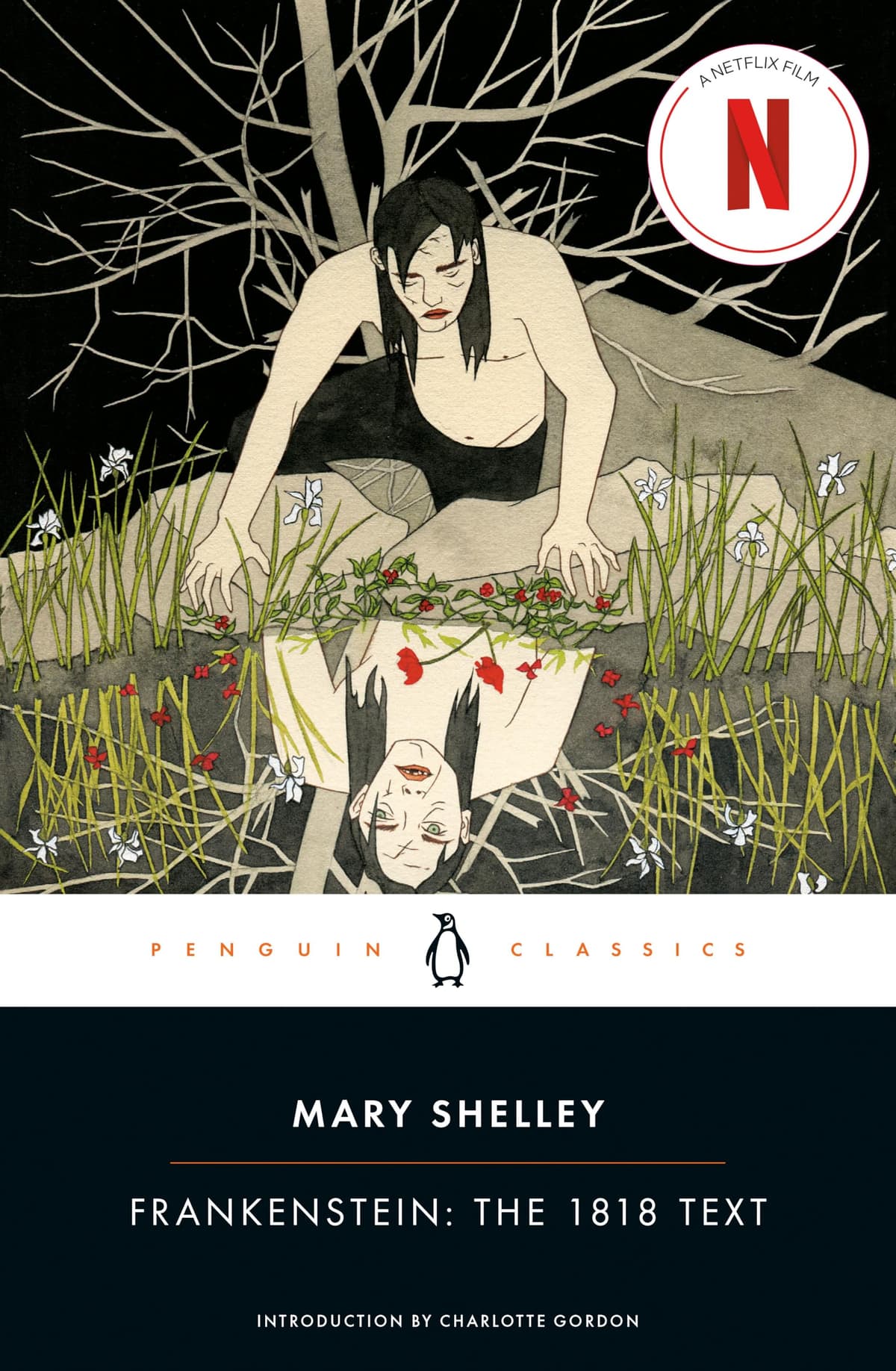 #41View Book
Frankenstein
Mary Shelley
Accessible•6-8 hours
Browse more collections