The Turn of the Screw
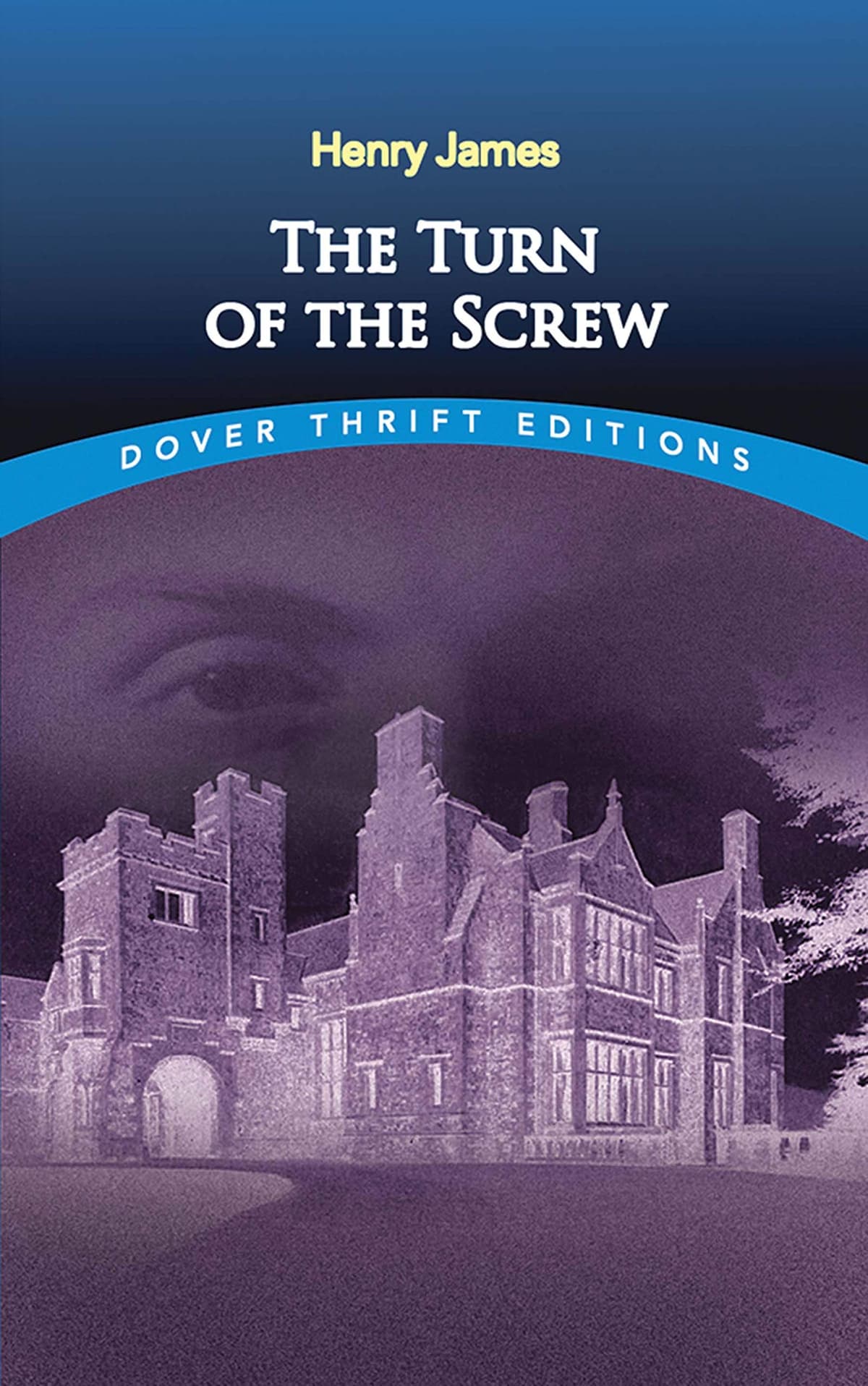
“The story won't tell, not in any literal, vulgar way.”
The Turn of the Screw Summary
A young governess arrives at Bly, a grand country estate in Essex, charged with the care of two beautiful, preternaturally well-behaved children—Miles and Flora. The terms of her employment are unusual: she must never, under any circumstances, contact their guardian uncle in London. Almost immediately she begins to see figures—a man on the tower, a woman by the lake—whom the housekeeper Mrs. Grose identifies as Peter Quint and Miss Jessel, former servants now dead. The governess becomes convinced that these ghosts are corrupting the children, that beneath Miles and Flora's angelic surfaces lies something unspeakable, and she resolves to save them at any cost.
Henry James's novella is the most exquisitely constructed ghost story in the English language—and also, perhaps, the most devastating portrait of a mind unraveling under the pressure of its own certainties. Since its publication, readers and critics have been unable to agree on the most fundamental question: are the ghosts real, or are they projections of the governess's repressed desires and escalating hysteria? James, with diabolical craft, provides evidence for both readings while committing to neither. The prose tightens like a vise, the governess's narration grows more feverish and less reliable, and the children become increasingly opaque—blank screens onto which the reader, like the governess, projects their own fears. The final scene is one of the most shocking in Victorian fiction. It is a story about the corruption of innocence that leaves you uncertain whether the corruption comes from without or within—and that uncertainty is the real horror.
Why Read The Turn of the Screw?
The Turn of the Screw is a masterclass in the art of uncertainty—a story that gets under your skin not through what it shows you but through what it refuses to resolve. You will read it in a single sitting, gripped by the governess's mounting terror, and when you reach the final page you will immediately want to read it again, searching for the clues you missed. Are the ghosts real? Is the governess mad? James makes both answers equally plausible and equally terrifying, and the result is a work that has generated more critical debate than novels ten times its length.
Beyond the ghost story, this is a profound exploration of perception, authority, and the stories we tell ourselves to justify our actions. The governess is one of the most fascinating narrators in fiction—passionate, intelligent, and possibly catastrophically wrong about everything. James's late style, with its elaborate syntax and relentless qualifications, mirrors the impossibility of ever knowing the truth about other minds. Read it for the shivers, stay for the questions it plants in your brain—questions about innocence, knowledge, and the violence of interpretation that you will never fully answer.
About Henry James
Henry James (1843-1916) was born in New York City into one of America's most distinguished intellectual families—his father was a theologian and his brother William became the founding father of American psychology. Educated in New York, London, Paris, and Geneva, James settled permanently in England in 1876, eventually becoming a British citizen in the last year of his life. His fiction explores the collision between American innocence and European sophistication, and his technical innovations in point of view and psychological realism transformed the novel as an art form.
James's career is traditionally divided into three phases: the early international novels (The Portrait of a Lady, The Americans), the experimental middle period (The Turn of the Screw, The Aspern Papers), and the late masterworks (The Wings of the Dove, The Ambassadors, The Golden Bowl). He wrote over twenty novels, one hundred twelve stories, and volumes of criticism, travel writing, and autobiography. Often called the 'Master,' James remains one of the most formidable figures in literary history—a writer whose psychological subtlety and formal ambition continue to challenge and reward readers more than a century after his death.
Reading Guide
Ranked #205 among the greatest books of all time, The Turn of the Screw by Henry James has earned its place in the literary canon. Originally written in English and published in 1898, this challenging read from United States continues to resonate with readers today.
This book belongs to our Gothic & Dark and Modern Mind collections, where you can discover more books that share its spirit and themes.
If you enjoy challenging reads like this one, you might also like Ulysses, Moby-Dick, or Lolita.
From the Gothic & Dark Collection
If you enjoyed The Turn of the Screw, discover more masterpieces that share its spirit.
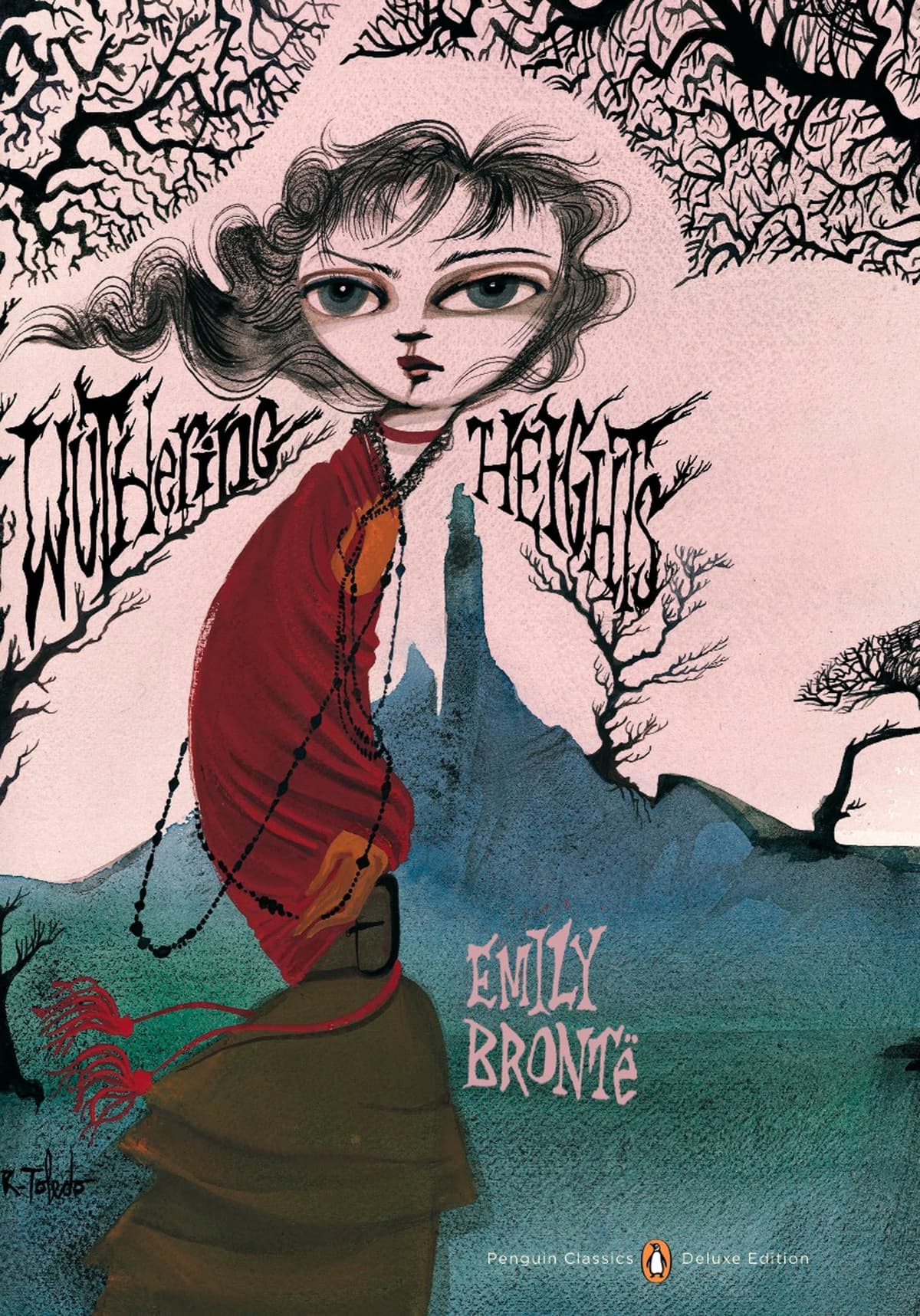 #15View Book
Wuthering Heights
Emily Brontë
Moderate•10-12 hours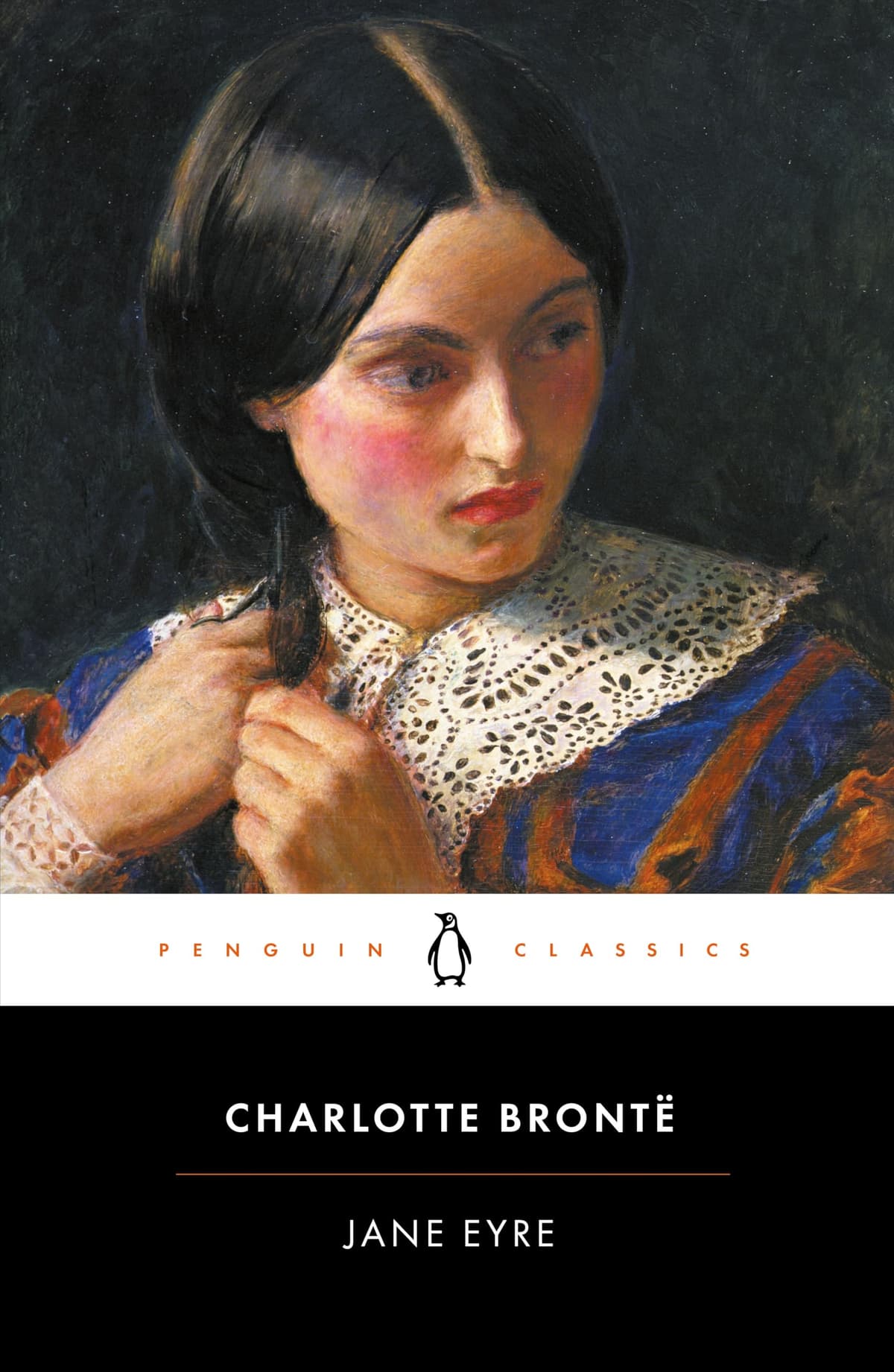 #29View Book
Jane Eyre
Charlotte Brontë
Accessible•15-20 hours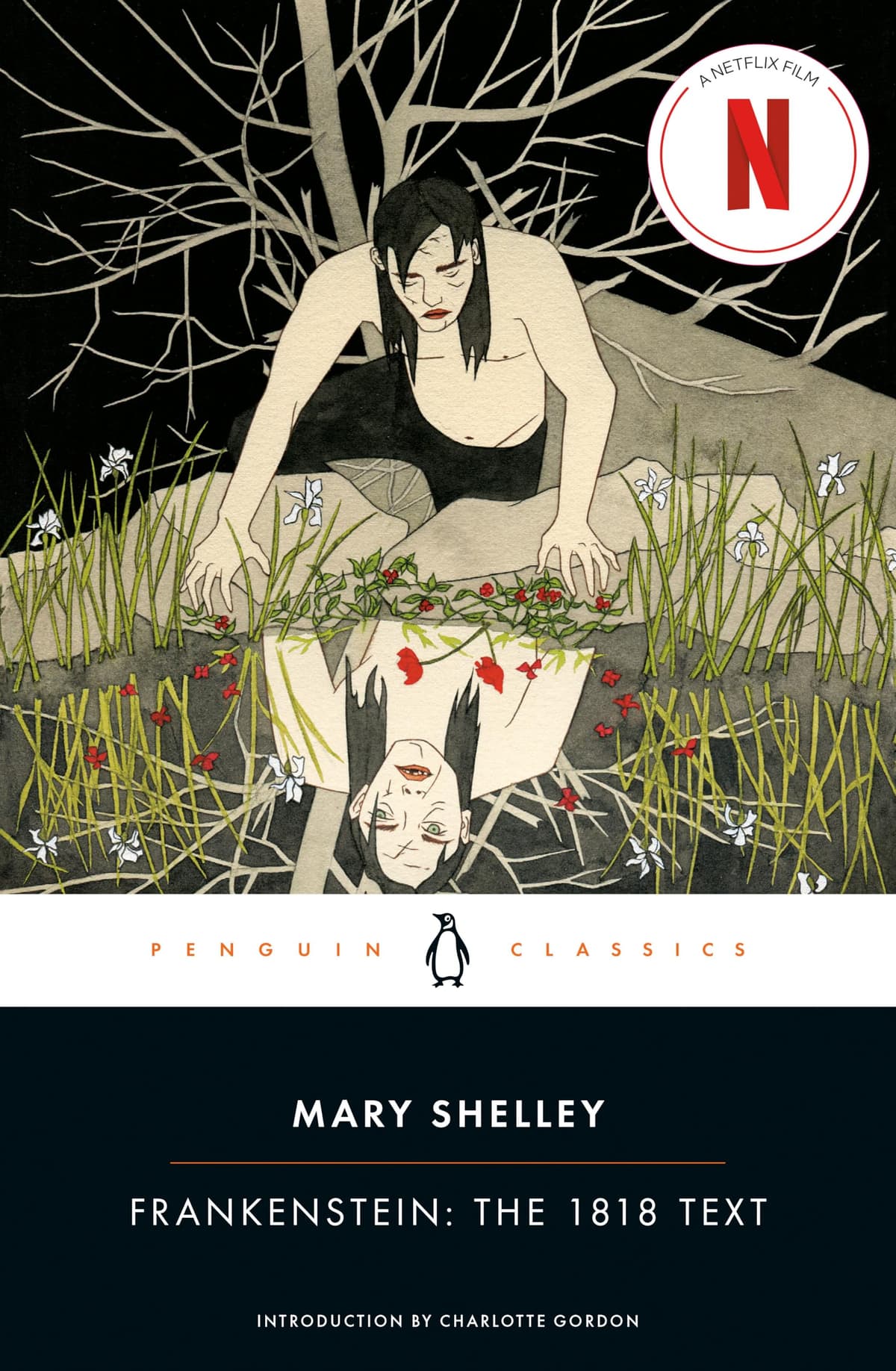 #41View Book
Frankenstein
Mary Shelley
Accessible•6-8 hours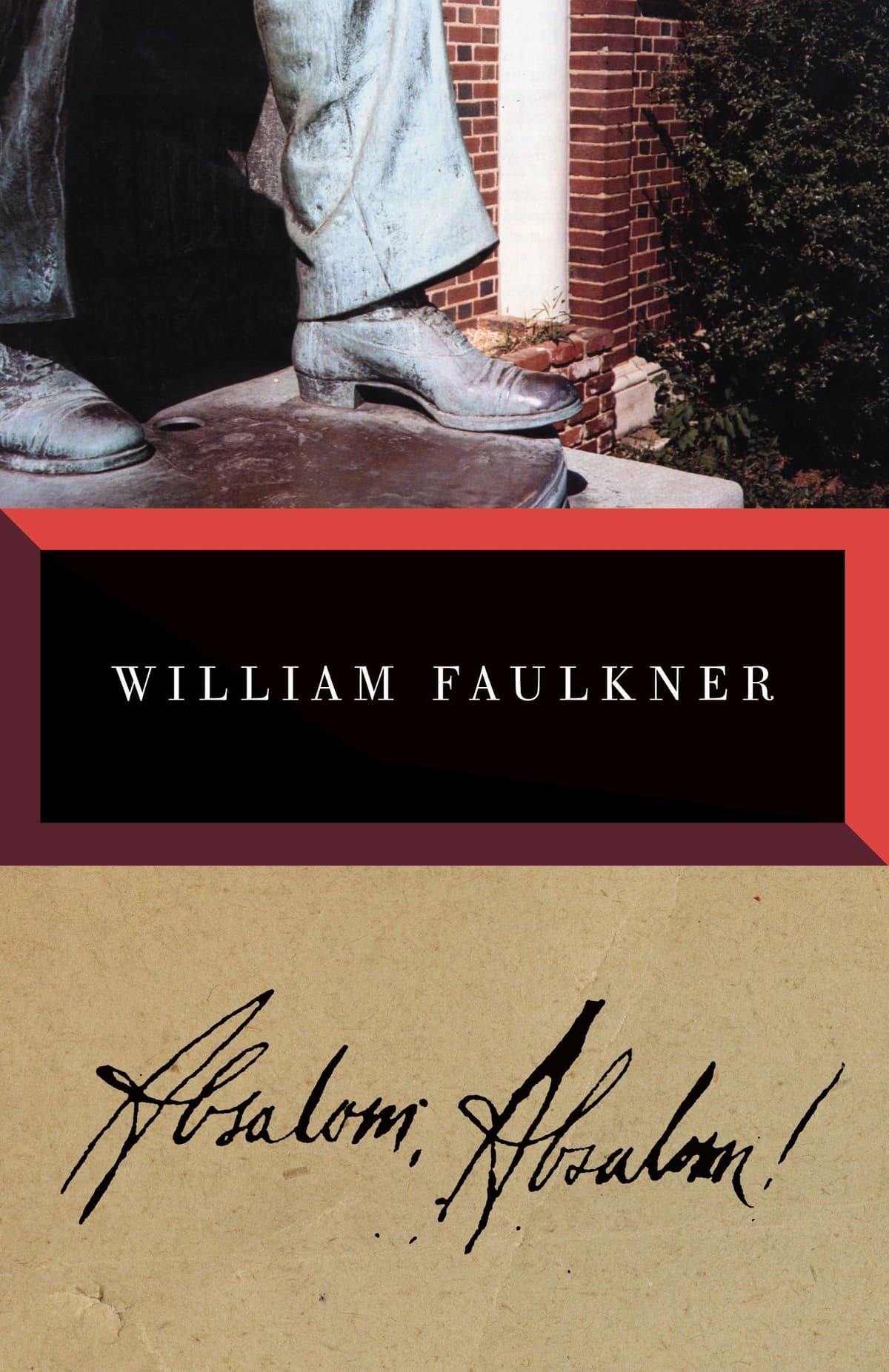 #44View Book
Absalom, Absalom!
William Faulkner
Very High•12-15 hours
Browse more collections