The Secret History

“Beauty is terror. Whatever we call beautiful, we quiver before it.”
The Secret History Summary
The Secret History opens with its narrator, Richard Papen, revealing that he and his classmates were involved in the murder of their friend Bunny Corcoran -- then rewinds to explain how they arrived at that point. Richard, a working-class Californian reinventing himself at an elite Vermont college, becomes entranced by a small, exclusive group of Classics students led by the charismatic professor Julian Morrow. The group -- Henry, Francis, Charles, Camilla, and Bunny -- study only ancient Greek and live in a rarefied world of beauty, intellect, and privilege. Richard is gradually drawn into their orbit and learns that four members of the group attempted a Dionysian ritual that resulted in the accidental killing of a local farmer. When the unstable Bunny discovers the truth and threatens to expose them, the group decides he must be silenced permanently.
Donna Tartt's debut novel is a masterful inversion of the murder mystery: we know who dies and who killed him from the first page, and the suspense lies entirely in understanding why and watching the psychological aftermath unfold. The novel explores the seductive danger of aestheticism divorced from ethics, the way the pursuit of beauty and transcendence can lead to moral catastrophe when unchecked by ordinary human compassion. It is also a devastating portrait of class, privilege, and the American college experience, exposing how easily intellectual elitism can shade into sociopathy. The prose is richly atmospheric, evoking both the beauty of the Vermont landscape and the claustrophobic intensity of the group's relationships. The Secret History established Tartt as a major literary voice and became one of the defining novels of the 1990s, spawning an entire subgenre of dark academia fiction.
Why Read The Secret History?
From its unforgettable opening line, The Secret History seizes your attention and never lets go. Tartt performs a remarkable feat of narrative engineering: by revealing the murder on the first page, she frees herself to explore something far more interesting than whodunit -- the slow, inexorable corruption of a group of brilliant young people who convince themselves that their intellectual superiority places them beyond ordinary morality. The novel is both a page-turning thriller and a profound meditation on beauty, guilt, and the price of pursuing transcendence without ethical guardrails.
Beyond its gripping plot, The Secret History offers one of the most vivid portraits of college life ever written -- the intoxicating feeling of discovering great literature, the intensity of youthful friendships, and the ways that privilege insulates people from the consequences of their actions. Tartt's prose is gorgeous and immersive, creating a world you inhabit completely even as you watch its inhabitants destroy themselves and each other. If you have ever been seduced by the romance of the intellectual life, this novel will show you its shadow side with devastating clarity. It is the book that launched a thousand dark academia novels, and none of its imitators have matched its power.
About Donna Tartt
Donna Tartt (born 1963) is an American novelist known for her meticulous craftsmanship and the long gestation periods between her books. Raised in Grenada, Mississippi, she began writing at an early age and attended the University of Mississippi before transferring to Bennington College in Vermont, where she studied classics with the writer and teacher Claude Fredericks -- an experience that would directly inspire The Secret History. At Bennington, she formed friendships with Bret Easton Ellis and Jonathan Lethem, becoming part of a remarkable generation of American fiction writers.
Tartt has published only three novels -- The Secret History (1992), The Little Friend (2002), and The Goldfinch (2013) -- but each has been a major literary event. The Goldfinch won the Pulitzer Prize for Fiction in 2014, though it also sparked fierce critical debate about the relationship between popular success and literary merit. Tartt's work is characterized by intricate plotting, richly detailed settings, and an old-fashioned commitment to storytelling that sets her apart from many of her contemporaries. She is famously private and rarely gives interviews, preferring to let her work speak for itself. Her influence on contemporary fiction, particularly the dark academia genre, has been profound and enduring.
Reading Guide
Ranked #310 among the greatest books of all time, The Secret History by Donna Tartt has earned its place in the literary canon. Originally written in English and published in 1992, this moderate read from United States continues to resonate with readers today.
This book belongs to our Gothic & Dark and Modern Mind collections, where you can discover more books that share its spirit and themes.
If you enjoy moderate reads like this one, you might also like One Hundred Years of Solitude, Nineteen Eighty-Four, or Wuthering Heights.
From the Gothic & Dark Collection
If you enjoyed The Secret History, discover more masterpieces that share its spirit.
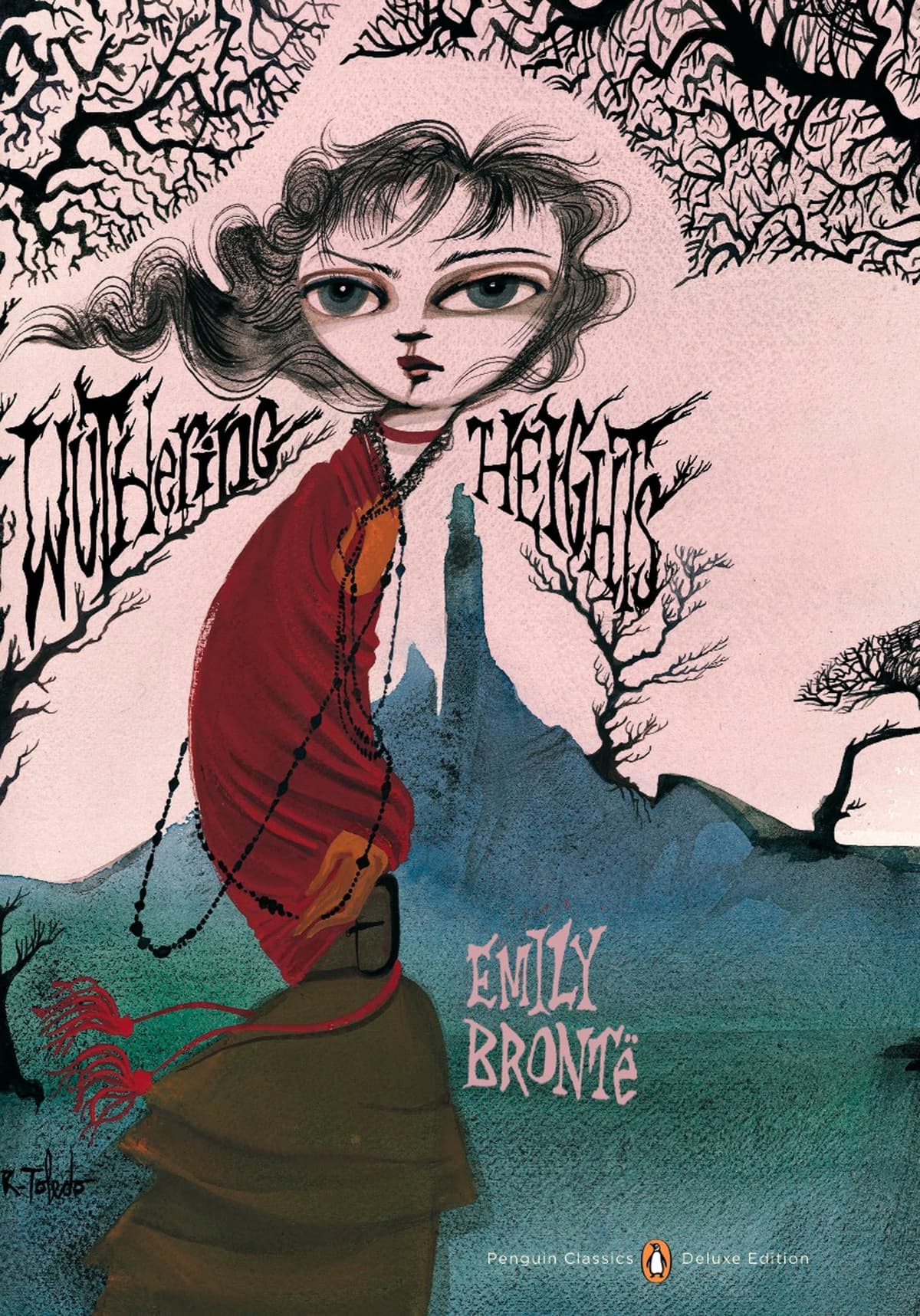 #15View Book
Wuthering Heights
Emily Brontë
Moderate•10-12 hours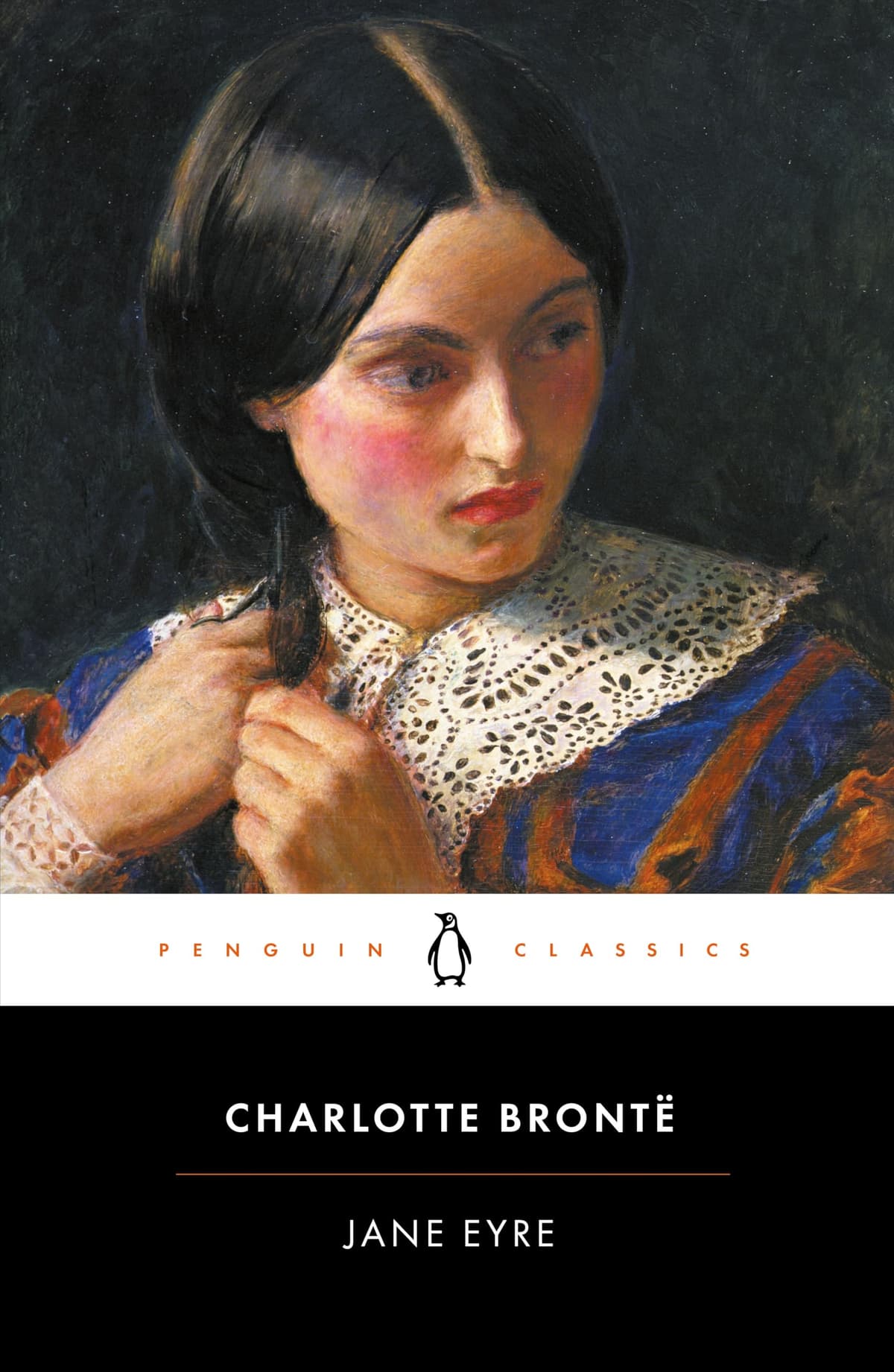 #29View Book
Jane Eyre
Charlotte Brontë
Accessible•15-20 hours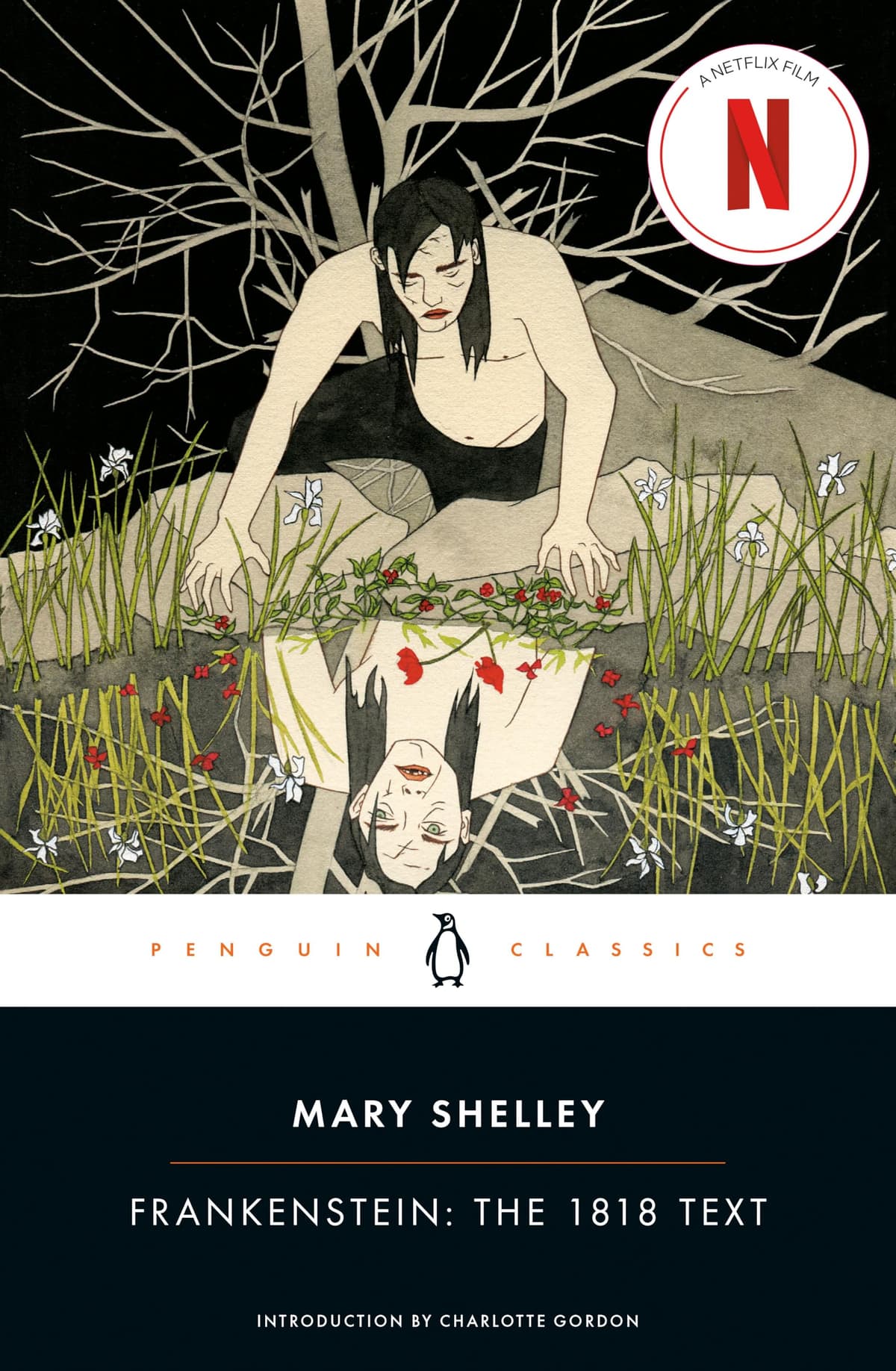 #41View Book
Frankenstein
Mary Shelley
Accessible•6-8 hours #44View Book
Absalom, Absalom!
William Faulkner
Very High•12-15 hours
Browse more collections