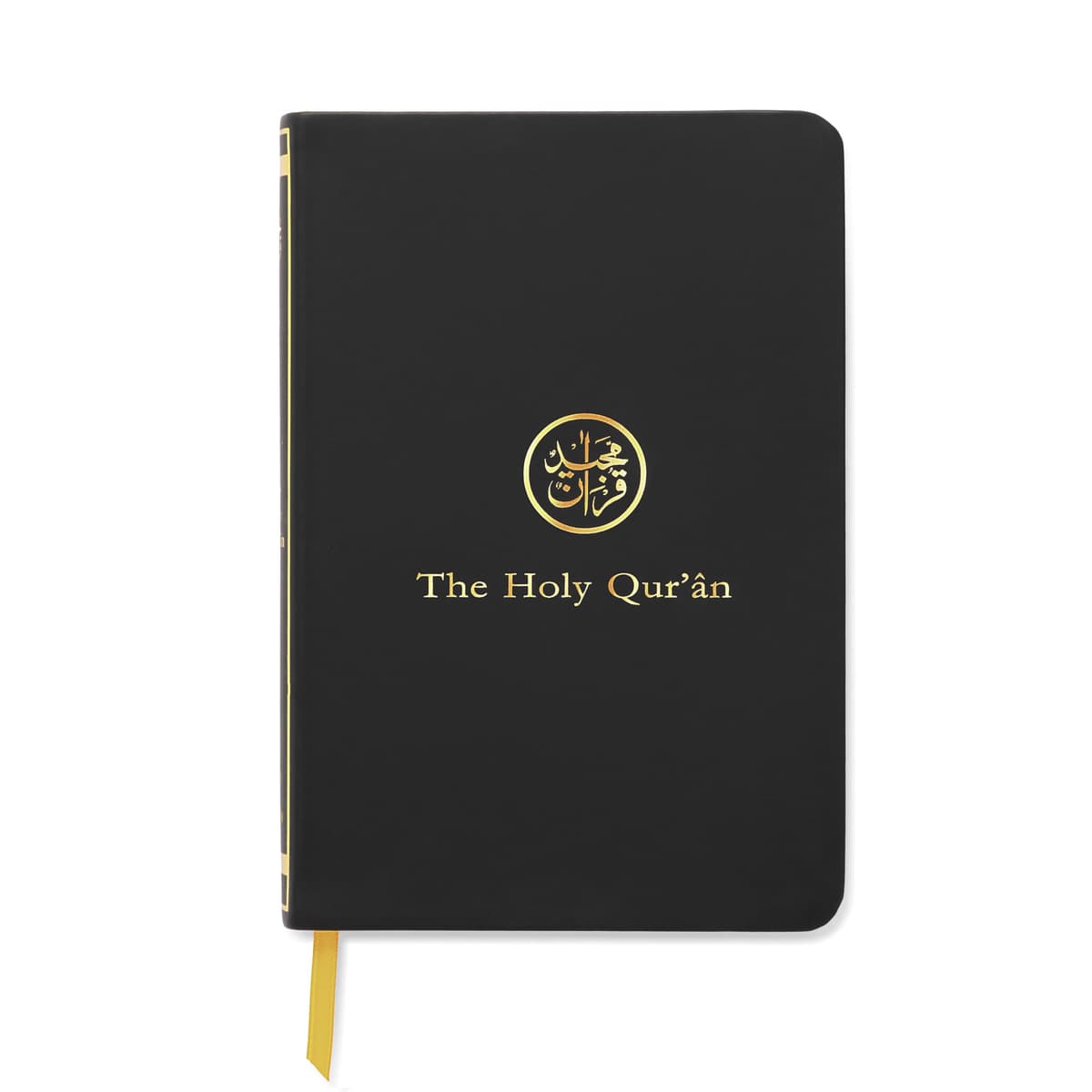
The Quran
“In the name of God, the Most Gracious, the Most Merciful.”
The Quran Summary
The Quran unfolds as a series of revelations delivered to the Prophet Muhammad over approximately twenty-three years, beginning in 610 CE in the cave of Hira near Mecca and concluding shortly before his death in Medina. Organized into 114 surahs of varying length, the text does not follow a chronological or narrative sequence but moves fluidly between proclamation and parable, commandment and consolation, warning and mercy. It retells and reinterprets stories familiar from Jewish and Christian traditions, including those of Adam, Noah, Abraham, Moses, Mary, and Jesus, weaving them into a unified vision of divine sovereignty. It addresses matters of worship, law, marriage, inheritance, warfare, charity, and the conduct of daily life, while returning ceaselessly to its central themes: the absolute oneness of God, the reality of the Day of Judgment, and the moral accountability of every human soul. The language of the Arabic original is considered by Muslims to be inimitable, a literary miracle whose beauty and power constitute proof of its divine origin.
As the foundational text of Islam, the Quran has shaped the spiritual, intellectual, legal, and artistic life of over a billion people across fourteen centuries. Its influence extends far beyond theology into philosophy, science, literature, calligraphy, and architecture. The text operates simultaneously as liturgy, law, poetry, and metaphysics, demanding of its reader not passive consumption but active recitation, memorization, and contemplation. Its vision of a universe governed by a just and merciful God, in which human beings serve as stewards of creation, has generated vast traditions of commentary, mysticism, jurisprudence, and ethical philosophy. Whether approached as sacred scripture or as one of the most consequential literary documents in human history, the Quran remains an inexhaustible text whose resonance continues to shape the modern world.
Why Read The Quran?
Regardless of your faith or background, engaging with the Quran is essential to understanding one of the great civilizations of human history and the spiritual lives of nearly two billion people alive today. This is a text that has shaped law, philosophy, art, and literature across vast stretches of the globe for over fourteen centuries. To remain ignorant of it is to close yourself off from one of the most significant currents of human thought. Even in translation, which Muslims regard as an approximation rather than the thing itself, you will encounter passages of extraordinary rhetorical power, moral urgency, and poetic beauty that reward careful, attentive reading.
You should read the Quran because it challenges you to reckon with fundamental questions about justice, mercy, mortality, and the purpose of human existence. Its vision of a morally ordered universe, in which every action carries weight and every soul faces judgment, speaks to concerns that transcend any single religious tradition. The text's structure, non-linear, repetitive, incantatory, demands a different kind of reading than you may be accustomed to, one closer to meditation than consumption. If you wish to understand the roots of Islamic art, law, mysticism, and philosophy, or if you simply wish to encounter one of the most influential texts ever composed, the Quran is indispensable.
About Unknown
The Quran is understood by Muslims to be the direct word of God, revealed to the Prophet Muhammad through the angel Gabriel over a period of approximately twenty-three years, beginning around 610 CE. Muhammad, born around 570 CE in Mecca into the Quraysh tribe, was a merchant who at the age of forty began receiving revelations that would transform the religious, political, and cultural landscape of the world. He recited these revelations to his followers, who memorized and recorded them. The text was compiled into its canonical written form under the third caliph, Uthman, within two decades of Muhammad's death in 632 CE.
The Quran's literary and spiritual legacy is immeasurable. It established classical Arabic as a literary language, inspired the development of Arabic grammar and linguistics, and gave rise to one of the world's great traditions of calligraphy and decorative art. Its legal and ethical pronouncements formed the basis of Sharia law and Islamic jurisprudence. Its theological and mystical dimensions generated centuries of commentary, from the rationalist philosophy of Averroes to the ecstatic poetry of Rumi. As the most widely memorized book in human history, recited daily in prayers by hundreds of millions, the Quran occupies a unique position among the world's sacred texts, functioning simultaneously as scripture, law, literature, and living oral tradition.
Reading Guide
Ranked #491 among the greatest books of all time, The Quran by Unknown has earned its place in the literary canon. Originally written in Arabic and published in 610, this challenging read from Arabia continues to resonate with readers today.
This book belongs to our Philosophy & Faith collection, where you can discover more books that share its spirit and themes.
If you enjoy challenging reads like this one, you might also like Ulysses, Moby-Dick, or Lolita.
From the Philosophy & Faith Collection
If you enjoyed The Quran, discover more masterpieces that share its spirit.
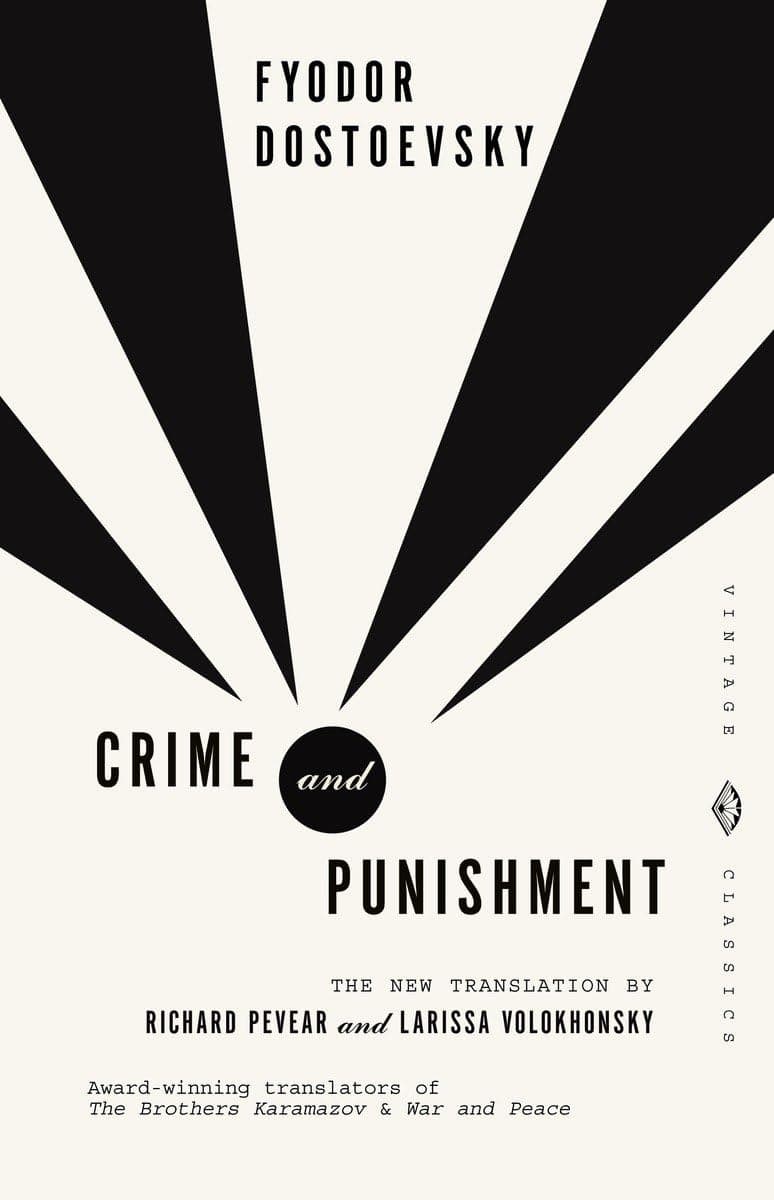 #11View Book
Crime and Punishment
Fyodor Dostoevsky
High•20-25 hours #18View Book
The Bible
Various
Variable•60-80 hours #19View Book
The Brothers Karamazov
Fyodor Dostoevsky
Very High•35-40 hours #21View Book
The Stranger
Albert Camus
Moderate•3-4 hours
Browse more collections