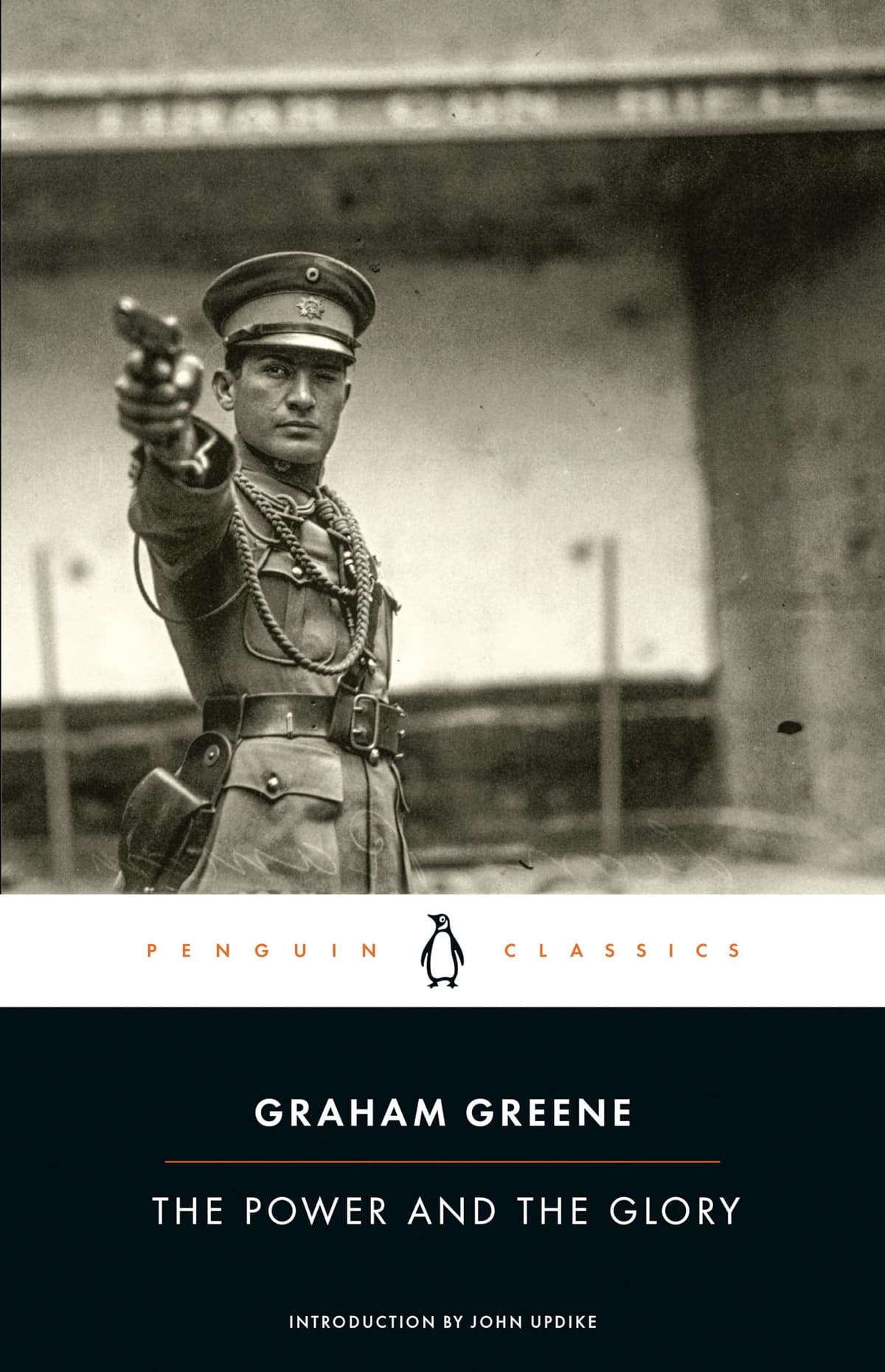
The Power and the Glory
“There is always one moment in childhood when the door opens and lets the future in.”
The Power and the Glory Summary
In the sweltering jungles of Tabasco, Mexico, during the anti-clerical purges of the 1930s, the last priest in the province is on the run. He is nameless—known only as "the whisky priest"—and he is a deeply flawed man: an alcoholic, the father of an illegitimate child, consumed by self-loathing and doubt. Yet he is also the last vessel of the sacraments in a land where the government has outlawed the Church, executed clergy, and posted rewards for his capture. A ruthless police lieutenant—an idealist in his own right, devoted to building a rational, priest-free utopia—hunts him through villages, swamps, and mountains, and the novel unfolds as a relentless cat-and-mouse pursuit across a landscape of poverty and suffering.
Graham Greene transforms this chase into a profound meditation on grace, sin, and the paradox of holiness. The whisky priest is no saint—he is weak, frightened, and riddled with mortal sin—yet it is precisely his brokenness that makes his stubborn fidelity to his calling so devastating. Greene, a Catholic convert, refuses easy piety; the lieutenant is brave and principled, while the priest is a wreck, and the novel's power lies in its insistence that divine grace operates not through the worthy but through the wretched. It is one of the great novels of faith—not faith triumphant, but faith stumbling forward in the dark.
Why Read The Power and the Glory?
This is the rare novel that takes religion seriously without becoming pious—and takes doubt seriously without becoming cynical. Greene plunges you into a world where faith has been outlawed and forces you to confront the question: what remains sacred when the Church is destroyed, the priest is a sinner, and God seems silent? The whisky priest's journey through the Mexican jungle is one of literature's great pilgrimages, all the more powerful because the pilgrim is so profoundly unworthy.
Greene writes with a clarity and compression that make every scene land like a hammer blow. The oppressive heat, the wretched villages, the faces of the poor—the physical world is rendered with such precision that it becomes a moral landscape. Whether you are a believer or a skeptic, The Power and the Glory will challenge your assumptions about goodness, sacrifice, and the mystery of grace. It is Greene's finest novel, and one of the most searching explorations of the spiritual life ever written.
About Graham Greene
Graham Greene (1904–1991) was born in Berkhamsted, Hertfordshire, and endured a miserable childhood that included a stint at a school run by his own father. He studied at Oxford, converted to Catholicism at twenty-two, and embarked on one of the most prolific and varied careers in twentieth-century letters. He worked as a journalist, a film critic, and—famously—a spy for MI6 during World War II, experiences that fed directly into his fiction.
Greene divided his own work into "novels" and "entertainments," though critics have long argued the distinction is meaningless—his thrillers are as philosophically rich as his literary novels, and his serious works are as suspenseful as any spy story. His major works include Brighton Rock, The Heart of the Matter, The End of the Affair, The Quiet American, and Our Man in Havana. Perpetually shortlisted for the Nobel Prize but never awarded it, Greene remains one of the most widely read and deeply respected novelists of the twentieth century.
Reading Guide
Ranked #187 among the greatest books of all time, The Power and the Glory by Graham Greene has earned its place in the literary canon. Originally written in English and published in 1940, this moderate read from United Kingdom continues to resonate with readers today.
This book belongs to our Philosophy & Faith collection, where you can discover more books that share its spirit and themes.
If you enjoy moderate reads like this one, you might also like One Hundred Years of Solitude, Nineteen Eighty-Four, or Wuthering Heights.
From the Philosophy & Faith Collection
If you enjoyed The Power and the Glory, discover more masterpieces that share its spirit.
 #11View Book
Crime and Punishment
Fyodor Dostoevsky
High•20-25 hours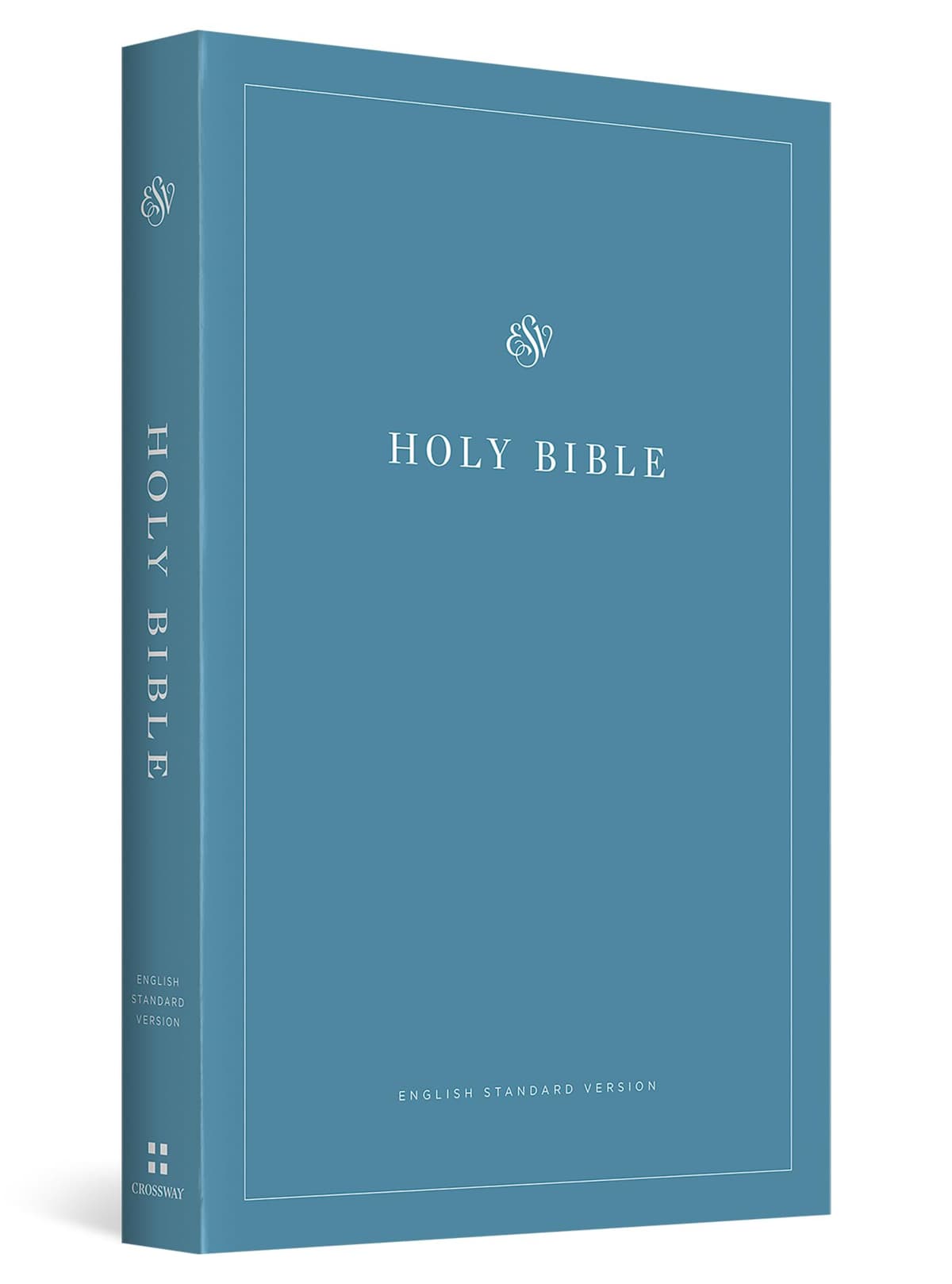 #18View Book
The Bible
Various
Variable•60-80 hours #19View Book
The Brothers Karamazov
Fyodor Dostoevsky
Very High•35-40 hours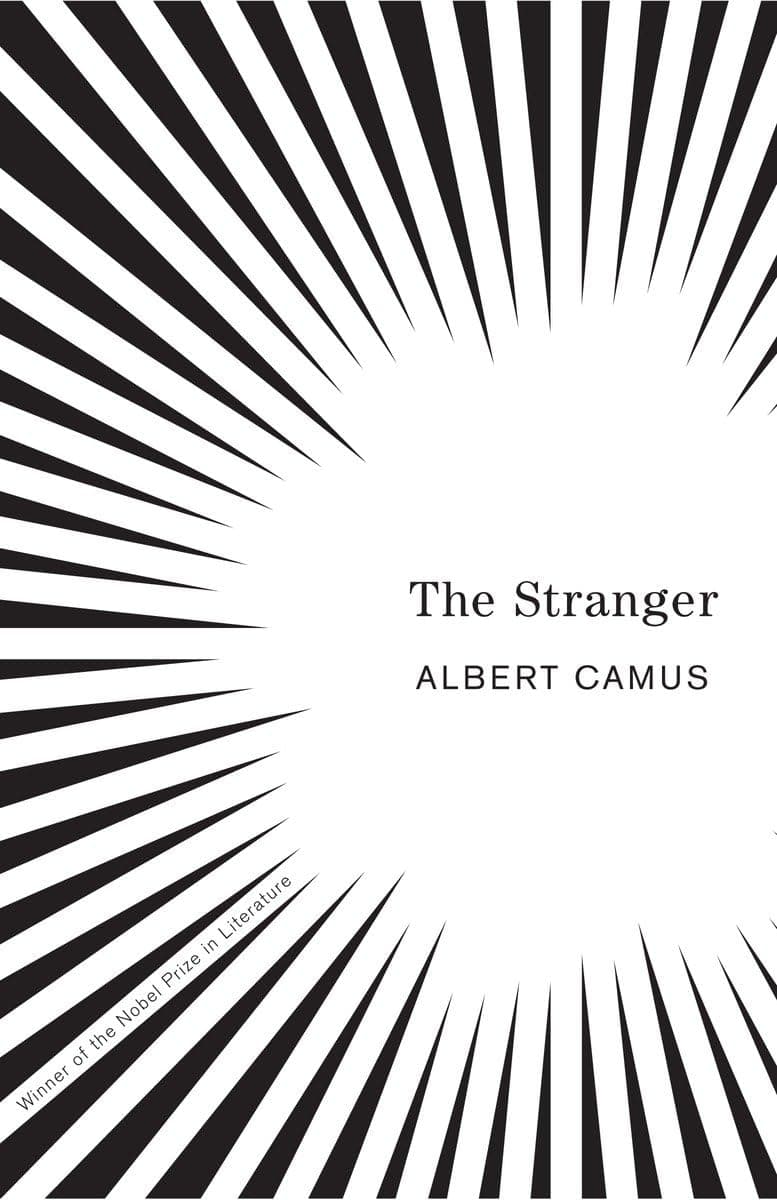 #21View Book
The Stranger
Albert Camus
Moderate•3-4 hours
Browse more collections