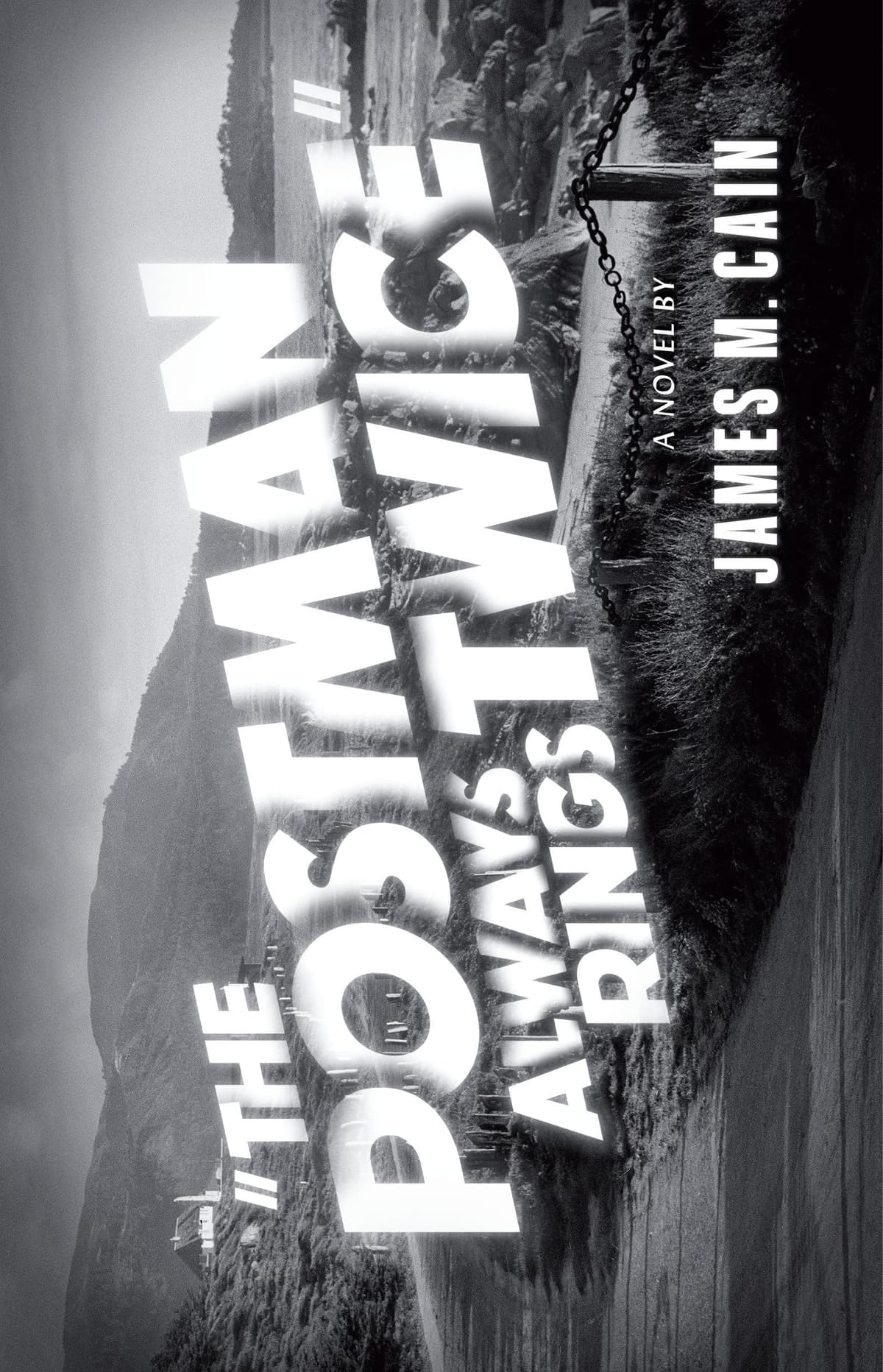
The Postman Always Rings Twice
“I kissed her. Her eyes were shining up at me like two blue stars. It was like being in church.”
The Postman Always Rings Twice Summary
Frank Chambers is a drifter who stumbles into a roadside gas station and diner outside Los Angeles and into the arms of Cora Papadakis, the young, restless wife of Nick, the diner's amiable Greek owner. The attraction between Frank and Cora is immediate, animal, and irresistible, a charge of sexual electricity that Cain renders with the blunt force of a punch to the jaw. Within days they are lovers, and within weeks they are plotting to murder Nick and claim the diner and the insurance money for themselves. Their first attempt, a staged bathroom accident, goes comically wrong. Their second, a faked car accident on a mountain road, succeeds, but success turns out to be the beginning of their real punishment. Suspicion, jealousy, and mutual distrust poison their relationship. A savvy district attorney sees through their story, and the legal machinations that follow, involving a labyrinth of insurance claims, counter-suits, and legal manipulations, are as tense as the murder itself. Just when Frank and Cora seem to have escaped justice, fate delivers its verdict in a final, devastating twist that gives the novel its title: the postman, like destiny, always rings twice.
James M. Cain's first novel is a masterpiece of American noir fiction, a book so lean and propulsive that it feels less written than detonated. Published in 1934, it was immediately banned in Boston and condemned as obscene, which only enhanced its reputation and influence. Cain strips the novel of every ounce of literary fat: there are no descriptions of scenery, no philosophical digressions, no interiority beyond the narrator's blunt, self-deceiving voice. What remains is pure narrative velocity, driven by desire and propelled toward doom. The novel's vision is profoundly pessimistic: passion leads not to liberation but to destruction, and the American Dream of independence and self-reinvention is revealed as a trap baited with sex and money. Cain's influence on crime fiction, film noir, and the hard-boiled tradition is immeasurable, and the novel's taut, first-person voice became a template for an entire genre.
Why Read The Postman Always Rings Twice?
The Postman Always Rings Twice will take you about two hours to read, and in that time it will deliver more narrative force than most novels manage in five hundred pages. James M. Cain wastes nothing. Every sentence drives the story forward, and the forward motion is relentless, a downhill sprint toward catastrophe that you can see coming and cannot look away from. If you have ever wondered where film noir came from, where that particular combination of desire, crime, and fatalism originated, this is the source. Cain invented a style so efficient and so American that it became the DNA of an entire genre.
But the novel's power goes beyond its plot mechanics. Frank Chambers is one of the great unreliable narrators in American fiction, a man who tells you exactly what happened while remaining utterly blind to what it means. His voice, crude and direct and strangely compelling, draws you into a moral universe where passion and destruction are the same thing and where the American promise of freedom and reinvention is exposed as the cruelest joke of all. This is not a book that will comfort you or improve you. It is a book that will grip you by the throat and not let go until the last devastating sentence, and that is reason enough to read it.
About James M. Cain
James Mallahan Cain was born in 1892 in Annapolis, Maryland, the son of a college president. He worked as a journalist, a professor, a screenwriter, and a World War I soldier before publishing The Postman Always Rings Twice at the age of forty-two. The novel was an immediate sensation, selling millions of copies despite being banned in several cities and in Canada for its sexual content. He followed it with Double Indemnity and Mildred Pierce, cementing his reputation as the master of American noir fiction.
Cain's influence on both literature and cinema is enormous. Double Indemnity became one of the defining films of the noir era, directed by Billy Wilder with a screenplay co-written by Raymond Chandler, and Mildred Pierce won Joan Crawford an Academy Award. Yet Cain himself always resisted the label of hard-boiled writer, insisting that he wrote about ordinary people overwhelmed by desire. His later novels never matched the concentrated power of his early work, but those first three novels, particularly The Postman Always Rings Twice, remain among the most imitated and influential works of American crime fiction. Cain died in 1977, having lived long enough to see the literary establishment belatedly acknowledge what readers had known for decades: that his best work was not mere genre fiction but American literature of the highest order.
Reading Guide
Ranked #451 among the greatest books of all time, The Postman Always Rings Twice by James M. Cain has earned its place in the literary canon. Originally written in English and published in 1934, this accessible read from United States continues to resonate with readers today.
This book belongs to our Gothic & Dark and American Spirit collections, where you can discover more books that share its spirit and themes.
If you enjoy accessible reads like this one, you might also like The Great Gatsby, The Catcher in the Rye, or Pride and Prejudice.
From the Gothic & Dark Collection
If you enjoyed The Postman Always Rings Twice, discover more masterpieces that share its spirit.
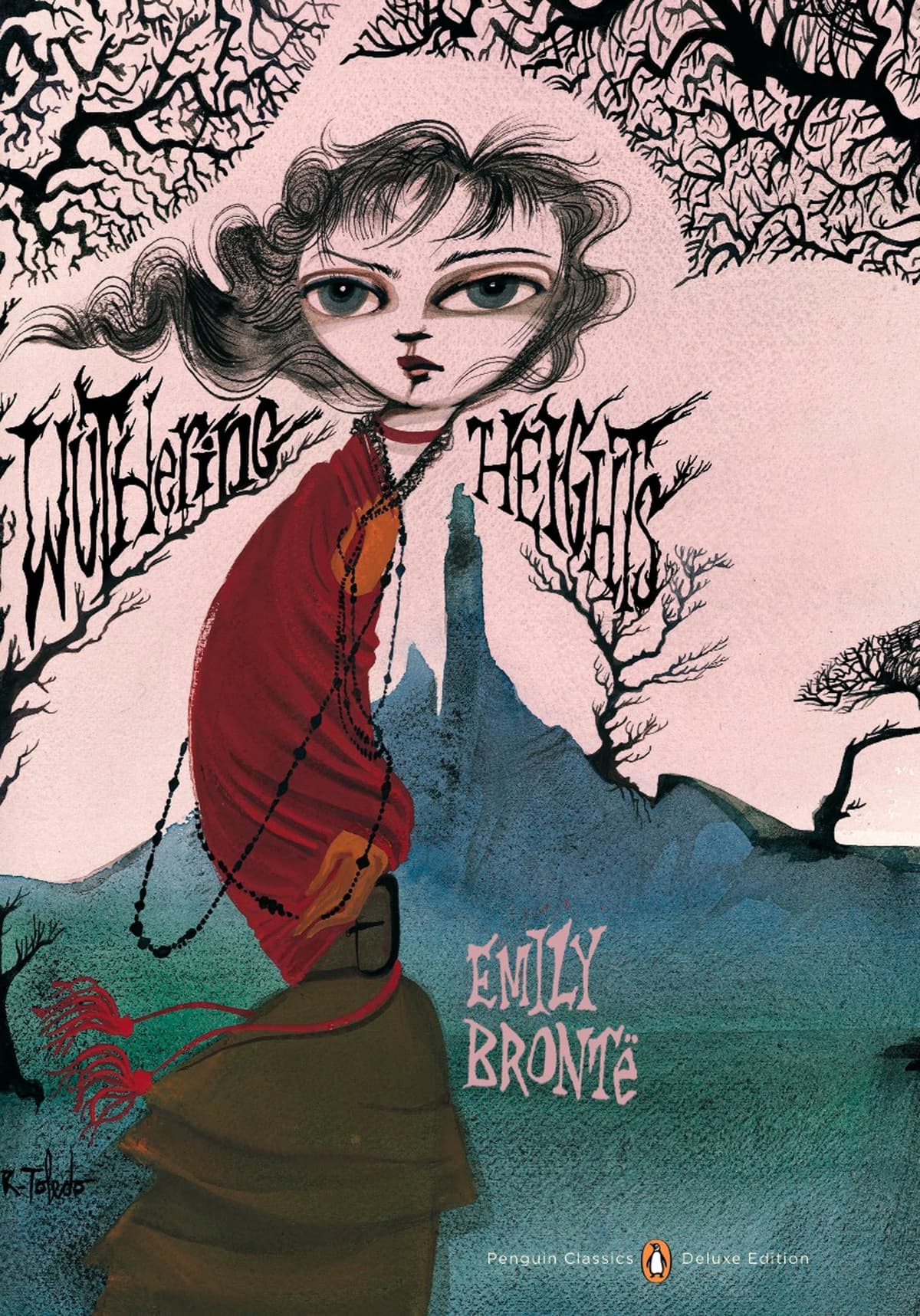 #15View Book
Wuthering Heights
Emily Brontë
Moderate•10-12 hours #29View Book
Jane Eyre
Charlotte Brontë
Accessible•15-20 hours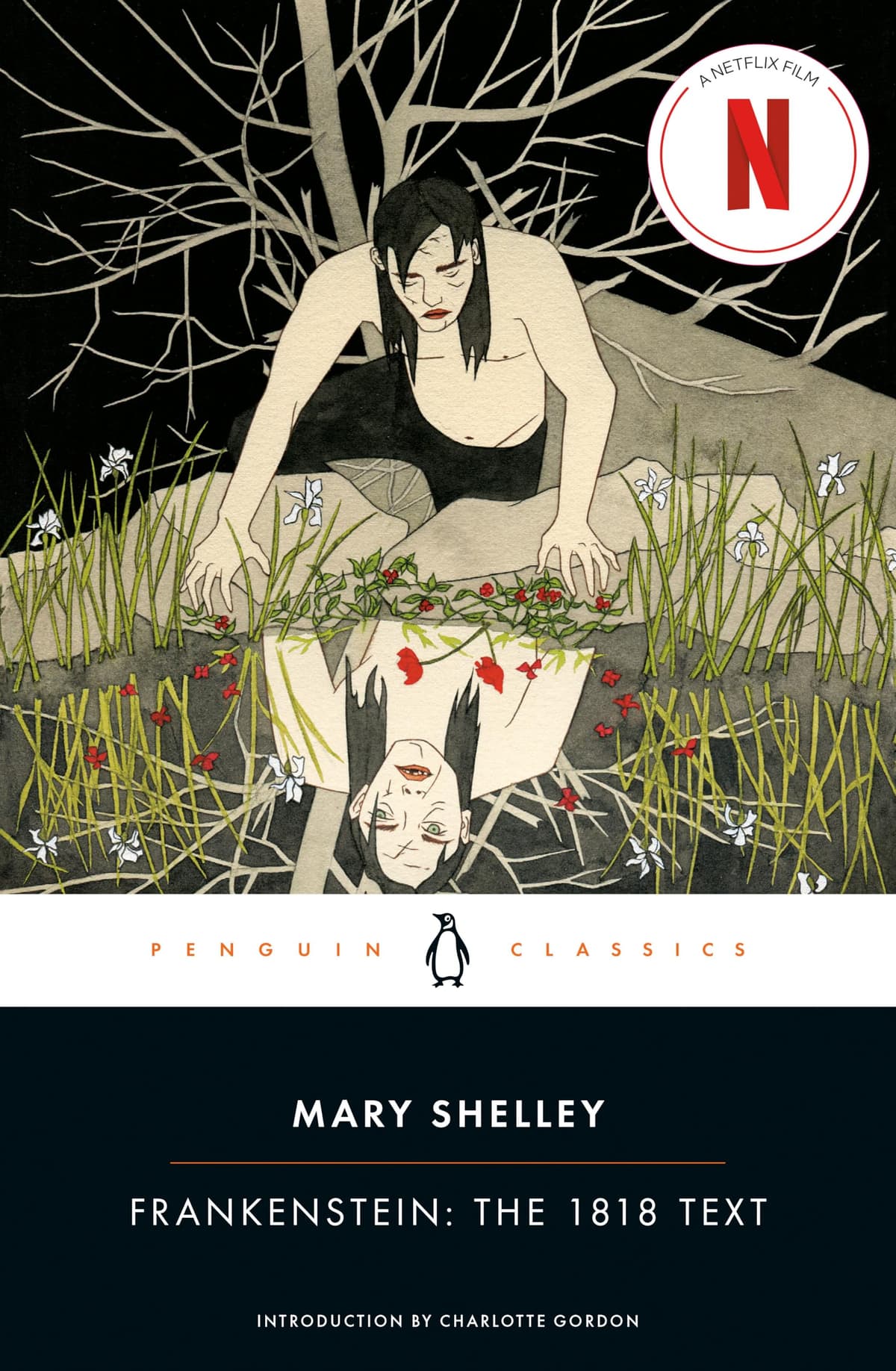 #41View Book
Frankenstein
Mary Shelley
Accessible•6-8 hours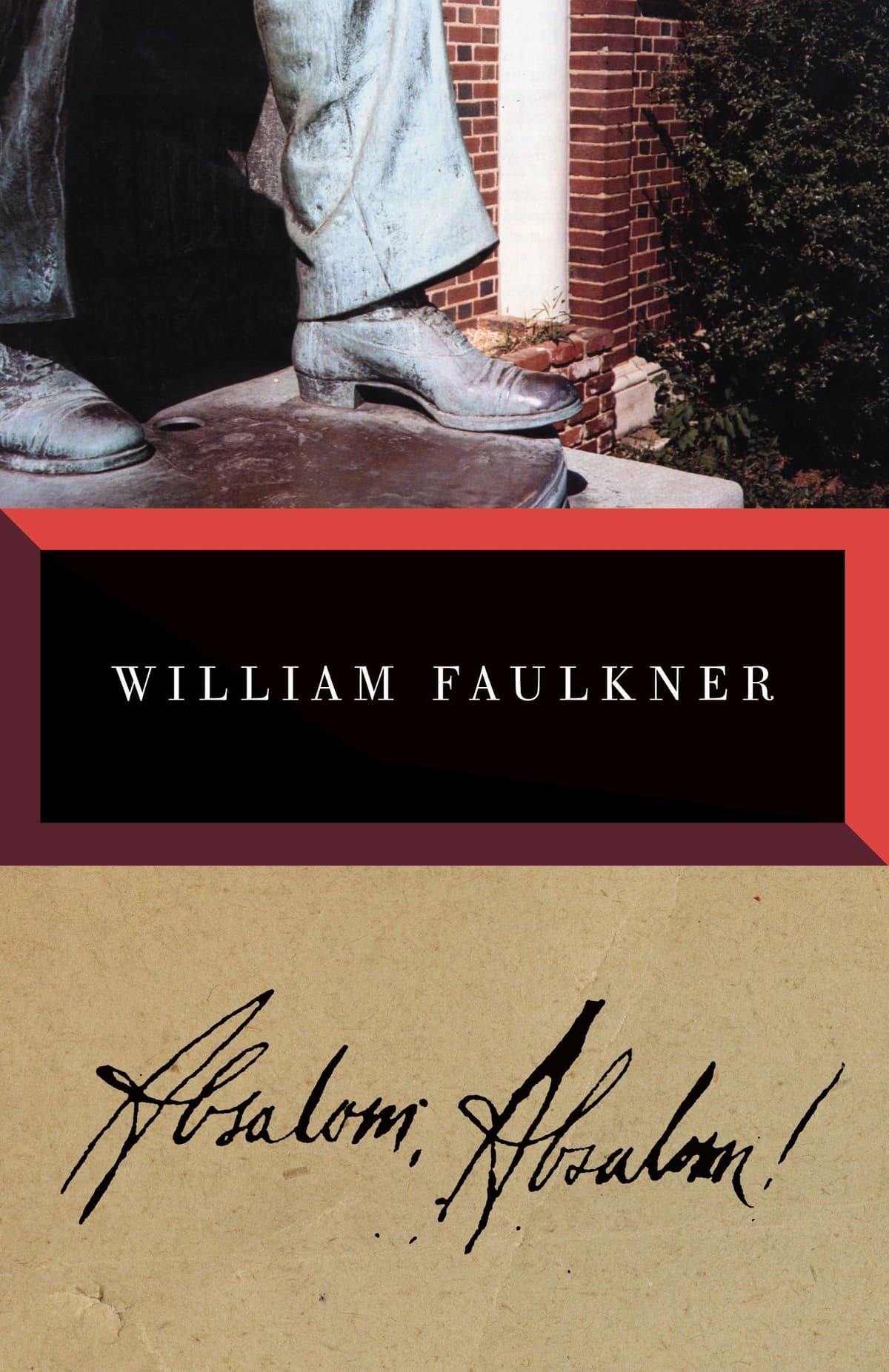 #44View Book
Absalom, Absalom!
William Faulkner
Very High•12-15 hours
Browse more collections