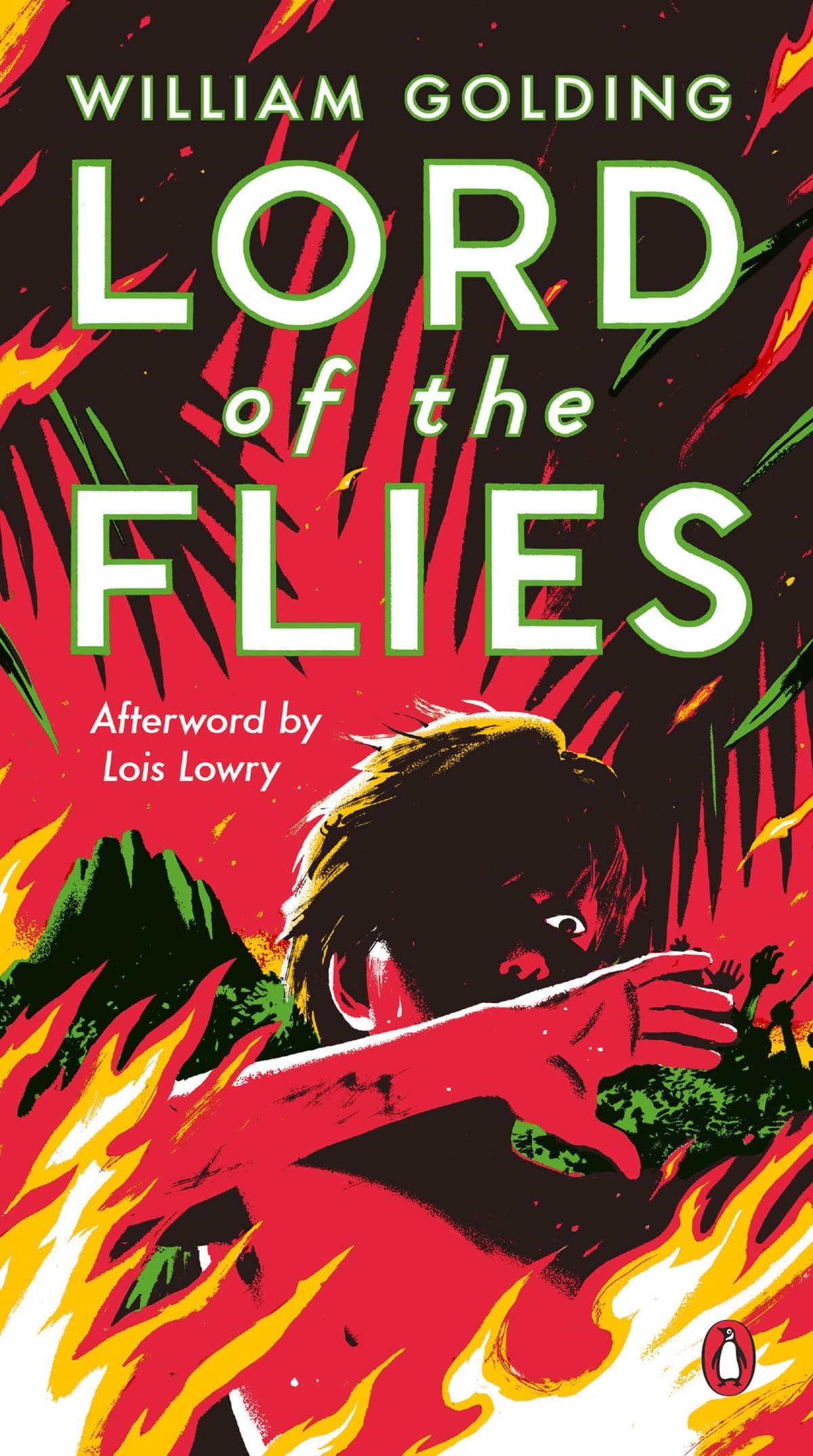
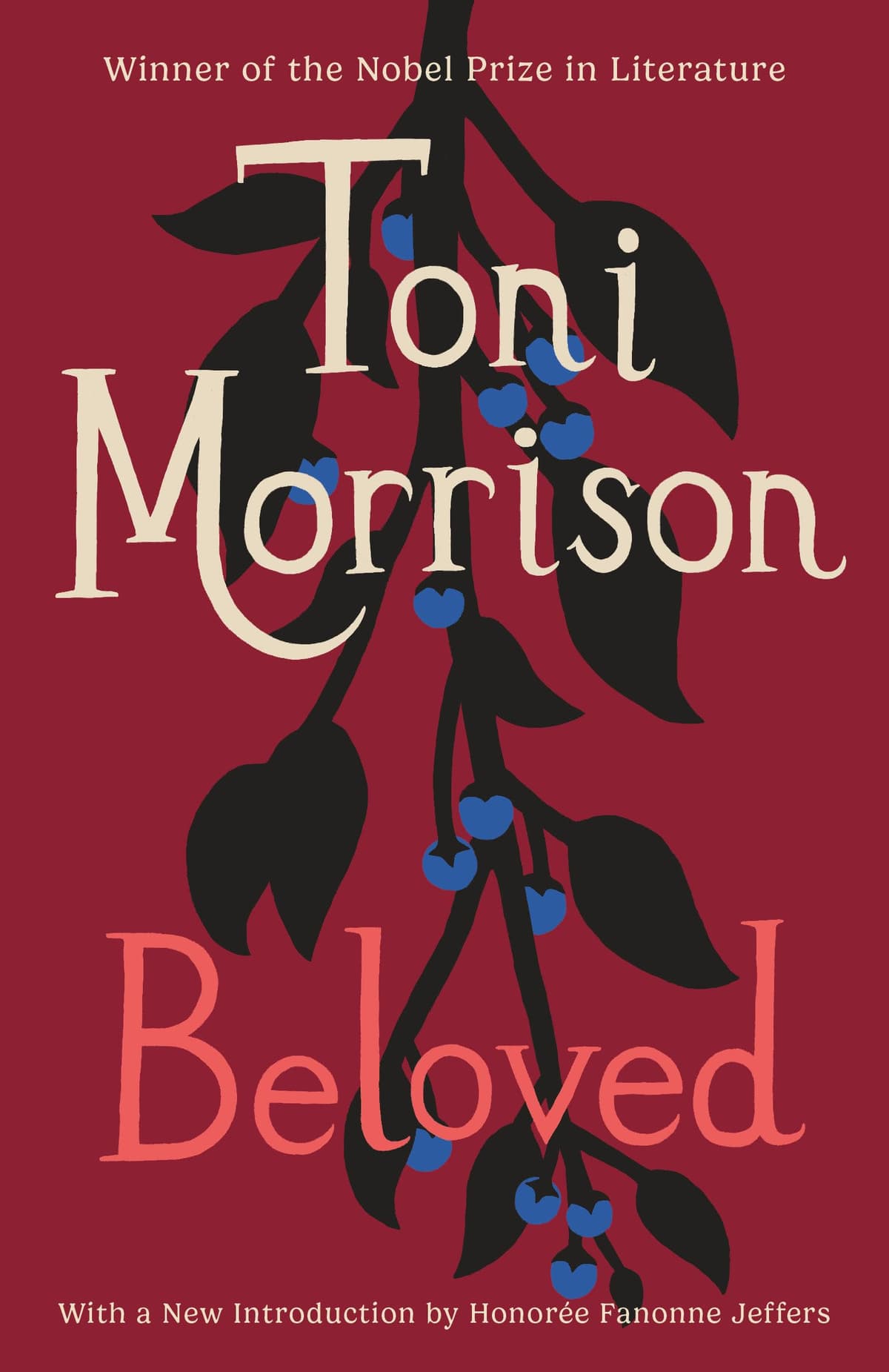
The Old Man and the Sea
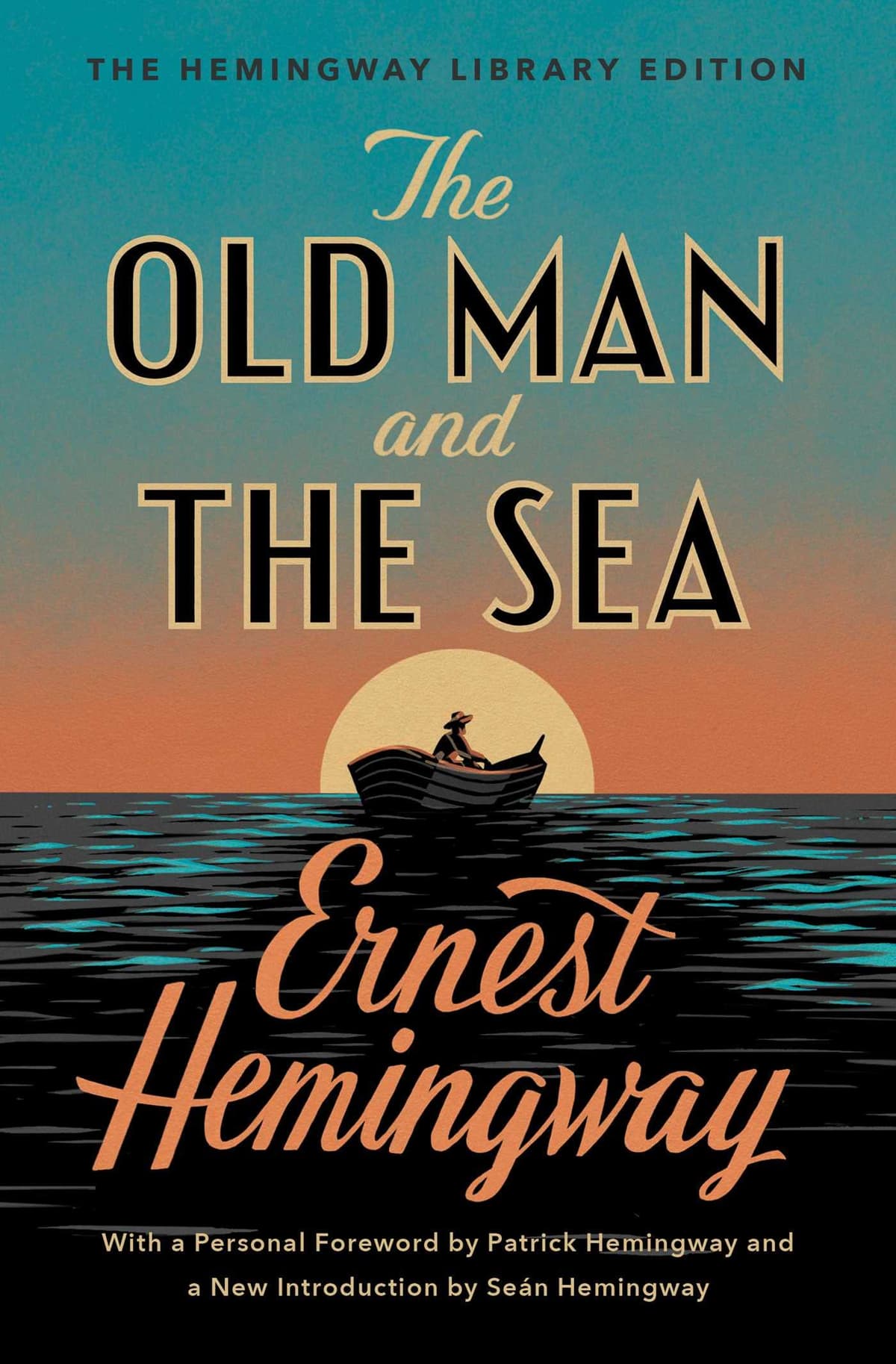
“A man can be destroyed but not defeated.”
The Old Man and the Sea Summary
Santiago is an old Cuban fisherman who has gone eighty-four days without catching a fish. The other fishermen pity him or mock him; only a boy named Manolin still believes in him. On the eighty-fifth day, Santiago rows his skiff far out into the Gulf Stream and hooks the greatest fish of his life—a marlin of impossible size that tows him for three days and two nights across the open sea in a battle of endurance that will test the limits of what a human being can bear.
Hemingway stripped his prose to the bone for this final masterpiece. Every word earns its place. The old man talks to the fish, to his cramping hand, to the stars, and to no one—and in his solitary struggle, Hemingway finds a parable about the dignity of perseverance, the inevitability of defeat, and the stubborn, magnificent refusal to surrender. Santiago may lose everything, but he is never destroyed. A man can be destroyed but not defeated.
Why Read The Old Man and the Sea?
This is Hemingway at his purest—the iceberg theory in its most crystalline form, where every sentence carries ten times its surface meaning. The Old Man and the Sea was the last major work published in his lifetime, and it reads like a writer's final testament: a distillation of everything he believed about courage, craft, and the human capacity to endure. It won the Pulitzer Prize in 1953 and was cited when Hemingway received the Nobel Prize the following year.
At barely a hundred pages, it is one of the shortest great novels ever written, yet it contains a universe. Santiago's battle with the marlin is simultaneously literal and mythic—a fishing story and a meditation on the relationship between man and nature, youth and age, ambition and loss. You can read it in an afternoon, but its final image—the old man asleep, dreaming of lions on an African beach—will stay with you for a lifetime.
About Ernest Hemingway
Ernest Hemingway (1899–1961) was an American novelist, short-story writer, and journalist whose spare, muscular prose style influenced virtually every writer who came after him. He served as an ambulance driver in World War I, covered the Spanish Civil War, survived two plane crashes in Africa, and lived with the intensity of a man who believed experience was the only raw material worth having.
His major novels—The Sun Also Rises, A Farewell to Arms, For Whom the Bell Tolls—defined a new American voice: terse, understated, with emotion locked beneath the surface like a depth charge. He won the Nobel Prize in Literature in 1954. Hemingway's influence on modern prose is so pervasive that it is almost invisible—like learning to breathe, you do not notice it until someone points it out.
Reading Guide
Ranked #51 among the greatest books of all time, The Old Man and the Sea by Ernest Hemingway has earned its place in the literary canon. Originally written in English and published in 1952, this accessible read from United States continues to resonate with readers today.
This book belongs to our American Spirit and Philosophy & Faith collections, where you can discover more books that share its spirit and themes.
If you enjoy accessible reads like this one, you might also like The Great Gatsby, The Catcher in the Rye, or Pride and Prejudice.
From the American Spirit Collection
If you enjoyed The Old Man and the Sea, discover more masterpieces that share its spirit.
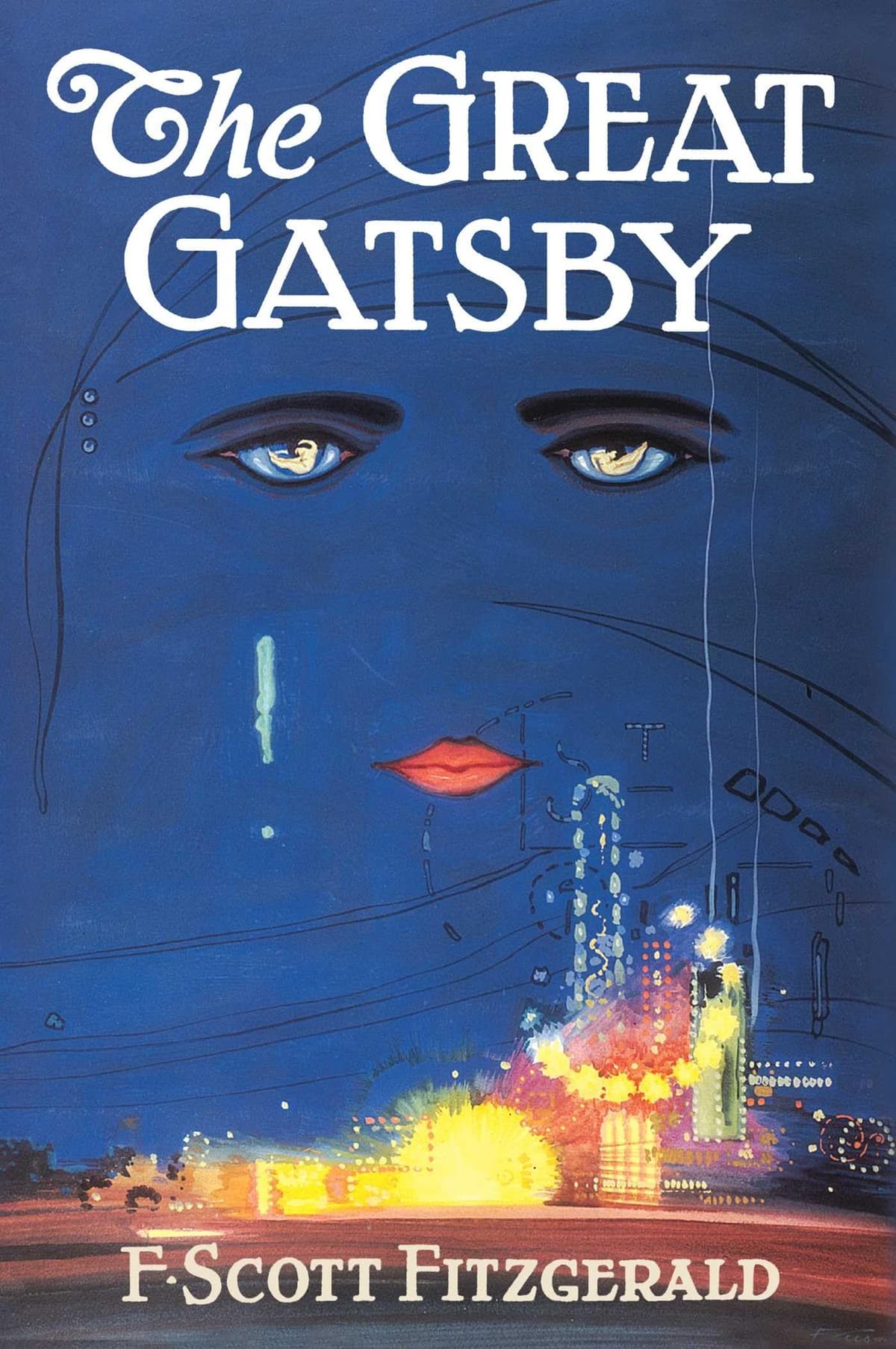 #3View Book
The Great Gatsby
F. Scott Fitzgerald
Accessible•5-6 hours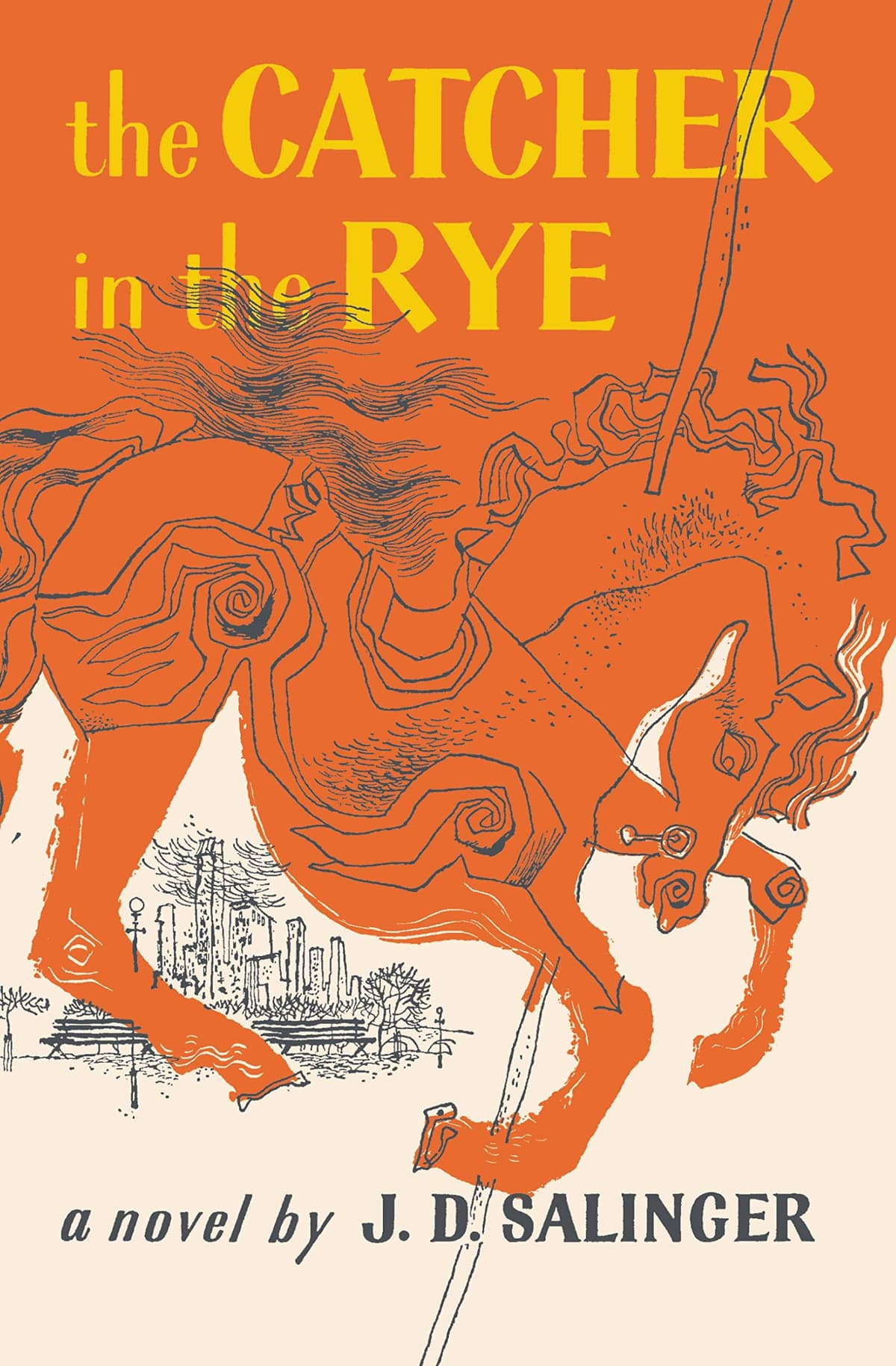 #4View Book
The Catcher in the Rye
J. D. Salinger
Accessible•6-8 hours #13View Book
Lolita
Vladimir Nabokov
Challenging•12-15 hours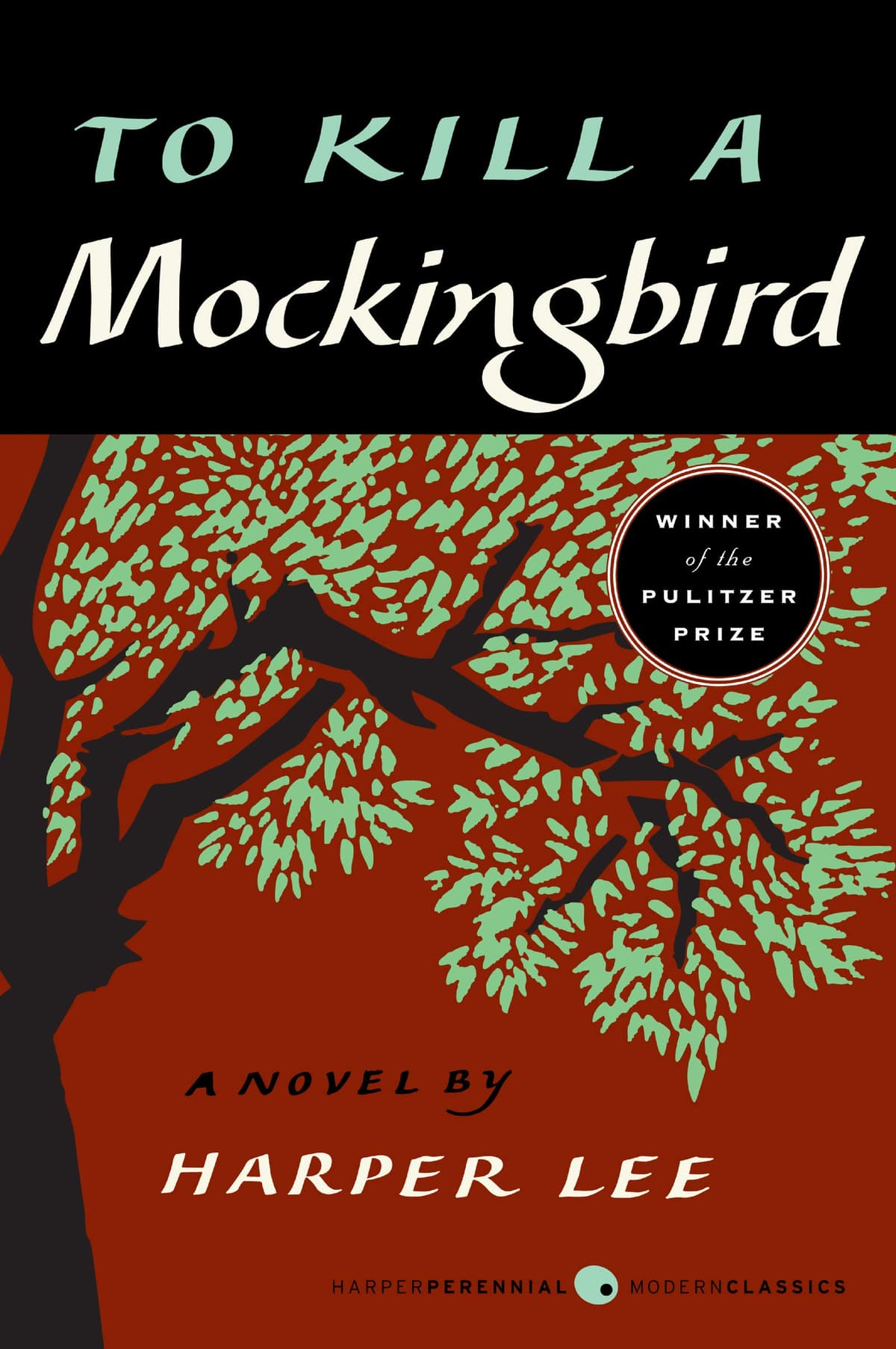 #17View Book
To Kill a Mockingbird
Harper Lee
Accessible•8-10 hours
Browse more collections