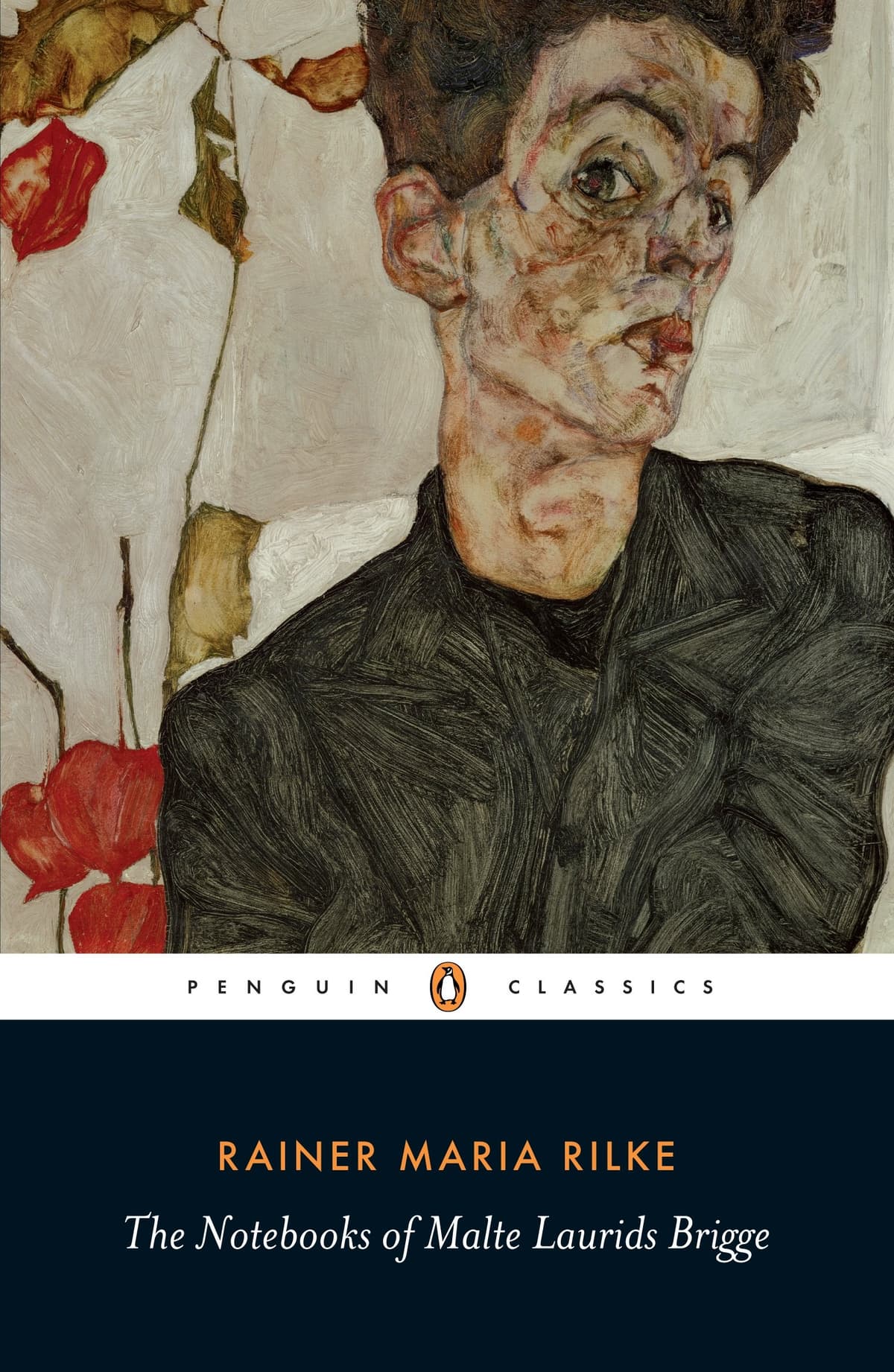
The Myth of Sisyphus
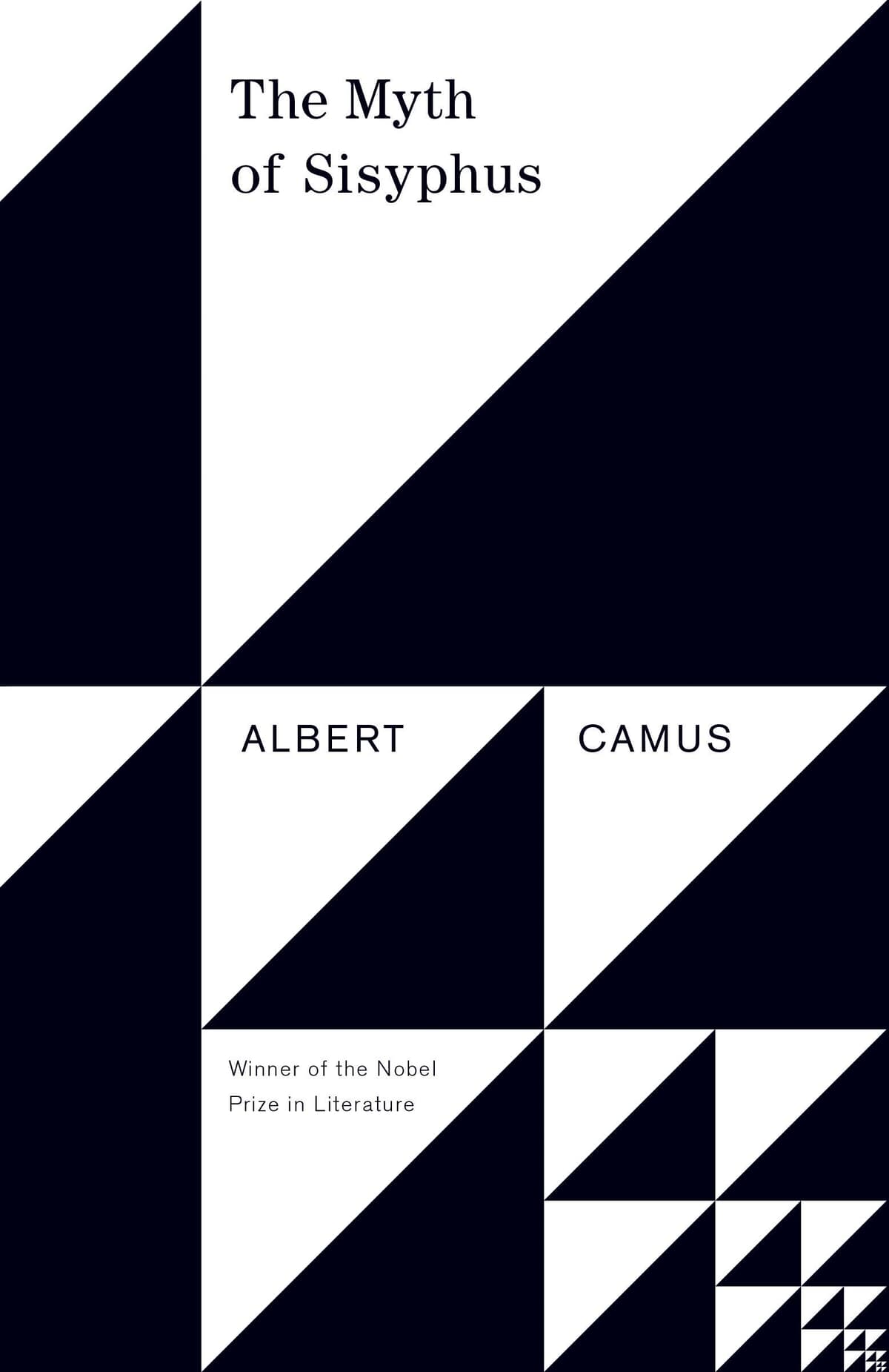
“The struggle itself toward the heights is enough to fill a man's heart. One must imagine Sisyphus happy.”
The Myth of Sisyphus Summary
Albert Camus opens with a sentence of shocking directness: there is but one truly serious philosophical problem, and that is suicide. From this stark premise, he constructs a sustained meditation on whether life is worth living in a universe devoid of inherent meaning. Camus examines the experience of the absurd—that collision between the human hunger for purpose and the cold indifference of the world—tracing it through the works of Dostoevsky, Kierkegaard, Husserl, and Jaspers, and finding in each a form of what he calls "philosophical suicide": the leap into faith, abstraction, or transcendence that betrays the honest confrontation with meaninglessness. Against these evasions, Camus proposes a radical alternative: to live fully within the absurd, refusing both suicide and consolation, embracing the tension between desire and reality without resolution. The essay culminates in the myth of Sisyphus, condemned by the gods to roll a boulder up a hill for eternity only to watch it roll back down, whom Camus reimagines not as a figure of despair but of defiant, lucid joy.
The Myth of Sisyphus is one of the defining philosophical texts of the twentieth century, a work that gave voice to the postwar sense of cosmic homelessness while refusing the nihilism that seemed its logical consequence. Camus writes not as an academic philosopher but as a lyrical thinker, and his prose carries the heat of Mediterranean sunlight and the clarity of moral urgency. The essay's insistence that meaning must be created rather than discovered, that revolt, freedom, and passion are the proper responses to absurdity, established Camus as the great philosopher of lucid defiance. His closing declaration—that we must imagine Sisyphus happy—remains one of the most provocative and liberating sentences in modern thought.
Why Read The Myth of Sisyphus?
If you have ever lain awake at three in the morning wondering what the point of it all is, Camus has written this essay for you—and his answer is not what you expect. The Myth of Sisyphus does not offer comfort, religious faith, or a philosophical system that tidily resolves the question of meaning. Instead, it offers something rarer and more bracing: permission to live fully in the face of meaninglessness, to find joy precisely where despair seems most warranted. Camus transforms the most depressing figure in Greek mythology into a hero of consciousness, and in doing so transforms your understanding of what it means to persist.
Camus writes philosophy the way other people write poetry—with heat, rhythm, and an almost physical urgency. This is not an abstract treatise but a passionate argument addressed to anyone who has felt the ground of meaning give way beneath them. At barely over a hundred pages, it is one of the most concentrated doses of intellectual liberation you will ever encounter. The essay's influence is immeasurable, rippling through literature, philosophy, psychology, and popular culture. To read it is to join a conversation that has been sustaining thinking people through their darkest hours for over eighty years.
About Albert Camus
Albert Camus was born in 1913 in Mondovi, French Algeria, to a working-class family. His father was killed in the Battle of the Marne in 1914, and he was raised in poverty by his illiterate, partially deaf mother in a two-room apartment in Algiers. Despite these hardships, he excelled at school, studied philosophy at the University of Algiers, and threw himself into theater, journalism, and political activism. Tuberculosis, which struck him at seventeen, barred him from an academic career and gave his philosophy its characteristic urgency about living fully in the face of mortality.
Camus published The Stranger and The Myth of Sisyphus in 1942, establishing his reputation as a major voice in French letters. During the German occupation, he edited the Resistance newspaper Combat. His subsequent works—The Plague, The Rebel, The Fall—deepened his exploration of absurdity, revolt, and moral responsibility. His public break with Sartre over the question of political violence became one of the defining intellectual dramas of the postwar period. In 1957, at the age of forty-three, he was awarded the Nobel Prize in Literature, one of the youngest recipients in history. He died in a car accident in 1960, his briefcase containing the unfinished manuscript of The First Man. Camus remains one of the most widely read and beloved philosophers of the modern age.
Reading Guide
Ranked #392 among the greatest books of all time, The Myth of Sisyphus by Albert Camus has earned its place in the literary canon. Originally written in French and published in 1942, this challenging read from France continues to resonate with readers today.
This book belongs to our Philosophy & Faith collection, where you can discover more books that share its spirit and themes.
If you enjoy challenging reads like this one, you might also like Ulysses, Moby-Dick, or Lolita.
From the Philosophy & Faith Collection
If you enjoyed The Myth of Sisyphus, discover more masterpieces that share its spirit.
 #11View Book
Crime and Punishment
Fyodor Dostoevsky
High•20-25 hours #18View Book
The Bible
Various
Variable•60-80 hours #19View Book
The Brothers Karamazov
Fyodor Dostoevsky
Very High•35-40 hours #21View Book
The Stranger
Albert Camus
Moderate•3-4 hours
Browse more collections