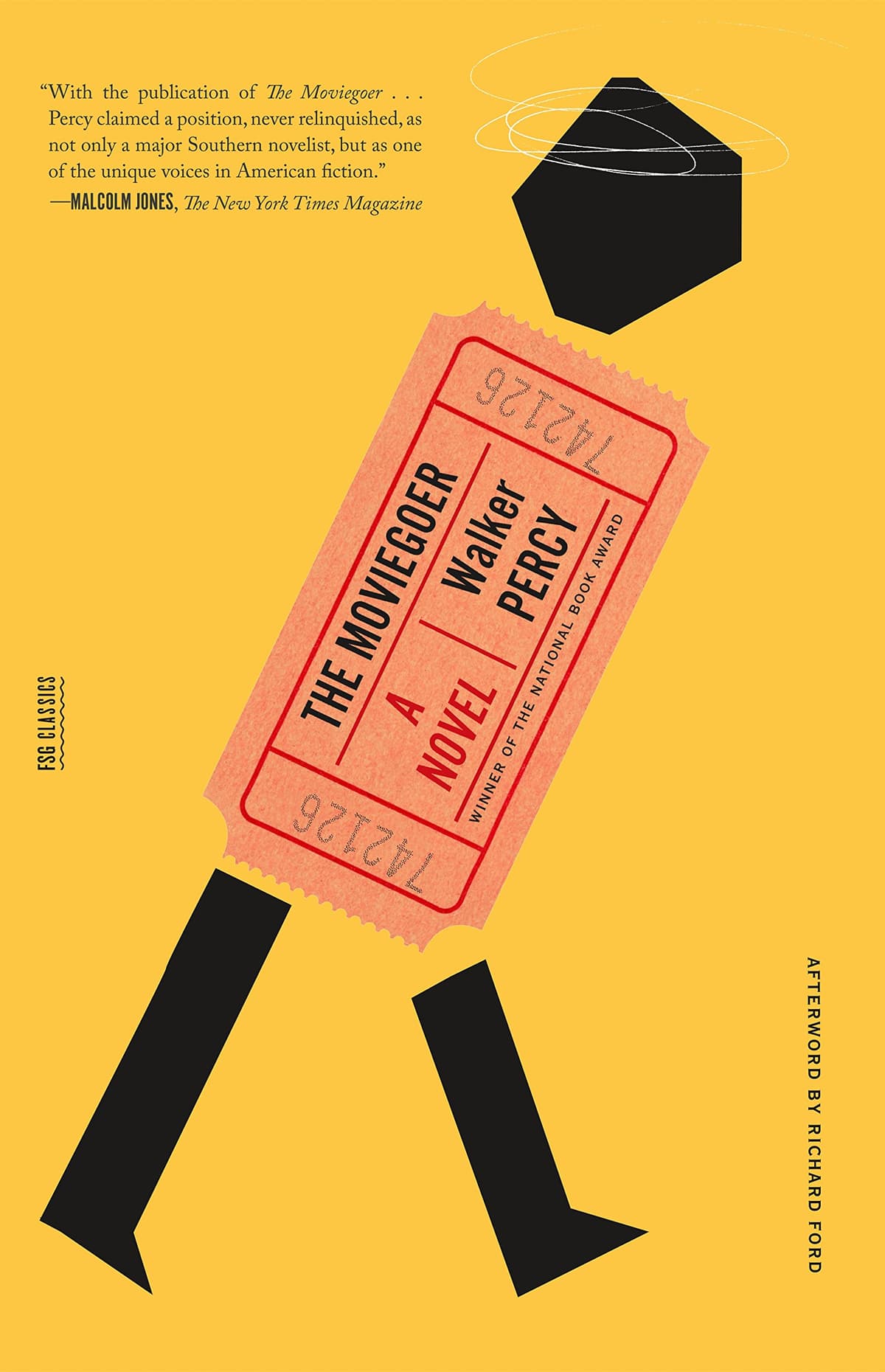
The Moviegoer
“The search is what anyone would undertake if he were not sunk in the everydayness of his own life.”
The Moviegoer Summary
Binx Bolling is a twenty-nine-year-old stockbroker living in the Gentilly suburb of New Orleans, passing his days in a pleasant fog of moviegoing, casual affairs with his secretaries, and the quiet avoidance of anything that might disturb his equilibrium. He is, by any conventional measure, a success—yet he is haunted by what he calls "the search," a nameless, half-articulated longing for something authentic beneath the surface of everyday life. The novel unfolds during the week before Mardi Gras, as Binx navigates his complicated relationship with his troubled cousin Kate, attends family obligations, and circles ever closer to the existential questions he has spent years evading.
Walker Percy's The Moviegoer is a novel of ideas disguised as a novel of manners—or perhaps the reverse. Percy, a physician turned philosopher turned novelist, filters Kierkegaard and Heidegger through the humid air of New Orleans, creating a work that is at once deeply Southern and thoroughly European in its intellectual concerns. Binx's alienation is not dramatic or self-pitying; it is quiet, wry, almost comfortable—which makes it all the more devastating. The novel's genius lies in Percy's ability to make the reader feel the malaise he describes: the strange numbness of living in a world saturated with images and empty of meaning. It won the National Book Award in 1962, and its diagnosis of modern spiritual emptiness has only grown more acute with time.
Why Read The Moviegoer?
If you have ever sat in a movie theater and felt more alive watching someone else's story than living your own, Binx Bolling is your patron saint. The Moviegoer captures the peculiar malaise of modern comfort—the sense that something essential is missing from a life that looks, from the outside, perfectly fine. Percy writes about this condition with a wit and warmth that prevent the novel from ever becoming ponderous. Binx is one of the great narrators in American fiction: funny, self-aware, and quietly desperate.
What makes this novel indispensable is its honesty. Percy does not offer easy answers to Binx's search—no dramatic conversion, no triumphant resolution. Instead, he suggests that the search itself is the point, that paying attention to the world with real seriousness is the closest thing to salvation available to a modern person. In an age of infinite distraction, The Moviegoer is a quiet, profound reminder to stop watching and start seeing.
About Walker Percy
Walker Percy (1916–1990) was born in Birmingham, Alabama, into a family shadowed by tragedy—his grandfather and father both died by suicide. After his father's death, he was adopted by his uncle, the poet and planter William Alexander Percy, and raised in Greenville, Mississippi. He studied medicine at Columbia University but contracted tuberculosis during his residency, and the long convalescence that followed transformed him from a physician into a reader of philosophy and, eventually, a novelist. His conversion to Catholicism in 1947 profoundly shaped his intellectual life.
The Moviegoer, his first novel, won the National Book Award in 1962 and established him as one of the leading voices in American letters. His subsequent novels—The Last Gentleman, Love in the Ruins, Lancelot, and The Second Coming—continued to explore the spiritual crisis of modern life with a combination of philosophical depth and Southern storytelling. Percy is often grouped with the Southern literary tradition, but his true kin are the European existentialists—Kierkegaard, Dostoevsky, Camus—whose questions about meaning and faith he translated into an unmistakably American idiom.
Reading Guide
Ranked #183 among the greatest books of all time, The Moviegoer by Walker Percy has earned its place in the literary canon. Originally written in English and published in 1961, this moderate read from United States continues to resonate with readers today.
This book belongs to our American Spirit and Philosophy & Faith collections, where you can discover more books that share its spirit and themes.
If you enjoy moderate reads like this one, you might also like One Hundred Years of Solitude, Nineteen Eighty-Four, or Wuthering Heights.
From the American Spirit Collection
If you enjoyed The Moviegoer, discover more masterpieces that share its spirit.
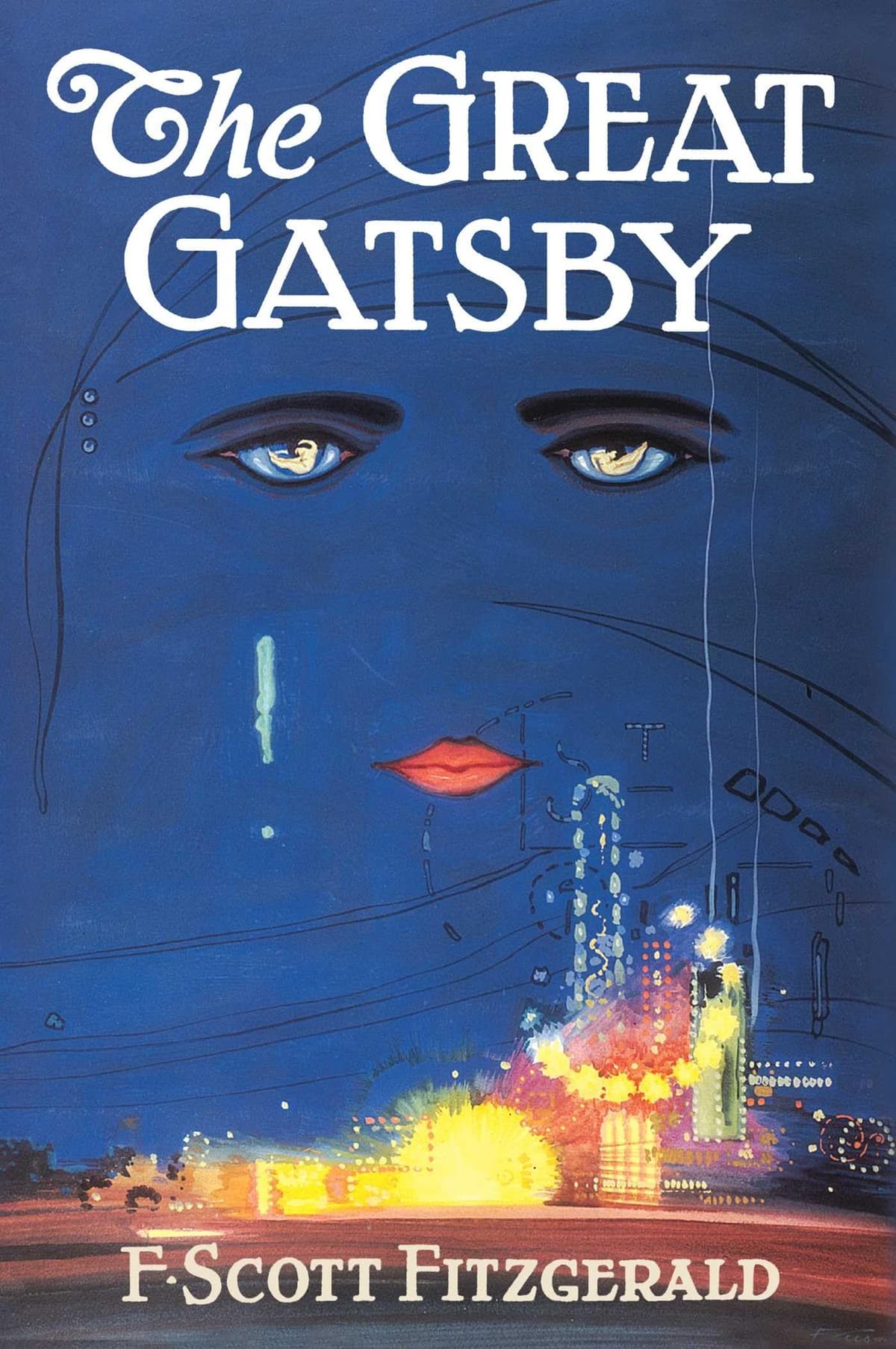 #3View Book
The Great Gatsby
F. Scott Fitzgerald
Accessible•5-6 hours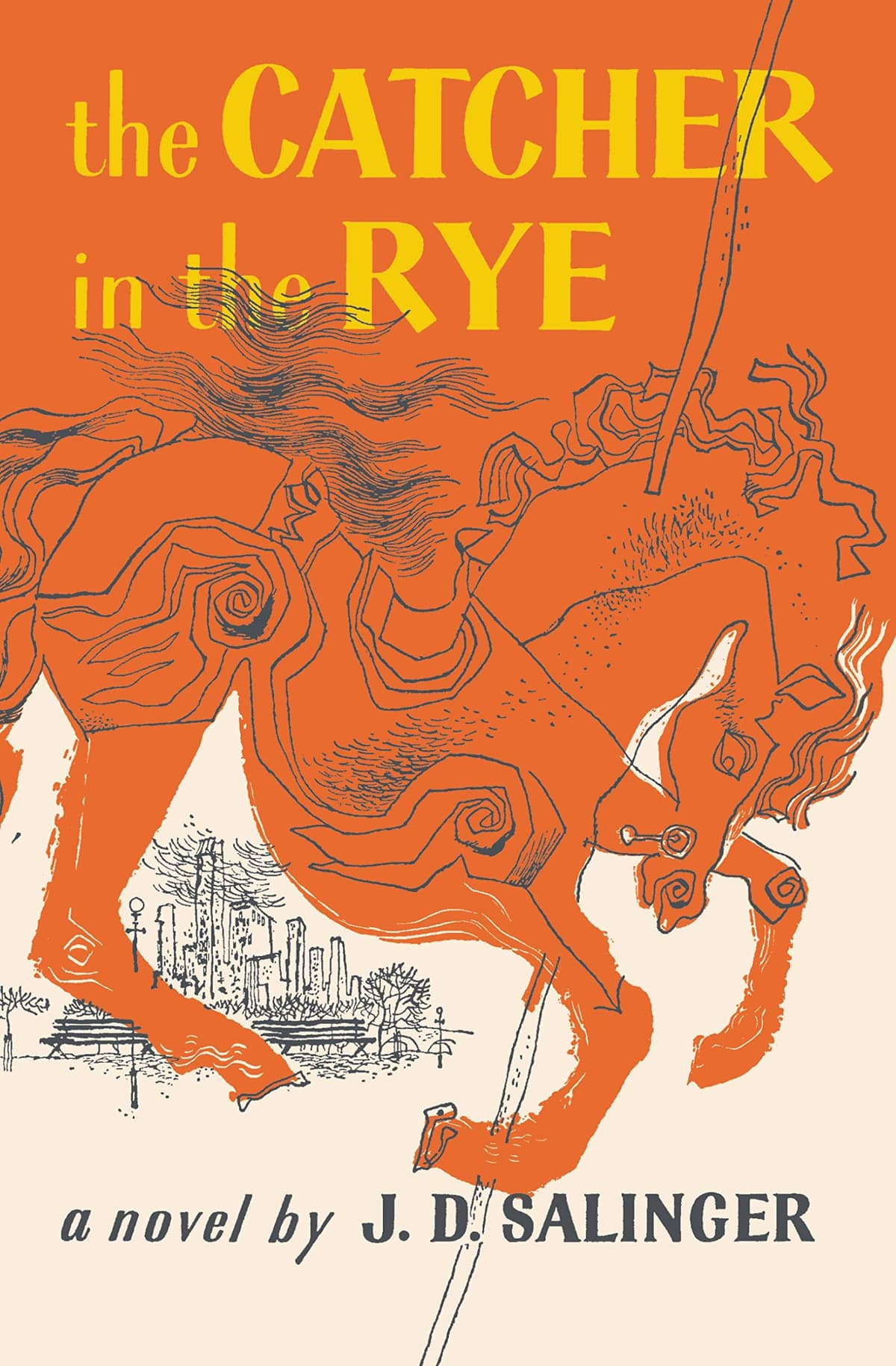 #4View Book
The Catcher in the Rye
J. D. Salinger
Accessible•6-8 hours #13View Book
Lolita
Vladimir Nabokov
Challenging•12-15 hours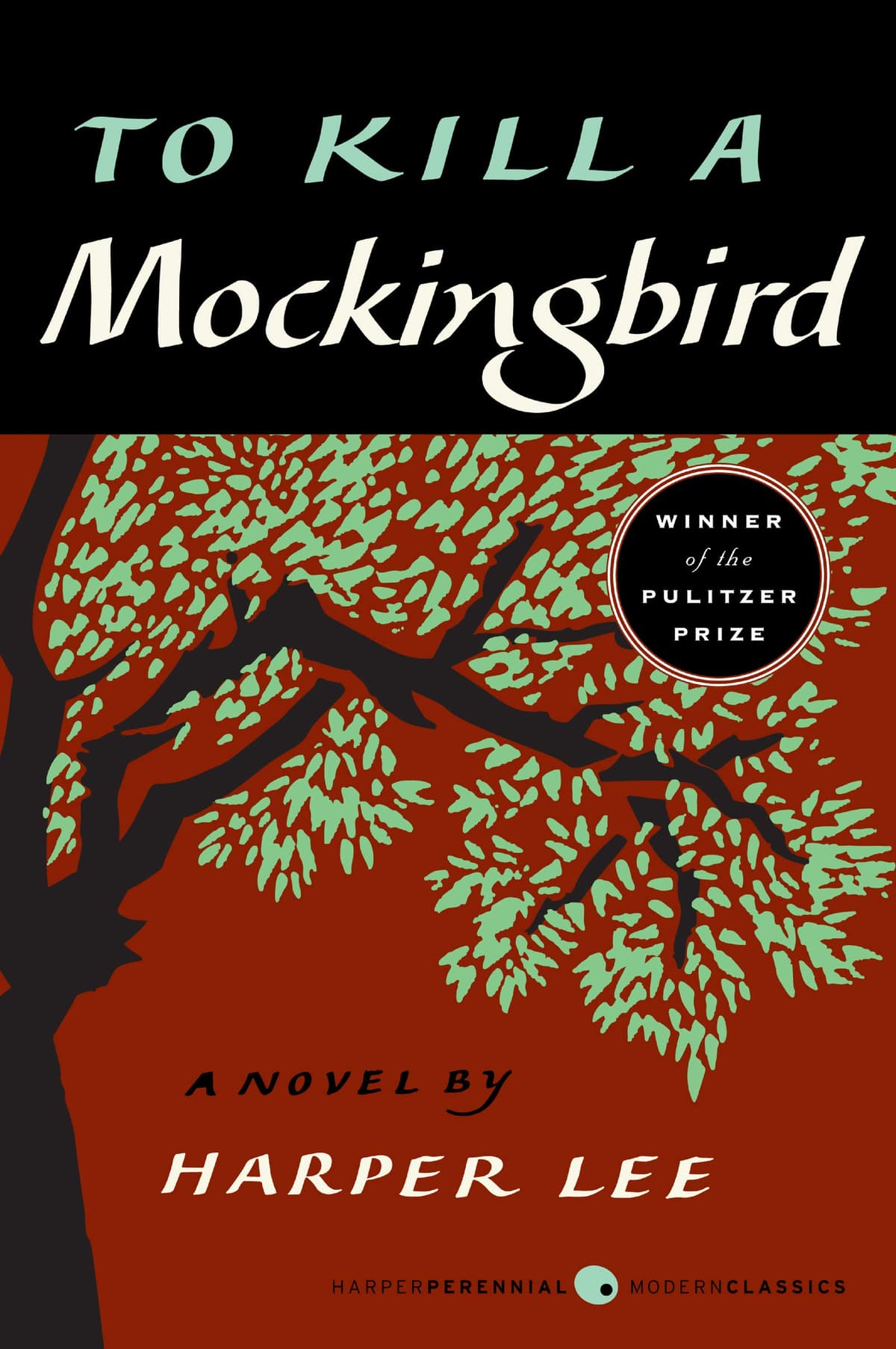 #17View Book
To Kill a Mockingbird
Harper Lee
Accessible•8-10 hours
Browse more collections