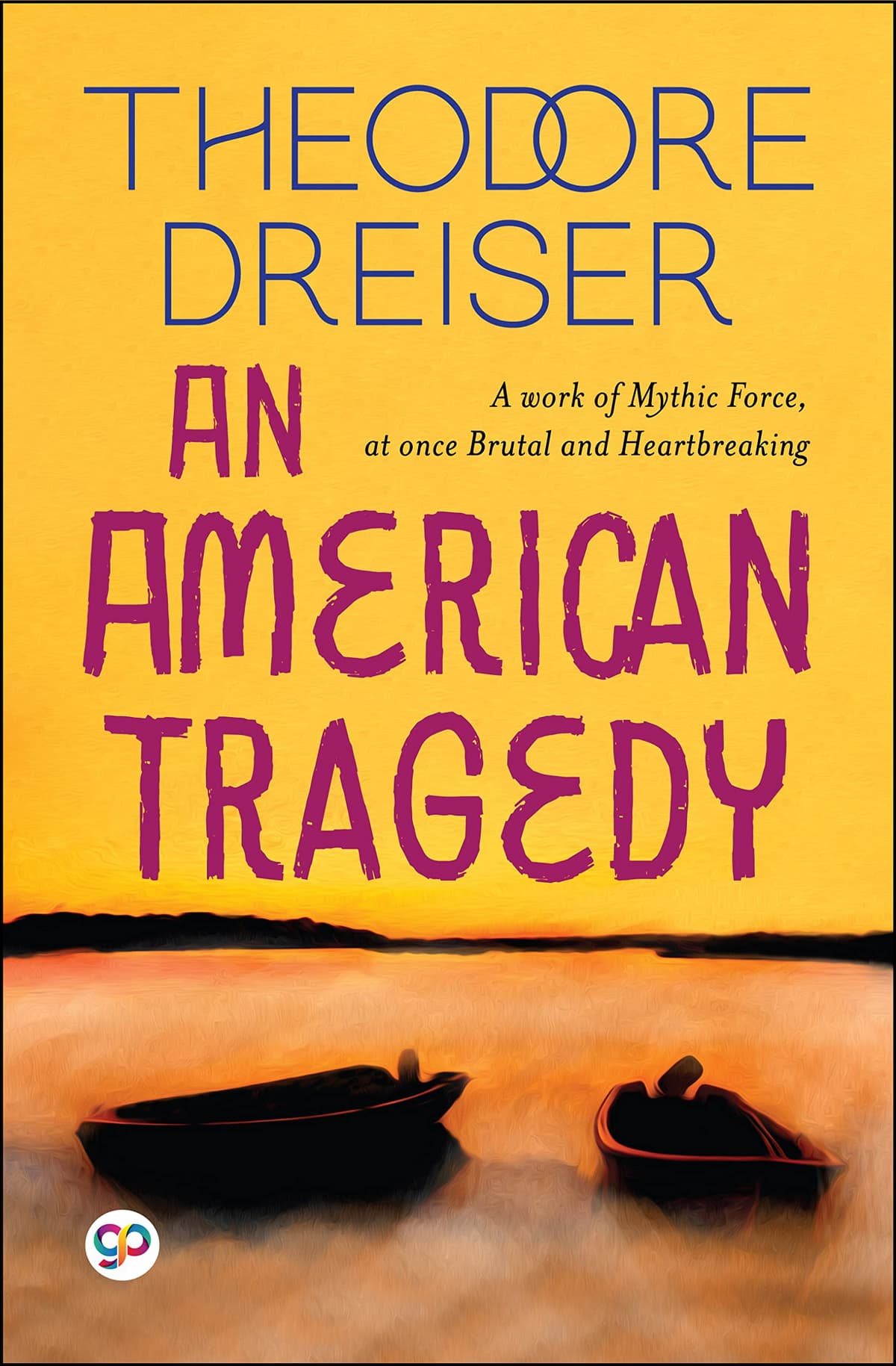
An American Tragedy
“The true meaning of money yet remains to be popularly explained and comprehended.”
An American Tragedy Summary
Clyde Griffiths is born into poverty, the son of itinerant street preachers in Kansas City, and he burns with a single desire: to escape. He drifts from bellhop to factory worker, climbing the lowest rungs of the American ladder, until a distant wealthy uncle offers him a position in his collar factory in upstate New York. There, Clyde is caught between two women and two worlds—Roberta Alden, a sweet, vulnerable factory girl he has seduced and impregnated, and Sondra Finchley, the dazzling society beauty who represents everything he craves. When Roberta's pregnancy threatens to destroy his prospects, Clyde conceives a plan to murder her on a lake. Whether he carries it out—or whether the drowning is an accident—is the devastating ambiguity at the novel's heart.
Theodore Dreiser's An American Tragedy is a massive, methodical, almost forensic dismantling of the American Dream. Dreiser writes with a relentless accumulation of detail—social, economic, psychological—that buries the reader in the sheer weight of American reality. The prose is not elegant; it is something better: it is inexorable. The novel's power comes from Dreiser's absolute refusal to sentimentalize or simplify. Clyde is not a villain but a product—of poverty, of desire, of a society that worships wealth and punishes those who pursue it by the wrong means. The trial that occupies the novel's final third is a devastating portrait of American justice as theater, where guilt and innocence matter less than narrative and class.
Why Read An American Tragedy?
An American Tragedy is the most unsparing portrait of class and ambition in American literature. Dreiser does not merely tell the story of one young man's destruction—he builds, with the patience of a bricklayer, a complete picture of the society that produces and destroys him. You will feel the suffocating weight of Clyde's poverty, the intoxicating pull of Sondra's world, and the slow, sickening inevitability of the catastrophe. No other American novel makes you understand so completely how the dream of upward mobility can become a death trap.
Dreiser's great gift is his refusal to look away. He follows Clyde from cradle to execution chamber with a compassion that never becomes sentimentality. The novel is long, and its prose is sometimes clumsy, but its cumulative power is overwhelming. It changed the course of American fiction, influencing writers from Richard Wright to Norman Mailer, and its central question—whether America destroys the very people it teaches to dream—has never been more relevant.
About Theodore Dreiser
Theodore Dreiser (1871–1945) was born in Terre Haute, Indiana, the twelfth of thirteen children in a poor, devoutly Catholic family. He worked as a journalist in Chicago, St. Louis, and New York before publishing his first novel, Sister Carrie, in 1900—a book so frank in its treatment of sexuality and moral ambiguity that its own publisher tried to suppress it. Dreiser spent the next two decades fighting censorship and financial hardship, establishing himself as the leading American literary naturalist.
An American Tragedy, published in 1925 and based on a real murder case, was his commercial and critical triumph. The novel made him wealthy and cemented his reputation as the most powerful, if not the most graceful, novelist of his generation. His other major works include Jennie Gerhardt, The Financier, and The Titan. Dreiser's influence on American literature is immense—he opened the door for writers to depict American life with unflinching honesty, paving the way for the social realism that would dominate the mid-twentieth century.
Reading Guide
Ranked #182 among the greatest books of all time, An American Tragedy by Theodore Dreiser has earned its place in the literary canon. Originally written in English and published in 1925, this challenging read from United States continues to resonate with readers today.
This book belongs to our American Spirit and Society & Satire collections, where you can discover more books that share its spirit and themes.
If you enjoy challenging reads like this one, you might also like Ulysses, Moby-Dick, or Lolita.
From the American Spirit Collection
If you enjoyed An American Tragedy, discover more masterpieces that share its spirit.
 #3View Book
The Great Gatsby
F. Scott Fitzgerald
Accessible•5-6 hours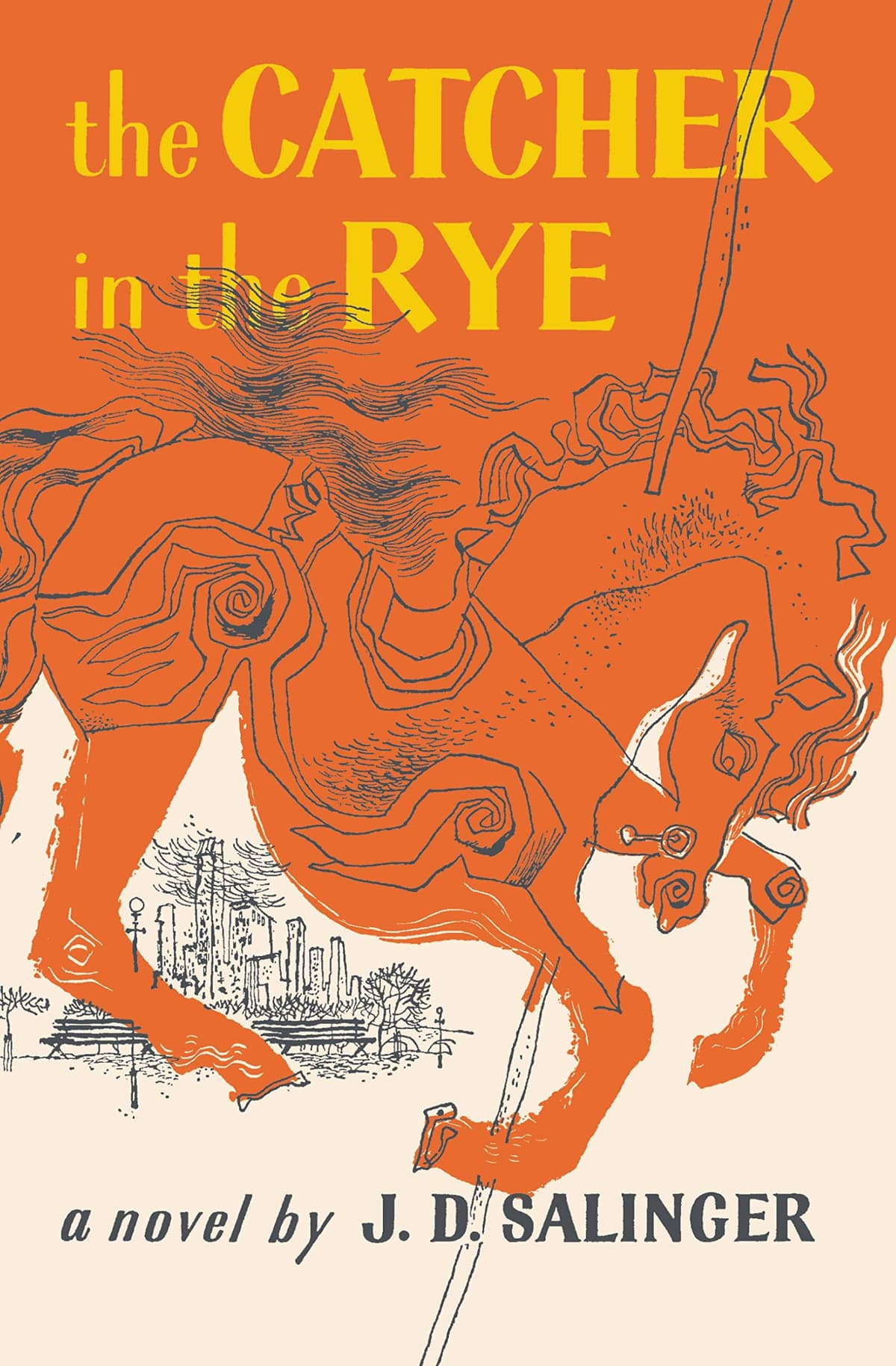 #4View Book
The Catcher in the Rye
J. D. Salinger
Accessible•6-8 hours #13View Book
Lolita
Vladimir Nabokov
Challenging•12-15 hours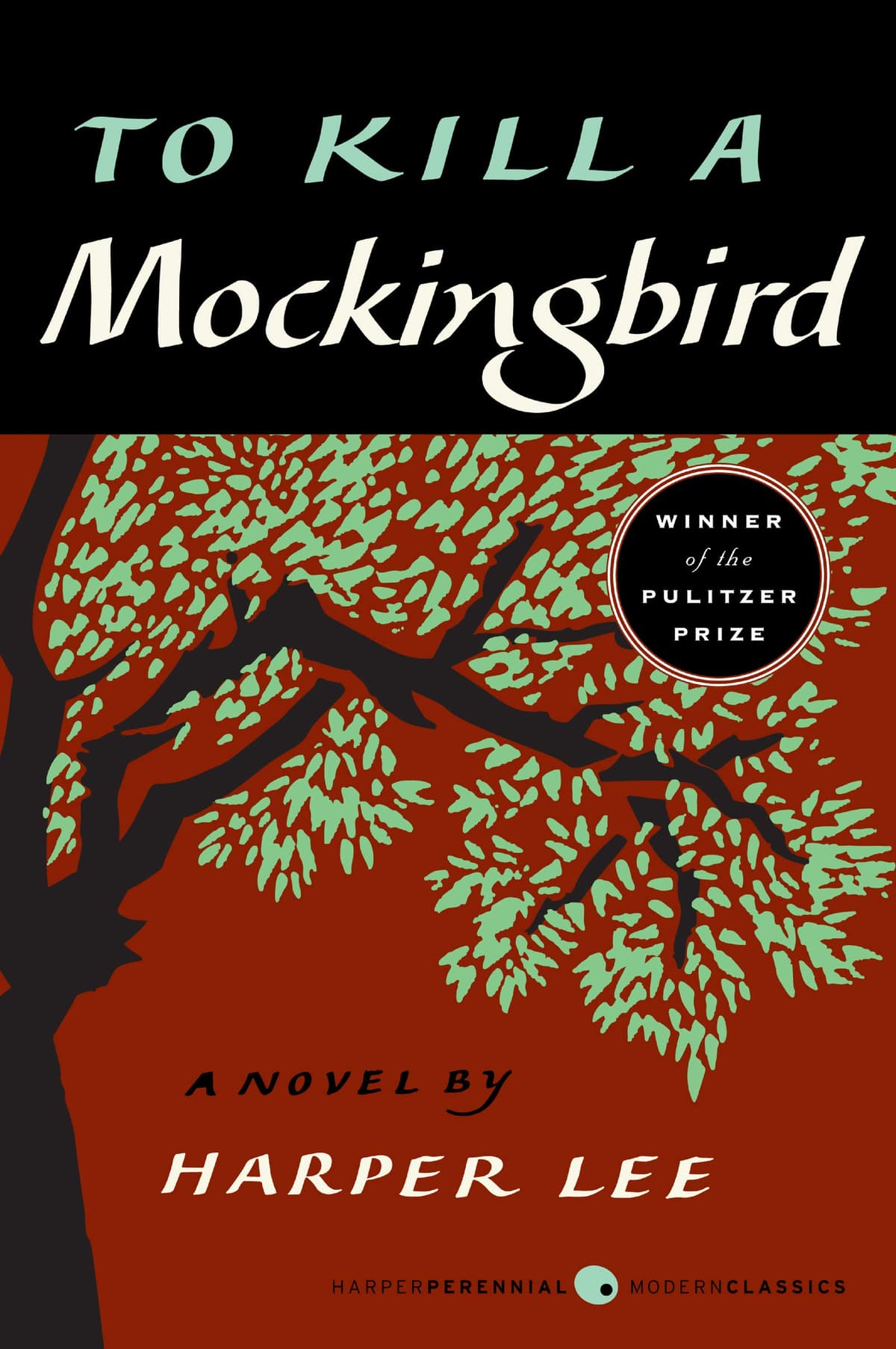 #17View Book
To Kill a Mockingbird
Harper Lee
Accessible•8-10 hours
Browse more collections