The Lusiad
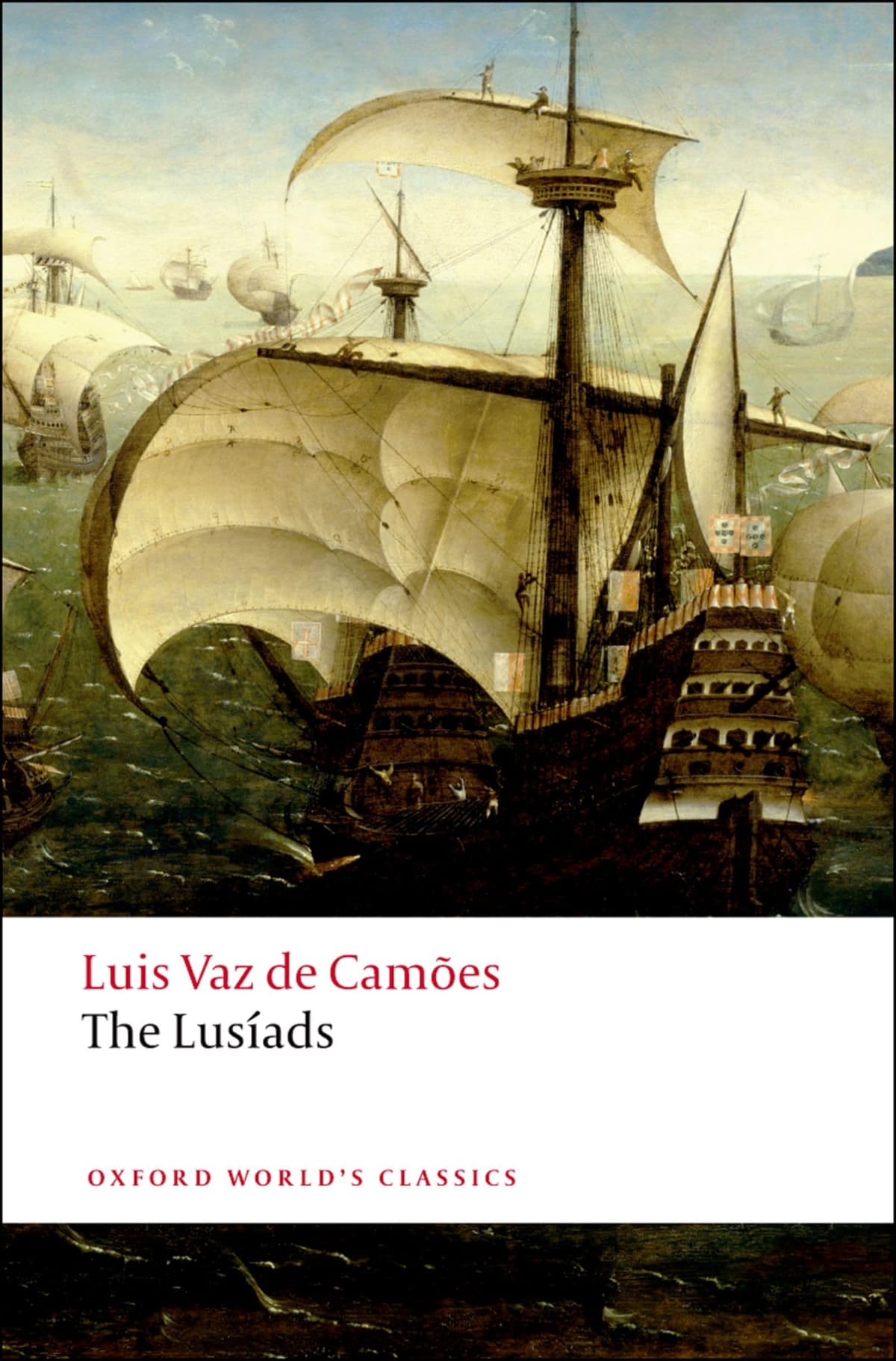
“Here where the sea ended and the land began.”
The Lusiad Summary
The Lusiad stands as the supreme literary achievement of the Portuguese language, a sweeping epic poem that chronicles the historic voyage of Vasco da Gama around the Cape of Good Hope to India in 1497-1499. Cast in the mold of classical epics by Virgil and Homer, the poem follows da Gama and his crew as they navigate treacherous seas, encounter hostile and welcoming peoples, and contend with the machinations of gods and goddesses who debate Portugal's fate on Olympus. Camões weaves the actual history of the voyage with a rich mythological apparatus: Venus champions the Portuguese cause while Bacchus conspires against them, and the sea god Adamastor rises as a terrifying phantom at the Cape of Storms to warn the sailors of the perils ahead. Through da Gama's narration to the King of Melinde, the poem recounts the full sweep of Portuguese history, from its legendary founding through the great battles of the Reconquista to the maritime triumphs that made a small Atlantic nation into a global empire.
The Lusiad is far more than a celebration of imperial adventure. Camões, who himself sailed to India and suffered shipwreck, exile, and poverty, infused his epic with a profound tension between glory and suffering, ambition and loss. The poem interrogates the human cost of empire even as it exalts the courage required to pursue it. The episode of Inês de Castro, murdered for reasons of state despite her innocent love, stands as one of the most heartbreaking passages in world poetry, a reminder that history's grand narratives are built upon individual tragedies. Camões's mastery of ottava rima, his fusion of Renaissance humanism with medieval chivalric ideals, and his philosophical meditation on fame, mortality, and the fragility of civilizations ensure that The Lusiad transcends its national origins to speak to universal questions about what drives human beings to risk everything for the unknown.
Why Read The Lusiad?
If you seek an epic that rivals Homer and Virgil yet charts entirely different waters, The Lusiad will astonish you with its ambition and emotional range. This is the poem that gave voice to an entire civilization's sense of destiny, capturing the Age of Discovery not as dry history but as a living drama of courage, longing, and divine contest. You will feel the salt spray and the terror of unknown seas, witness the grandeur of encounters between civilizations, and be moved by some of the most beautiful lyric passages ever composed. Camões writes with the authority of someone who lived the dangers he describes, and that authenticity gives his verse an immediacy that transcends the centuries.
Beyond its narrative power, The Lusiad offers you a rare window into how a culture understood its own place in the world at a pivotal historical moment. You will find here not blind triumphalism but a sophisticated meditation on the costs of ambition, the cruelty of fate, and the bittersweet nature of glory. The poem's mythological framework raises profound questions about whether the gods favor or merely toy with human striving. Reading The Lusiad deepens your understanding of world literature, European history, and the enduring human impulse to venture beyond the known horizon, making it essential for anyone who values the epic tradition.
About Luís Vaz Camões
Luís Vaz de Camões was born around 1524 in Lisbon, Portugal, into a family of minor nobility with Galician roots. Educated at the University of Coimbra, he absorbed the classical learning and humanist ideals that would shape his masterwork. His early life in Lisbon was marked by romantic entanglements and a rebellious temperament that led to his banishment from court. In 1553, he sailed for India, beginning nearly two decades of wandering through the Portuguese empire in Goa, Macau, and Mozambique. He fought in military campaigns, was shipwrecked off the Mekong Delta coast, and endured imprisonment and destitution. According to legend, he saved the manuscript of The Lusiad by holding it above the waves as he swam ashore. He returned to Lisbon in 1570 and published The Lusiad in 1572, receiving a modest royal pension. He died in poverty in 1580, reportedly on the same day or near the time that Portugal lost its independence to Spain.
Camões is universally regarded as the greatest poet of the Portuguese language and one of the towering figures of Renaissance literature. The Lusiad elevated Portuguese to the rank of a great literary language and provided the Portuguese-speaking world with its foundational cultural text, comparable to what Dante achieved for Italian or Shakespeare for English. His lyric poetry, including hundreds of sonnets, odes, and elegies, demonstrates a mastery of form and emotional depth that influenced generations of poets across Europe and the Lusophone world. Portugal's national day, June 10, is celebrated as Camões Day, and his tomb in the Jerónimos Monastery in Lisbon stands as a national shrine. His work endures as a testament to the transformative power of literature to immortalize human endeavor.
Reading Guide
Ranked #464 among the greatest books of all time, The Lusiad by Luís Vaz Camões has earned its place in the literary canon. Originally written in Portuguese and published in 1572, this challenging read from Portugal continues to resonate with readers today.
This book belongs to our Epics collection, where you can discover more books that share its spirit and themes.
If you enjoy challenging reads like this one, you might also like Ulysses, Moby-Dick, or Lolita.
From the Epics Collection
If you enjoyed The Lusiad, discover more masterpieces that share its spirit.
 #1View Book
Ulysses
James Joyce
Challenging•35-40 hours #5View Book
One Hundred Years of Solitude
Gabriel García Márquez
Moderate•15-20 hours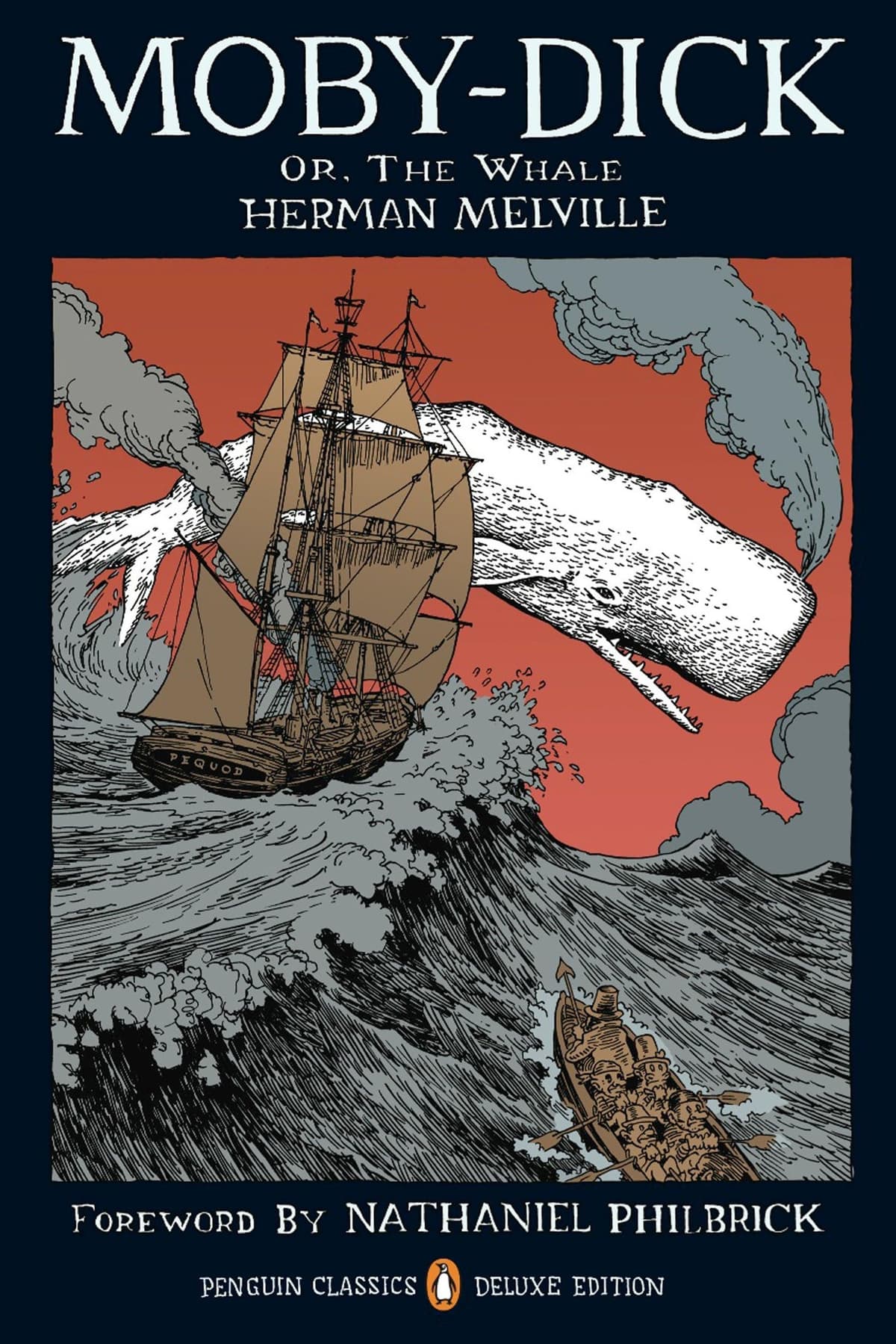 #7View Book
Moby-Dick
Herman Melville
Challenging•20-25 hours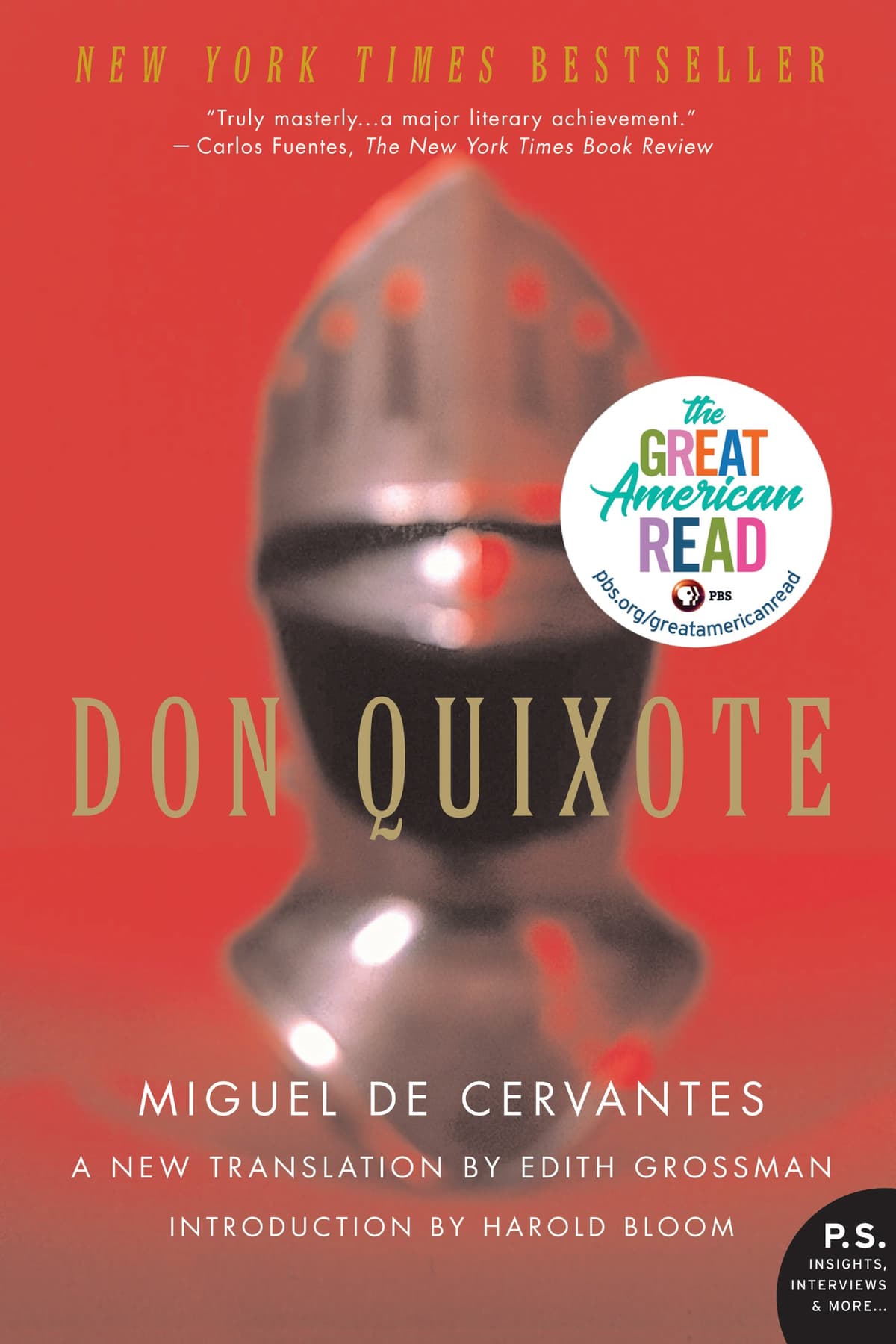 #9View Book
Don Quixote
Miguel de Cervantes
High•35-40 hours
Browse more collections