The Epic of Gilgamesh
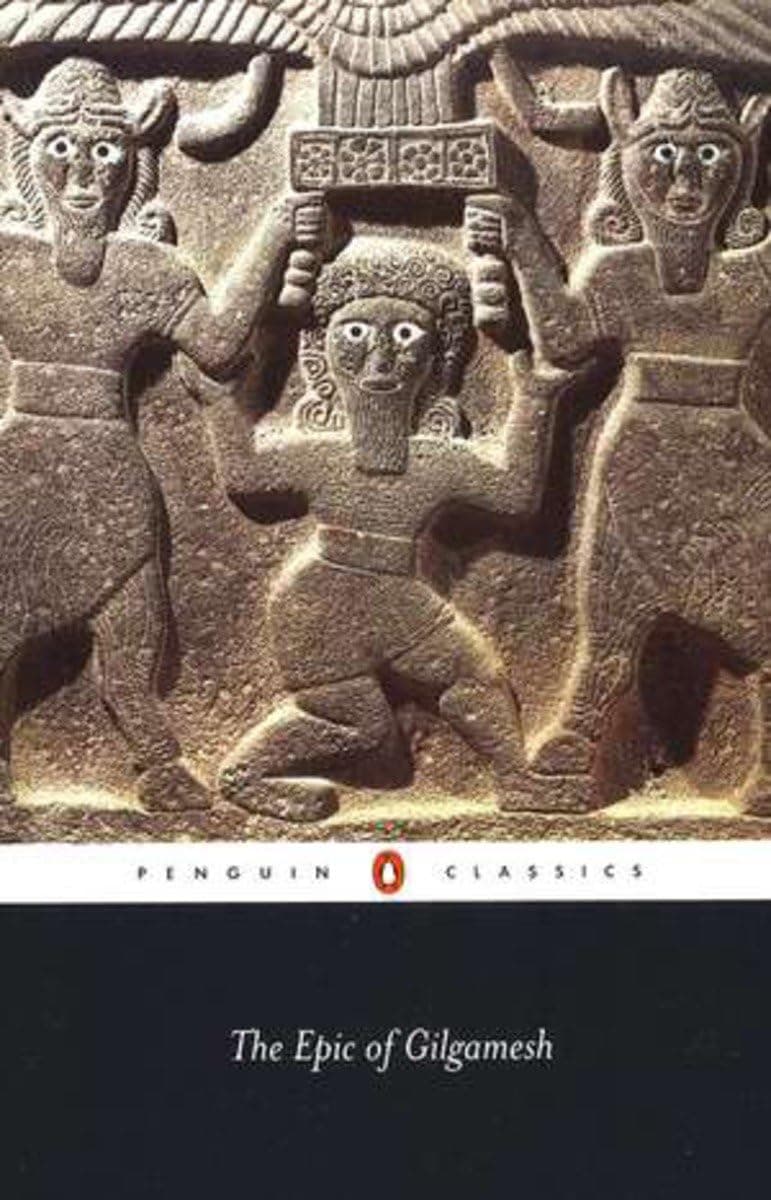
“He who has seen everything, I will make known to the lands. I will teach about him who experienced all things.”
The Epic of Gilgamesh Summary
In the ancient city of Uruk, Gilgamesh reigns as king, two-thirds divine and one-third mortal, a ruler of extraordinary strength and beauty whose restless energy and tyrannical behavior oppress his people. The gods respond to the citizens' prayers by creating Enkidu, a wild man raised among animals on the steppe, who is civilized through a transformative encounter with the temple priestess Shamhat. When Enkidu arrives in Uruk and confronts Gilgamesh in a legendary wrestling match, the two become inseparable companions. Together they embark on a quest to the Cedar Forest to slay the fearsome guardian Humbaba, and later they kill the Bull of Heaven sent by the goddess Ishtar after Gilgamesh spurns her advances. But the gods decree that Enkidu must die for these transgressions, and his slow, agonizing death plunges Gilgamesh into inconsolable grief and a desperate terror of his own mortality.
The oldest surviving work of literature in human history, composed in Sumerian and Akkadian over four thousand years ago, The Epic of Gilgamesh is a work of astonishing emotional power and philosophical depth. Gilgamesh's subsequent quest for immortality takes him to the ends of the earth, where he meets Utnapishtim, the survivor of a great flood, who reveals the futility of his search. The epic's themes of friendship, loss, the fear of death, and the acceptance of human limitation resonate across every culture and era. Its flood narrative, which predates the Biblical account by centuries, and its unflinching confrontation with mortality make it not merely a historical curiosity but a genuinely moving and profoundly relevant work of art that speaks to the most fundamental questions of human existence.
Why Read The Epic of Gilgamesh?
This is where it all begins. The Epic of Gilgamesh is the oldest surviving work of narrative literature, a story composed more than four thousand years ago on clay tablets in ancient Mesopotamia, and its power to move readers remains undiminished. The friendship between Gilgamesh and Enkidu, the devastating grief that follows Enkidu's death, and the futile quest for immortality that drives the epic's second half speak to experiences so fundamental that they transcend every barrier of time and culture. To read Gilgamesh is to encounter the very origins of storytelling itself.
As you follow Gilgamesh from arrogant tyrant to grief-stricken wanderer to chastened king, you will recognize the emotional arc that has shaped countless stories since. You will encounter the prototype of the hero's journey, the earliest meditation on what it means to be mortal, and a flood narrative that predates the Biblical version by many centuries. The epic is surprisingly accessible, brief enough to read in a single sitting, and its emotional directness cuts through the millennia with remarkable force. Reading it, you will understand that the questions that haunt us today haunted humanity at the very dawn of civilization.
About Unknown
The authorship of The Epic of Gilgamesh is attributed to no single individual, as it evolved over many centuries of oral and written tradition in ancient Mesopotamia. The earliest Sumerian poems about Gilgamesh date to approximately 2100 BCE, during the Third Dynasty of Ur. The most complete version, known as the Standard Babylonian version, is traditionally attributed to the scholar-priest Sin-leqi-unninni, who likely compiled and edited the epic around 1200 BCE during the Middle Babylonian period, though this attribution remains uncertain.
The epic was lost to history for over two thousand years until its rediscovery in the ruins of the library of Ashurbanipal at Nineveh in the mid-nineteenth century. George Smith's 1872 translation of the flood tablet caused a sensation in Victorian England, as it revealed a flood narrative strikingly similar to the Biblical story of Noah. Since then, The Epic of Gilgamesh has been recognized as one of the foundational works of world literature, a text that illuminates the spiritual and philosophical concerns of the earliest literate civilizations and continues to inspire writers, artists, and thinkers across the globe.
Reading Guide
Ranked #250 among the greatest books of all time, The Epic of Gilgamesh by Unknown has earned its place in the literary canon. Originally written in Sumerian / Akkadian and published in c. 2100–1200 BC, this moderate read from Multiple continues to resonate with readers today.
This book belongs to our Epics and Philosophy & Faith collections, where you can discover more books that share its spirit and themes.
If you enjoy moderate reads like this one, you might also like One Hundred Years of Solitude, Nineteen Eighty-Four, or Wuthering Heights.
From the Epics Collection
If you enjoyed The Epic of Gilgamesh, discover more masterpieces that share its spirit.
 #1View Book
Ulysses
James Joyce
Challenging•35-40 hours #5View Book
One Hundred Years of Solitude
Gabriel García Márquez
Moderate•15-20 hours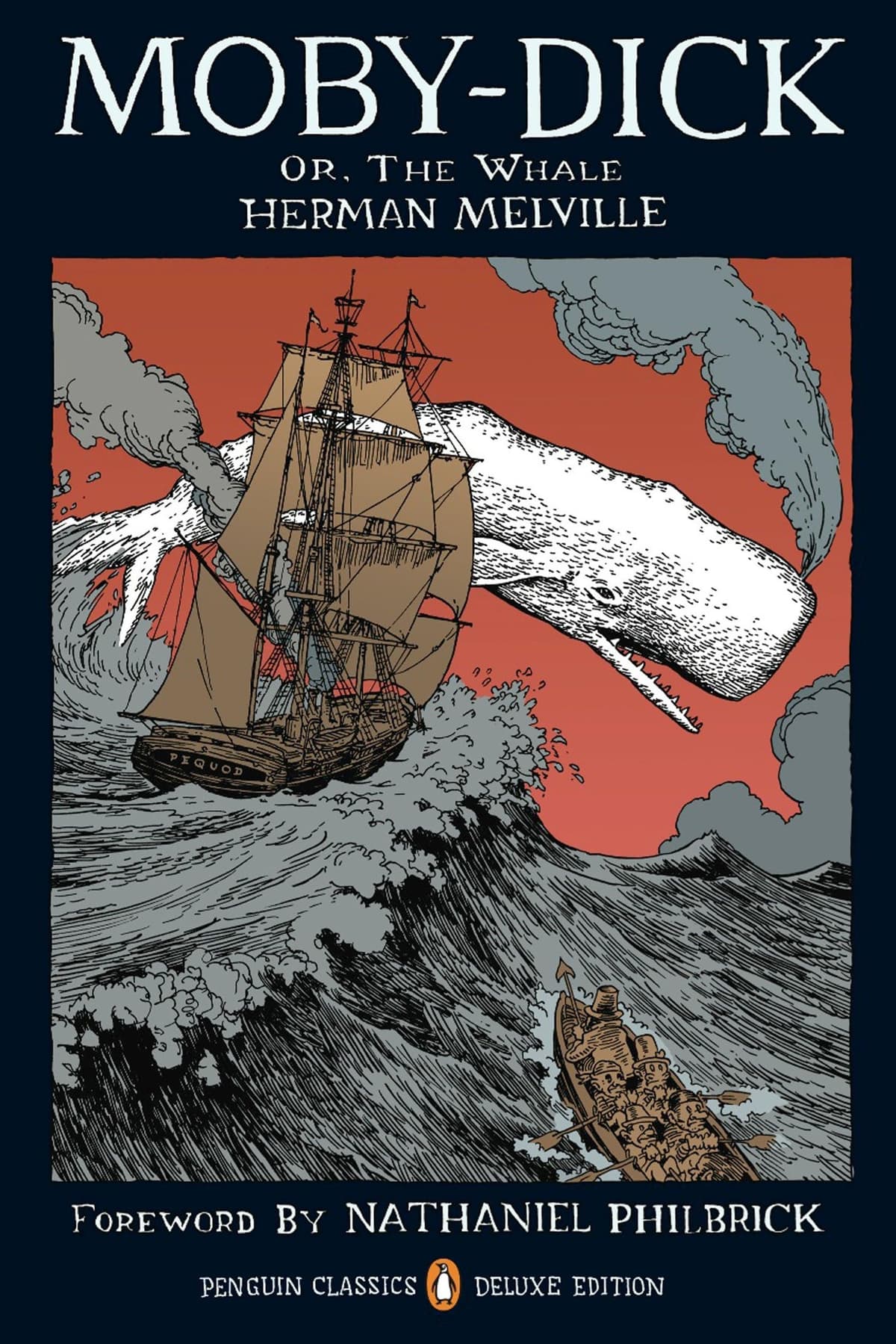 #7View Book
Moby-Dick
Herman Melville
Challenging•20-25 hours #9View Book
Don Quixote
Miguel de Cervantes
High•35-40 hours
Browse more collections