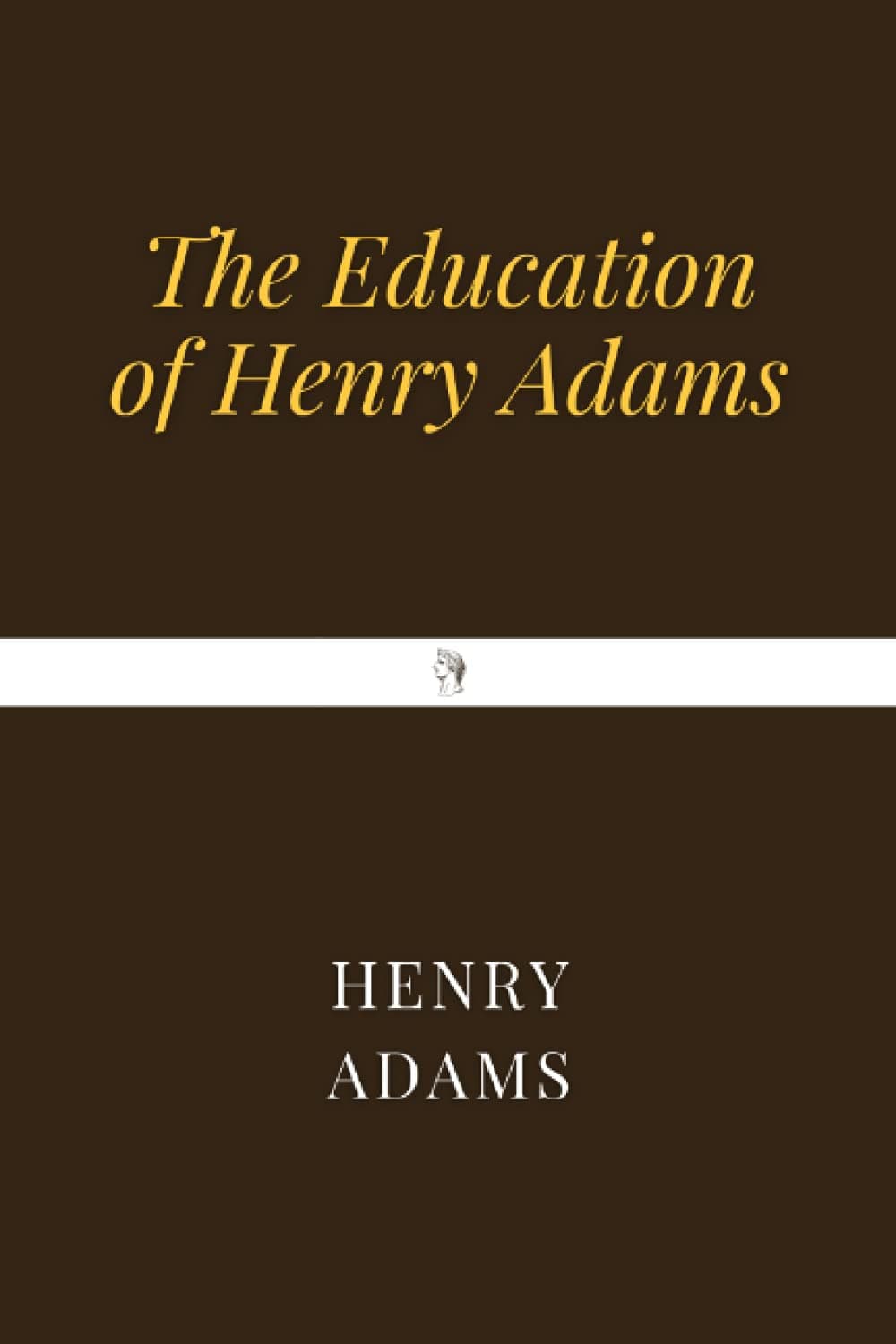
The Education of Henry Adams
“A teacher affects eternity; he can never tell where his influence stops.”
The Education of Henry Adams Summary
Written in the third person about himself, Henry Adams traces his intellectual journey from his privileged birth into one of America's most prominent political dynasties through the bewildering transformations of the late nineteenth and early twentieth centuries. Moving from Harvard classrooms to London diplomatic circles during the Civil War, from the corridors of Washington power to the great expositions of Chicago and Paris, Adams measures the widening gap between his eighteenth-century inheritance and the accelerating forces of modernity, culminating in his famous contrast between the Virgin of medieval Chartres and the Dynamo of industrial civilization.
The Education stands as one of the most original works in American literature, an autobiography that deliberately fractures the conventions of the genre by omitting twenty years of its subject's life and referring to its author as a distant, almost fictional character. Adams's prose is at once epigrammatic and expansive, laced with irony and melancholy, as he constructs a theory of history driven by the multiplication of force. The book is both a lament for a coherent world that has vanished and a prophetic meditation on the chaos of modernity, making it an indispensable text for understanding America's passage into the twentieth century.
Why Read The Education of Henry Adams?
If you have ever felt that the world is changing faster than your ability to comprehend it, you will find in Henry Adams a kindred spirit who articulated that disorientation more brilliantly than anyone before or since. His account of trying to educate himself for a world that refused to hold still speaks directly to our own age of technological acceleration, and his wit transforms what could be a despairing narrative into something genuinely exhilarating to read.
You should read The Education because it will permanently alter the way you think about the relationship between the individual mind and historical force. Adams writes with the sharpness of a novelist and the scope of a philosopher, and his central question—whether any education can prepare us for the world we actually inhabit—has only grown more urgent. This is a book that rewards every rereading, revealing new layers of irony and insight each time you return to it.
About Henry Adams
Henry Brooks Adams (1838–1918) was born into the most distinguished family in American history: his great-grandfather John Adams and grandfather John Quincy Adams both served as president, while his father Charles Francis Adams was Lincoln's minister to Britain during the Civil War. Educated at Harvard and trained in the world of diplomacy and politics, Adams spent years as a journalist, reform advocate, and professor of medieval history at Harvard before devoting himself fully to writing.
Adams's major works include the nine-volume History of the United States during the Administrations of Thomas Jefferson and James Madison, widely regarded as a masterpiece of American historical writing, and Mont-Saint-Michel and Chartres, a study of medieval unity that serves as a companion to The Education. He was awarded the Pulitzer Prize posthumously in 1919 for The Education of Henry Adams, and his influence extends across American letters, from the historical imagination of his own era to the self-reflexive memoirs and cultural criticism of the twentieth and twenty-first centuries.
Reading Guide
Ranked #364 among the greatest books of all time, The Education of Henry Adams by Henry Adams has earned its place in the literary canon. Originally written in English and published in 1907, this challenging read from United States continues to resonate with readers today.
This book belongs to our American Spirit and Philosophy & Faith collections, where you can discover more books that share its spirit and themes.
If you enjoy challenging reads like this one, you might also like Ulysses, Moby-Dick, or Lolita.
From the American Spirit Collection
If you enjoyed The Education of Henry Adams, discover more masterpieces that share its spirit.
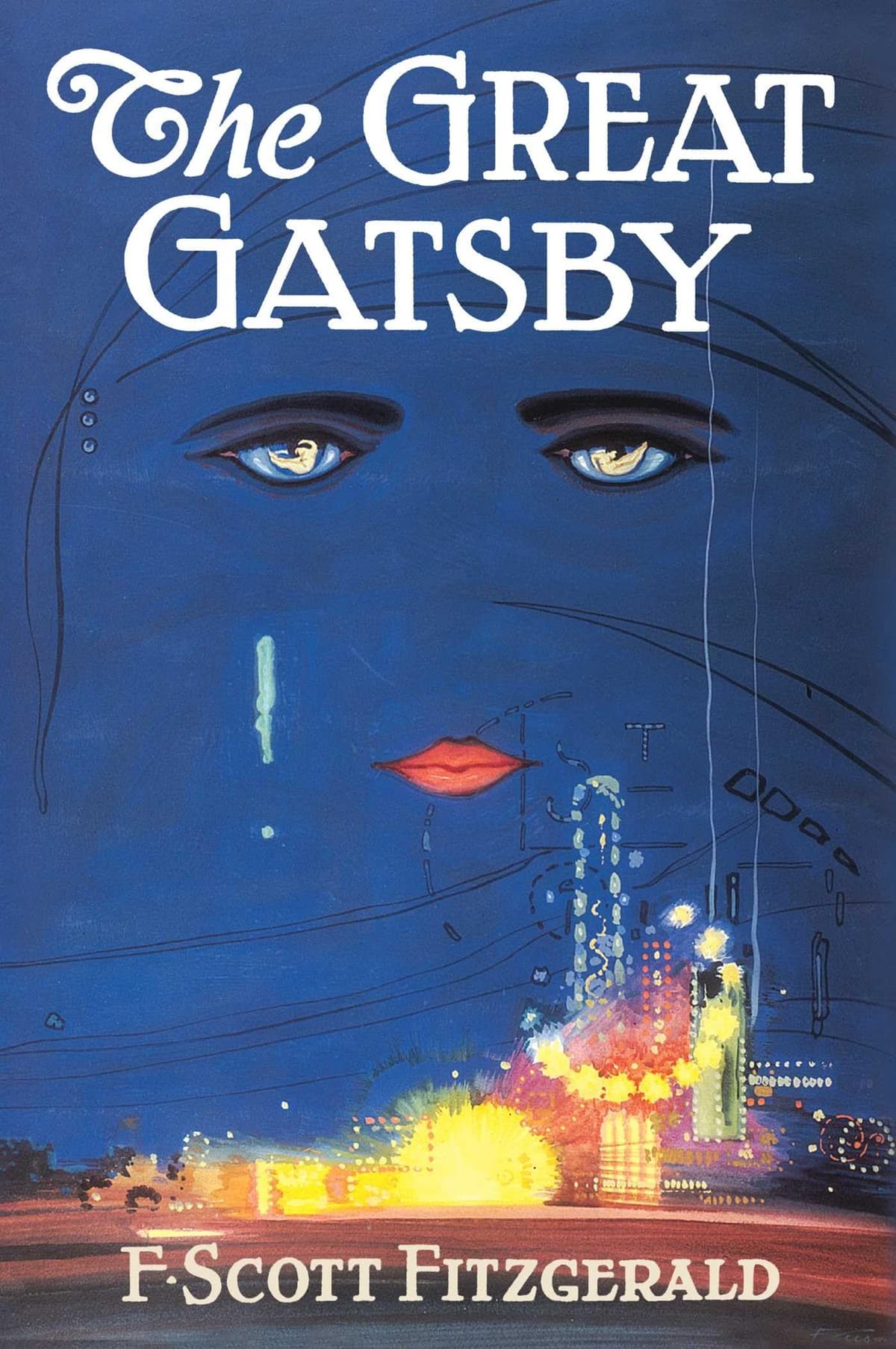 #3View Book
The Great Gatsby
F. Scott Fitzgerald
Accessible•5-6 hours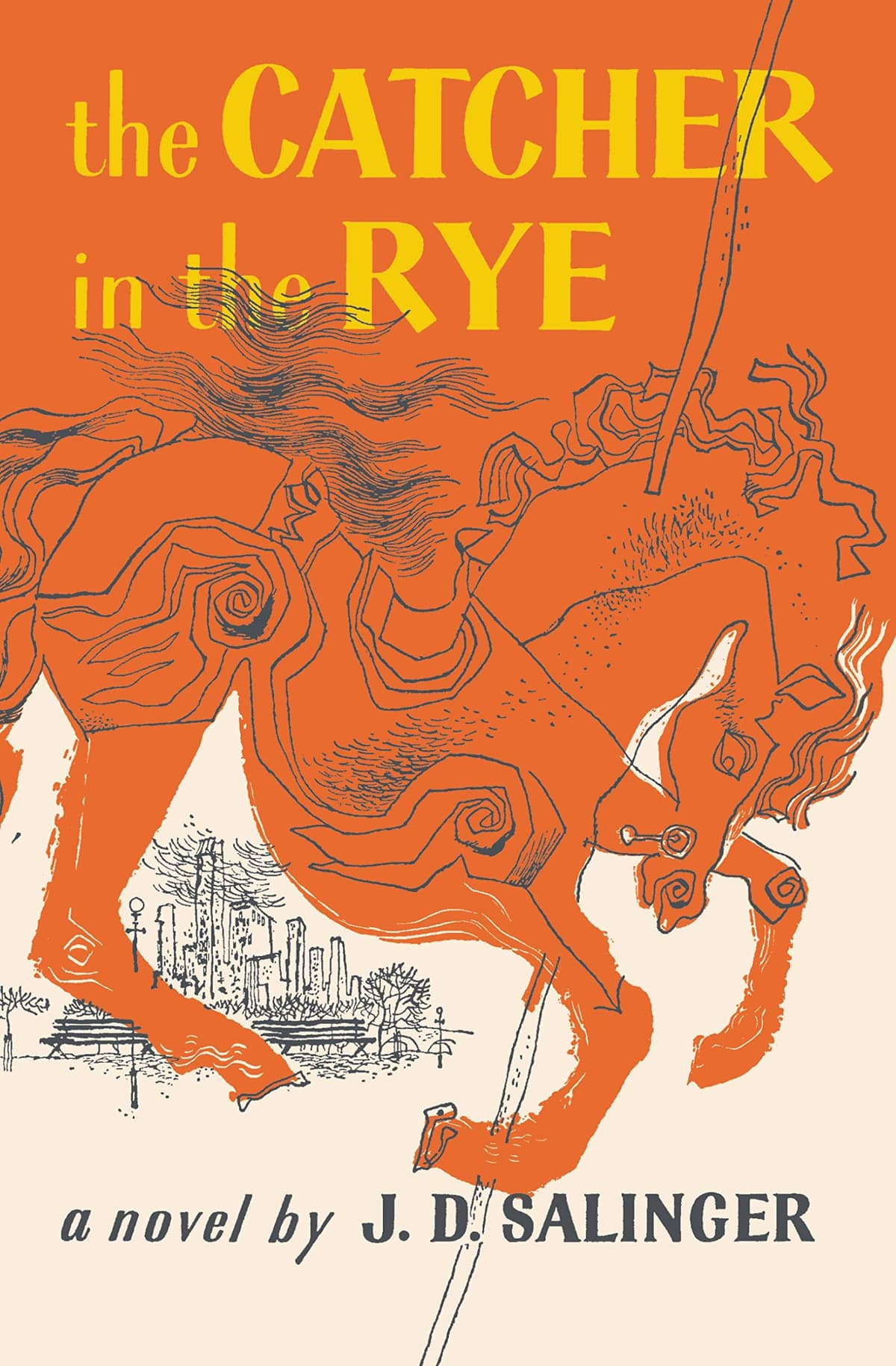 #4View Book
The Catcher in the Rye
J. D. Salinger
Accessible•6-8 hours #13View Book
Lolita
Vladimir Nabokov
Challenging•12-15 hours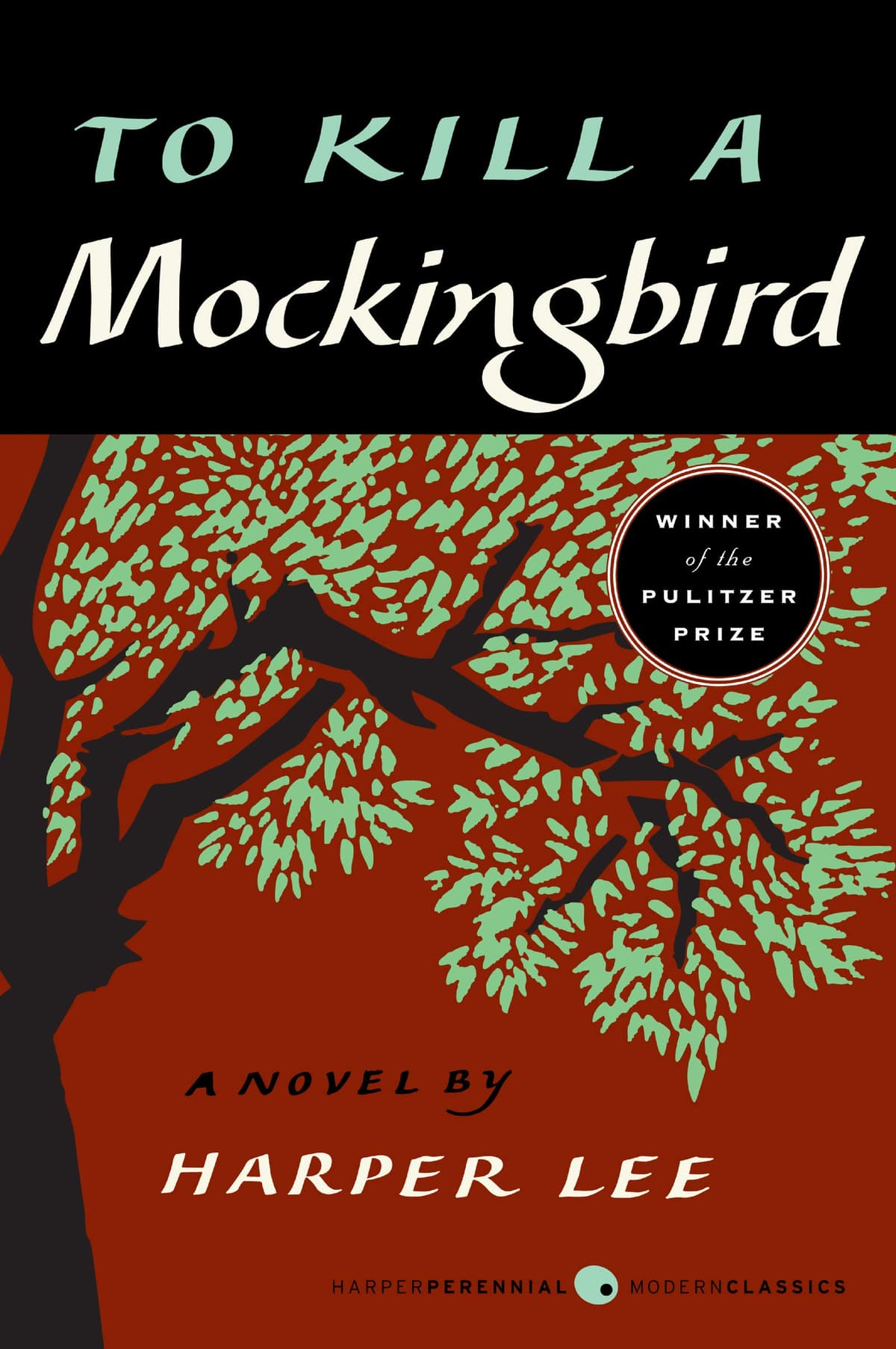 #17View Book
To Kill a Mockingbird
Harper Lee
Accessible•8-10 hours
Browse more collections