The Canterbury Tales
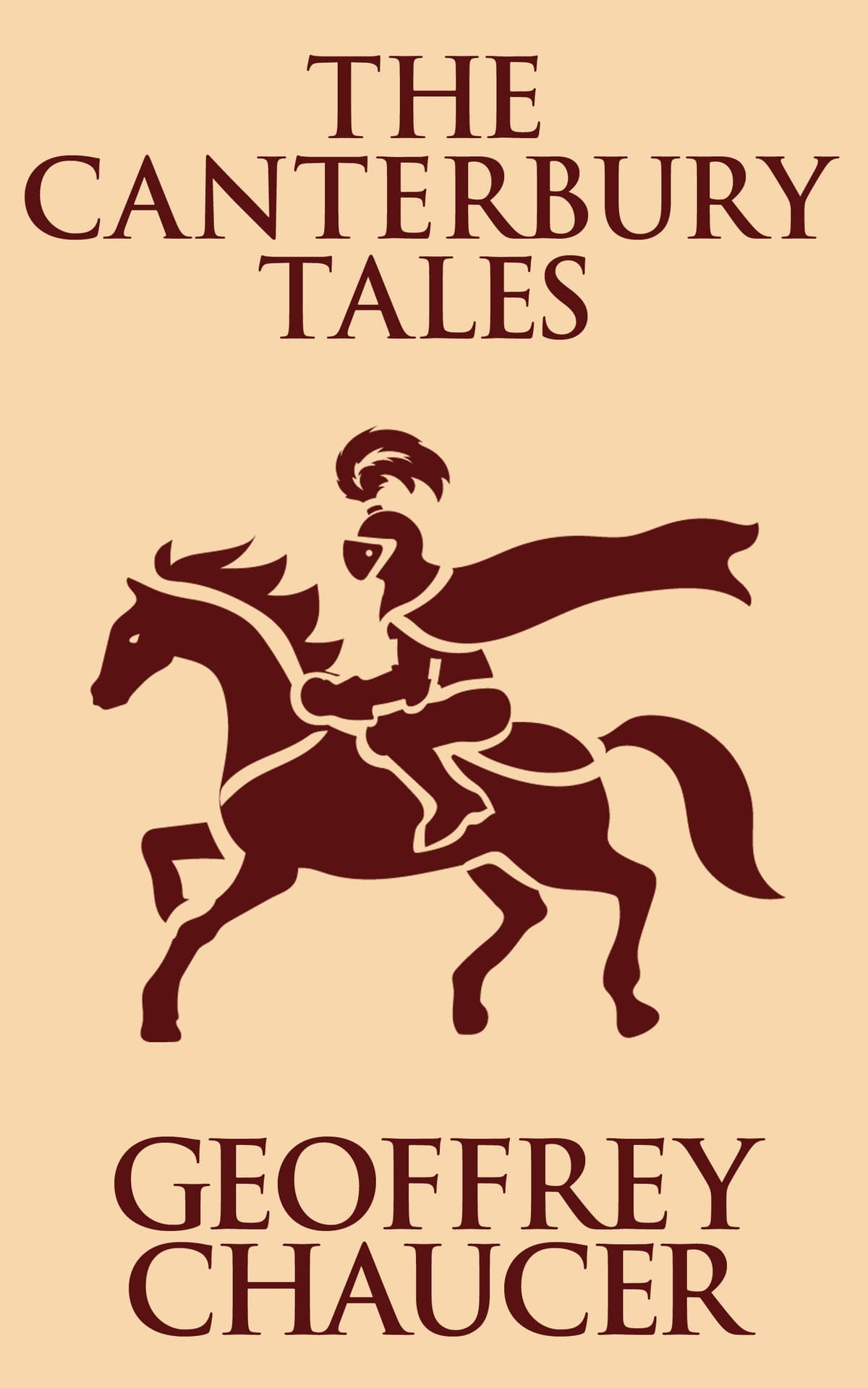
“Whan that Aprille with his shoures soote, / The droghte of March hath perced to the roote.”
The Canterbury Tales Summary
A motley company of twenty-nine pilgrims sets out from the Tabard Inn in Southwark, bound for the shrine of Thomas Becket at Canterbury. To pass the time, their host proposes a storytelling contest: each pilgrim will tell tales on the road, and the best storyteller wins a free supper. What follows is a dazzling panorama of medieval English life—from the bawdy fabliau of the Miller to the courtly romance of the Knight, from the Wife of Bath's explosive defense of female sovereignty to the Pardoner's chilling confession of his own hypocrisy.
Chaucer never finished his grand design, but what survives is the first great work of English literature: a portrait of humanity in all its contradictions—devout and lecherous, generous and greedy, wise and foolish. The Canterbury Tales is at once a literary experiment, a comedy, a social document, and a celebration of the messy, glorious variety of human experience.
Why Read The Canterbury Tales?
The Canterbury Tales is where English literature begins. Before Chaucer, serious writing in England was done in Latin or French; he chose to write in the common tongue and, in doing so, gave the English language its literary dignity. But this is no dusty relic—the Tales are riotously alive, packed with sex, fart jokes, marital warfare, and philosophical debate. The Wife of Bath alone is one of the most vivid characters in all of fiction, a five-times-married woman who refuses to apologize for her appetites.
Reading Chaucer in Middle English is a challenge, but even in modern translation, the freshness of his observation is startling. He saw through the pretensions of every class—clergy, nobility, merchants, laborers—with a wry, compassionate eye that feels astonishingly modern. The Canterbury Tales reminds us that human nature has not changed in six hundred years, and that the best literature has always been democratic, vulgar, and sublime in equal measure.
About Geoffrey Chaucer
Geoffrey Chaucer (c. 1343–1400) was a poet, diplomat, and civil servant who is often called the Father of English Literature. Born into a prosperous wine merchant's family, he served in the courts of three English kings, traveled to Italy where he encountered the works of Dante, Petrarch, and Boccaccio, and held a dizzying variety of government posts—from customs controller to Clerk of the King's Works.
Chaucer wrote in Middle English at a time when French and Latin dominated literary culture, and his choice transformed the language forever. His influence on English poetry is incalculable; Edmund Spenser called him the 'well of English undefiled,' and his decision to write in the vernacular paved the way for everything from Shakespeare to the modern novel. He is buried in Westminster Abbey, the first occupant of what became Poets' Corner.
Reading Guide
Ranked #110 among the greatest books of all time, The Canterbury Tales by Geoffrey Chaucer has earned its place in the literary canon. Originally written in Middle English and published in c. 1400, this challenging read from United Kingdom continues to resonate with readers today.
This book belongs to our Society & Satire and Epics collections, where you can discover more books that share its spirit and themes.
If you enjoy challenging reads like this one, you might also like Ulysses, Moby-Dick, or Lolita.
From the Society & Satire Collection
If you enjoyed The Canterbury Tales, discover more masterpieces that share its spirit.
 #9View Book
Don Quixote
Miguel de Cervantes
High•35-40 hours #12View Book
Pride and Prejudice
Jane Austen
Accessible•10-12 hours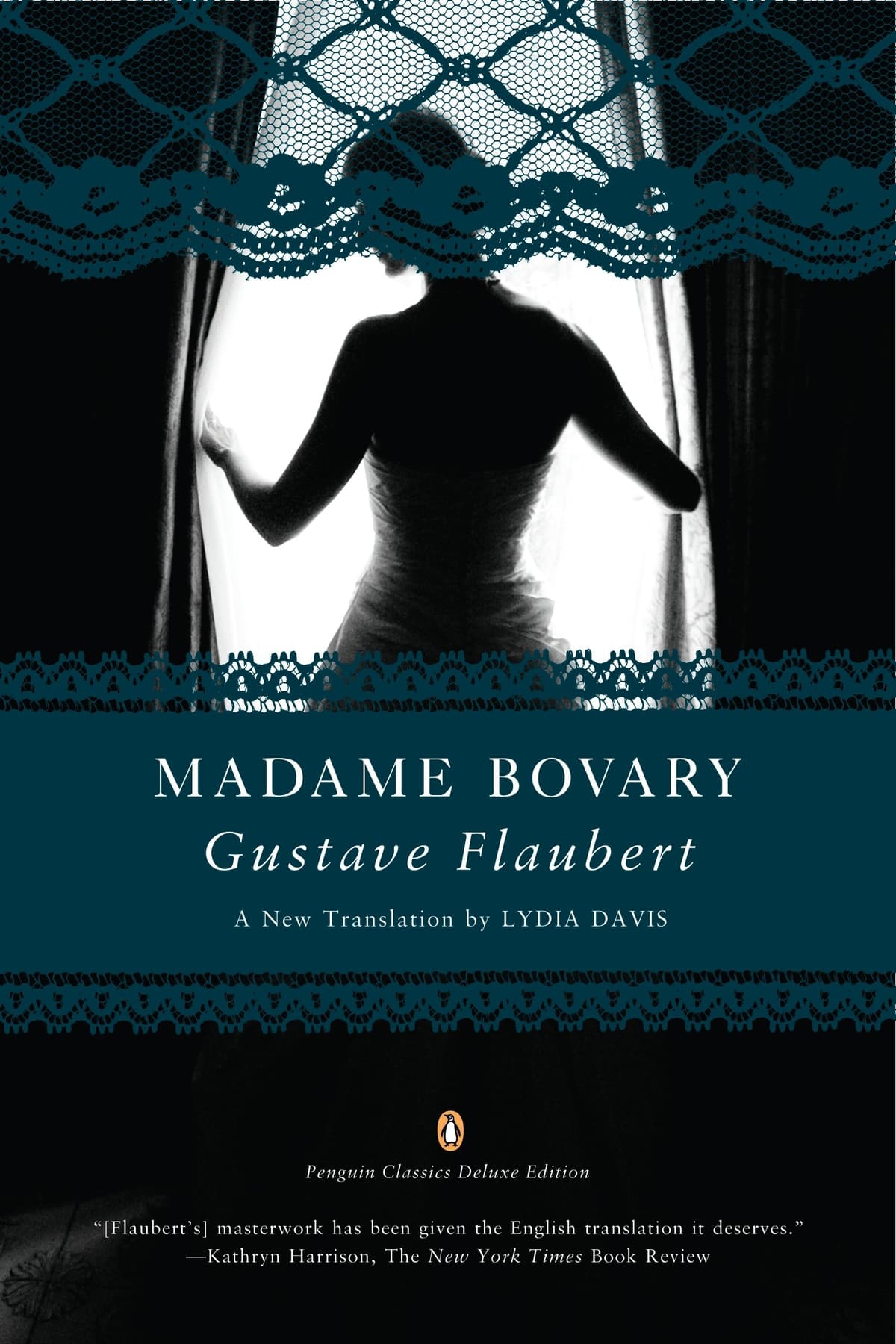 #22View Book
Madame Bovary
Gustave Flaubert
Moderate•12-15 hours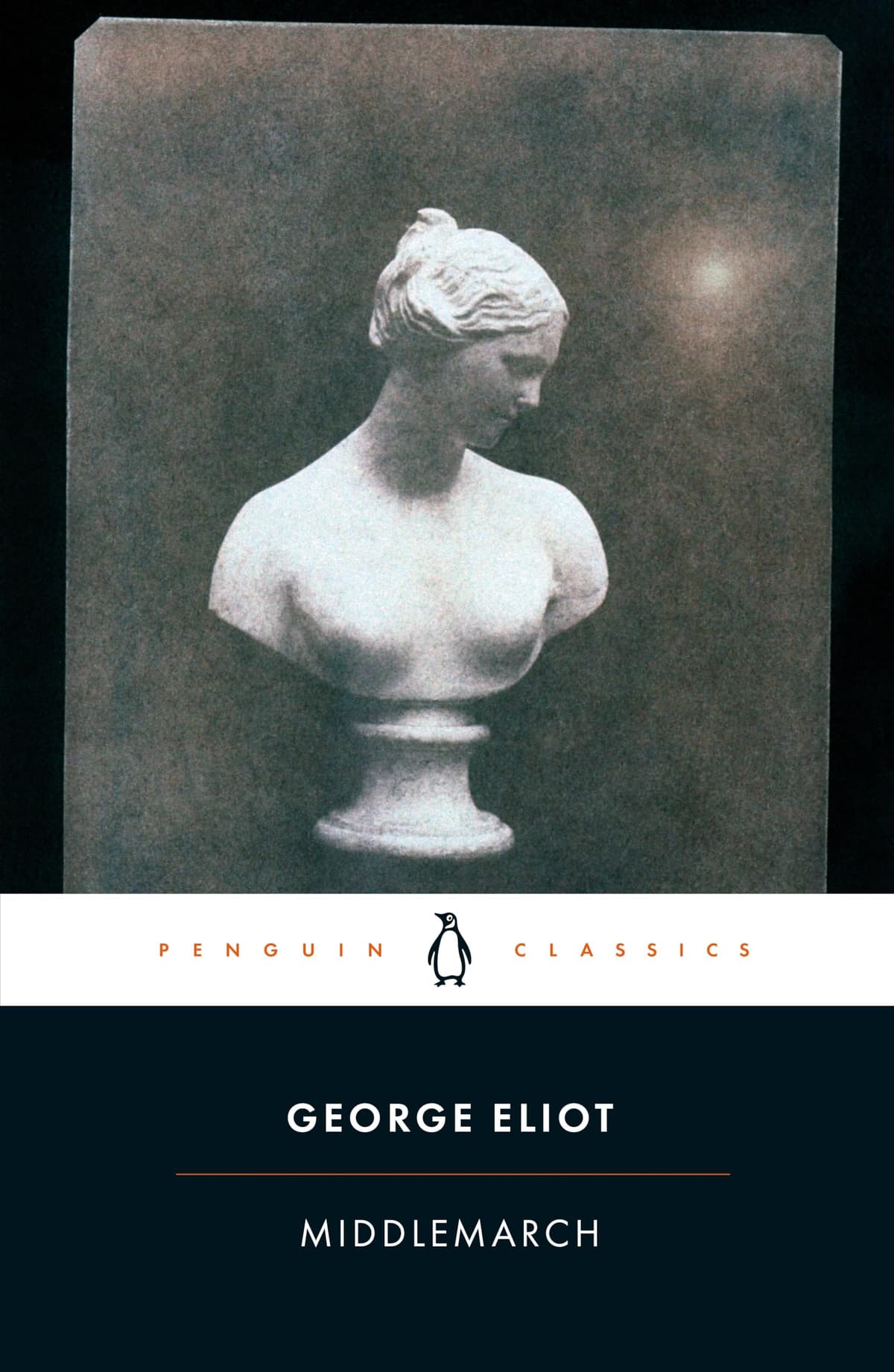 #30View Book
Middlemarch
George Eliot
High•30-35 hours
Browse more collections