The Bridge on the Drina

“Of everything that man erects and builds in his urge for living nothing is in my eyes better and more valuable than bridges.”
The Bridge on the Drina Summary
A stone bridge built by Ottoman command in the sixteenth century spans the Drina River at the Bosnian town of Visegrad, and for nearly four hundred years it stands as the silent witness to the lives, loves, wars, and catastrophes of the people who cross it. Andric's novel is not the story of any single character but the biography of the bridge itself, tracing the generations who gather on its stone sofa, the kapia at its center, to trade gossip, conduct business, fall in love, and make sense of the upheavals that sweep through their world. The narrative moves from the bridge's construction under the Grand Vizier Mehmed Pasha Sokolovic, through centuries of Ottoman rule, the arrival of the Austro-Hungarian Empire, the Balkan Wars, and finally the outbreak of the First World War, which brings the bridge and the civilization it represents to the edge of destruction. Characters appear and vanish across the generations: a Serbian boy is impaled on a stake as a warning, a beautiful girl throws herself from the bridge for love, soldiers march across it in one direction and never return.
Ivo Andric's Nobel Prize-winning masterpiece is a novel about the persistence of place in the face of historical catastrophe. The bridge is both a physical structure and a metaphor for the fragile connections between peoples, cultures, and faiths that coexist in the Balkans. Andric writes with a calm, measured authority that absorbs individual suffering into the larger rhythm of centuries, creating a narrative voice that feels almost geological in its patience. The novel's power accumulates gradually, story layered upon story, until the bridge becomes a repository of collective memory and the reader understands that what endures is not any single life but the human need to build, to gather, and to tell stories about the places where we meet.
Why Read The Bridge on the Drina?
The Bridge on the Drina is one of the great feats of historical imagination, a novel that compresses four centuries of turbulent Balkan history into a narrative of remarkable clarity and emotional power. Andric's genius is to make a stone bridge the protagonist of his story, transforming architecture into memory and geography into destiny. As you read, you will watch empires rise and fall, religions clash and coexist, and generations of ordinary people live out their lives on the same stone kapia where their grandparents once sat. The effect is both humbling and deeply moving: you come to understand that history is not an abstraction but the accumulated weight of countless individual stories.
This novel is essential for anyone who wants to understand the Balkans, but its reach extends far beyond regional history. Andric writes about what it means to live in a place where civilizations overlap and the past is never truly past, where a bridge can be simultaneously a symbol of connection and a site of violence. The prose has a Biblical patience and grandeur that makes the novel feel timeless. In a world still torn by ethnic and religious conflict, The Bridge on the Drina offers not solutions but something equally valuable: the long, compassionate view that only great literature can provide.
About Ivo Andrić
Ivo Andric was born in 1892 in Dolac, near Travnik, in Bosnia, then part of the Austro-Hungarian Empire. He was raised by relatives in Visegrad, the town whose bridge would become the centerpiece of his greatest novel. As a young man, he was involved in the South Slav nationalist movement and was imprisoned by the Austro-Hungarian authorities during the First World War. He studied history and philosophy in Zagreb, Vienna, Krakow, and Graz, and entered the Yugoslav diplomatic service, serving as ambassador to Nazi Germany before the outbreak of the Second World War.
During the German occupation of Belgrade, Andric withdrew from public life and wrote the three novels that would establish his international reputation: The Bridge on the Drina, Bosnian Chronicle, and The Woman from Sarajevo, all published in 1945. He was awarded the Nobel Prize in Literature in 1961 for the epic force with which he traced themes and depicted human destinies drawn from the history of his country. Andric's work is distinguished by its panoramic historical vision, its compassionate understanding of the cultural complexities of the Balkans, and its prose style of classical simplicity and authority. He continued writing until his death in 1975 in Belgrade, revered as the greatest writer of the South Slavic literary tradition.
Reading Guide
Ranked #414 among the greatest books of all time, The Bridge on the Drina by Ivo Andrić has earned its place in the literary canon. Originally written in Serbo-croatian and published in 1945, this moderate read from Bosnia and Herzegovina continues to resonate with readers today.
This book belongs to our Epics collection, where you can discover more books that share its spirit and themes.
If you enjoy moderate reads like this one, you might also like One Hundred Years of Solitude, Nineteen Eighty-Four, or Wuthering Heights.
From the Epics Collection
If you enjoyed The Bridge on the Drina, discover more masterpieces that share its spirit.
 #1View Book
Ulysses
James Joyce
Challenging•35-40 hours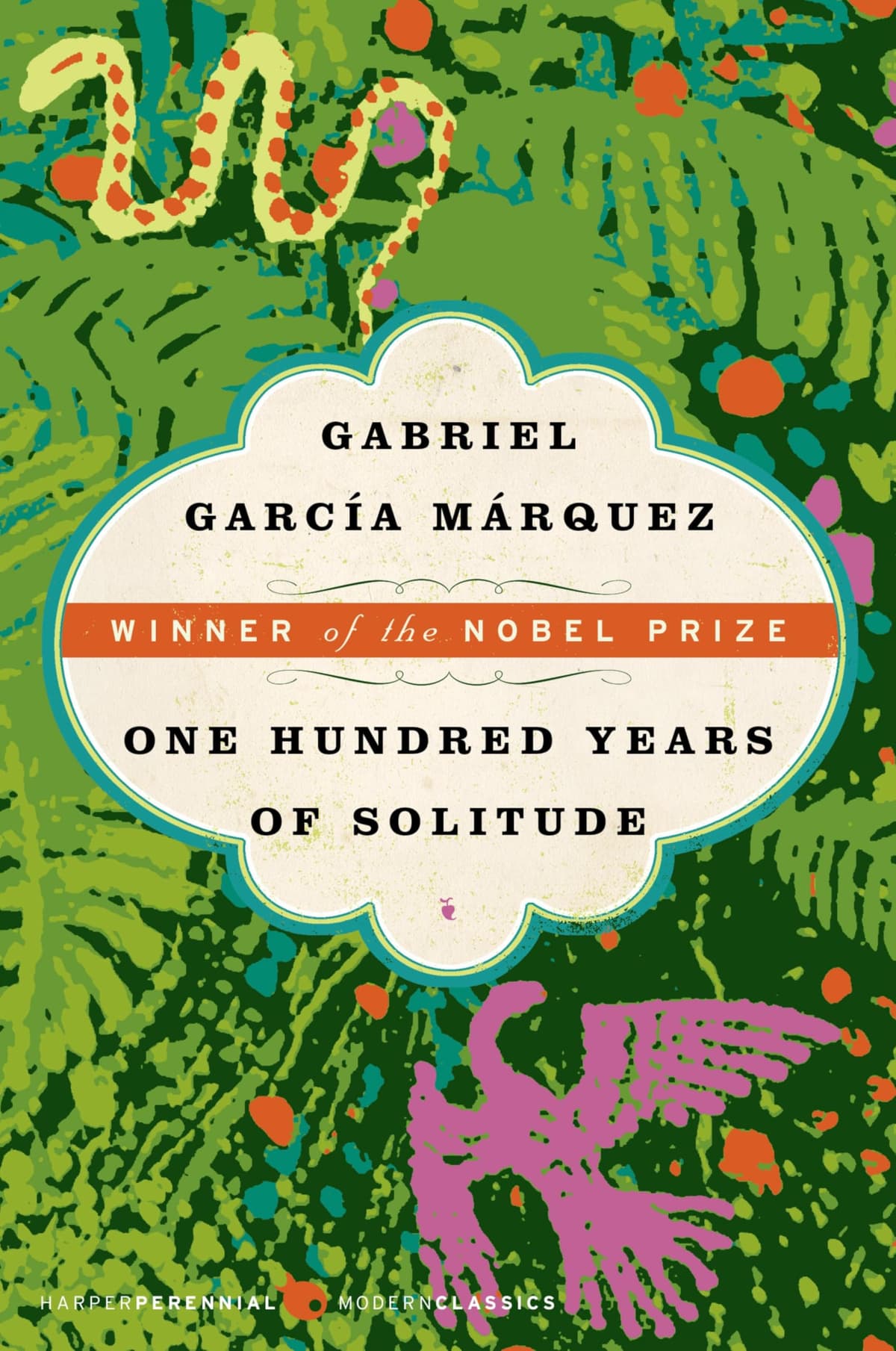 #5View Book
One Hundred Years of Solitude
Gabriel García Márquez
Moderate•15-20 hours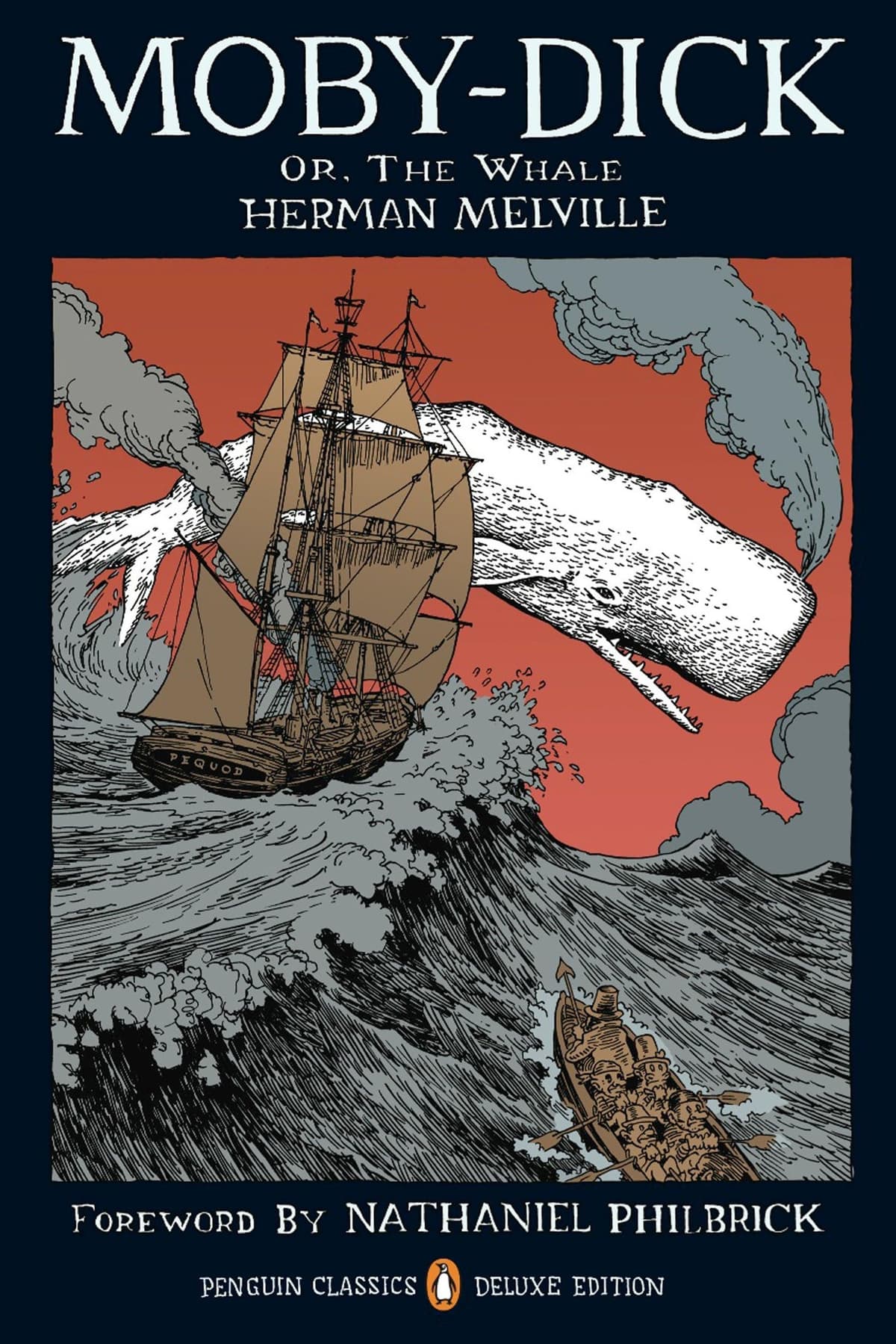 #7View Book
Moby-Dick
Herman Melville
Challenging•20-25 hours #9View Book
Don Quixote
Miguel de Cervantes
High•35-40 hours
Browse more collections