Slaughterhouse-Five
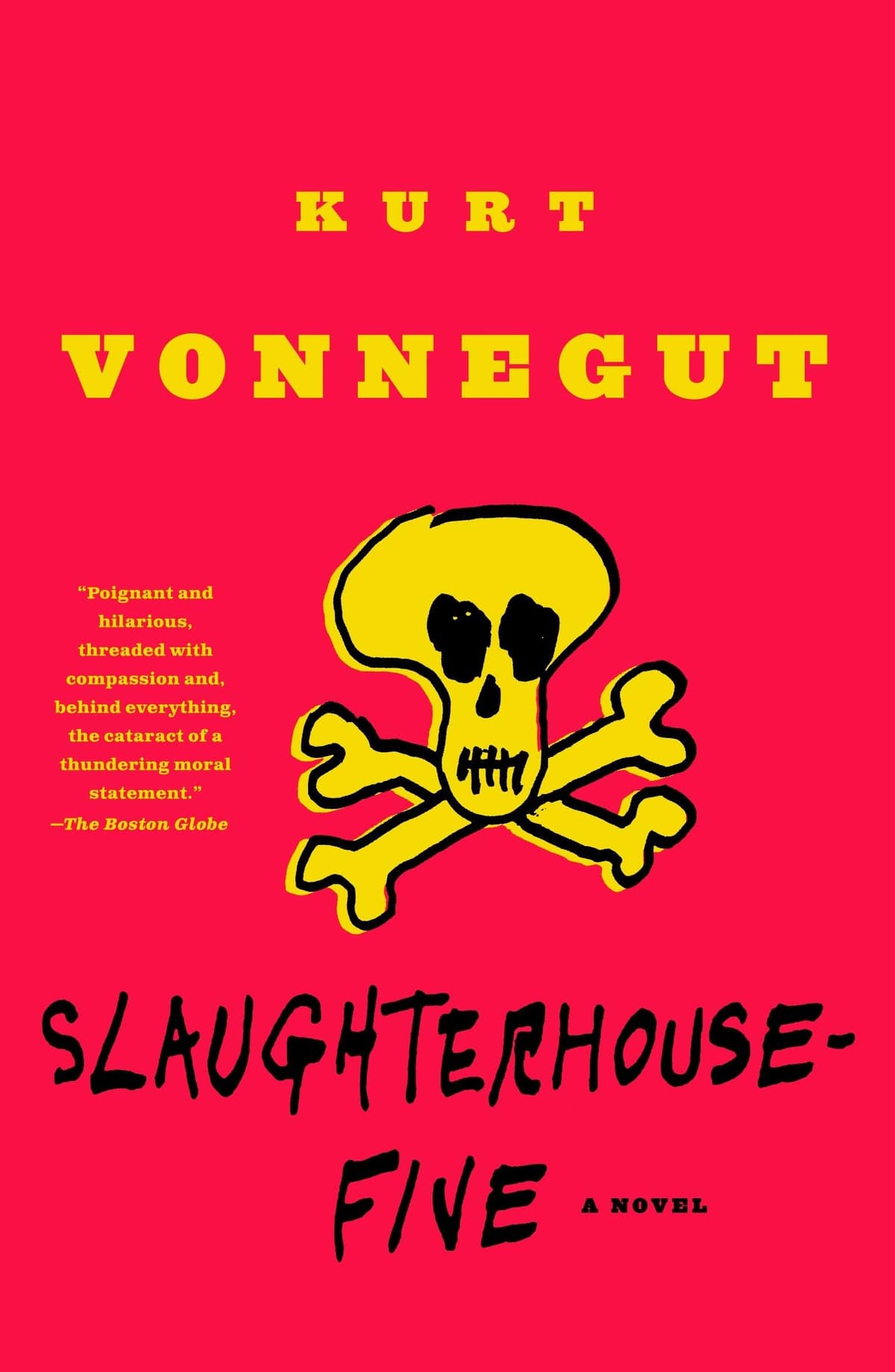
“Everything was beautiful and nothing hurt.”
Slaughterhouse-Five Summary
Billy Pilgrim has come unstuck in time. One moment he is a bewildered American prisoner of war in Dresden in 1945, sheltering in an underground slaughterhouse as Allied firebombs incinerate the city above. The next, he is a middle-aged optometrist in Ilium, New York, or a human exhibit in a zoo on the planet Tralfamadore, where aliens who perceive all moments simultaneously teach him that free will is an illusion and death is just another moment.
Vonnegut's masterpiece is a novel about the impossibility of writing about war. Its famous refrain—"So it goes"—follows every death in the book, whether of a man, a city, or a bottle of champagne. The flatness of the phrase is the point: trauma has robbed Billy of the ability to feel, and Vonnegut of the ability to make sense of what he witnessed. The result is a fractured, darkly comic, deeply humane novel that captures the experience of surviving the unsurvivable.
Why Read Slaughterhouse-Five?
Slaughterhouse-Five is the book Vonnegut spent twenty-five years trying to write—his attempt to bear witness to the firebombing of Dresden, which he survived as a prisoner of war. He tried to write it as a straightforward war novel and failed. He tried journalism and failed. In the end, the only way he could tell the truth about Dresden was to shatter time, abduct his hero to an alien planet, and pretend that none of it mattered. The evasion is the confession.
The novel's genius lies in its deceptive simplicity. Vonnegut's prose is so clean, so childlike in its directness, that you can read the entire book in an afternoon. But its images—the corpse mines beneath Dresden, the syrup of death that runs through every page disguised as a shrug—lodge in the mind and refuse to leave. "So it goes" starts as a joke and ends as a prayer. It is one of the most powerful anti-war books ever written, precisely because it refuses to be an anti-war book.
About Kurt Vonnegut
Kurt Vonnegut (1922–2007) was an American novelist who survived the firebombing of Dresden as a prisoner of war and spent the rest of his life trying to make sense of it. His unique voice—wry, tender, despairing, funny—made him one of the most beloved American writers of the twentieth century. His novels, including Cat's Cradle, Breakfast of Champions, and Slaughterhouse-Five, blend science fiction, satire, and moral philosophy into something entirely his own.
Vonnegut was the rare literary figure who was embraced by both the counterculture and the mainstream. His simple drawings, his recurring characters, and his deadpan one-liners became part of the fabric of American culture. He wrote like a man who had seen the worst the world could do and decided that the only sane response was kindness—and jokes.
Reading Guide
Ranked #81 among the greatest books of all time, Slaughterhouse-Five by Kurt Vonnegut has earned its place in the literary canon. Originally written in English and published in 1969, this accessible read from United States continues to resonate with readers today.
This book belongs to our Modern Mind and Speculative Futures collections, where you can discover more books that share its spirit and themes.
If you enjoy accessible reads like this one, you might also like The Great Gatsby, The Catcher in the Rye, or Pride and Prejudice.
From the Modern Mind Collection
If you enjoyed Slaughterhouse-Five, discover more masterpieces that share its spirit.
 #1View Book
Ulysses
James Joyce
Challenging•35-40 hours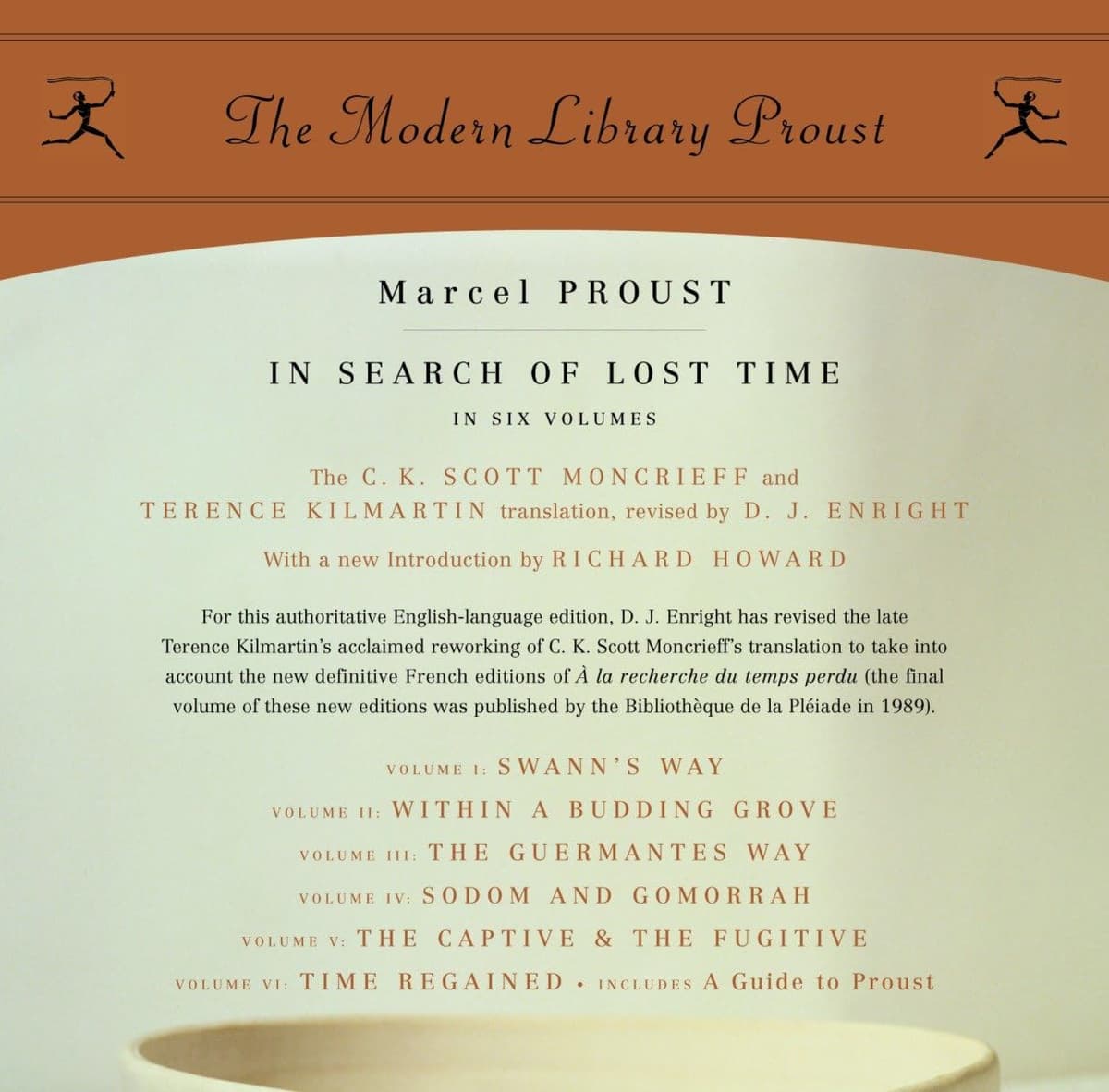 #2View Book
In Search of Lost Time
Marcel Proust
High•100+ hours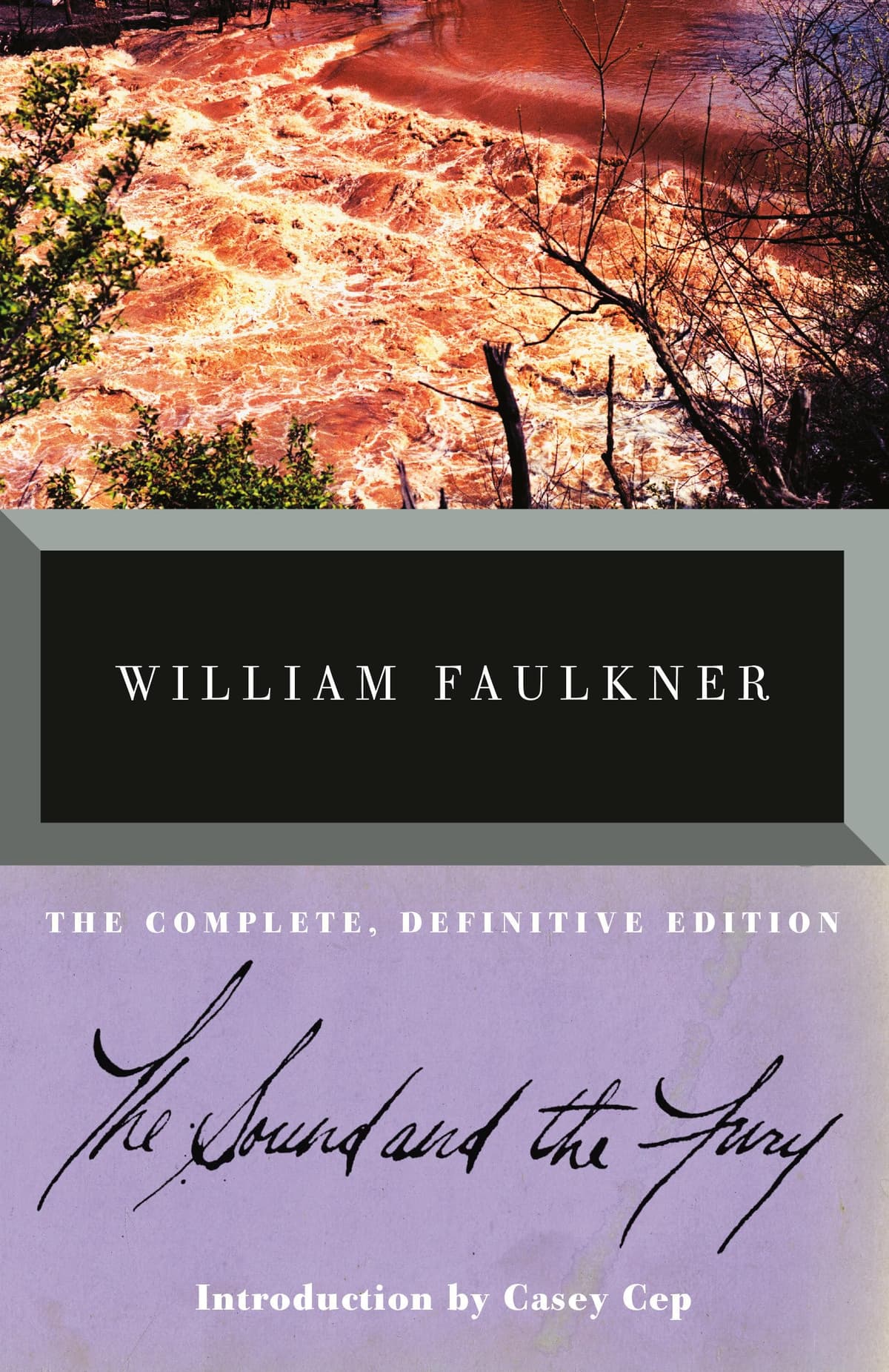 #8View Book
The Sound and the Fury
William Faulkner
Very High•12-15 hours #13View Book
Lolita
Vladimir Nabokov
Challenging•12-15 hours
Browse more collections