Pale Fire
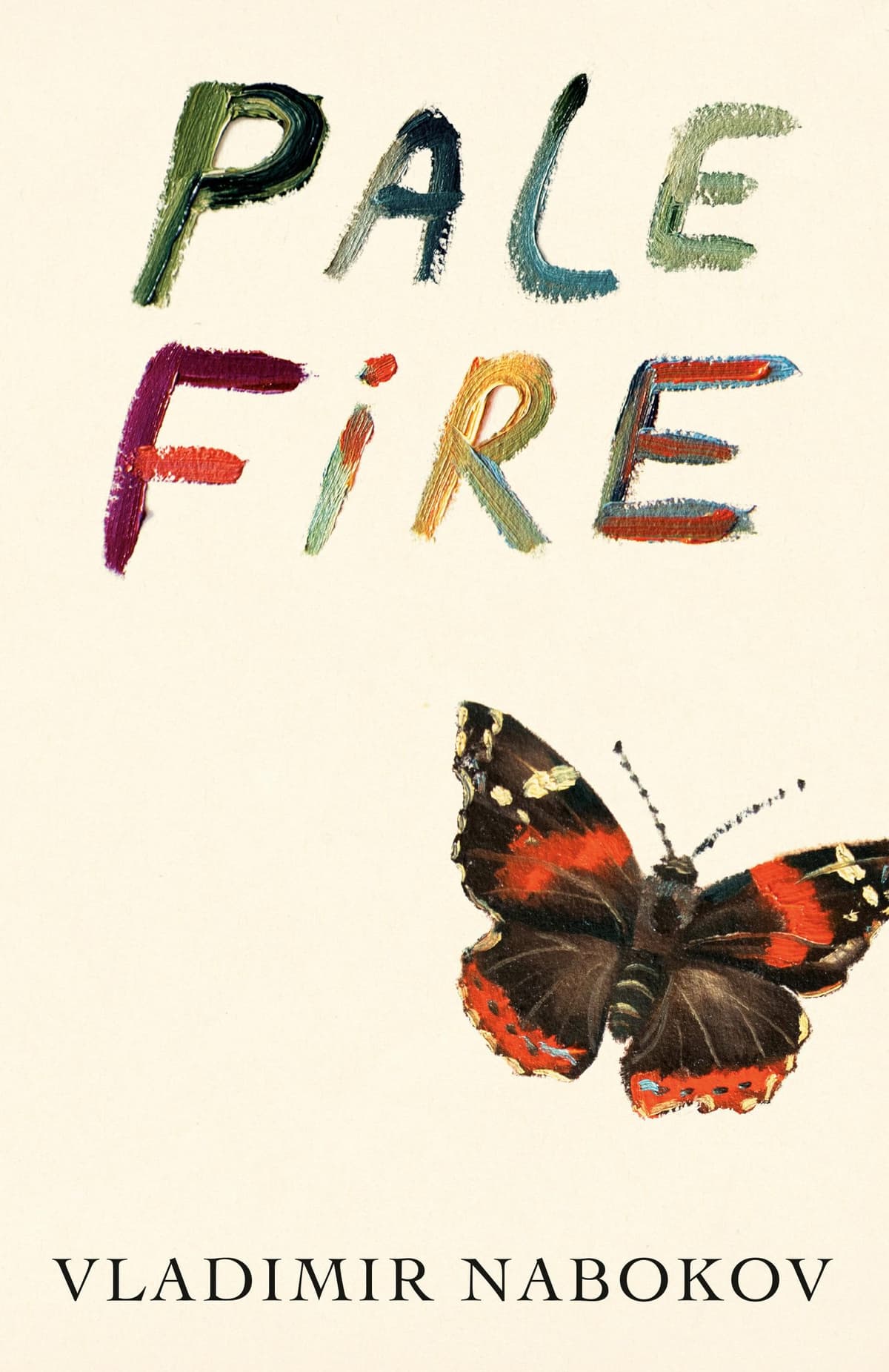
“I was the shadow of the waxwing slain / By the false azure in the windowpane.”
Pale Fire Summary
The novel presents itself as a 999-line poem by the recently murdered American poet John Shade, accompanied by a sprawling, increasingly unhinged commentary by his neighbor and self-appointed editor, Charles Kinbote. Shade's poem is a moving meditation on the death of his daughter, the mystery of the afterlife, and the consolations of ordinary existence. Kinbote's notes, however, have almost nothing to do with the poem. Instead, they tell the fantastical story of Charles the Beloved, the exiled king of Zembla, a far-northern land of intrigue and revolution—a story that Kinbote insists was the poem's true subject.
The result is one of the most dazzling literary puzzles ever constructed. Is Kinbote a delusional madman who has hijacked a dead man's poem? Is he truly the exiled king he claims to be? Or is the entire novel the invention of some third consciousness entirely? Nabokov offers no answers, only an endlessly refracted hall of mirrors in which art, madness, and reality become indistinguishable.
Why Read Pale Fire?
Pale Fire is the most playful serious novel in the English language—or the most serious playful one. On its surface, it is a literary game of breathtaking ingenuity: a novel disguised as a poem with commentary, where the commentary devours the poem and the commentator may be insane. But beneath the fireworks of form is a deeply moving meditation on grief, exile, loneliness, and the way art transforms the raw material of suffering into beauty.
To read Pale Fire is to experience the thrill of discovery. Every rereading reveals new connections, new jokes, new depths. Nabokov constructed the novel as a crystalline lattice in which every detail interlocks, and the pleasure of tracing those connections is unlike anything else in literature. It is a book that makes you feel like a genius for reading it—and then reminds you, with a sly wink, that you have probably missed half of what is there.
About Vladimir Nabokov
Vladimir Nabokov (1899–1977) was born into an aristocratic Russian family in St. Petersburg, fled the Revolution, was educated at Cambridge, and spent two decades as an émigré writer in Berlin and Paris before emigrating to America in 1940. He wrote masterfully in both Russian and English—one of the very few authors to achieve greatness in two languages.
Lolita made him famous and financially independent; Pale Fire, Ada, and his earlier Russian novels—The Gift, Invitation to a Beheading, The Defense—secured his reputation as one of the supreme prose stylists of the twentieth century. He was also a distinguished lepidopterist whose butterfly discoveries are housed in Harvard's Museum of Comparative Zoology. He spent his final years in a suite at the Montreux Palace hotel in Switzerland, writing, hunting butterflies, and composing chess problems.
Reading Guide
Ranked #80 among the greatest books of all time, Pale Fire by Vladimir Nabokov has earned its place in the literary canon. Originally written in English and published in 1962, this challenging read from United States continues to resonate with readers today.
This book belongs to our Modern Mind collection, where you can discover more books that share its spirit and themes.
If you enjoy challenging reads like this one, you might also like Ulysses, Moby-Dick, or Lolita.
From the Modern Mind Collection
If you enjoyed Pale Fire, discover more masterpieces that share its spirit.
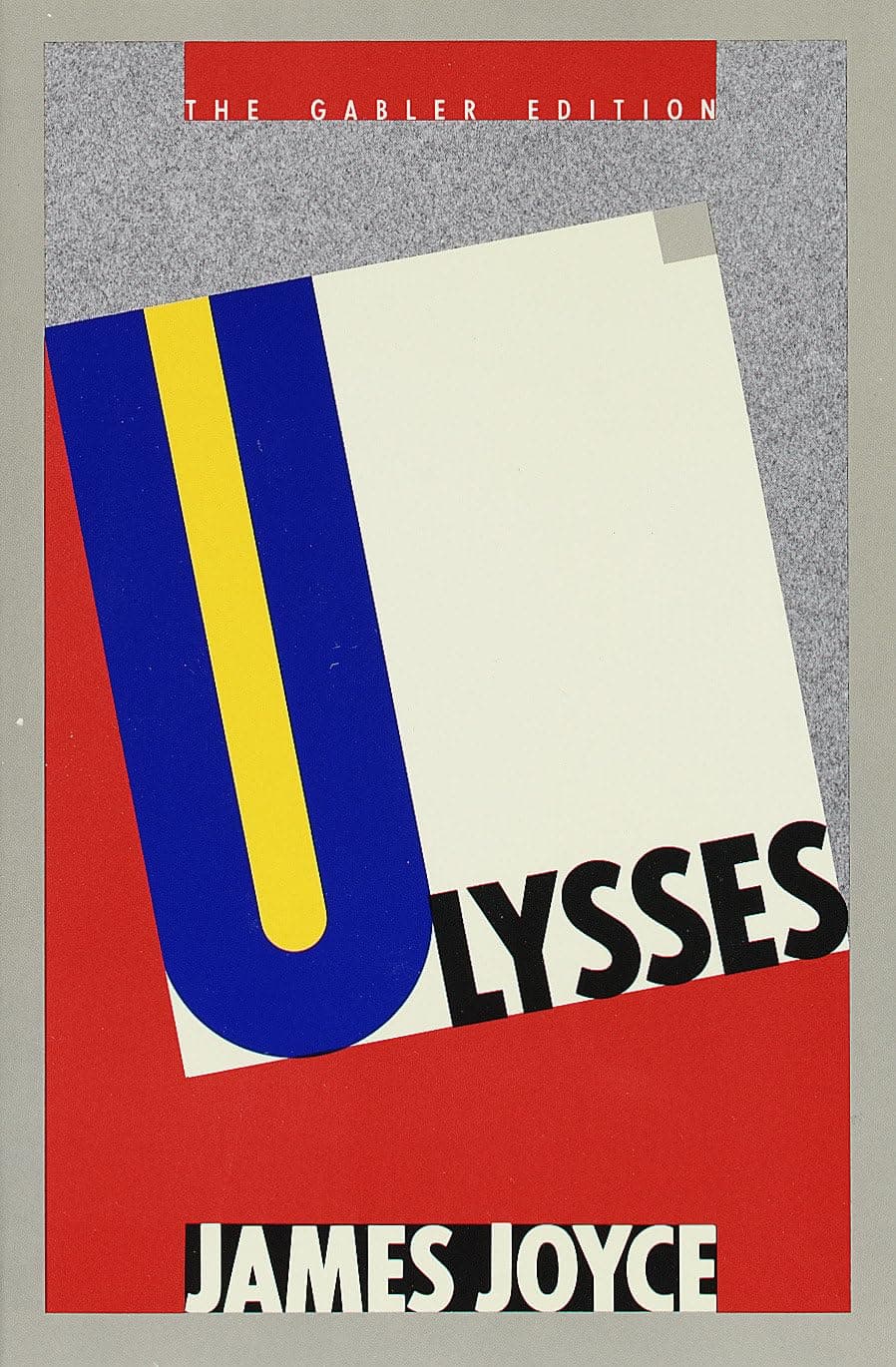 #1View Book
Ulysses
James Joyce
Challenging•35-40 hours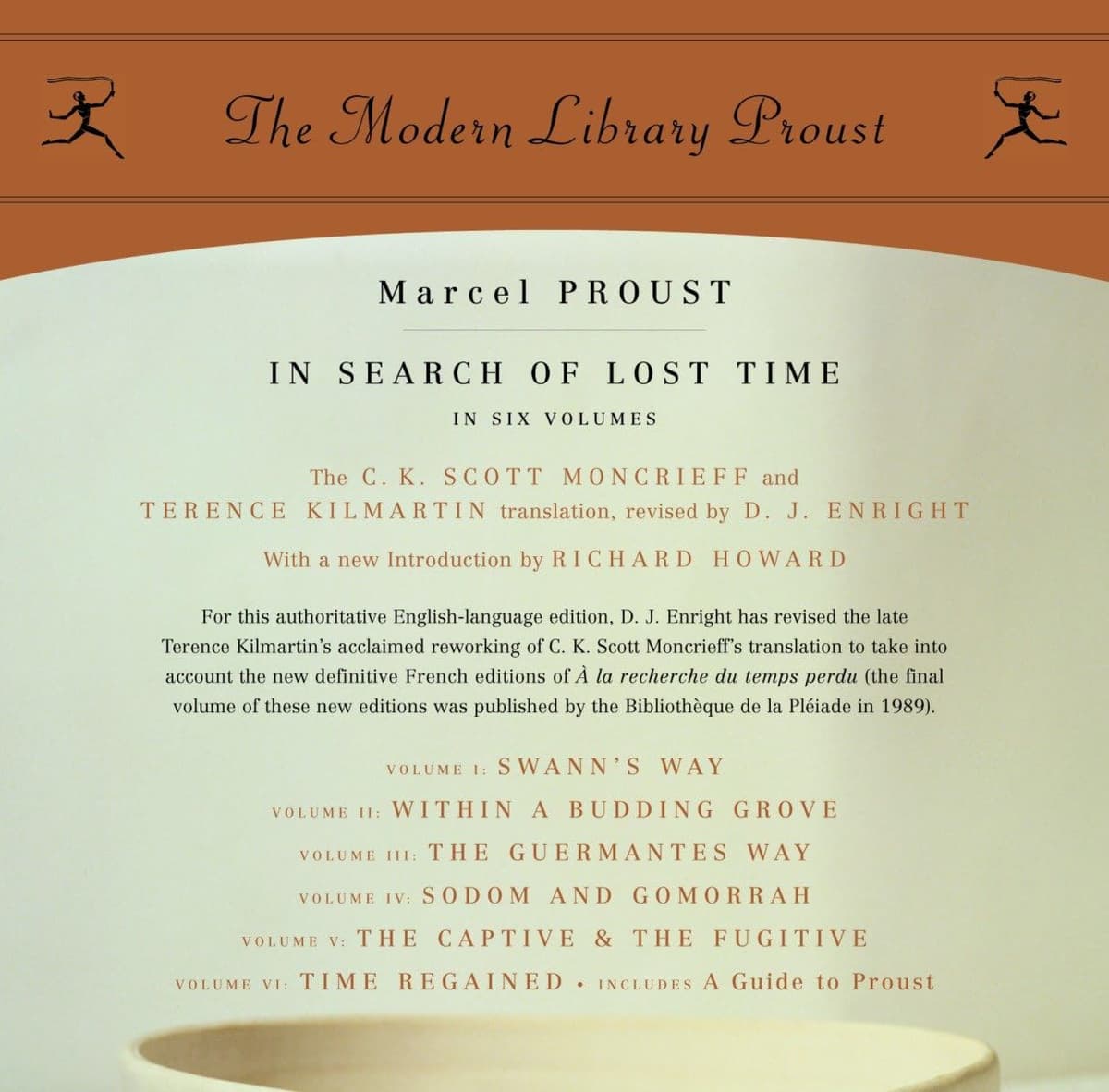 #2View Book
In Search of Lost Time
Marcel Proust
High•100+ hours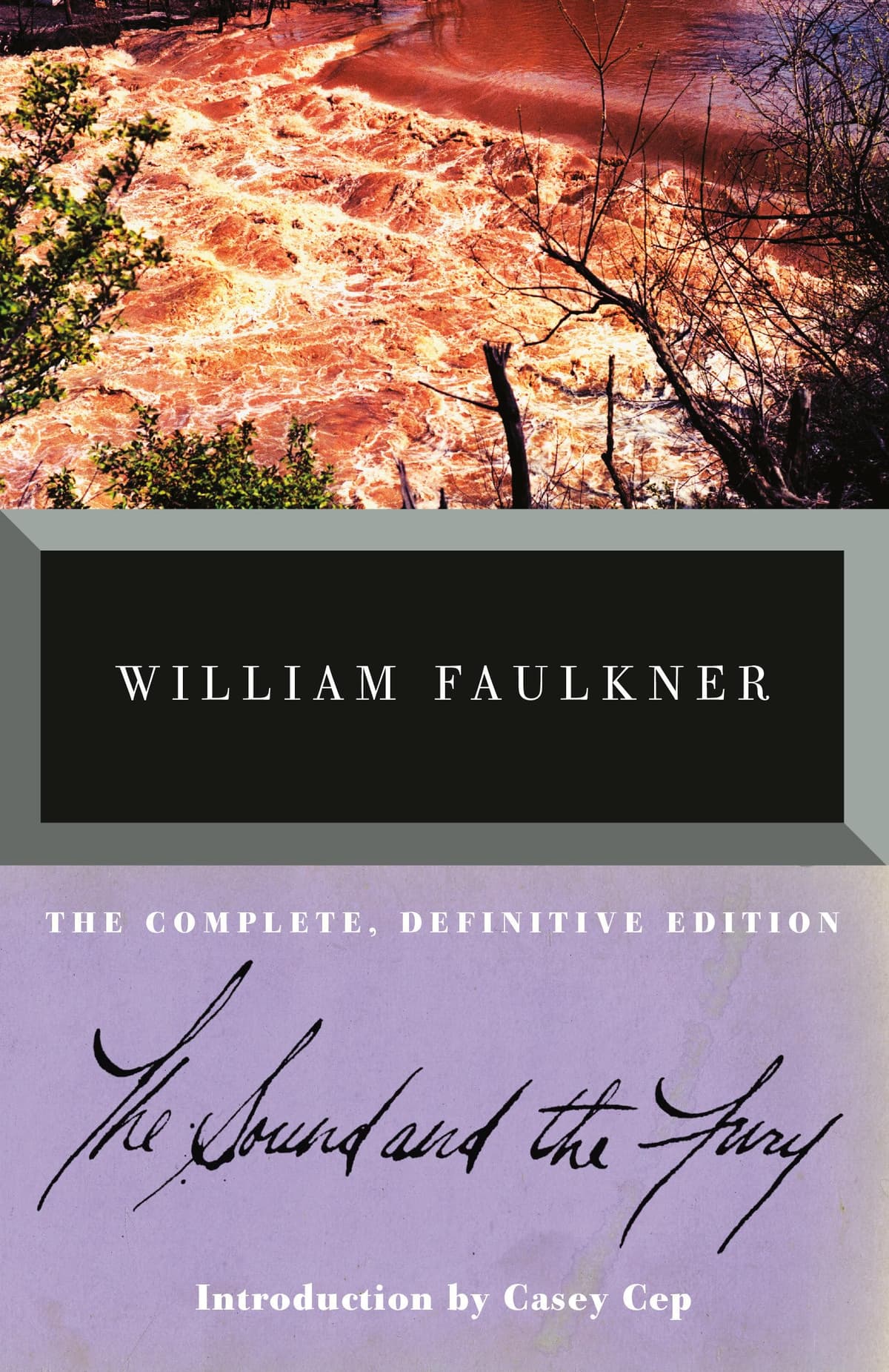 #8View Book
The Sound and the Fury
William Faulkner
Very High•12-15 hours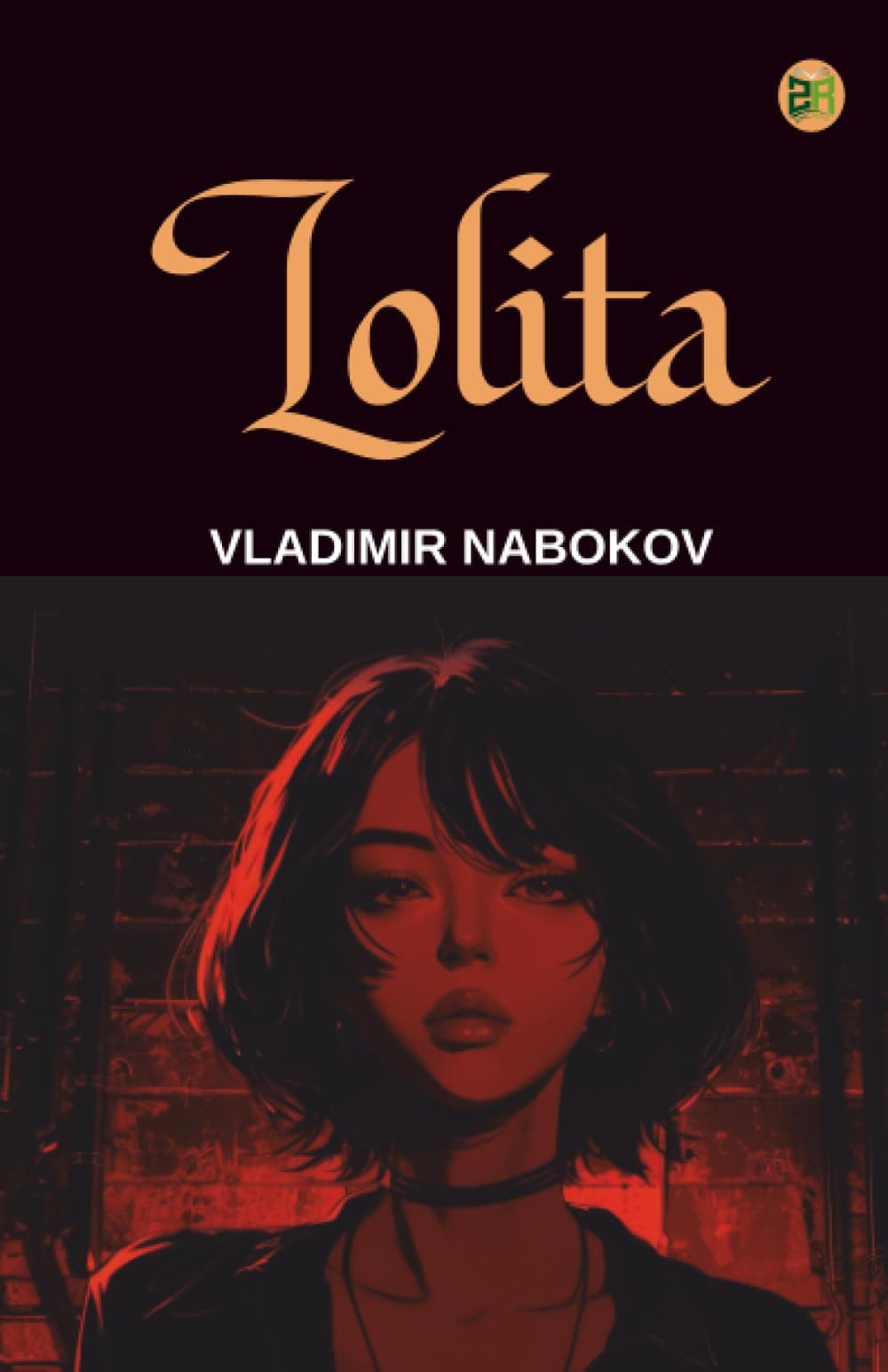 #13View Book
Lolita
Vladimir Nabokov
Challenging•12-15 hours
Browse more collections