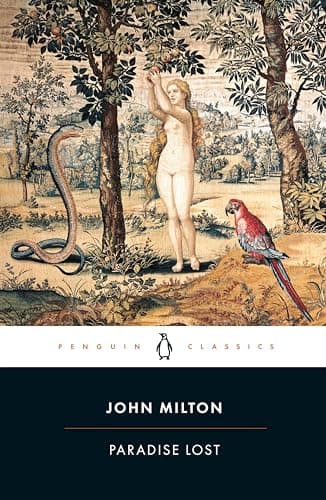
Paradise Lost
“The mind is its own place, and in itself can make a Heaven of Hell, a Hell of Heaven.”
Paradise Lost Summary
In the smoking pit of Hell, a fallen angel rises from a lake of fire. Satan, once the brightest of the heavenly host, has been cast down for waging war against God—and he is not finished. With magnificent defiance, he rallies his shattered legions and resolves to corrupt God's newest creation: humanity. What follows is the story of the Garden of Eden retold as a cosmic tragedy, in which the Fall of Man becomes an epic of temptation, free will, and the terrible price of knowledge.
Milton's blank verse is the most majestic in the English language—thundering, sonorous, built on the rhythms of Homer and Virgil but utterly original. Paradise Lost reimagines the Book of Genesis as a drama of warring perspectives: God's justice, Satan's rebellion, Eve's curiosity, Adam's love. It asks the oldest question in Western civilization—why does evil exist?—and refuses to give a simple answer.
Why Read Paradise Lost?
Paradise Lost is the supreme achievement of English poetry—a poem so vast in ambition that it attempts nothing less than to justify the ways of God to man. Milton, blind and politically defeated, dictated a work of such towering grandeur that it has dominated the literary imagination for three and a half centuries. Its Satan is one of the most compelling characters ever created: charismatic, eloquent, and terrifyingly recognizable in his wounded pride.
But this is not merely a religious poem. It is a profound meditation on freedom, obedience, and the nature of evil. Milton's Satan chose rebellion over servitude; Adam and Eve chose knowledge over innocence. In exploring these choices, Milton created the template for every subsequent story about the cost of ambition and the agonizing beauty of free will. Whether you read it as theology, as poetry, or as the first great psychological portrait of a villain, Paradise Lost remains unmatched.
About John Milton
John Milton (1608–1674) was an English poet, polemicist, and civil servant who served as Secretary for Foreign Tongues under Oliver Cromwell's Commonwealth. Educated at Cambridge and steeped in classical learning, he spent decades preparing for the great poem he believed God had called him to write.
By the time he began Paradise Lost, he was blind, politically disgraced after the Restoration of Charles II, and in danger of execution. He dictated the entire poem to amanuenses, including his daughters. The result was the most ambitious poem in the English language—a work that William Blake, Percy Shelley, and Philip Pullman have never stopped arguing about. Milton remains the towering figure of English literature between Shakespeare and the Romantics.
Reading Guide
Ranked #127 among the greatest books of all time, Paradise Lost by John Milton has earned its place in the literary canon. Originally written in English and published in 1667, this challenging read from United Kingdom continues to resonate with readers today.
This book belongs to our Epics and Philosophy & Faith collections, where you can discover more books that share its spirit and themes.
If you enjoy challenging reads like this one, you might also like Ulysses, Moby-Dick, or Lolita.
From the Epics Collection
If you enjoyed Paradise Lost, discover more masterpieces that share its spirit.
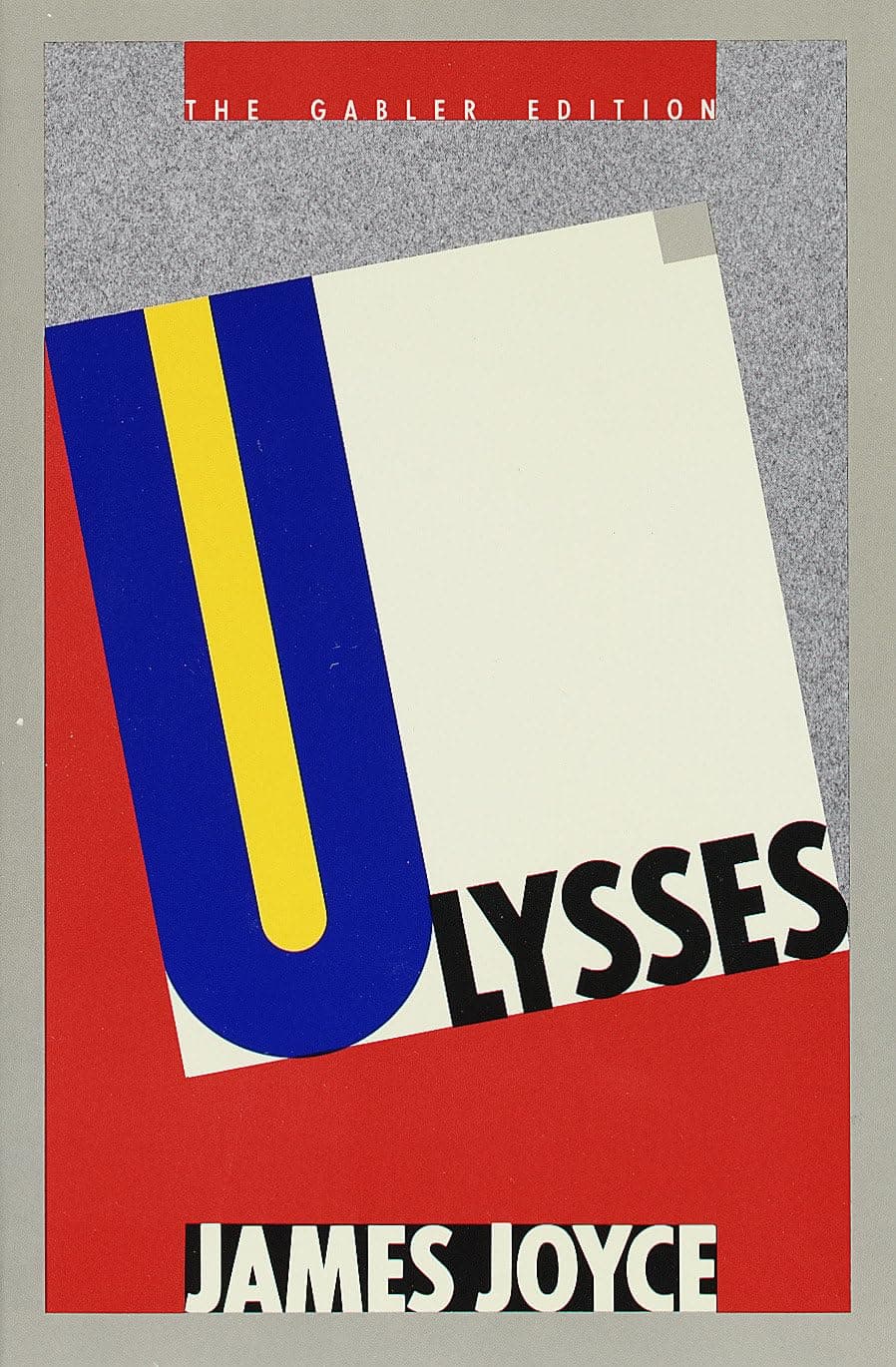 #1View Book
Ulysses
James Joyce
Challenging•35-40 hours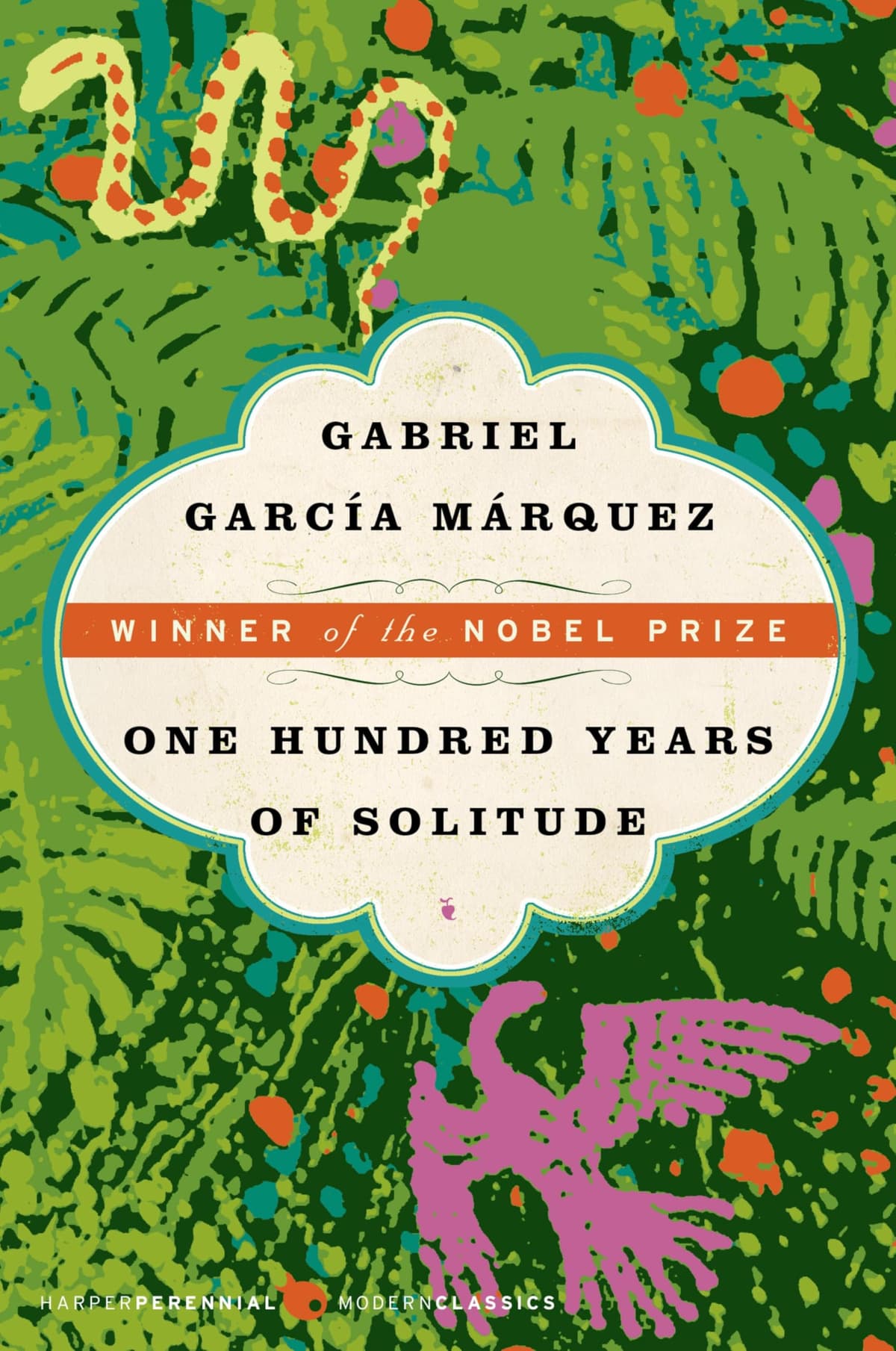 #5View Book
One Hundred Years of Solitude
Gabriel García Márquez
Moderate•15-20 hours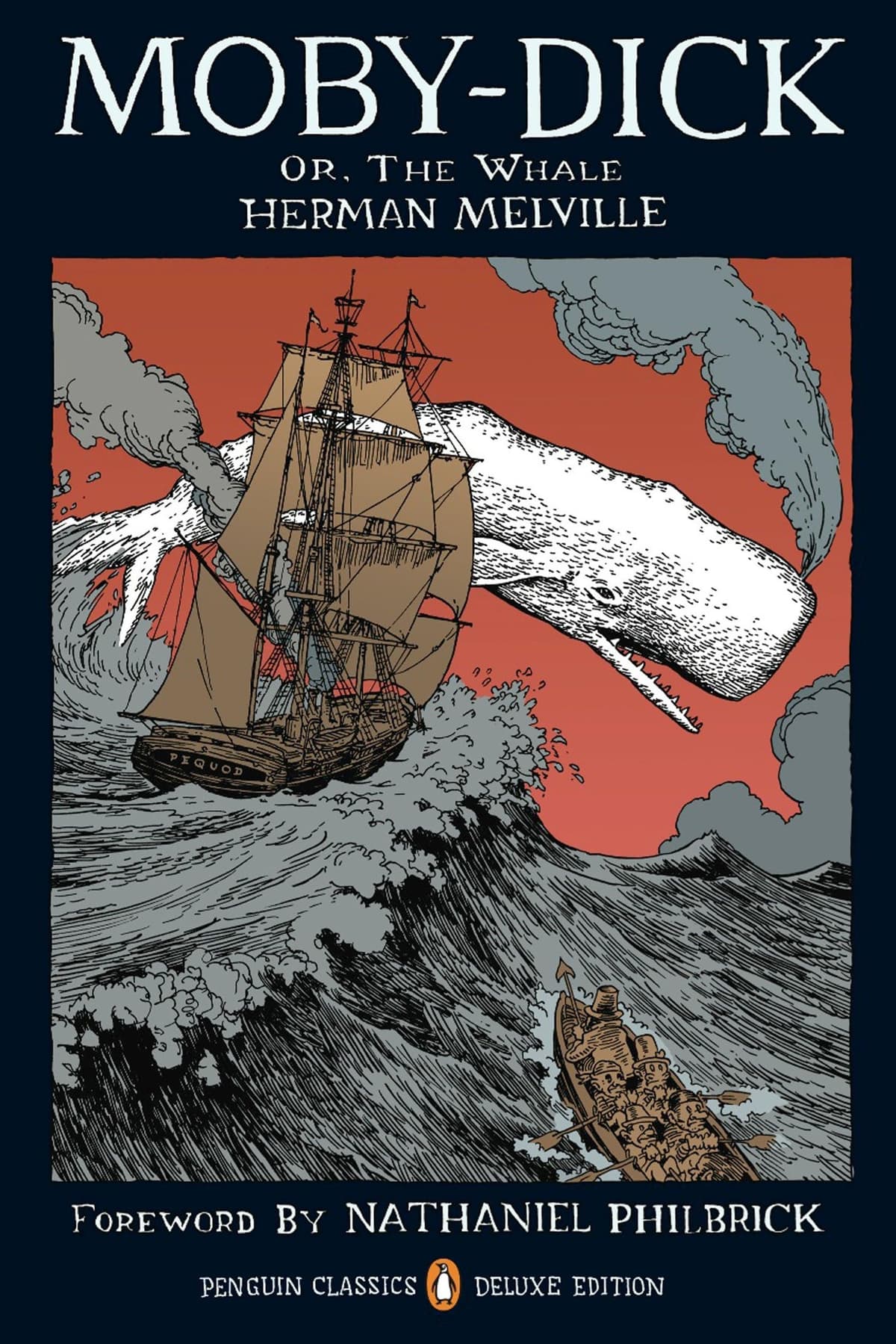 #7View Book
Moby-Dick
Herman Melville
Challenging•20-25 hours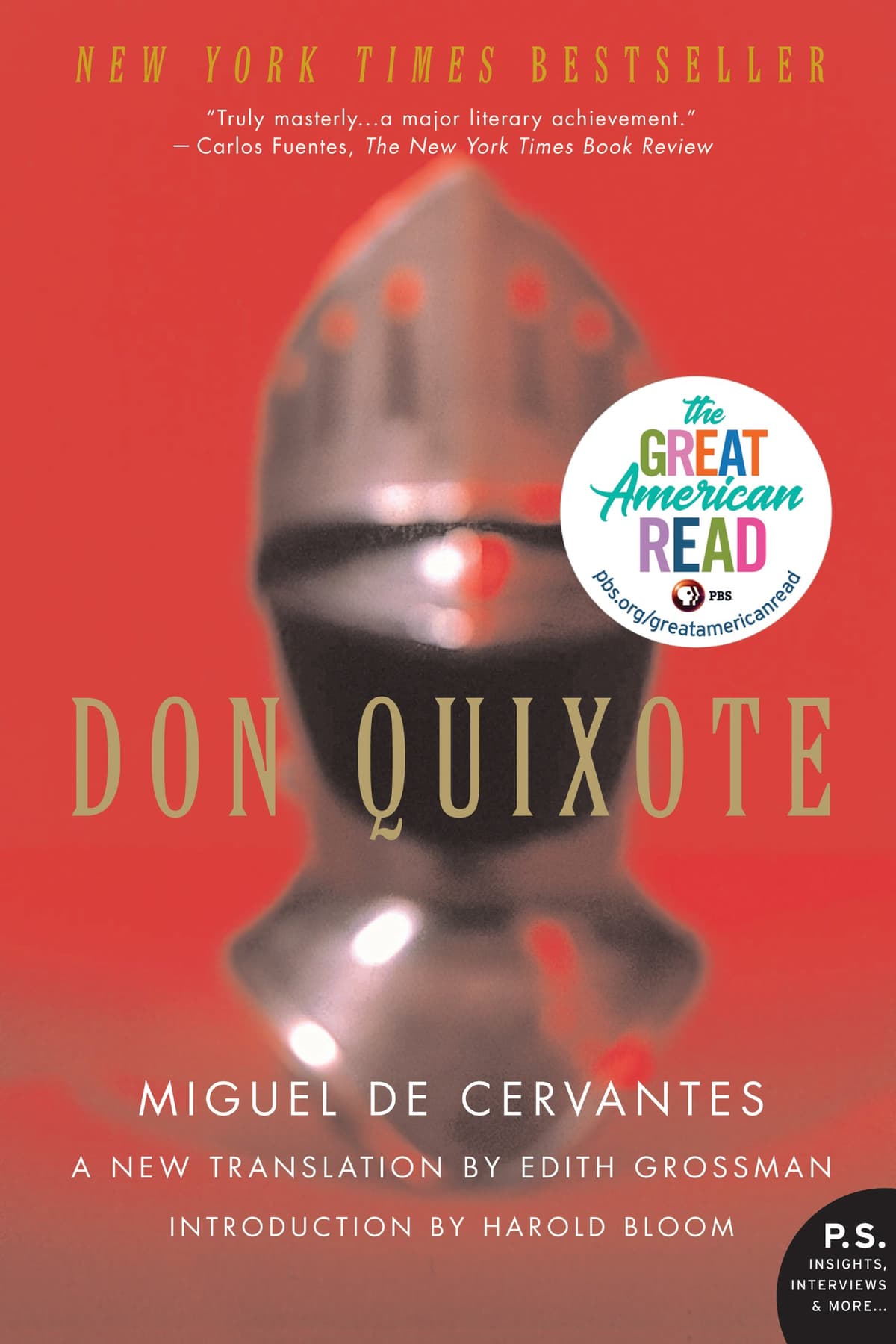 #9View Book
Don Quixote
Miguel de Cervantes
High•35-40 hours
Browse more collections